There’s something quietly satisfying about a recipe that strips things down to the essentials — and that’s exactly the charm of this 2 Ingredient Cottage Cheese Flatbread. With just cottage cheese and all-purpose flour you get a tender, slightly tangy flatbread that’s perfect for seasonal produce and cozy weeknight meals. If you love the fresh comfort of cottage cheese, this flatbread is a gentle, hands-on way to turn that simple ingredient into something impressive. For more cottage-cheese-forward ideas that are equally easy and crowd-pleasing, you might also enjoy my cheesy muffin tin cottage cheese egg bites, which make great brunch companions.
Why this recipe works
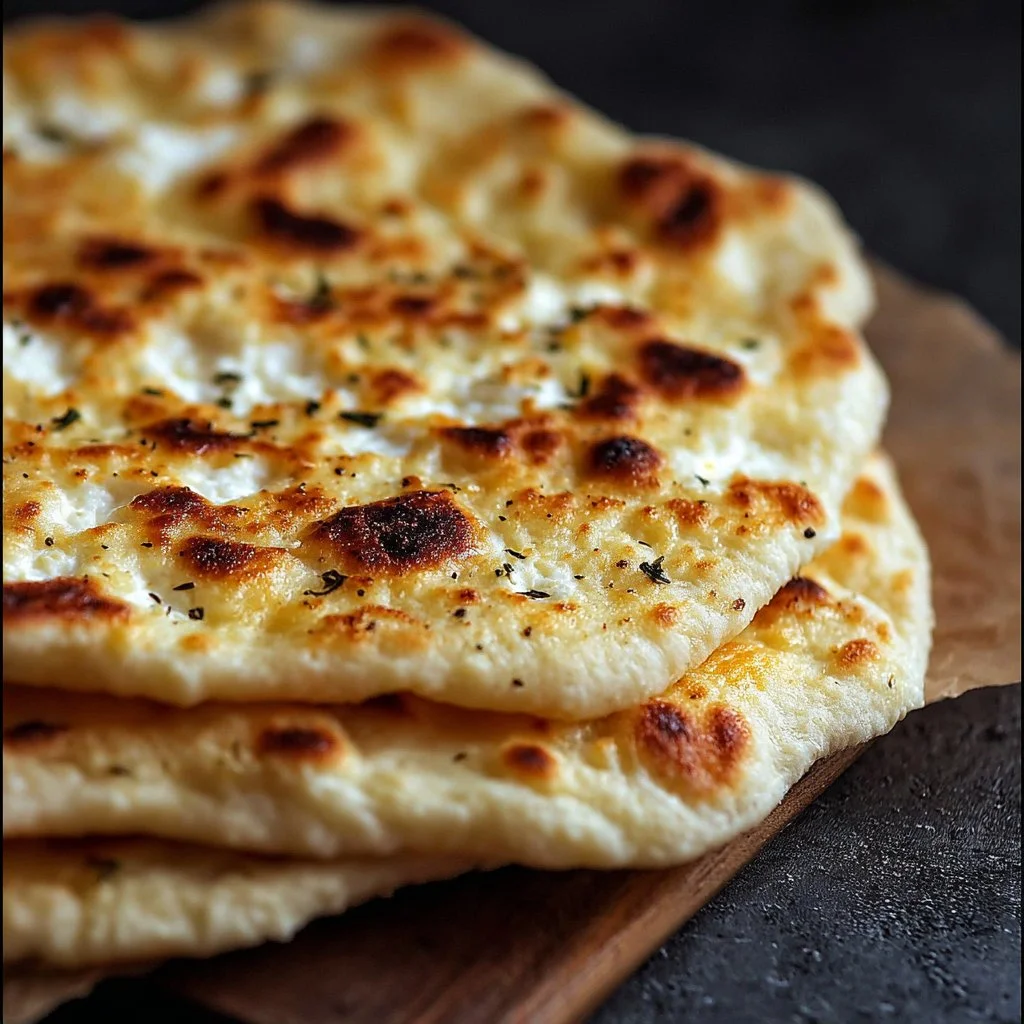
The cottage cheese contributes moisture and a subtle tang, while the flour gives structure — no yeast, no rising time, and no fuss. The result is a thin, pliable flatbread that toasts beautifully in a skillet or oven, and pairs with both sweet and savory toppings. It’s ideal for seasonal cooking because you can top it with spring herbs, summer tomatoes, roasted autumn vegetables, or crisp winter greens, making it a genuinely year-round staple.
Ingredients & Equipment
Ingredients
- 1 cup cottage cheese
- 1 ½ cups all-purpose flour
Notes:
- Use full-fat cottage cheese for the creamiest texture, but low-fat works in a pinch.
- If your cottage cheese is very wet, gently drain excess whey in a fine mesh strainer for a few minutes — but don’t rinse it; the moisture helps make the dough tender.
Equipment
- Mixing bowl
- Measuring cups and spoons
- Wooden spoon or spatula (optional)
- Your hands for kneading (or a stand mixer with a dough hook)
- Lightly floured surface for rolling
- Rolling pin or a clean bottle if you don’t have one
- Heavy skillet, frying pan, or cast iron pan (preferred)
- Tongs or a spatula
- Baking tray (if baking or keeping warm in the oven)
- Kitchen thermometer (optional, useful if baking to check internal temp)
- Parchment paper (optional for freezing or baking)
Helpful tools: A blender can be used to process cottage cheese into a smoother consistency before mixing with flour if you prefer a uniform dough. A griddle or pizza stone is a great alternative to a skillet for larger batches.
Also, if you need topping inspiration, try bright, fresh bites like cucumber cottage cheese bites as a side or appetizer.
Step-by-Step Instructions (with tips)
-
In a mixing bowl, combine the cottage cheese with the flour. Stir until well combined; you might find it easier to use your hands to knead the mixture into a dough. If the dough is too sticky, add a bit more flour as needed until manageable.
- Tip: If you like a smoother dough, pulse the cottage cheese in a blender for 10–15 seconds before mixing. This helps it incorporate with the flour without adding more flour.
-
Lightly flour a clean surface and knead the dough for about 1–2 minutes until it’s smooth and elastic.
- Tip: Kneading briefly is enough — over-kneading can make the flatbreads tougher. Aim for a soft, slightly tacky dough that holds together.
-
Divide the dough into smaller portions (about 6–8 pieces) and roll each one out into a flat round shape, roughly ¼ inch thick.
- Tip: Keep the unrolled pieces covered with a clean damp towel to prevent them drying out while you work.
-
Heat a skillet or frying pan over medium heat. Once hot, place the rolled-out flatbreads in the pan—cook for about 2-3 minutes on each side until golden brown and cooked through.
- Tip: A cast-iron skillet gives the best golden spots. Don’t overcrowd the pan; work in batches. Adjust heat if browning too quickly — medium to medium-low is a safe range.
-
Remove from the skillet and serve warm with your favorite toppings or spreads. Warm flatbreads are more pliable and taste best right out of the pan.
- Tip: If making a large batch, keep cooked flatbreads on a baking tray in a low oven (200°F / 95°C) covered lightly with foil to keep them warm and soft.
Variations and cooking methods:
- Pan-fry (described above): Quick and gives excellent browning and slightly crisp edges.
- Oven-roast/Bake: If you prefer baking (or want to make many at once), preheat the oven to 425°F (220°C), place rolled flatbreads on a parchment-lined baking sheet, brush lightly with olive oil, and bake 8–10 minutes until puffed and golden. This method is great for topping with ingredients (like flatbread pizzas) and finishing under the broiler for a minute for extra color.
- Grill: For a smoky char, cook the flatbreads briefly on a hot grill (1–2 minutes per side) — brush with oil so they don’t stick.
- Don’t boil: Boiling isn’t a recommended method for this type of flatbread; the dough is designed to be dry-cooked for flavor and texture.
Flavor suggestions:
- Savory: Brush with garlic butter, top with sautéed mushrooms and thyme, or layer with smoked salmon, dill, and crème fraîche.
- Fresh: Spread with ricotta or labneh, add sliced heirloom tomatoes, basil, and a drizzle of balsamic in summer.
- Sweet: Spread with honey and whipped ricotta, then sprinkle toasted nuts and lemon zest for a simple dessert flatbread.
Storage, Freezing & Make-Ahead Tips
Leftovers:
- Store cooked flatbreads in an airtight container or zip-top bag in the refrigerator for up to 3 days. To revive, warm in a skillet over low heat for 30–60 seconds per side or wrap in foil and heat in a 350°F (175°C) oven for 8–10 minutes.
Freezing:
- Cool the flatbreads completely, then layer with parchment paper and place in a freezer-safe bag. They keep well for up to 2 months. Thaw at room temperature or warm straight from frozen in a hot skillet for a minute or two per side.
Make-ahead:
- Prepare the dough up to 24 hours ahead: wrap tightly and refrigerate. Bring to room temperature for 15–20 minutes before rolling.
- For busy weeks, make a big batch and freeze rolled but uncooked rounds on a tray; once frozen solid, transfer them to a bag and cook directly from frozen — just add an extra minute per side on the skillet.
Snack and portioning advice:
- For individual servings, make smaller rounds (about the size of a palm) and use them as mini flatbreads for appetizers. They’re perfect for packing into lunches or making kid-friendly wraps.
- If you’re planning school snacks or quick after-school bites, these flatbreads pair well with healthy spreads — see ideas in this list of 20 healthy after-school snack ideas for inspiration.
How to Use / Serve This Dish
This 2 Ingredient Cottage Cheese Flatbread is wonderfully versatile. Here are ways to use it across meals and seasons:
- Breakfast/brunch: Top with scrambled eggs, avocado slices, and hot sauce or make a flatbread sandwich with roasted tomatoes and baby spinach.
- Lunch: Use as a wrap for grilled chicken, crunchy slaw, and a yogurt-dill sauce.
- Dinner: Build a flatbread pizza — spread a thin layer of tomato sauce, scatter mozzarella, add seasonal vegetables, and broil briefly until bubbly.
- Appetizers: Cut into triangles, brush with olive oil and herbs, and serve alongside dips. If you’re hosting a game-night spread, these work beautifully with finger foods — pair them with selections from this roundup of 20 amazing appetizer ideas for football game day.
- Dessert: Warm with a smear of mascarpone, honey, and sliced roasted fruit.
Pairings and drinks:
- Fresh salads with citrus vinaigrette or simple arugula dressed with lemon and Parmesan.
- Charcuterie boards: soft cheeses, olives, and roasted peppers make a lovely rustic pairing.
- For drinks, pair lighter flatbreads with crisp white wines or herbal iced teas; heartier, roasted-topping flatbreads go well with a medium-bodied red or a spiced cider.
FAQ
Q: Can I substitute other flours for all-purpose flour?
A: You can experiment, but results will vary. Whole wheat will yield a denser, nuttier flatbread and may need a touch more liquid; gluten-free flour blends can work but often need binders (like a teaspoon of xanthan gum) and may produce a more fragile texture. Start with a 1:1 gluten-free baking blend and adjust as needed.
Q: My dough is too sticky — how much extra flour should I add?
A: Add flour a tablespoon at a time and knead gently until the dough is manageable. Aim to keep the dough slightly tacky; over-flouring will make the flatbreads dry and tough.
Q: Can I make this dairy-free?
A: Cottage cheese is the main dairy element, and there isn’t a perfect non-dairy equivalent that reproduces the exact texture. Some people experiment with thick plant-based yogurt or blended silken tofu to mimic moisture and body, but expect differences in flavor and texture. If dairy-free is necessary, try a different two-ingredient flatbread recipe designed around a plant-based binder.
Q: How do I know when the flatbreads are cooked through?
A: They should be golden brown with some darker charred spots and feel slightly springy when pressed. If you’re baking, an internal temperature around 195–200°F (90–93°C) indicates set dough, but this is rarely necessary for thin flatbreads — visual cues and texture are usually enough.
Conclusion
This 2 Ingredient Cottage Cheese Flatbread is a small wonder: minimal ingredients, minimal fuss, and so much room for seasonal creativity. It’s the kind of recipe that invites you to play with summer tomatoes and basil or cozy up with caramelized onions and sharp cheese in cooler months. Try it, tweak it, and share it — there’s comfort in simple food that becomes a canvas for whatever’s in your kitchen. If you make a batch, I’d love to hear how you topped them or any spin you gave the recipe — happy cooking!

Cottage Cheese Flatbread
Ingredients
Method
- In a mixing bowl, combine the cottage cheese with the flour. Stir until well combined; you might find it easier to use your hands to knead the mixture into a dough. If the dough is too sticky, add a bit more flour as needed until manageable.
- Lightly flour a clean surface and knead the dough for about 1–2 minutes until it’s smooth and elastic.
- Divide the dough into smaller portions (about 6–8 pieces) and roll each one out into a flat round shape, roughly ¼ inch thick.
- Heat a skillet or frying pan over medium heat. Once hot, place the rolled-out flatbreads in the pan—cook for about 2–3 minutes on each side until golden brown and cooked through.
- Remove from the skillet and serve warm with your favorite toppings or spreads.