Cabbage Roll Soup — let me tell you, this is the kind of recipe I talk about with friends on chilly afternoons. You, me, a warm pot simmering on the stove, the smell of garlic and onions filling the kitchen while tender cabbage and seasoned ground beef mingle with tomatoes and rice. I first made this on a rainy evening when I craved the flavor of stuffed cabbage without the fuss of rolling each leaf, and it instantly became a go-to for comfort. It uses simple ingredients like cabbage, ground beef or turkey, crushed tomatoes, rice, onion, and broth, and it hugs you from the inside out. If you love cozy bowls, you might also enjoy my roundup of 21 winter soups to rotate through the season.
Why You’ll Love This Recipe
- Quick and easy to prepare
- Simple, accessible ingredients you likely already have
- Perfect for autumn and winter evenings when you want something warming and homey
- Comforting, satisfying, and impressive enough to serve to guests
What makes this version unique is how it captures the essence of classic stuffed cabbage in a no-fuss, one-pot soup. Instead of painstakingly wrapping each cabbage leaf, we let the cabbage soften and soak in the rich tomato broth alongside the rice and savory browned meat. The emotional appeal is real: this soup feels like a family tradition, with a confiance-building technique that even cooks who are new to stovetop simmering can master. There is a rhythm to browning the meat, layering the vegetables and liquids, and then letting the pot work its magic; it’s soothing and rewarding.
A note on similar recipes
This recipe is perfect when you want all the flavor of stuffed cabbage without the hands-on assembly. If you enjoy hearty, brothy meals, you might also like a creamy option like Broccoli Potato Cheese Soup, which offers a different kind of comfort for weeknights.
Ingredients Needed
Simple, fresh ingredients you can customize
- 1 medium head of cabbage, cored and chopped into bite-size pieces
- Use a firm green cabbage for a clean, bright flavor; savoy cabbage works nicely if you prefer a more tender leaf texture.
- 1 pound ground beef or ground turkey
- Ground beef gives a richer, beefy backbone; ground turkey is leaner and lighter. Both work equally well.
- 1 medium yellow or sweet onion, finely diced
- White onion works too. Dice small for even distribution and quick softening.
- 2 cloves garlic, minced or pressed
- Fresh garlic is best; you can use 1 teaspoon garlic powder in a pinch.
- 1 can (28 ounces) crushed tomatoes
- Use fire-roasted for a smokier edge or plain crushed tomatoes for a classic profile.
- 4 cups beef broth or vegetable broth
- Beef broth deepens the flavor with the beef version; vegetable broth keeps it lighter and works better for turkey or vegetarian swaps.
- 1 cup rice (white long-grain or brown)
- White rice cooks faster and yields a softer bite; brown rice needs longer simmering and gives more chew and nuttiness.
- 1 tablespoon olive oil
- Neutral oils like canola work if you need a higher smoke point.
- Salt and freshly ground black pepper to taste
- Start with 1 teaspoon salt and 1/2 teaspoon pepper, then adjust at the end.
- Optional: 1 teaspoon dried thyme or 2 tablespoons chopped fresh parsley
- Other herbs that play nicely include dill for a brighter note or a bay leaf during simmering.
Ingredient clarifications and substitutions:
- If you need a gluten-free meal, choose rice that is labeled gluten-free and ensure your broth is free of gluten-containing additives.
- For a lower-carb option, replace rice with cauliflower rice; add it toward the end so it does not overcook.
- Vegetarian adaptation: replace ground meat with a cup of cooked lentils or finely chopped mushrooms and use vegetable broth.
Ingredients & Equipment Notes (Optional)
- Large, heavy-bottomed pot or Dutch oven: ensures even heat for browning and a gentle simmer.
- Wooden spoon or heatproof spatula: to break up the ground meat and stir while sautéing.
- Chef’s knife and cutting board: a sharp knife makes quick work of the cabbage and onion.
- Measuring cups and spoons: for accurate rice and broth ratios.
- Ladle and bowls for serving.
Why these tools matter: A heavy pot stops hot spots that can scorch tomatoes during long simmering. A sharp knife and a sturdy spoon speed up prep and keep your cooking calm and steady. Using a pot with a tight-fitting lid helps maintain an even simmer, especially when cooking brown rice which needs steady heat.
Instructions – How to Make “Cabbage Roll Soup”
Before you start
Prep the cabbage, dice the onion, and rinse the rice (if desired) so everything is ready to go and the recipe flows smoothly.
- Heat the olive oil in a large, heavy-bottomed pot over medium heat. Add the diced onion and minced garlic, and sauté until the onion becomes translucent and sweet-scented, about 4 to 6 minutes.
- Why this matters: Sautéing softens the onion and mellows its sharpness, forming a flavorful base. Look for glossy, softened onions that are slightly golden at the edges; the aroma should be warm and inviting.
- Mini tip: Stir frequently so the garlic does not brown and turn bitter.
- Add the ground beef or turkey to the pot and cook until it is thoroughly browned, breaking it into small pieces with your spoon as it cooks, about 6 to 8 minutes. Drain off excess fat if there is more than a tablespoon.
- Why this matters: Browning the meat develops deep savory flavors through caramelization. Small crumbles of meat integrate better into the broth and with the cabbage.
- Visual cue: The meat should turn uniformly brown with no pink remaining, and the pot should carry a rich, meaty aroma.
- Stir in the chopped cabbage, the can of crushed tomatoes, and the broth. Bring the pot to a gentle boil.
- Why this matters: Adding the cabbage early allows it to soften and meld its flavor into the broth. Crushed tomatoes provide body and acidity, balancing the richness of the meat.
- Mini tip: Give the pot a good stir so the cabbage is evenly submerged; use a wooden spoon to nudge cabbage leaves into the liquid if needed.
- Add the rice, reduce the heat to a low simmer, and cover. Let the soup simmer for 20 to 30 minutes, or until the cabbage is tender and the rice is cooked through. If using brown rice, expect longer cooking time, closer to 40 to 45 minutes, and add extra broth or water as needed.
- Why this matters: Low simmering keeps the rice from sticking to the pot while allowing flavors to concentrate. Timing depends on rice type; taste to check doneness rather than relying solely on the clock.
- Visual cue: The rice will swell, the broth will thicken slightly from the starch, and the cabbage will look translucent and soft.
- Season the soup with salt, pepper, and your chosen herbs, such as thyme or parsley. Taste and adjust seasoning. If the tomatoes make the broth too acidic, a pinch of sugar or a splash of cream can balance it.
- Why this matters: Final seasoning is where you personalize the dish. Herbs add brightness and a finishing note, while salt brings flavors forward.
- Mini tip: Add herbs in two stages for depth — a little during the simmer and a fresh sprinkle at the end.
- Serve the soup hot with a drizzle of olive oil or a dollop of sour cream if desired. Garnish with chopped fresh parsley for color and freshness.
- Why this matters: A finishing touch like sour cream or parsley brightens the bowl and makes the soup feel complete.
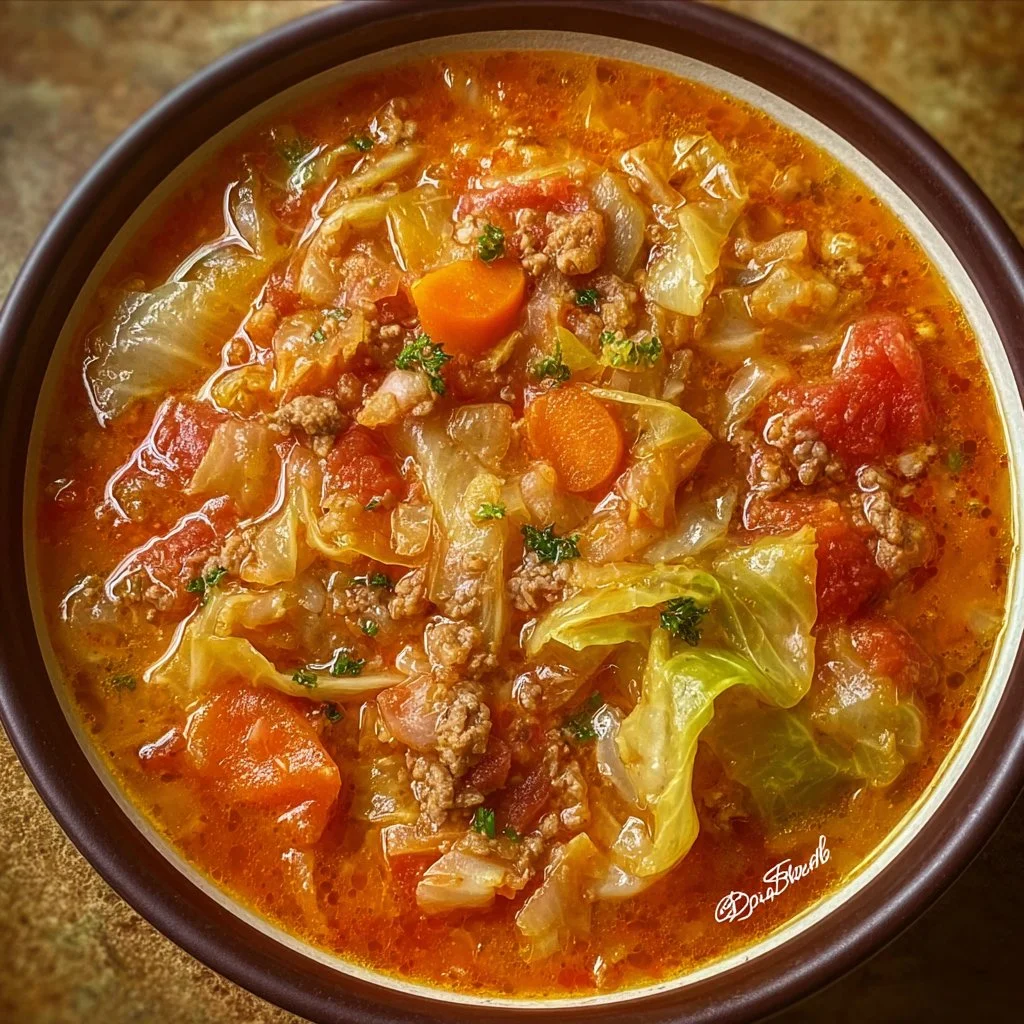
- Serving cue: Ladle steaming soup into warmed bowls and listen for that satisfying steam as it hits the plate.
Serving Suggestions & Storage Tips
Serving ideas:
- Offer crusty bread or warm dinner rolls for dipping into the rich tomato broth.
- A simple green salad with a tangy vinaigrette cuts through the bowl’s richness and adds a crisp contrast.
- For a heartier meal, serve with mashed potatoes on the side to sop up every delicious drop.
Presentation tips:
- Serve in deep bowls, topped with a sprig of fresh parsley or dill and a swirl of extra virgin olive oil.
- If you like creamier soups, add a spoonful of sour cream or plain yogurt to each bowl and swirl just before serving to create a marbled look.
Pairings:
- A light, herbaceous side like a cucumber and dill salad pairs nicely.
- For beverage pairings, choose nonalcoholic options—sparkling water with lemon, a warm cup of herbal tea, or a lightly sweetened iced tea all complement the savory soup.
Creative variations:
- Turn it vegetarian: swap the ground meat for cooked lentils and use vegetable broth.
- Add a can of drained white beans in the final 10 minutes for extra protein and creaminess.
- For more heat, stir in red pepper flakes or a spoonful of harissa before serving.
Storage:
- Refrigerator: Store cooled soup in an airtight container for up to 4 days. The flavors deepen after a day, making leftovers even better.
- Freezer: Freeze in portion-sized containers for up to 3 months. Note that rice can absorb liquid and become softer after freezing and reheating; consider undercooking the rice slightly if you plan to freeze the soup.
Best reheating methods:
- Stovetop: Reheat gently over low to medium heat, stirring occasionally and adding a splash of broth or water to loosen the consistency.
- Microwave: Reheat in a microwave-safe bowl in 60-second intervals, stirring between each interval to ensure even warming.
- If the soup thickens upon standing, loosen with warm broth and adjust seasoning before serving.
Don’t forget that texture may soften with storage; if you value a firmer rice texture, cook the rice separately and add it to bowls when serving.
Helpful Notes & Variations
Ingredient substitutions:
- Rice: Swap for orzo, small pasta shapes, or barley for a different mouthfeel. Adjust cooking times accordingly.
- Meat: Use ground turkey for a lighter profile, or increase vegetables for a meatless version.
- Cabbage: Savoy or Napa cabbage will give a silkier texture; red cabbage adds color but can turn the broth slightly purple-red.
Dietary adaptations:
- Gluten-free: This recipe is naturally gluten-free as long as you verify the broth.
- Low-carb: Replace rice with cauliflower rice added in the last 5 minutes of cooking.
- Vegan: Use lentils or chopped king oyster mushrooms for a meaty texture and a robust vegetable broth.
Flavor add-ins:
- A splash of apple cider vinegar or lemon juice at the end brightens the soup.
- Add umami depth with a teaspoon of soy sauce (gluten-free if needed) or a couple of anchovy fillets blended into the sauté stage for those who eat seafood.
- Finish with a drizzle of good olive oil and freshly cracked pepper for a simple, elegant touch.
Common mistakes and how to avoid them:
- Overcooking the cabbage until it disintegrates: Aim for tender but not mushy; check at 20 minutes and test frequently.
- Adding rice too early: White rice cooks quickly and can become mushy; follow timing and check for doneness.
- Forgetting to season in layers: Season lightly at the sauté stage and adjust at the end so flavors are balanced and bright.
Experience-based tips:
- Brown the meat well for depth; don’t rush this step.
- If using brown rice, plan for a longer cook time and perhaps a lid-on simmer to maintain moisture.
- Taste as you go. A small pinch of salt added early helps build flavor, but final adjustments can rescue a flat or overly acidic broth.
If you enjoy exploring similar comforting bowls, consider trying a different family favorite like Chicken Dumpling Soup for another layer of comfort cooking.
Conclusion
Cabbage Roll Soup stands out because it captures the nostalgic, cozy soul of stuffed cabbage in a much simpler, one-pot form that fits into busy weeknights and leisurely weekend dinners alike. It balances savory browned meat, tangy tomatoes, tender cabbage, and comforting rice to create a bowl that warms both body and memory. Practical benefits include easy ingredient swaps, straightforward storage, and forgiving technique that builds confidence in the kitchen. Emotionally, it’s a family-friendly recipe that invites conversation, leftovers that taste even better the next day, and a comforting ritual of ladling warm soup into waiting bowls. For more inspiration and other takes on cabbage roll soup, you can explore a home-style version on Dinner at the Zoo, a simple family-tested take at Kitchen Fun With My 3 Sons, and a budget-friendly, weeknight-friendly recipe at Spend With Pennies. Try this recipe, leave a comment and star rating to tell me how it turned out, and share it on Pinterest with friends who love cozy bowls.
Frequently Asked Questions
Can I make this recipe ahead of time?
Yes. This soup is ideal for making ahead because the flavors deepen as it rests. Make it up to two days in advance and reheat gently before serving. If freezing, portion into meal-sized containers for easy defrosting.
How should I store leftovers and how long do they last?
Store cooled soup in airtight containers in the refrigerator for up to 4 days. For longer storage, freeze in airtight, freezer-safe containers for up to 3 months. Label with the date to keep track.
What is the best way to reheat or serve this recipe after storage?
Reheat gently on the stovetop over low to medium heat, stirring occasionally and adding a splash of broth or water if it has thickened. In the microwave, heat in short intervals and stir between each cycle for even heating.
Can I adjust or substitute ingredients to fit my preferences?
Absolutely. Swap ground beef for turkey or lentils for a vegetarian version. Use different herbs such as dill or parsley, or swap rice for orzo or barley. Adjust salt and acidity to taste with salt, pepper, lemon juice, or a pinch of sugar.
Do you have tips to ensure the best texture and flavor every time?
Brown the meat well for umami depth, avoid overcooking the cabbage, and add rice according to its cooking time to prevent mushiness. Season in stages and taste before serving. If the broth is too acidic, a small pinch of sugar balances it; if it needs brightness, a splash of vinegar or lemon at the end lifts the flavors.
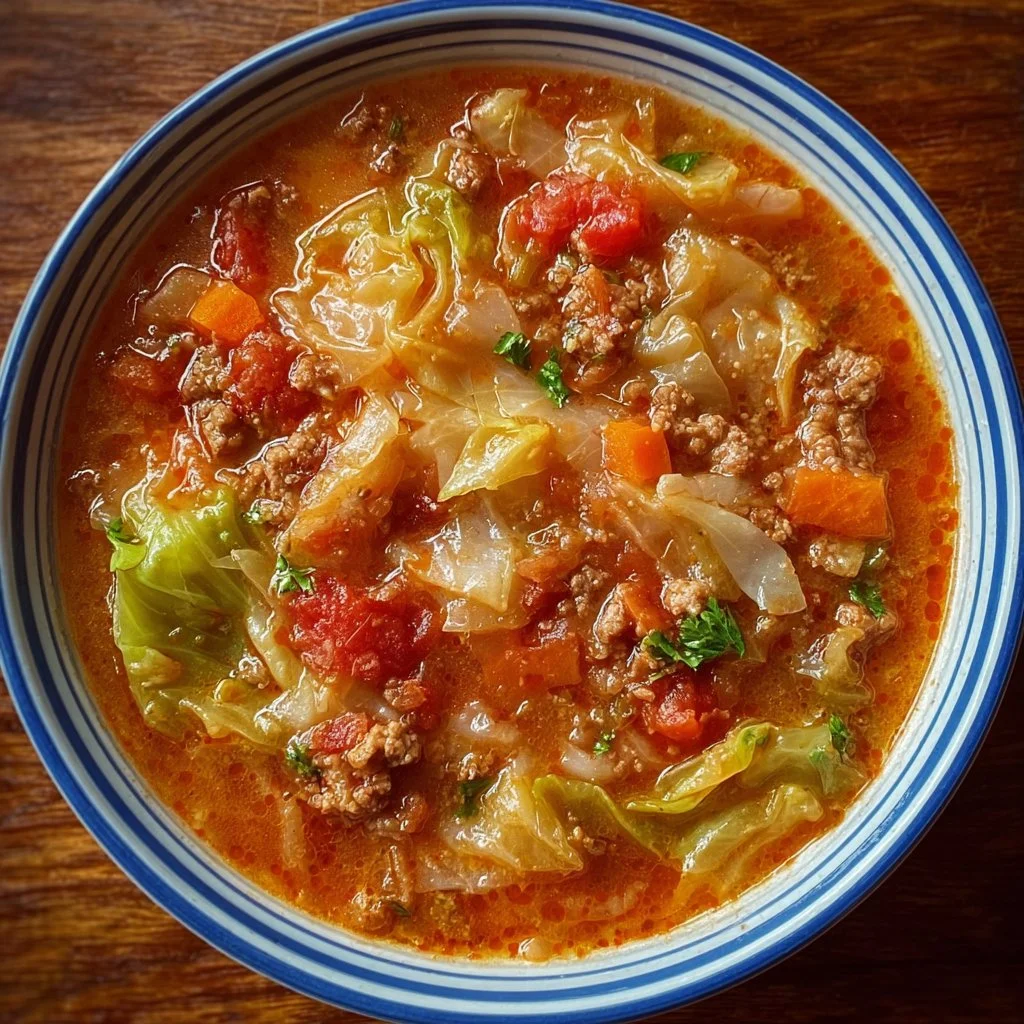
Cabbage Roll Soup
Ingredients
Method
- Prep the cabbage, dice the onion, and rinse the rice (if desired).
- Heat the olive oil in a large pot over medium heat. Add the diced onion and minced garlic, sauté until translucent, about 4 to 6 minutes.
- Add the ground beef or turkey and cook until browned, about 6 to 8 minutes. Drain excess fat if needed.
- Stir in chopped cabbage, crushed tomatoes, and broth. Bring to a gentle boil.
- Add the rice, reduce heat to low, cover, and let simmer for 20 to 30 minutes, or until cabbage is tender and rice is cooked.
- Season with salt, pepper, and herbs. Taste and adjust seasoning if needed.
- Serve hot with a drizzle of olive oil or a dollop of sour cream if desired.