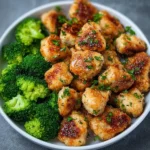
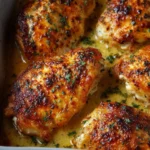
“Ina Garten Boneless Skinless Chicken Breasts Recipe,” I said, grinning as the kitchen filled with lemon and garlic, and my friend laughed because she knew what was coming: tender chicken, bright lemon, garlic, fresh herbs, and a little Dijon to bind it all. I still remember the first time I tried this—my family hovered around the counter, plates ready—because the outside sears nicely and the inside stays juicy. This version leans on olive oil, lemon juice and zest, minced garlic, Dijon, thyme and rosemary, and a light seasoning of kosher salt and black pepper. If you like the idea of a stuffed option for special nights, try my spinach-stuffed chicken breasts for another comforting favorite.
Why You’ll Love This Recipe
- It is simply comforting and elegant at the same time, perfect for weeknights and small gatherings.
- The bright lemon and garlic flavors lift the natural chicken taste without overpowering it.
- Quick to prepare and forgiving: the marinade and cooking methods help prevent dryness, creating a reliably juicy result.
- Minimal ingredients create maximum flavor and an approachable recipe that builds confidence in the kitchen.
- You get versatility: oven-roasted for ease or stovetop for a quick sear and sauce finish, making it great for meal prep or a special Sunday dinner.
- Emotionally, it’s the kind of dish that brings people to the table—the aroma itself feels like home and sparks conversation about food memories.
Ingredients Needed
- Four boneless, skinless chicken breasts — about 1 1/2 to 2 pounds total; trim any excess fat and pat dry for best sear.
- Kosher salt and freshly ground black pepper — for seasoning before and after cooking; kosher salt gives more control.
- 3 tablespoons extra virgin olive oil — used for both the marinade and for searing; it adds silky mouthfeel and browning.
- 2 tablespoons fresh lemon juice — freshly squeezed brightens the dish more than bottled juice.
- 2 teaspoons lemon zest — the zest gives concentrated citrus aroma; grate just the yellow part.
- 3 garlic cloves, minced — finely mince or press for even, fragrant flavor throughout.
- 1 teaspoon Dijon mustard — helps emulsify the marinade and adds a subtle tang.
- 1 teaspoon fresh thyme leaves, chopped (or 1/2 teaspoon dried thyme) — fresh is best if available.
- 1 teaspoon fresh rosemary, chopped (or 1/2 teaspoon dried rosemary) — chop finely so it doesn’t create sharp bites.
Notes and clarifications: measure the chicken so breasts are similar in thickness; if one is much thicker, gently pound to even thickness for even cooking. When using dried herbs, reduce quantity slightly as indicated. Always taste the marinade and adjust lemon or salt to your preference before adding it to the chicken.
Ingredients & Equipment Notes (Optional)
- Use a heavy skillet (cast iron or stainless steel) for stovetop searing; it gives the best color and fond for a quick pan sauce.
- For the oven method, a rimmed baking sheet or shallow roasting pan lined with parchment or foil makes cleanup easier.
- A meat thermometer is a small investment that ensures perfect doneness: aim for 160 to 165°F internal temperature, then rest the chicken to carry over to 165°F.
- If your chicken breasts are very thick, consider slicing them horizontally into cutlets or pounding to about 1/2 to 3/4 inch thickness; this shortens cooking time and improves juiciness.
- Use fresh lemons for juice and zest; the zest carries essential oils that provide aroma and depth.
Instructions – How to Make “Ina Garten Boneless Skinless Chicken Breasts Recipe”
- Prepare the chicken and marinade.
- Why it matters: Dry chicken will not brown well, and an evenly coated marinade ensures balanced flavor.
- Visual cues: The chicken should be patted dry and look matte before oil hits the pan.
- Mini tip: Combine 3 tablespoons olive oil, 2 tablespoons lemon juice, 2 teaspoons lemon zest, 3 minced garlic cloves, 1 teaspoon Dijon, 1 teaspoon chopped thyme, 1 teaspoon chopped rosemary, and a generous pinch of kosher salt and black pepper in a bowl; whisk until smooth and glossy.
- How to proceed: Place the chicken in a shallow dish or zip-top bag and pour half the marinade over it, reserving the rest for basting or finishing. Rub the marinade into both sides. If time allows, refrigerate for 20 to 60 minutes for better flavor infusion. If in a rush, even a 10-minute rest helps.
Oven Method
- Preheat and arrange.
- Why it matters: Oven roasting yields gently even cooking and is forgiving with timing.
- Visual cues: Preheat oven to 425°F; a hotter oven encourages exterior color without drying the interior.
- Mini tip: Arrange chicken on a rimmed baking sheet lined with foil, skinless side up, spaced at least an inch apart so air circulates.
- Roast until golden and just cooked through.
- Why it matters: The goal is a golden exterior and a moist interior.
- Visual cues: Chicken should turn from pale to a light golden color at the edges and develop a slight sheen from the oil; juices running clear is a good sign.
- Mini tip: Roast for 18 to 22 minutes depending on thickness. Start checking at 16 minutes for thin cutlets. Use a meat thermometer: 160°F to 165°F internal is your target, remembering the carryover heat during rest.
- Rest and baste with reserved marinade.
- Why it matters: Resting lets juices redistribute and keeps the breast tender.
- Visual cues: The surface will lose some sheen and feel firmer when touched lightly.
- Mini tip: Tent loosely with foil and rest 5 to 8 minutes. While resting, warm the reserved marinade briefly in a small saucepan (bring to a gentle simmer for 30 seconds to a minute to cook the raw garlic) and spoon over the breasts for an extra glossy finish.
Stovetop Method
- Heat the skillet and sear.
- Why it matters: A hot pan creates a delicious sear and adds flavor through the Maillard reaction.
- Visual cues: The oil should shimmer but not smoke; a few drops of water should sizzle and evaporate.
- Mini tip: Heat 1 tablespoon olive oil in a large skillet over medium-high heat. Pat chicken dry again if needed, season lightly, and place in the pan. Do not crowd the pan; work in batches if necessary.
- Cook and finish in pan or oven.
- Why it matters: Sear seals in juices and adds texture; finishing in the oven ensures even doneness.
- Visual cues: After 3 to 4 minutes per side, a golden-brown crust should form. If finishing in the oven, transfer the skillet to the preheated 425°F oven for 6 to 10 minutes until internal temperature is 160°F to 165°F.
- Mini tip: If you prefer to finish on the stovetop, reduce to medium-low after searing and cover for 6 to 8 minutes, flipping once, until the internal temperature reaches the target. Add a splash of water or chicken stock and a knob of butter to create a quick pan sauce if desired.
- Create a quick pan sauce (optional but recommended).
- Why it matters: A bright pan sauce brings acidity and cohesion to the dish.
- Visual cues: After removing chicken, the skillet will have browned bits; the sauce should look glossy and slightly thickened.
- Mini tip: Deglaze the hot skillet with 2 tablespoons lemon juice and 1/4 cup chicken stock or water, scraping up browned bits. Stir in a teaspoon of Dijon and a tablespoon of cold butter off the heat to emulsify. Spoon over rested chicken.
- Final seasoning and serve.
- Why it matters: A final sprinkle of salt or lemon zest amplifies flavor right before eating.
- Visual cues: A light dusting of fresh herbs and zest brightens color and aroma.
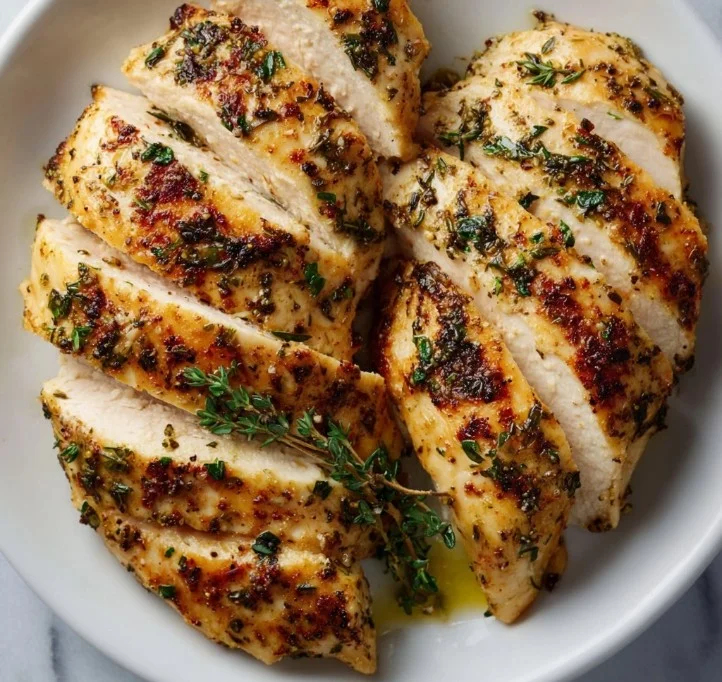
- Mini tip: Garnish with extra thyme leaves or a thin lemon slice. Slice the breast against the grain to serve for the most tender bites.
Serving Suggestions & Storage Tips
Serving ideas:
- Slice the chicken and serve over a bed of fluffy rice, quinoa, or roasted baby potatoes for a complete plate.
- Arrange atop a simple arugula and shaved fennel salad for a bright, textural contrast.
- Use sliced chicken in warm sandwiches with mayonnaise, baby greens, and a lemony aioli.
- Turn leftovers into a hearty pasta tossed with roasted cherry tomatoes, olive oil, and a handful of fresh herbs.
Pairings:
- Vegetables: Roasted asparagus, green beans with almonds, or lemon-garlic broccolini.
- Starches: Buttery mashed potatoes, herbed couscous, or a light orzo salad.
- Sauces: A light pan sauce as described above, or a quick lemon-herb vinaigrette to drizzle.
Storage:
- Cool cooled chicken to room temperature no longer than two hours after cooking. Place in an airtight container and refrigerate for up to 3 to 4 days.
- For longer storage, slice and freeze in a freezer-safe container or bag for up to 3 months, separating layers with parchment to prevent sticking.
Reheating:
- Oven method: Preheat to 300°F. Place chicken in a shallow dish with a splash of chicken stock or water, cover with foil, and warm 10 to 15 minutes until heated through; this is gentle and helps maintain moisture.
- Stovetop: Warm slices in a skillet over low heat with a teaspoon of olive oil and a splash of water or stock, covering briefly until warmed.
- Microwave: Use short 20 to 30 second bursts at medium power, adding a sprinkle of water, to avoid drying.
Practical tips:
- Label containers with date when storing.
- If using in salads, slice cold to maintain texture.
- When reheating, avoid high heat which can toughen the chicken.
In this section I also like to suggest comfort pairings such as a bowl of garlic parmesan chicken soup on a chilly evening if you are planning a soup-and-sandwich style dinner that complements the bright flavors of the chicken.
Helpful Notes & Variations
Substitutions:
- Olive oil can be swapped with avocado oil for a neutral profile if desired.
- If you do not have Dijon, use a teaspoon of whole-grain mustard or even a touch of mayonnaise to help emulsify.
- Swap fresh thyme and rosemary for 1 1/2 teaspoons of an Italian herb blend if fresh herbs are not available.
Dietary adaptations:
- For low-sodium diets, reduce kosher salt amount and add robust lemon zest and herbs to boost flavor without salt.
- To make the dish dairy-free, skip the butter in the pan sauce and finish with extra lemon juice and olive oil for sheen.
- For a gluten-free meal, ensure any stock used for deglazing is labeled gluten-free and serve with gluten-free sides.
Flavor add-ins:
- Add a tablespoon of capers to the pan sauce for a briny punch.
- Stir in a handful of chopped sun-dried tomatoes with the herbs for a Mediterranean twist.
- For a touch of sweetness, a teaspoon of honey stirred into the pan sauce complements lemon and garlic, creating a balanced glaze.
Common mistakes and how to avoid them:
- Overcooking: Use an instant-read thermometer and aim for 160°F before resting. Carryover heat will finish to 165°F.
- Crowding the pan on stovetop: This causes steaming instead of searing. Work in batches if needed.
- Not patting chicken dry: Moisture prevents browning. Use paper towels to dry before seasoning and oiling.
- Using too much acid in the marinade for too long: If marinating for hours, reduce lemon juice so the meat does not become mushy from acid breakdown.
- Skipping the rest: Cutting too soon will release juices onto the plate; rest 5 to 8 minutes to keep the meat juicy.
For another sweet-savory contrast in roasted chicken recipes, I often think about the sticky notes from a honey butter chicken approach where a glaze adds a different kind of shine and comfort; that variation may inspire your own finishing touches.
Conclusion
This Ina Garten Boneless Skinless Chicken Breasts Recipe stands out because it balances simplicity and sophistication: just a handful of high-quality ingredients, straightforward techniques, and the option to finish with a bright pan sauce produce a reliably juicy, flavorful protein that feels both homey and elegant. Whether you choose the oven for ease or the stovetop for a quick, caramelized crust, the lemon, garlic, herbs, and Dijon work together to make each bite sing. For thoughtful perspectives from other cooks and the original inspiration, you might enjoy a detailed write-up like A Review of Ina Garten’s Lemon Chicken Breasts | The Kitchn, a step-by-step adaptation at Ina Garten’s Lemon Chicken Breast – She’s Cookin’, and the official recipe notes at Lemon Chicken Breasts | Recipes – Barefoot Contessa. Give it a try this week and share how you served it.
Frequently Asked Questions
Can I make this recipe ahead of time?
Yes. You can marinate the chicken for up to 24 hours in the refrigerator; the flavors deepen over time. If fully cooked, allow the chicken to cool, then refrigerate in an airtight container for up to 3 to 4 days. If freezing, slice and freeze in meal-sized portions for up to 3 months.
How should I store leftovers and how long do they last?
Store leftovers in a sealed container in the refrigerator for 3 to 4 days. For longer storage, freeze in airtight containers or vacuum-sealed bags for up to 3 months. Try to separate slices with parchment paper to make thawing and portioning easier.
What is the best way to reheat or serve this recipe after storage?
Reheat gently to preserve moisture: warm in a 300°F oven covered with foil with a splash of stock or water for 10 to 15 minutes, or reheat in a skillet over low heat with a bit of liquid, covered, until warmed. For salads or sandwiches, serving the chicken cold or at room temperature is perfectly delicious.
Can I adjust or substitute ingredients to fit my preferences?
Absolutely. Reduce lemon if you prefer a milder citrus note, swap thyme and rosemary for oregano or basil, or use smoked paprika for a different aroma. Dijon can be swapped for whole-grain mustard in equal amounts. If avoiding oil, you can brush with a lighter spray of oil and increase herb and citrus for flavor.
Do you have tips to ensure the best texture and flavor every time?
Yes. Always start with chicken at a similar thickness for even cooking. Pat chicken dry before searing or roasting. Use a thermometer to avoid overcooking. Rest the chicken before slicing to retain juices. Finally, taste your marinade before applying and adjust lemon and salt so the finished dish is bright and balanced.
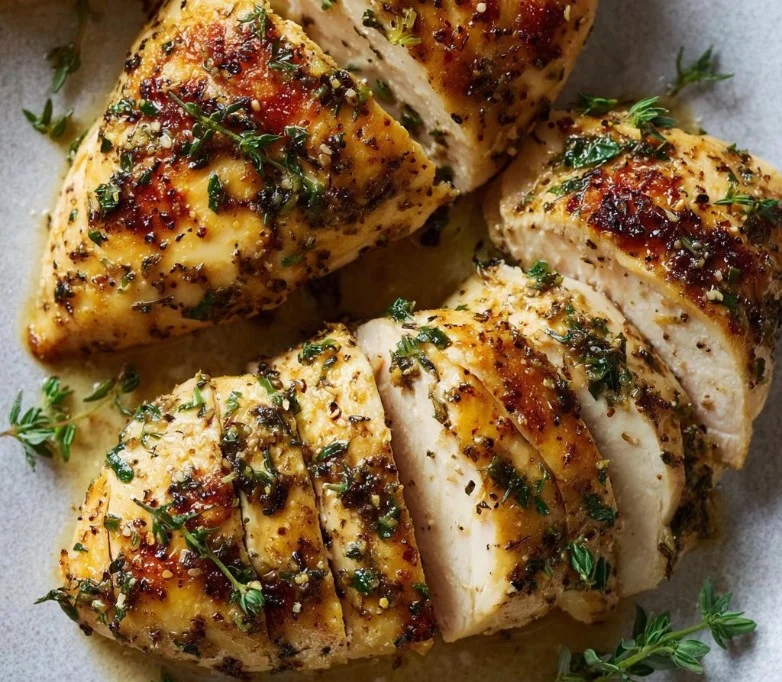
Irresistible Lemon Garlic Chicken
Ingredients
Method
- Pat the chicken dry and place in a shallow dish or zip-top bag.
- In a bowl, whisk together olive oil, lemon juice, lemon zest, minced garlic, Dijon mustard, thyme, rosemary, salt, and pepper until smooth.
- Pour half the marinade over the chicken, reserving the rest; rub the marinade into both sides of the chicken.
- Refrigerate for 20 to 60 minutes for better flavor infusion if time permits.
- Preheat the oven to 425°F (220°C) and line a rimmed baking sheet with foil.
- Arrange the chicken on the baking sheet, skinless side up, spaced apart.
- Roast for 18 to 22 minutes, checking at 16 minutes for doneness.
- Tent loosely with foil and rest for 5 to 8 minutes before serving, while warming the reserved marinade briefly in a pan.
- Heat 1 tablespoon of olive oil in a large skillet over medium-high heat.
- Pat the chicken dry again if needed, season lightly, and sear for 3 to 4 minutes per side until golden brown.
- Transfer the skillet to the preheated oven for 6 to 10 minutes until the internal temperature reaches 160°F (70°C). Alternatively, cover and finish cooking on the stovetop.
- Optionally, deglaze the pan with lemon juice and chicken stock after removing chicken for a quick pan sauce.
- Slice the chicken and serve over rice, with salad, or as a sandwich.
- Garnish with extra thyme leaves or lemon slices.