“Best Moist Banana Bread Recipe,” I laughed, telling my friend as I pulled a steaming loaf from the oven — and then handed her a slice. This recipe has been my go-to when the bananas start to look a little too brown on the counter: ripe bananas, a touch of brown and white sugar for depth and lift, plenty of butter, a little sour cream for silkiness, and a whisper of warm spices if you want them. I remember making it the first time for a chilly Sunday morning and everyone asked for the recipe. If you love comfort-baked treats, you might also enjoy this banana cream pie idea I experimented with recently: banana cream pie with a twist.
Why You’ll Love This Recipe
- Moist, tender crumb every time thanks to the sour cream and ripe bananas – it feels like a hug in bread form.
- Simple pantry ingredients with an approachable method that is friendly for bakers of all levels.
- Flavorful but not overpowering; the optional cinnamon, nutmeg, and cloves bring cozy aroma without stealing the show.
- Toasted nuts add a buttery crunch that balances the soft crumb and makes the loaf feel special.
- Emotional connection: it’s the loaf I turn to when I want to share comfort with neighbors, bring something to a potluck, or cheer up a gloomy morning.
Ingredients Needed
- 1/2 cup (1 stick) unsalted butter, softened to room temperature – creaming this well is the base of a light, fluffy batter.
- 1/2 cup packed brown sugar – adds molasses flavor and extra moisture.
- 1/2 cup granulated sugar – balances sweetness and helps with structure.
- 2 large eggs – room temperature eggs incorporate more easily for a uniform batter.
- 2 teaspoons vanilla extract – warms the overall flavor.
- 1 cup mashed very ripe banana (about 9 ounces, roughly 2 1/2 medium bananas) – ripe means browned skin and soft fruit for maximum sweetness and banana flavor.
- 1 cup all-purpose flour, spooned and leveled – provides the right balance of tenderness and structure.
- 1/2 cup old fashioned oats, blended into a powder – act as oat flour to add subtle nuttiness and texture without heaviness.
- 1 teaspoon baking soda – gives lift and reacts with the acidic elements.
- 1 1/2 teaspoons baking powder – extra lift and a light crumb.
- 3/4 teaspoon kosher salt – enhances all the flavors; use slightly less if using table salt.
- 1/2 cup sour cream – the secret to the consistently moist, tender crumb.
- Optional spices: 1/4 teaspoon ground cinnamon, 1/8 teaspoon ground nutmeg, 1/8 teaspoon ground cloves – add warm, autumnal notes.
- Optional mix-in: 1/2 to 3/4 cup toasted pecans or walnuts, chopped – for crunch and toasty flavor; toasting concentrates the nut flavor.
Ingredients & Equipment Notes (Optional)
- Oats: Use old fashioned rolled oats, not quick oats, for best texture when grinding into oat flour. A small blender or food processor makes quick work of this.
- Mashed bananas: Measure after mashing for accuracy; slightly more or less is okay. The batter tolerates some variance.
- Pan: A 9×5 inch loaf pan is standard. Lining with parchment makes removing and slicing easier.
- Thermometer: Not required but a digital thermometer reading ~205 to 210 F in the center indicates done if you prefer not to rely on a toothpick.
- Tools: Stand mixer or hand mixer for creaming, rubber spatula for scraping sides, whisk or fork for dry blending if you prefer.
Instructions – How to Make “Best Moist Banana Bread Recipe”
- Preheat and prepare the pan.
- Why it matters: Even oven heat ensures proper rise and baking. Preparing the pan prevents sticking and protects your loaf when removing it.
- What to do: Preheat your oven to 350 degrees F. Spray a 9×5 inch loaf pan with nonstick spray or line it with parchment paper.
- Visual cues: The oven will read a steady 350 F and the pan should be evenly coated or have a smooth parchment sling.
- Mini tip: I prefer using parchment so I can lift the bread out for easy slicing and better presentation.
- Toast the nuts, if using.
- Why it matters: Toasting nuts brings out oils and deepens their flavor so they stand out in the bread.
- What to do: Spread 1/2 to 3/4 cup chopped walnuts or pecans on a dry baking sheet and bake at 350 F for 5 to 7 minutes, stirring every 2 minutes.
- Visual cues: Nuts will turn golden and smell very fragrant.
- Mini tip: Set them aside to cool completely so they do not melt into the batter and make it greasy.
- Cream the butter and sugars.
- Why it matters: Proper creaming incorporates air which helps the loaf rise and gives a lighter crumb.
- What to do: In a large bowl or the bowl of a stand mixer, beat the softened butter until smooth. Add 1/2 cup packed brown sugar and 1/2 cup granulated sugar and beat for about 2 minutes until fluffy, scraping the sides and bottom of the bowl.
- Visual cues: The mixture should look paler and slightly airy.
- Mini tip: If your butter was cold, give it extra time to soften or briefly microwave at low power for 5-7 seconds to avoid overmixing.
- Add eggs and vanilla.
- Why it matters: Eggs provide structure and moisture; vanilla adds that classic baked good aroma.
- What to do: Add 2 large eggs and 2 teaspoons vanilla extract to the creamed butter and sugar. Beat until well incorporated, scraping the bowl.
- Visual cues: Batter will look smooth and homogenous.
- Mini tip: Add eggs one at a time if mixing by hand to ensure even incorporation.
- Mash the bananas.
- Why it matters: The mashed bananas give banana flavor and moisture; texture matters because big chunks can create uneven texture.
- What to do: In a small bowl, mash about 2 1/2 very ripe bananas with a fork or potato masher until smooth. This should measure about 1 cup.
- Visual cues: A uniform, slightly chunky banana mash with no large pieces.
- Mini tip: A little more or less banana is fine; more banana can make the loaf slightly denser but vẫn delicious.
- Combine banana with the wet mixture.
- Why it matters: Folding mashed banana in gently prevents overmixing the flour later.
- What to do: Add the mashed bananas to the butter and sugar mixture and stir until incorporated.
- Visual cues: Batter will darken and take on a soft banana scent.
- Mini tip: If the mixture looks slightly separated at first, keep mixing; it will come together.
- Add the dry flour.
- Why it matters: Adding flour last reduces gluten development, keeping the bread tender.
- What to do: Add 1 cup all-purpose flour to the bowl but do not stir yet. (If you prefer, mix the dry ingredients separately.)
- Visual cues: Flour will sit in pockets on top of the wet batter.
- Mini tip: Spoon and level the flour when measuring for accuracy.
- Make oat flour from rolled oats.
- Why it matters: Oat flour (from ground old fashioned oats) adds structure and a subtle nuttiness without heaviness.
- What to do: Place 1/2 cup old fashioned oats into a blender or food processor and blend until they form a fine powder. It can be a touch gritty and still be fine. Add the oat flour to the bowl.
- Visual cues: The oat flour should look paler and finer than the original oats.
- Mini tip: If you do not have a blender, pulse the oats longer or use quick oats as a last resort, but the texture will differ.
- Add the leaveners and salt.
- Why it matters: Even distribution of baking soda, baking powder, and salt ensures consistent rise and seasoning.
- What to do: Use a small spoon to stir 1 teaspoon baking soda, 1 1/2 teaspoons baking powder, and 3/4 teaspoon kosher salt into the flour so there are no clumps of salt or soda in the batter.
- Visual cues: Dry ingredients appear evenly speckled through the flour.
- Mini tip: If you prefer, whisk these together in a separate bowl for extra evenness.
- Add optional spices.
- Why it matters: Cinnamon, nutmeg, and cloves add warmth and depth but are optional if you prefer a purer banana flavor.
- What to do: Stir in 1/4 teaspoon cinnamon and 1/8 teaspoon each of nutmeg and cloves if using.
- Visual cues: You will notice a warm, spice-forward aroma when mixed.
- Mini tip: Start with cinnamon only if you are spice-shy; you can always add spices next time.
- Combine dry and wet ingredients.
- Why it matters: Gentle mixing keeps the loaf tender and avoids a tough crumb.
- What to do: Stir the dry ingredients into the wet ingredients until just incorporated, scraping the sides and bottom so there are no hidden streaks of flour.
- Visual cues: Batter will be smooth and consistent in color with no flour pockets.
- Mini tip: Stop mixing as soon as the flour disappears to prevent overdevelopment of gluten.
- Fold in the sour cream.
- Why it matters: Sour cream brings moisture and a slight tang that balances sweetness and keeps the loaf soft even the next day.
- What to do: Fold in 1/2 cup sour cream thoroughly but gently.
- Visual cues: The batter will become silkier and slightly denser.
- Mini tip: If your sour cream is cold, let it sit a few minutes to temper so it blends smoothly.
- Add nuts if using.
- Why it matters: Nuts provide textural contrast and nutty flavor.
- What to do: Fold in the toasted nuts now if you want them distributed throughout. Consider saving 1/4 cup to sprinkle on top before baking for a pretty finish.
- Visual cues: Nuts should be evenly dispersed and not clumped at the bottom.
- Mini tip: If you like big chunks, fold in gently; for smaller bites of nut, chop finer.
- Transfer batter to the prepared pan.
- Why it matters: A smooth top bakes more evenly and creates that classic loaf crack for testing doneness.
- What to do: Pour the batter into your prepared 9×5 loaf pan and smooth the top with a spatula.
- Visual cues: Batter should fill the pan almost to the top but not overflow.
- Mini tip: Tap the pan gently on the counter once to release any large air pockets.
- Bake and test for doneness.
- Why it matters: Correct baking ensures a moist center without raw batter.
- What to do: Bake at 350 F for 55 to 65 minutes. Start checking at 55 minutes. Use the toothpick test: insert a toothpick deep into the center, ideally into the crack on top; it should come out with no wet batter. Very moist crumbs are okay.
- Visual cues: The top will be nicely browned, and the edges may pull away slightly from the pan.
- Mini tip: If the top is browning too quickly, loosely tent with foil for the final 10 to 15 minutes.
- Cool before slicing.
- Why it matters: Cooling lets residual heat finish the crumb and prevents the loaf from being gummy when sliced.
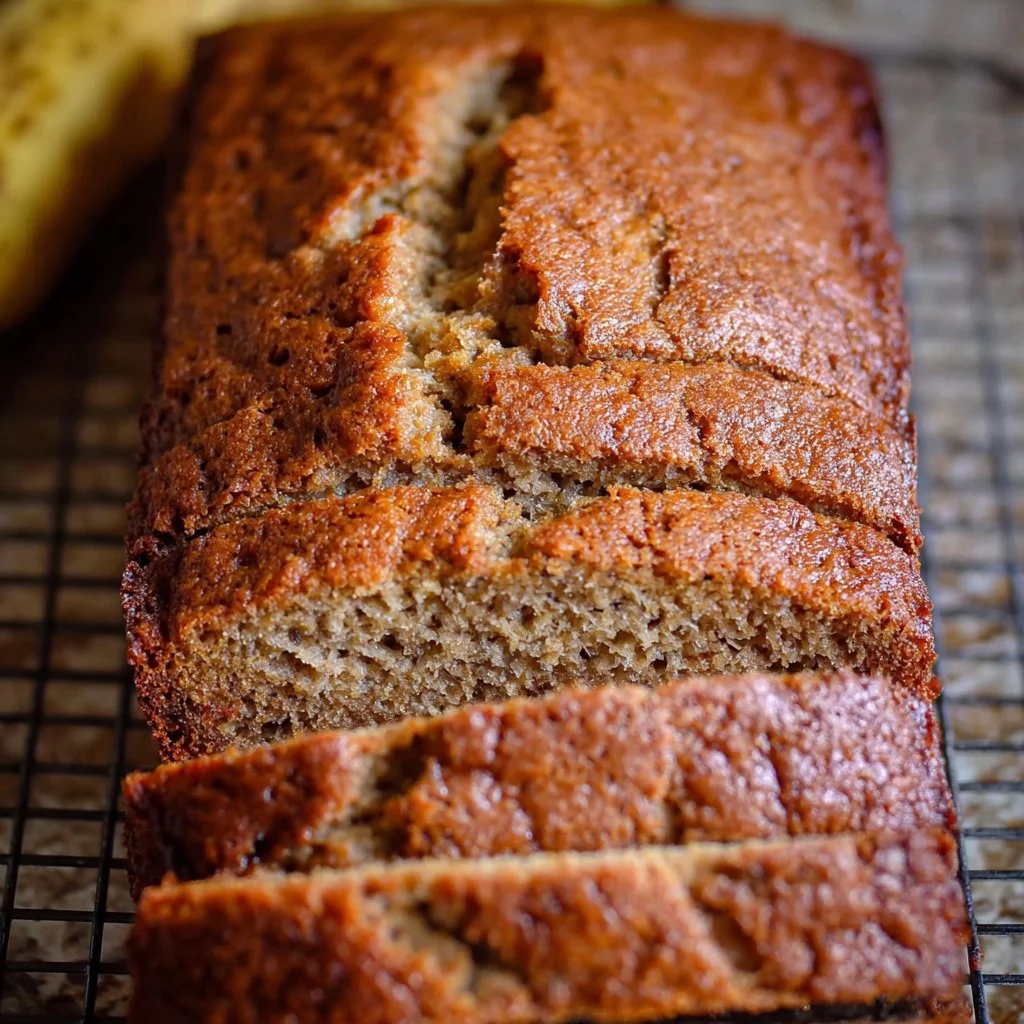
- What to do: Let the bread cool in the pan for about 10 to 20 minutes, then lift out on a cooling rack using the parchment sling if used. Allow to cool at least 20 minutes more before slicing.
- Visual cues: The loaf will look set and slice cleanly when cool.
- Mini tip: If you cannot wait, a warm slice with butter is heavenly, but the loaf slices neater when cooler.
- Store and freeze.
- Why it matters: Proper storage keeps the bread moist and extends shelf life.
- What to do: Store covered on the counter for up to 2 days. If there is leftover, refrigerate or freeze. For freezing, wrap the whole loaf in foil then place in a zip-top bag, or slice and individually wrap portions.
- Visual cues: A well-stored loaf keeps a fresh, slightly tacky surface but not wet.
- Mini tip: Thaw sealed slices on the counter and toast briefly to refresh texture.
(Next time you bake, if you want playful banana ideas, try my fun banana sushi snack for kids: banana sushi recipe.)
Serving Suggestions & Storage Tips
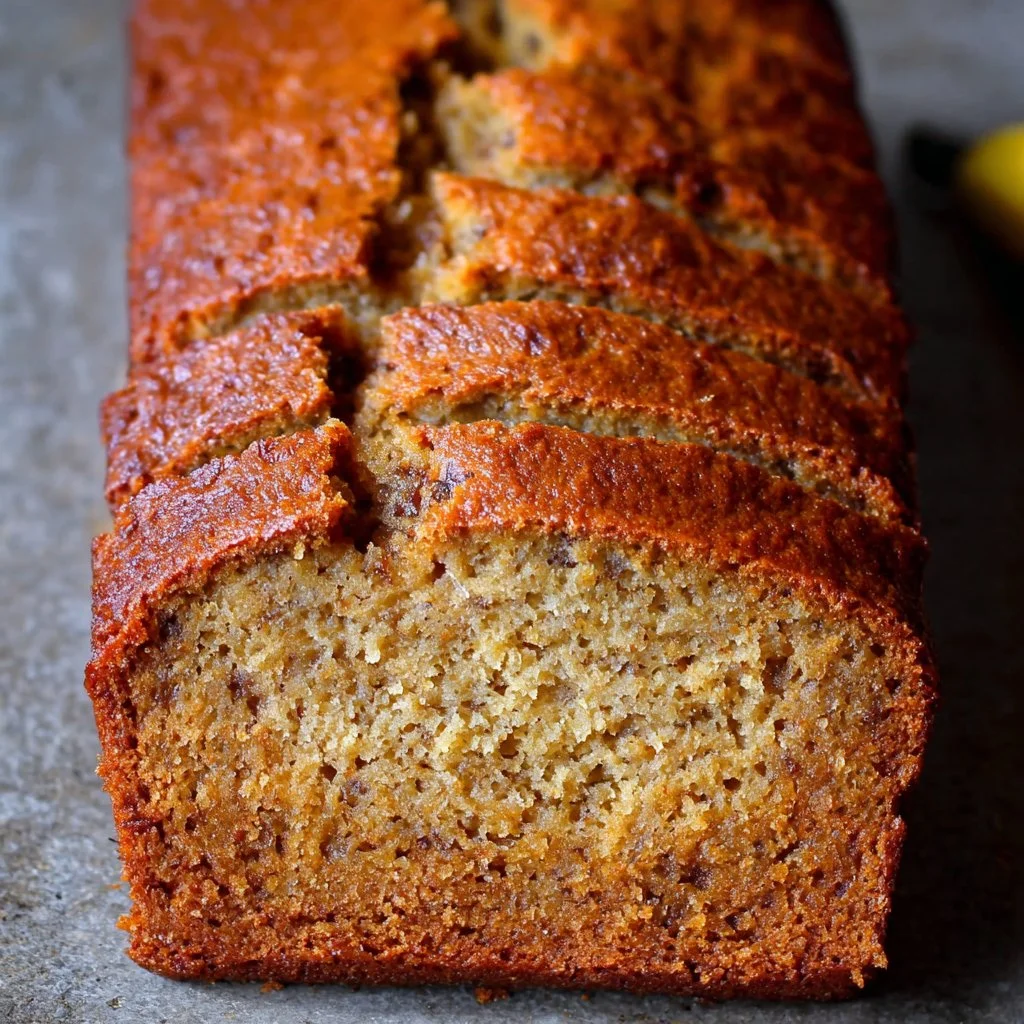
- Serving ideas: Serve slices plain for a simple snack, toasted with butter for breakfast, spread with cream cheese for a tangy contrast, or top a warm slice with toasted nuts and a drizzle of honey for dessert-style indulgence.
- Pairings: Pairs beautifully with coffee, chai, or a bright herbal tea. For a brunch spread, it complements scrambled eggs or yogurt parfaits.
- Storage: Keep covered on the counter for up to 2 days in a bread box or sealed container. After 2 days, refrigerate to extend life for another 3 to 4 days.
- Freezing: Wrap a whole loaf tightly in foil and place in a zip-top bag for up to 3 months. For quick portions, slice and wrap individual slices before freezing.
- Reheating: Thawed slices can be warmed in a toaster or toaster oven for 1 to 2 minutes to revive edges and texture. For a softer warm slice, microwave for 10 to 15 seconds, but watch out for overheating which can make it gummy.
- Travel and gifting: Wrap a cooled loaf in parchment and a ribbon for a neighborly gift. If sending long distances, flash-freeze slices and pack in an insulated container.
(If you love hearty baked goods with cornmeal as well, this cornbread will be a great savory contrast on your table: creole cornbread.)
Helpful Notes & Variations
- Substitutions:
- Butter: You can replace butter with an equal amount of neutral oil for a slightly different texture; the flavor will be less buttery but still moist.
- Sour cream: Plain Greek yogurt works as a direct swap for a slightly tangier profile.
- Oat flour: If you do not have oats, replace with an additional 1/2 cup all-purpose flour, but expect a subtle change in texture.
- Dietary adaptations:
- Gluten-free: Use a 1:1 gluten-free all-purpose flour blend and ensure your oats are certified gluten-free. Texture will be slightly different but still tasty.
- Lower sugar: Reduce granulated sugar to 1/3 cup if you prefer less sweetness; the banana sweetness helps compensate.
- Dairy-free: Use a vegan butter alternative and dairy-free yogurt or sour cream substitute.
- Flavor add-ins:
- Chocolate chips: Fold in 1/2 cup semisweet chips for a dessert-style loaf.
- Dried fruit: 1/2 cup chopped dried pineapple or cherries can offer bright pops of flavor.
- Citrus twist: Add 1 teaspoon orange zest to the batter for a subtle citrus lift.
- Common mistakes and how to avoid them:
- Overmixing: Stir until dry ingredients are just incorporated. Overmixing yields a tough loaf.
- Underbaking: Use the toothpick test and look for a nicely browned top that pulls slightly from the pan.
- Using underripe bananas: You need those brown spots. Underripe bananas lack sweetness and moisture, making the loaf less banana-forward and drier.
- Skipping the sour cream: This ingredient is key to the tender, moist crumb; if omitted, consider adding a tablespoon of oil to compensate.
(For a savory main to pair with your banana bread breakfast spread, this smothered chicken recipe is a comforting option: best smothered chicken and rice.)
Conclusion
This loaf stands out because it balances simplicity and consistently excellent results: ripe bananas and sour cream create a tender, moist crumb while a combination of brown and white sugar gives depth without heaviness. Optional toasted nuts and warm spices let you adapt the loaf to your mood, and the method is approachable for bakers of every level. If you want a visual guide to technique and timing, check out this helpful video demonstration: Moist Banana Bread Recipe (VIDEO) – NatashasKitchen.com, and for another well-loved take on a moist banana loaf with extra tips, see The Ultimate Moist Banana Bread – Design Eat Repeat.
Frequently Asked Questions
Can I make this recipe ahead of time?
Yes. You can bake the loaf a day ahead and keep it tightly wrapped at room temperature for up to 2 days. If you need to prepare in advance for longer storage, fully cool the loaf, wrap it tightly in foil, and freeze for up to 3 months. Thaw sealed slices on the counter or warm briefly in the toaster.
How should I store leftovers and how long do they last?
Store covered on the counter for up to 2 days in an airtight container or wrapped in plastic wrap. After 2 days, move the loaf to the refrigerator where it will keep for another 3 to 4 days. For longer storage, freeze slices or a whole loaf for up to 3 months.
What is the best way to reheat or serve this recipe after storage?
For a fresh-from-the-oven feel, toast frozen or refrigerated slices for 1 to 2 minutes. To warm a single slice gently, microwave for 10 to 15 seconds, but be careful not to overheat or you will end up with a gummy texture. For a dessert touch, serve warm slices with a smear of butter or cream cheese and a drizzle of honey.
Can I adjust or substitute ingredients to fit my preferences?
Absolutely. Swap sour cream with plain Greek yogurt, replace some or all flour with a gluten-free 1:1 blend, or use oil instead of butter for a different crumb. Reduce sugars for a less sweet loaf, or add mix-ins like chocolate chips, dried fruit, or spices to customize the flavor.
Do you have tips to ensure the best texture and flavor every time?
- Use very ripe bananas for maximum flavor and moisture.
- Cream the butter and sugars until light and fluffy to incorporate air.
- Measure flour by spooning into the cup and leveling it rather than scooping.
- Do not overmix after adding dry ingredients; stop when just combined.
- Check for doneness with a toothpick inserted into the center; moist crumbs are fine but avoid wet batter.
- Cool before slicing when possible to let the crumb set.
Enjoy baking this loaf and sharing warm slices with friends and family. If you try a variation you love, I would love to hear about it.
Moist Banana Bread
Ingredients
Method
- Preheat your oven to 350 degrees F. Spray a 9x5 inch loaf pan with nonstick spray or line it with parchment paper.
- Spread chopped walnuts or pecans on a dry baking sheet and bake at 350 F for 5 to 7 minutes, stirring every 2 minutes.
- In a large bowl or the bowl of a stand mixer, beat the softened butter until smooth. Add brown sugar and granulated sugar and beat for about 2 minutes until fluffy, scraping the sides and bottom of the bowl.
- Add eggs and vanilla extract to the creamed butter and sugar. Beat until well incorporated.
- In a small bowl, mash the bananas until smooth. This should measure about 1 cup.
- Add the mashed bananas to the butter and sugar mixture and stir until incorporated.
- Add all-purpose flour to the bowl but do not stir yet.
- Place rolled oats into a blender or food processor and blend until they form a fine powder. Add the oat flour to the bowl.
- Stir baking soda, baking powder, and kosher salt into the flour.
- Stir in optional spices if using.
- Stir the dry ingredients into the wet ingredients until just incorporated.
- Fold in sour cream gently.
- Fold in toasted nuts if using.
- Pour the batter into your prepared loaf pan and smooth the top with a spatula.
- Bake at 350 F for 55 to 65 minutes. Start checking at 55 minutes using the toothpick test.
- Let the bread cool in the pan for about 10 to 20 minutes. Then lift out on a cooling rack. Allow to cool at least 20 minutes more before slicing.