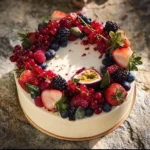
There’s something undeniably joyful about a strawberry-scented kitchen on a sunny afternoon — the aroma, the bright color, the way a simple slice can taste like the season itself. This Delicious Strawberry Cake with Edible Flowers is a celebration of spring and early summer produce: juicy strawberries folded into a tender, vanilla-scented cake and finished with delicate edible flowers for an elegant, homemade touch. It’s light enough for a garden brunch, show-stopping for a birthday, and approachable enough for a weekday baking session. If you love seasonal baking (and you enjoy beautiful presentation), this recipe will quickly become a favorite — and you might even pair it with one of my other savory brunch ideas like the satisfying breakfast enchiladas for a complete weekend spread.
Ingredients & Equipment
Ingredients
- 2 1/2 cups (315 g) all-purpose flour
- 2 tsp baking powder
- 1/2 tsp fine sea salt
- 1 cup (225 g) unsalted butter, room temperature
- 1 1/2 cups (300 g) granulated sugar
- 3 large eggs, room temperature
- 2 tsp pure vanilla extract
- 1/2 cup (120 ml) whole milk, room temperature
- 1/2 cup (120 ml) sour cream or plain Greek yogurt
- 1 cup (about 150–170 g) fresh strawberries, chopped small (reserve a few for garnish)
- Zest of 1 lemon (optional — brightens flavor)
- 1–2 tbsp cornstarch (optional, for macerated strawberries)
- Pinch of finely grated nutmeg (optional)
For the frosting/glaze and decoration
- 2 cups (240 g) confectioners’ sugar
- 4–6 tbsp heavy cream or milk
- 1 tsp vanilla extract or 1 tbsp strawberry purée for flavor and color
- Assorted edible flowers (pansies, nasturtiums, violets, calendula — pesticide-free)
- Fresh mint leaves (optional)
Equipment
- Two 8-inch (20 cm) round cake pans or one 9×13 pan
- Mixing bowls (large and medium)
- Electric mixer or sturdy whisk
- Rubber spatula
- Measuring cups and spoons
- Cooling rack
- Fine mesh sieve (for powdered sugar if needed)
- Optional helpful tools: food processor or blender (for puréeing strawberries), offset spatula for frosting, kitchen thermometer for batter (not required), digital scale for baking precision
Notes
- If you prefer a lighter crumb, substitute 1/2 cup of flour with cake flour.
- Make sure strawberries are dry (pat them) before folding in; excess juice can weigh down the batter.
- Edible flowers should be sourced from a reputable supplier or your own garden (never use flowers treated with pesticides).
For inspiration on floral pairings and a lemon-lavender twist to try another day, you might enjoy the flavor balance in these mini lemon cakes with lavender glaze.
Step-by-Step Instructions (with tips)
Prep and oven
- Preheat your oven to 350°F (175°C). Grease and line two 8-inch cake pans with parchment, or prepare a 9×13 pan. Allow ingredients (butter, eggs, milk) to come to room temperature for best texture.
Dry ingredients
2. In a medium bowl, whisk together the flour, baking powder, salt, and nutmeg (if using). Sifting is optional but helps create a lighter cake.
Strawberry prep — two ways (variation)
3a. Fresh, raw (macerated): Chop 1 cup of strawberries into small pieces and toss with 1 tsp sugar and 1 tbsp lemon juice. Let sit 15–20 minutes to macerate. If very juicy, toss lightly with 1 tbsp cornstarch to absorb excess liquid.
3b. Roasted: Halve or quarter strawberries, toss with 1–2 tsp sugar and roast at 375°F (190°C) for 12–15 minutes until jammy. Cool to room temperature before folding in. Roasting concentrates flavor and reduces moisture — great in a denser cake.
Creaming and batter
4. In a large bowl, cream the room-temperature butter and granulated sugar on medium-high speed until pale and fluffy, about 3–4 minutes. Scrape the bowl as needed.
5. Add eggs one at a time, beating well after each addition. Mix in vanilla extract and lemon zest.
6. With the mixer on low, add the dry ingredients and the milk/sour cream in three alternating additions (flour, milk, flour), beginning and ending with flour. Mix just until incorporated — overmixing develops gluten and makes the cake tough.
7. Gently fold in the prepared strawberries with a rubber spatula. If you used roasted strawberries, they’ll be slightly jammy — fold carefully to avoid streaking the batter too much if you want a marbled look.
Baking
8. Divide batter evenly between prepared pans (or pour into 9×13 pan) and smooth the top. Bake for 22–28 minutes for 8-inch pans, or 30–35 minutes for 9×13, until a toothpick inserted in the center comes out with a few moist crumbs (not wet batter). If you like, check an internal temperature of about 205°F (96°C) for a fully set crumb.
9. Cool cakes in the pans for 10 minutes, then invert onto a cooling rack and cool completely before frosting.
Frosting and decorating
10. For a simple glaze: whisk 2 cups confectioners’ sugar with 4–6 tbsp cream or milk and 1 tsp vanilla or 1 tbsp strawberry purée until pourable. Drizzle over cooled cake.
11. For buttercream: beat 1 cup (225 g) softened butter until creamy, gradually mix in 3–4 cups powdered sugar, 1–2 tbsp milk, and vanilla until light and fluffy. Fold in a few tablespoons of strawberry purée for color and flavor.
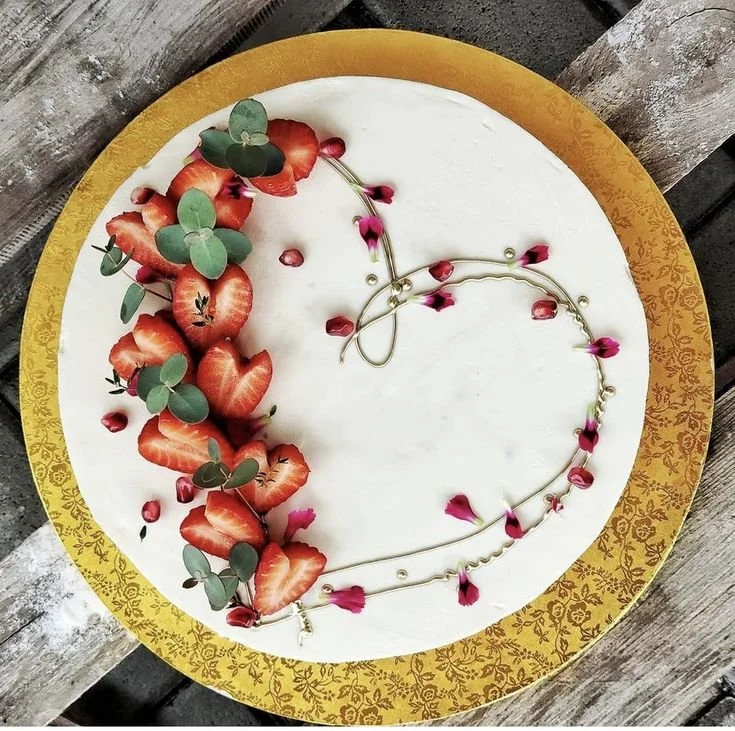
12. Arrange reserved fresh strawberries and edible flowers on top. Keep flowers sparse and intentionally placed for a natural, garden look. Add mint leaves for contrast if desired.
Tips and variations
- Add a layer of strawberry preserves between cake layers for extra fruit layer.
- For a lighter sponge, fold in 2 whipped egg whites gently at the end.
- Swap half the milk for buttermilk for a tender, tangy crumb.
- To intensify strawberry flavor, stir a tablespoon of freeze-dried strawberry powder into the sugar before creaming.
For technique inspiration and troubleshooting with cakes that have richer batters, you might compare methods used in a dense dessert like this guinness chocolate cake with Irish buttercream to adapt mixing times and baking cues.
Storage, Freezing & Make-Ahead Tips
Short-term storage
- Store leftover slices or a frosted cake covered loosely with a cake dome or plastic wrap at cool room temperature for up to 24 hours. After that, refrigerate to preserve the fresh strawberries and flowers.
- If the cake is unfrosted, wrap tightly in plastic wrap and keep at room temperature for up to 2 days.
Refrigeration
- A frosted cake with dairy-based buttercream will keep in the refrigerator for 3–4 days. Tightly cover with plastic wrap or store in an airtight container to prevent drying.
- Note: refrigeration can slightly firm the crumb; bring slices to room temperature for 20–30 minutes before serving for the best texture and aroma.
Freezing
- Unfrosted cake layers: Wrap tightly in plastic wrap and then foil or an airtight container, freeze up to 2 months. Thaw in the refrigerator overnight and bring to room temperature before frosting.
- Individual slices: Flash-freeze on a baking sheet, then transfer to a zip-top bag with parchment between slices. Freeze up to 1 month for best quality.
- Frosted cake: Freezing a decorated cake is possible but delicate because edible flowers may not survive the thaw. If you plan to freeze a decorated cake, remove flowers first, freeze, then refrost and redecorate after thawing.
Make-ahead strategy
- Bake layers a day ahead and keep them wrapped at room temperature; prepare frosting the same day or refrigerate and re-whip briefly before spreading.
- Prepare a floral simple syrup (infuse sugar syrup with edible flowers) to brush on layers for extra moisture — this can be made ahead and kept refrigerated for up to a week.
Portioning advice
- For a casual gathering, an 8-inch two-layer cake serves 10–12; a 9×13 pan serves 12–15. For smaller portions, cut thinner slices or serve as part of a dessert sampler.
How to Use / Serve This Dish
Serving ideas
- Brunch centerpiece: Serve slices alongside a bowl of mixed berries, Greek yogurt, and granola for a light brunch.
- Tea-time treat: Pair with Earl Grey or chamomile tea and a small plate of shortbread.
- Celebration cake: Pipe a simple vanilla buttercream border and scatter edible flowers for a rustic wedding shower or birthday.
Pairings
- Beverage: Sparkling rosé, a chilled Moscato, or a strawberry-lemon iced tea complements the cake’s bright fruit notes.
- Sides: A scoop of vanilla bean ice cream or a dollop of whipped cream plays nicely with the texture. For an unexpected savory contrast, serve with lightly salted prosciutto and a salad of peppery arugula for a small-plate dessert spread.
- Creative variations: Turn this into cupcakes: bake in lined muffin tins for 16–18 cupcakes at 18–20 minutes and top each with a tiny edible flower. Use toasted almond slices sprinkled on top for crunch.
Presentation tips
- Keep edible flowers minimal and strategically placed — less is more. Tuck small flowers into a frosting ridge or place a single blossom on each serving.
- Use a light dusting of powdered sugar across the top for a fresh, dewy look — but do this just before serving so it doesn’t melt.
For ideas on meal prep or portioning outside of desserts, refer to helpful strategies like these meal prep and portioning ideas that translate well to making multiple cake sizes or prepping ahead.
FAQ
Q: Can I use frozen strawberries instead of fresh?
A: Yes, but with care. Thaw and drain frozen strawberries thoroughly, then pat dry and optionally toss with 1 tbsp cornstarch to absorb excess moisture. Roasted fresh or macerated fresh strawberries usually give the best texture and flavor, but frozen can work in a pinch.
Q: Are all flowers edible? Which are safest?
A: Not all flowers are edible. Safe, commonly used edible flowers include pansies, violas, nasturtiums, calendula, and borage. Always source flowers labeled edible or grow your own without pesticides. Avoid flowers from florists or supermarkets unless they are labeled safe for consumption.
Q: How can I prevent the strawberries from sinking to the bottom?
A: Lightly toss chopped strawberries in 1 tsp flour or cornstarch before folding into the batter; that helps suspend them. Also, fold gently and avoid overmixing. Using smaller pieces of fruit reduces sinking risk.
Q: Can I make this cake gluten-free or dairy-free?
A: Yes. For gluten-free, substitute a 1:1 gluten-free flour blend and check for added xanthan gum; baking times are similar but check doneness early. For dairy-free, use a plant-based butter and a dairy-free yogurt or milk; the texture will be slightly different but still delicious.
Conclusion
This Delicious Strawberry Cake with Edible Flowers is a simple way to capture the season — sweet, fragrant strawberries folded into a tender cake and brightened with floral accents. It’s forgiving enough for home bakers while offering creative room for swaps like roasted strawberries, a lemony glaze, or a floral simple syrup to brush between layers. If you want a custard-forward strawberry idea to serve alongside or to borrow flavor inspiration from, try the lovely strawberry custard trifles shared by Strawberry Lemon Custard Trifles – Boulder Locavore, and for techniques on floral syrups and cupcake decorating, this guide to edible flower syrups is a gentle how-to: Edible Flower Simple Syrup and Cupcakes – Tribeca Yummy Mummy.
I hope this recipe inspires you to bake with the season — try it, share a slice with a neighbor, and don’t forget to snap a photo of your flower-topped creation. If you make it, I’d love to hear how you styled or flavored your cake!
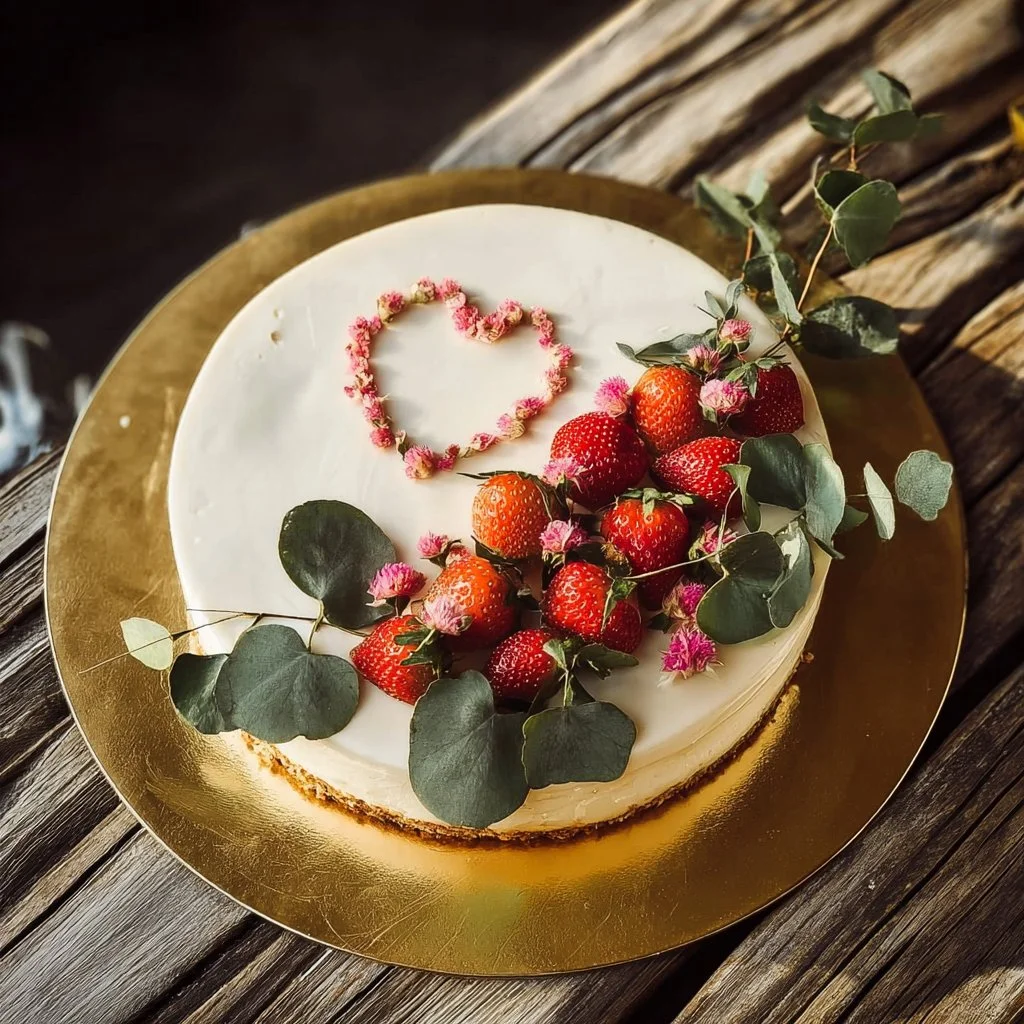
Strawberry Cake with Edible Flowers
Ingredients
Method
- Preheat your oven to 350°F (175°C). Grease and line two 8-inch cake pans with parchment, or prepare a 9x13 pan.
- Allow ingredients (butter, eggs, milk) to come to room temperature for best texture.
- In a medium bowl, whisk together the flour, baking powder, salt, and nutmeg (if using). Sifting is optional but helps create a lighter cake.
- For Fresh, Raw (Macerated): Chop 1 cup of strawberries into small pieces and toss with 1 tsp sugar and 1 tbsp lemon juice. Let sit for 15–20 minutes to macerate.
- For Roasted: Halve or quarter strawberries, toss with 1–2 tsp sugar and roast at 375°F (190°C) for 12–15 minutes until jammy. Cool to room temperature before folding in.
- In a large bowl, cream the room-temperature butter and granulated sugar on medium-high speed until pale and fluffy, about 3–4 minutes. Scrape the bowl as needed.
- Add eggs one at a time, beating well after each addition. Mix in vanilla extract and lemon zest.
- With the mixer on low, add the dry ingredients and the milk/sour cream in three alternating additions (flour, milk, flour), beginning and ending with flour. Mix just until incorporated.
- Gently fold in prepared strawberries with a rubber spatula.
- Divide the batter evenly between prepared pans (or pour into 9x13 pan) and smooth the top.
- Bake for 22–28 minutes for 8-inch pans, or 30–35 minutes for 9x13, until a toothpick inserted in the center comes out with a few moist crumbs.
- Cool cakes in the pans for 10 minutes, then invert onto a cooling rack and cool completely before frosting.
- For a simple glaze: whisk 2 cups confectioners’ sugar with 4–6 tbsp cream or milk and 1 tsp vanilla or 1 tbsp strawberry purée until pourable. Drizzle over cooled cake.
- For buttercream: beat 1 cup softened butter until creamy, gradually mix in 3–4 cups powdered sugar, 1–2 tbsp milk, and vanilla until light and fluffy.
- Fold in a few tablespoons of strawberry purée for color and flavor. Arrange reserved strawberries and edible flowers on top.