There’s something delightfully nostalgic about homemade meringue cookies — light, airy, and just sweet enough to make an afternoon feel special. Easy Jello Meringue Cookies take that classic meringue magic and add a playful burst of flavor and color using flavored gelatin as the main ingredient, which makes them especially fun for seasonal baking: think pastel fruit flavors for spring, bright citrus for summer, or cozy spice blends at the holidays. If you enjoy simple, from-scratch treats that feel a little whimsical, this recipe is worth trying. For more easy home-cooking inspiration that pairs well with quick desserts like these, see this collection of 24 easy weeknight dinners to plan a cozy menu around your baking day.
Ingredients & Equipment
Ingredients
- 3 large egg whites, at room temperature (about 90 g)
- 3/4 cup (150 g) granulated sugar
- 2 tablespoons flavored powdered gelatin (one 0.3 oz envelope or about 12 g) — choose any Jell-O flavor you love (strawberry, raspberry, lemon, or lime work beautifully)
- 1/4 teaspoon cream of tartar (or 1/2 teaspoon lemon juice or white vinegar)
- 1/2 teaspoon vanilla extract (optional; for a rounded flavor)
- Pinch of fine sea salt
Notes on ingredients:
- Using room-temperature egg whites helps them whip up to a higher volume. If you forget to bring eggs to room temp, set them in a bowl of warm water for 5–10 minutes.
- Powdered gelatin (flavored) adds both color and flavor; you can mix flavors for fun combos (e.g., lemon + raspberry).
- For a glossy finish, superfine sugar is excellent; if using granulated sugar, allow it to dissolve fully while whipping.
Equipment
- Stand mixer with whisk attachment or electric hand mixer
- Mixing bowls — metal or glass are best (no plastic)
- Baking sheets (2) lined with parchment paper or a silicone baking mat
- Piping bag with round or star tip (or a zip-top bag with the corner snipped)
- Spatula, measuring cups and spoons
- Oven thermometer (helpful to ensure accurate oven temperature)
- Cooling rack
Helpful tools:
- A stand mixer speeds this up and gives the most stable meringue, but a good electric hand mixer works too.
- A baking tray and parchment are essential for even baking and easy cleanup.
- If you like consistent sizes, a small cookie scoop can be used instead of piping.
For a delightful cookie variation inspired by boozy baked goods, you might enjoy recipes like these Baileys Irish Cream cookies if you’re planning an adult dessert spread.
Step-by-Step Instructions (with tips)
Overview: We’ll whip egg whites with cream of tartar and sugar, fold in the flavored gelatin, pipe or spoon the meringues, and bake them low and slow until crisp. Read through first so you know where the rhythm changes — the whole process is relaxing once you get started.
- Prep the oven and pans
- Preheat oven to 200°F (95°C). For crisp meringues, a low oven and slow dry-out time is key.
- Line two baking sheets with parchment paper or silicone mats.
Tip: Use an oven thermometer to verify the temperature; many ovens run hot and that will brown meringues instead of drying them.
- Separate the eggs
- Carefully separate 3 large eggs while cold (it’s easier), then let whites come to room temperature about 20–30 minutes.
Tip: Use an egg separator or the shell-to-shell method into a clean, dry bowl. Any grease or yolk in the whites will prevent proper whipping.
- Begin whipping
- In the bowl of a stand mixer (or large bowl for a hand mixer), add egg whites and 1/4 teaspoon cream of tartar. Beat on medium speed until soft peaks form.
Kitchen variation: If you prefer a more stable meringue for humid climates, increase cream of tartar to 1/2 teaspoon or add a sprinkle of cornstarch (1/8 teaspoon).
- Add sugar gradually
- With the mixer on medium-high, add the granulated sugar one tablespoon at a time, allowing each addition to incorporate and dissolve before adding the next.
- Continue to beat to glossy stiff peaks (when you lift the whisk, peaks should stand tall and not fold over).
Tip: Rub a bit of the meringue between your fingers — it should feel smooth, not grainy. If you feel sugar grains, keep beating.
- Fold in flavor
- Sprinkle the flavored gelatin powder over the whipped meringue. Gently fold it in with a spatula until uniformly colored — be careful not to deflate the whites.
- Add vanilla extract and a pinch of salt during this stage if using.
Flavor suggestion: Try lemon gelatin plus a few drops of lemon zest for bright citrus; for berry notes, blend raspberry and strawberry gelatin packets.
- Pipe or spoon
- Transfer mixture to a piping bag fitted with a round or star tip (or a zip-top bag with a corner cut). Pipe small mounds (about 1 to 1.5 inches across) onto the prepared baking sheets, leaving about 1 inch between each.
- Alternatively, drop by teaspoonfuls for a more rustic look.
Tip: For perfectly uniform cookies, use a small cookie scoop or mark the parchment below with a pencil to guide spacing (erase marks after baking).
- Bake low and slow
- Bake at 200°F (95°C) for 90–120 minutes, depending on size. Meringues should be dry and lift easily from parchment when done.
- If your oven has hot spots or you want extra-even drying, rotate the baking sheets halfway through.
Kitchen note: You can dry them longer at 175–185°F (80–85°C) if your oven can’t maintain lower temps. Avoid browning — if they color, the oven is too hot.
- Cool and store
- Turn off the oven and allow meringues to cool inside for about an hour with the door slightly ajar — this helps them finish drying without cracking from a sudden temperature change.
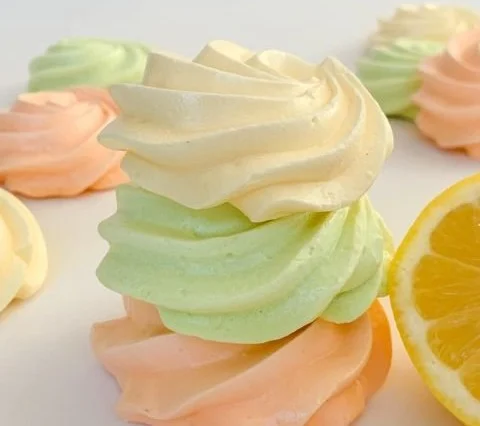
- Once completely cool, transfer to an airtight container with parchment layers between layers if stacking.
Variations & additional tips
- Color and swirl: Divide the meringue into small bowls and tint with gel food coloring or different flavored gelatin powders; spoon back into one bag for a marbled look.
- Chocolate-dipped: After drying, dip bottoms into melted chocolate and let set for a fancier finish.
- Flavor swaps: Use sugar-free gelatin for a lower-sugar option (note that sweetness and texture may be affected).
- Roasting vs boiling (flavor twist): If adding fruit puree to the meringue as a fresh-flavor accent, roast berries briefly to concentrate flavor, or simmer (boil gently) fruit into a jam to swirl in — but be careful: any added liquid drastically affects meringue stability. For best results, use reduced, strained fruit reductions (small amounts) or powdered freeze-dried fruit folded in.
Storage, Freezing & Make-Ahead Tips
Storing
- Room temperature: Store meringues in an airtight container at room temperature for up to 2 weeks. Keep them in a cool, dry place away from humidity.
- Avoid refrigeration: Refrigerators add moisture and will make meringues chewy or sticky.
Freezing
- Freeze for longer storage: Place fully dried and cooled meringues in a single layer on a baking sheet and freeze for 1 hour. Then transfer to an airtight, freezer-safe container with parchment layers. They keep well for up to 2 months.
- Thawing: Bring to room temperature inside the sealed container to prevent condensation from forming on the meringues as they warm.
Make-ahead
- Bake the meringues a few days in advance for parties — they keep beautifully and can be colored to match seasonal themes.
- Portioning: If you want to plate ahead, use small cupcake liners to separate flavors or easy transport.
Pairing tip: These cookies are a lovely light sweet to finish a meal; if you enjoy seasonal soups and make-ahead dishes, consider a cozy pairing menu that includes this airy dessert alongside a comforting bowl like this broccoli cheese soup for a seasonal lunch or casual dinner.
How to Use / Serve This Dish
Simple serving ideas
- Tea time: Serve 2–3 meringues on a small plate with a pot of hot tea or coffee for a light afternoon treat.
- Dessert plates: Pair with a scoop of vanilla ice cream, fresh berries, and a drizzle of berry coulis for an elegant dessert.
- Party favors: Package a few in clear cello bags tied with a ribbon for a charming take-home gift.
Creative pairings and plating
- Sandwich-style cookies: Spread a thin layer of buttercream, lemon curd, or chocolate ganache between two meringues for a delicate sandwich cookie.
- Pavlova topping: Break larger meringues and use chunks atop a pavlova shell or individual dessert cups with whipped cream and fresh fruit.
- Cocktail pairing: Bright, citrus-y Jello meringues pair delightfully with sparkling wine or a light gin cocktail; for adult gatherings, create a dessert-and-apertif pairing tray.
Serve suggestions for holidays and seasons
- Spring: Pastel strawberry and lemon flavors look lovely, accented with edible flowers or candied citrus peel.
- Summer: Use tropical gelatin flavors and serve with fresh mango or pineapple for a breezy feel.
- Fall/Winter: Spice up the meringues with a pinch of cinnamon or nutmeg in the gelatin mix and finish with a dusting of cocoa or cinnamon sugar. If you like mint-chocolate combos, pair them alongside other cookies such as chocolate mint Oreo cookies for a dessert board.
FAQ
Q: Can I use powdered gelatin that isn’t flavored (plain unflavored) and add my own flavor?
A: Yes. If using plain gelatin, dissolve it into a small amount of hot water with sugar and let cool slightly before folding a tiny amount into the meringue for color/flavor — but avoid adding much liquid. A safer substitution is to use freeze-dried fruit powders or powdered instant drink mixes that are dry and won’t add moisture.
Q: How long will these meringue cookies keep at room temperature?
A: Stored airtight in a cool, dry place, they will stay crisp and fresh for up to two weeks. Humidity shortens shelf life considerably; on humid days, they may become chewy within 24–48 hours.
Q: Can I make these without a mixer?
A: A stand or hand mixer is strongly recommended to achieve the necessary volume and stiffness in the egg whites. Whipping by hand is possible with a large whisk, but it’s very labor-intensive and difficult to reach the same glossy stiff peaks.
Q: What if my meringues cracked or browned?
A: Browning indicates the oven was too hot — lower the temperature and dry them longer next time. Cracking can be caused by rapid temperature changes; allow meringues to cool slowly in the turned-off oven with the door slightly ajar.
Conclusion
Easy Jello Meringue Cookies are a cheerful, seasonal take on a classic confection — light as a cloud, customizable by flavor and color, and perfect for gifting, dessert boards, or a delicate finish to a cozy meal. They’re accessible for home bakers and fun to tailor for holidays or seasonal gatherings. If you’d like to compare other takes on this idea or seek inspiration from a dedicated meringue-focused blog, check out this detailed take on Jell-O Meringue Cookies – Mind Over Batter for variations. For another straightforward recipe walkthrough and photos, this recipe for Easy Jello Meringue Cookies – Daily Dish Recipes has helpful visuals that pair well with the tips here.
I hope you’ll try this recipe and make it your own — switch flavors, dip them in chocolate, or dress them up for a special occasion. If you bake a batch, I’d love to hear how they turned out or how you flavored them — share your favorite combinations and photos with friends and family, and spread the joy of simple, from-scratch baking.
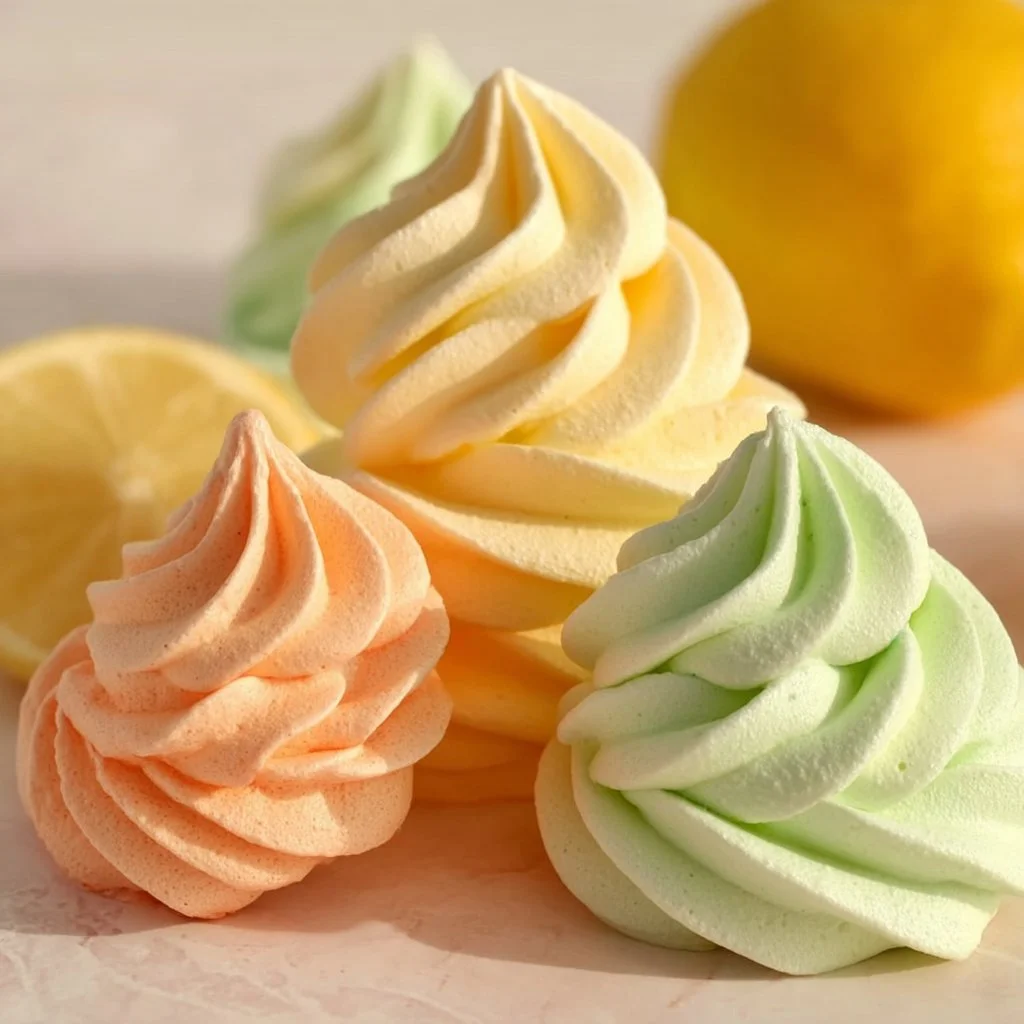
Easy Jello Meringue Cookies
Ingredients
Method
- Preheat oven to 200°F (95°C) and line two baking sheets with parchment paper or silicone mats.
- Separate egg whites, letting them come to room temperature for 20–30 minutes.
- In a stand mixer, beat egg whites with cream of tartar until soft peaks form.
- Gradually add sugar, one tablespoon at a time, until glossy stiff peaks form.
- Fold in flavored gelatin gently without deflating the meringue.
- Transfer mixture to a piping bag and pipe small mounds onto prepared baking sheets.
- Bake for 90–120 minutes until meringues are dry and lift easily from parchment.
- Turn off the oven, leaving the cookies to cool inside for about an hour.
- Store in an airtight container at room temperature for up to 2 weeks.