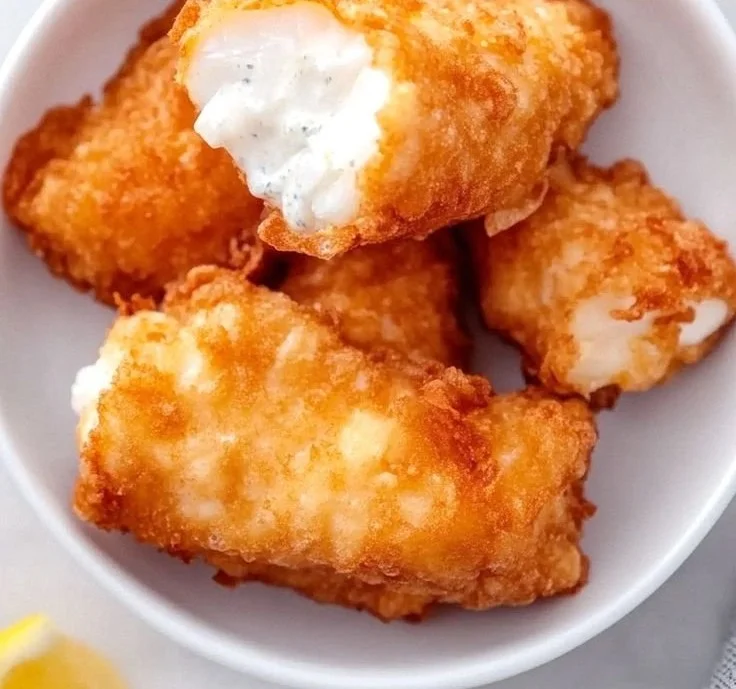
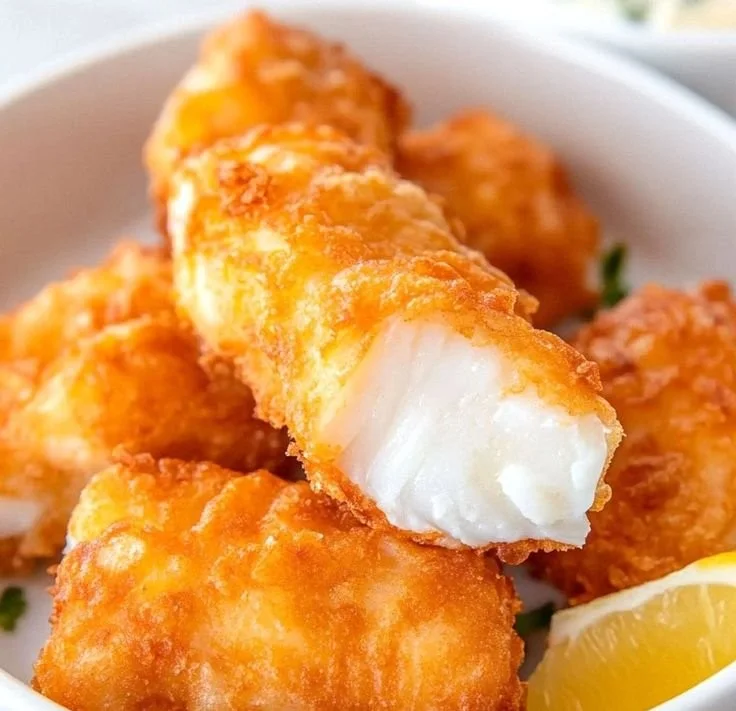
There’s something undeniably comforting about a plate of golden, crispy fish — and Delicious Beer Battered Halibut delivers exactly that. Fresh seasonal halibut has a firm, flaky texture that stands up beautifully to a light, airy beer batter, making it a perfect centerpiece for family dinners, weekend gatherings, or an indulgent weeknight treat. If you love scratch-made recipes that feel both homey and a little celebratory, this beer-battered halibut is worth trying. And if you enjoy hearty, from-scratch dishes like a cozy casserole, you might also appreciate the easy, satisfying comfort of this cowboy casserole for another house-favorite night.
Ingredients & Equipment
Ingredients
- 2 halibut fillets (about 6–8 oz each), skin removed and patted dry
- 1 cup all-purpose flour
- 1 cup beer (a lager or pale ale works well)
- 1 teaspoon baking powder
- 1 teaspoon salt
- 1/2 teaspoon black pepper
- Oil for frying (neutral oil with a high smoke point, such as canola, vegetable, or peanut)
Equipment and helpful tools
- Deep frying pan, Dutch oven, or heavy-bottomed pot
- Slotted spoon or spider strainer
- Baking tray lined with a wire rack (keeps fried fish crisp)
- Paper towels for draining
- Whisk and mixing bowl
- Kitchen thermometer (to check oil temperature)
- Tongs or long-handled spatula
- Optional: blender for combining batter smoothly, but whisking by hand is fine
Notes
- Choose firm, fresh halibut fillets — seasonal availability (spring/summer in many regions) means the fish will often be at its best. If halibut isn’t available, cod or pollock are good swaps.
- A baking tray with a wire rack allows the fried fillets to rest and stay crispy instead of getting soggy on a solid tray.
- For safety and best texture, a thermometer helps keep oil at the right frying temperature (around 350–375°F / 175–190°C).
Step-by-Step Instructions (with tips)
H3: Preparing the batter and fish
- In a bowl, mix the flour, baking powder, salt, and black pepper. Whisk until evenly combined so the leavening disperses through the flour. This dry mix is the foundation of a light, airy batter.
- Gradually whisk in the beer until smooth. Pour slowly and whisk constantly to avoid lumps. The batter should be a little thicker than heavy cream — it needs to cling to the fish. For an extra-light batter, let it rest 10–15 minutes; the baking powder and beer will make small bubbles that contribute to crispness.
H3: Heating the oil
3. Heat the oil in a deep pan over medium-high heat. Aim for an oil temperature of about 350–375°F (175–190°C). If you don’t have a thermometer, test by dropping a small spoonful of batter into the oil — it should sizzle and rise to the surface quickly without burning. Maintain steady heat so the fish cooks through without the outside over-browning.
H3: Battering and frying
4. Dip the halibut fillets in the batter, allowing excess to drip off. Pat the fillets dry before dipping to help the batter adhere. Hold the fillet briefly over the bowl so the batter runs off slightly — you want a decent coating, not a thick clump.
5. Carefully lower the fillets into the hot oil and fry until golden brown, about 4–5 minutes per side. Use a slotted spoon or spider to gently turn the fillets once the first side is golden and set. Timing will vary with fillet thickness; halibut cooks quickly, so check for opaque, flaky flesh. Avoid overcrowding the pan — give each piece enough room to fry evenly.
6. Drain on paper towels and serve hot. Transfer fillets to the wire-rack-lined baking tray in a single layer to keep them crisp while you finish the batch.
H3: Tips and variations
- Batter temperature: Cold beer makes a lighter batter; many cooks chill the batter briefly. A warm batter can be heavier and absorb more oil.
- Beer choice: Lighter lagers and pilsners give a neutral, crisp result. For more flavor, try a pale ale or wheat beer; darker beers add malty notes that pair nicely with strong dips.
- Alternative cooking methods: If you prefer less oil, try air-frying: spray battered fillets lightly with oil and air-fry at 400°F for 10–12 minutes, flipping halfway, until golden and cooked through. For an oven-baked version, coat fillets with a thinner batter or tempura-style batter and bake on a greased rack at 450°F for 12–15 minutes, but note the crunch won’t be identical to deep-frying.
- Flavor additions: Add a pinch of smoked paprika or garlic powder to the dry mix for a smoky or savory twist. Freshly ground black pepper and lemon zest in the batter brighten the flavor.
- For gluten-free: Replace all-purpose flour with a gluten-free blend and use a gluten-free beer or sparkling water for the same effervescence.
Storage, Freezing & Make-Ahead Tips
Storing leftovers
- Short-term: Keep leftover fried halibut in an airtight container lined with paper towels to absorb moisture and place in the refrigerator for up to 2 days. Reheat in a preheated oven at 350°F (175°C) on a wire rack for about 8–10 minutes to revive the crispness.
- Avoid storing fried fish at room temperature for more than two hours.
Freezing
- Cooked: To freeze cooked fillets, cool completely, then wrap each piece tightly in plastic wrap and place in a freezer-safe bag or container. Freeze up to 2 months. Reheat from frozen in a 375°F (190°C) oven for 12–18 minutes, or until heated through and crisped.
- Uncooked: Freezing raw battered fish is tricky because the batter can separate or become soggy when thawed. If you want to prep ahead, freeze the raw halibut fillets unbattered (flash-freeze on a tray until firm, then bag), and keep the dry mix separate. Thaw in the refrigerator before battering and frying.
Make-ahead tips
- Batter prep: Mix the dry ingredients in advance and store in a sealed jar. When ready to cook, whisk in the beer for a fresh batter. If you want to make the full batter ahead, keep it chilled and give it a quick whisk before using — but for best lift, make it close to frying time.
- Sauce prep: Make tartar sauce, remoulade, or aioli up to 3 days ahead; chilled sauces meld flavors and are convenient when frying.
Portioning advice
- This recipe is written for two fillets, ideal for 2 people. For a family meal, scale ingredients proportionally and fry in batches. Keep finished fillets warm on a wire rack in a low oven (200–225°F / 95–110°C) while the rest cook.
How to Use / Serve This Dish
H3: Classic pairings
- Fish and chips: Serve with thick-cut fries, malt vinegar, and a bright lemon wedge for a classic pub-style meal.
- Sauces: Traditional tartar sauce, lemon-dill aioli, or a caper-remoulade are excellent. A simple squeeze of fresh lemon can be all you need to elevate the flavors.
- Sides: Coleslaw, mushy peas, or a crisp green salad balance the richness of the fried batter. Light pickled vegetables add acidity and cut through the oiliness.
H3: Seasonal serving ideas
- Spring/Summer: Pair beer-battered halibut with grilled corn, a chilled herb salad, or a fresh pea puree for a bright seasonal plate.
- Autumn/Winter: Serve alongside roasted root vegetables and a warm grain salad to create a comforting, hearty meal.
H3: Creative variations and menus
- Tacos: Flake the halibut and tuck into warm tortillas with slaw, avocado, and a drizzle of chipotle mayo for fish tacos.
- Sandwiches: Build a fried halibut sandwich on a toasted brioche bun with lettuce, pickles, and tartar sauce.
- Sharing plates: Serve smaller battered pieces as part of a seafood platter with calamari, shrimp, and dipping sauces for a crowd-pleasing starter.
If you like hearty, made-from-scratch comfort foods with bold flavor, try pairing this fish with a flavorful pasta dish like Delicious Pappadeaux Mardi Gras Pasta for Cajun lovers to create a festive surf-and-turf-inspired menu. For a comforting contrast, this crispy seafood works well alongside a slow-cooked main like crock-pot cube steak if you’re building a larger family-style spread.
FAQ
H3: Can I use sparkling water instead of beer?
Yes — sparkling water gives lift to the batter and keeps the dish alcohol-free. Use chilled sparkling water, and expect a slightly milder flavor than beer. If using alcohol-free beer, that also works well.
H3: What temperature should the oil be, and how do I check it without a thermometer?
Aim for 350–375°F (175–190°C). If you don’t have a thermometer, test the oil by dropping a teaspoon of batter into it: the batter should sizzle and float to the top, browning gently. If it browns too quickly, lower the heat; if it sinks and doesn’t bubble much, the oil is too cool.
H3: How long will leftovers keep, and can I re-crisp them?
Leftover fried halibut keeps in the refrigerator for up to 2 days. Re-crisp in a preheated oven at 350°F (175°C) on a wire rack for 8–10 minutes, or use a toaster oven or air fryer for a few minutes. Avoid microwaving, which makes the batter soggy.
H3: What are good substitutions if I don’t have halibut?
Cod, pollock, haddock, or even firm-skinned catfish are good alternatives. White flaky fish with mild flavor works best for beer-battering.
Conclusion
Delicious Beer Battered Halibut is a seasonal, comforting dish that combines the delicate, flaky texture of halibut with a light, crispy beer batter — the result is simple, satisfying, and perfect for sharing. Whether you keep it classic with fries and tartar sauce or get creative with tacos and bold pasta pairings, this recipe is a great way to celebrate fresh fish in the warmer months or bring a little sunshine into a cozy winter meal. For inspiration and variations on beer-battered fish techniques, I like this detailed take on classic fish and chips from Halibut Fish and Chips – Beer Battered Fish Recipe | Hank Shaw, and this home-cook-friendly version offers helpful notes on batter and frying from Beer Battered Halibut – Barefeet In The Kitchen. Try the recipe, tweak it to your taste, and share your results — I’d love to hear how yours turns out!
Beer Battered Halibut
Ingredients
Method
- In a bowl, mix the flour, baking powder, salt, and black pepper. Whisk until evenly combined.
- Gradually whisk in the beer until smooth, ensuring no lumps remain. The batter should cling to the fish.
- For extra crispness, let the batter rest for 10-15 minutes before using.
- Heat the oil in a deep pan over medium-high heat to a temperature of about 350–375°F (175–190°C).
- Test the oil by dropping a small spoonful of batter into it; it should sizzle and rise to the surface quickly.
- Dip the halibut fillets in the batter, letting excess drip off.
- Carefully lower the fillets into the hot oil and fry until golden brown, about 4–5 minutes per side.
- Drain on paper towels and transfer to a wire-rack-lined baking tray.
- Serve the fried halibut hot, ideally with traditional sides like fries and tartar sauce.