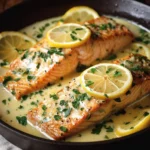
Pin by Lucas A. on Feast | Recipes, Food, Cooking Fish
There’s something wonderfully grounding about a seasonal fish dinner made from scratch — bright, simple flavors, minimal fuss, and a plate that feels like sunshine on a weeknight. “Pin by Lucas A. on Feast | Recipes, Food, Cooking Fish” is a cozy, seasonal fish recipe that highlights fresh fillets, bright citrus, and herb-forward aromatics. It’s worth trying because it turns humble, widely available fish into a dish that tastes celebratory without requiring chef-level skills. If you love a bit of tang and crunchy texture alongside tender fish, this recipe will quickly become a go-to. For other easy, flavor-packed appetizers to start your meal, try these playful Dill Pickle Pinwheels.
Why this recipe works (seasonal appeal)
This recipe sings in spring and summer when citrus, herbs, and tender fish are at their peak. It’s light enough for warm evenings but comforting enough with roasted root vegetables in cooler months. The technique focuses on crisp skin (if your fillets have skin on), bright acid to cut richness, and a simple herbaceous finish — everything that makes seasonal cooking feel effortless.
Ingredients & Equipment
Ingredients
- 4 fish fillets (about 6 ounces each) — ideal choices: sea bass, cod, halibut, or trout (skin on if available)
- 2 tablespoons olive oil (plus extra for drizzling)
- 2 cloves garlic, finely minced
- 1 lemon (zest + 2 tablespoons juice)
- 1 small bunch fresh parsley, chopped (about 1/2 cup packed)
- 1 tablespoon fresh dill, chopped (optional but seasonal and bright)
- 1/2 teaspoon red pepper flakes (adjust to taste)
- 1/2 teaspoon smoked paprika (optional — adds warmth)
- Kosher salt and freshly ground black pepper
- 1/4 cup panko breadcrumbs (for a light crunch, optional)
- 2 tablespoons grated Parmesan (optional topping)
- 1 teaspoon capers, rinsed (optional, for briny punch)
- 1 small shallot, finely diced (optional)
Notes:
- Use the freshest fish you can find. Firm, translucent flesh and a clean smell are good signs.
- If you prefer a gluten-free option, swap panko for crushed almonds or gluten-free breadcrumbs.
- For a richer finish, finish with a pat of butter or a drizzle of extra-virgin olive oil.
Equipment
- Large ovenproof skillet (cast iron works great) or a nonstick frying pan
- Baking sheet (if finishing in the oven) and a wire rack (optional)
- Fish spatula or flexible spatula for gentle flipping
- Small bowl for herb mixture
- Microplane or fine grater for zesting
- Instant-read thermometer (helpful for perfect doneness)
- Optional: blender or food processor if you make a quick herby gremolata
Helpful tools:
- A thermometer removes guesswork — fish is done at 125–130°F (51–54°C) for medium and around 140°F (60°C) if you prefer fully opaque but still moist.
- A good fish spatula makes turning fillets easy without tearing.
Step-by-Step Instructions (with tips)
- Prep the fish and flavors
- Pat the fillets dry with paper towels — removing moisture helps the skin crisp and prevents steaming.
- Season both sides generously with salt and pepper. If the fillets have skin, lightly score the skin with a sharp knife (1–2 shallow cuts) to prevent curling.
- In a small bowl, combine the lemon zest, minced garlic, chopped parsley, dill (if using), red pepper flakes, smoked paprika, and a pinch of salt. Add the lemon juice and 2 tablespoons olive oil to make a loose gremolata-style topping. If you like a slightly crunchy finish, stir in panko and Parmesan now.
Tip: Let the seasoned fish sit at room temperature for 10–15 minutes before cooking to even out the chill and help cook evenly.
- Choose your cooking method: pan-searing (crispy skin) or oven-roasting (gentle, hands-off)
- Pan-searing (best for crisp skin and fast weeknight dinners):
- Heat a large ovenproof skillet over medium-high heat. Add 1–2 tablespoons olive oil and let it heat until shimmering but not smoking.
- Place the fillets skin-side down (if skin-on). Press gently with a spatula for 10–15 seconds to prevent curling.
- Cook undisturbed for 3–5 minutes until the skin is deeply golden and crisp. Flip and cook the other side for 1–3 minutes, depending on thickness.
- If the fillets are thick, transfer the skillet to a preheated 400°F (200°C) oven for 3–5 minutes to finish gently.
- Remove from oven, spoon the herb-lemon mixture over the fillets, and let rest for a minute before serving.
Tip: A hot pan is essential. If the fish sticks, it’s not ready to flip — give it another 30 seconds and try again.
- Oven-roasting (gentle, consistent heat; great for fillets without skin):
- Preheat your oven to 425°F (220°C). Line a baking sheet with parchment or use a lightly oiled baking dish.
- Place fillets skin-side up (or presentation-side up) and brush lightly with olive oil. Sprinkle with salt and pepper.
- Roast 8–12 minutes, depending on thickness — a general rule is 10 minutes per inch of thickness. Check with an instant-read thermometer.
- Remove, spoon over herb-lemon mixture, and let rest briefly.
Variation: Broil for 1–2 minutes at the end for a crisper top; watch carefully to avoid burning.
- Flavor boosters and finishing touches
- If you like a bit of brine, scatter rinsed capers over the cooked fish.
- Finish with a drizzle of high-quality extra-virgin olive oil or a small knob of butter. For an herby finish, blitz the herb mixture in a small blender with oil to make a bright emulsion.
- Add toasted nuts (sliced almonds or pistachios) for texture, or serve with a smear of mashed peas or a dollop of herbed yogurt.
Tip: Acid brightens everything — a final squeeze of lemon juice right before serving lifts the whole dish.
- Serving temperature and doneness
- For medium, pull fish at 125–130°F (51–54°C). For fully opaque but not dry, aim for 135–140°F (57–60°C). Carryover cooking will raise the temperature a few degrees while resting.
Flavor suggestion: Swap lemon for orange in late winter for a sweeter, fragrant profile, or add a teaspoon of harissa or chili-garlic sauce to the gremolata for a smoky, spicy kick.
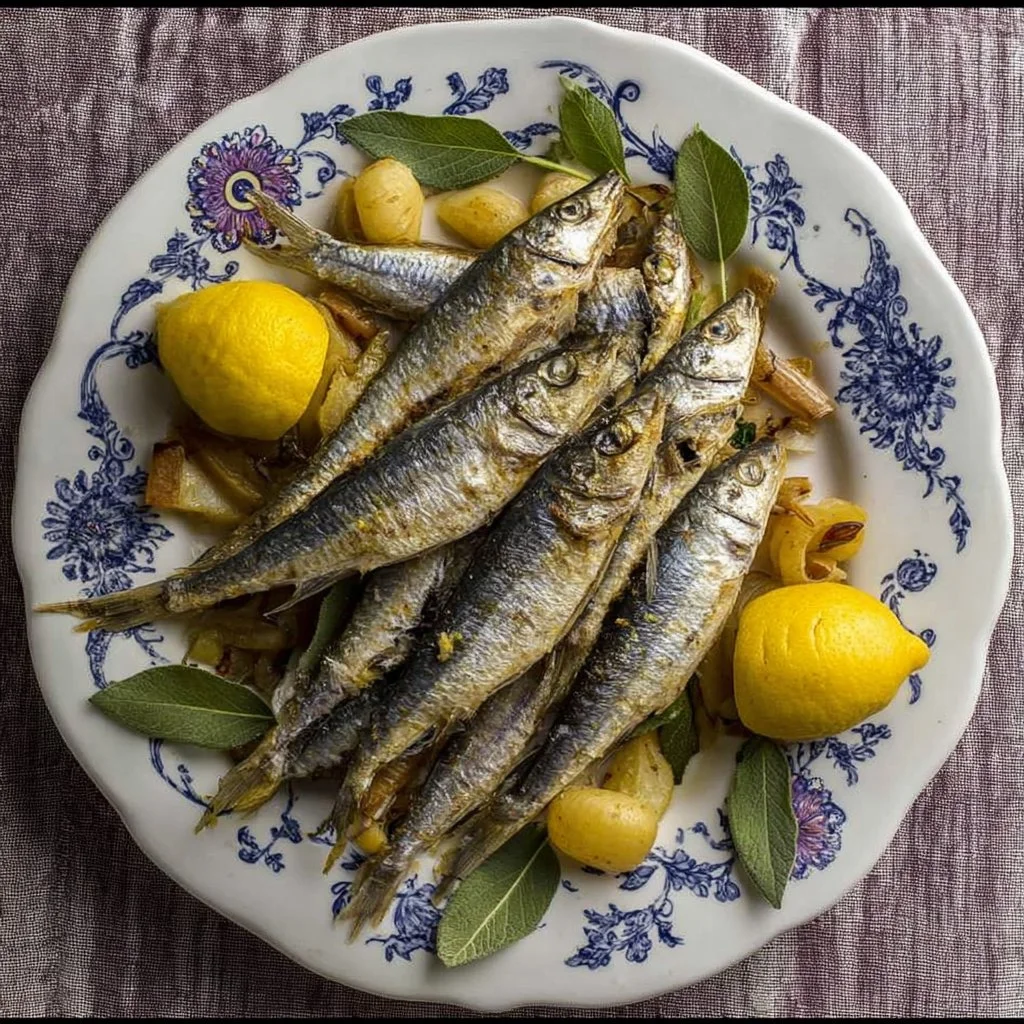
Storage, Freezing & Make-Ahead Tips
- Refrigerator: Cooked fish is best eaten within 2–3 days. Store in an airtight container with a paper towel layer on top to absorb excess moisture.
- Freezing: For longer storage, freeze cooked fish wrapped tightly in plastic wrap and placed in a freezer bag for up to 2 months. Thaw overnight in the fridge before reheating gently.
- Reheating: Reheat gently in a 300°F (150°C) oven for 8–10 minutes, or flake into a sauce or pasta for a second life — avoid high heat on the skin, which can make it chewy.
- Make-ahead: Prep the herb-lemon topping up to 2 days in advance and keep refrigerated. Fillets can be seasoned and rested for a short time before cooking; avoid marinating acid-heavy mixtures for more than 20–30 minutes or the fish will begin to “cook” (ceviche-style).
- Portioning: If you cook for one or two, halve the recipe and cook fillets individually to retain crispness. For batch cooking, consider baking multiple fillets and finishing each portion with fresh gremolata to preserve texture.
How to Use / Serve This Dish
- Classic plated meal: Serve the fish on a bed of herbed couscous, lemony rice, or simple garlic mashed potatoes. Add roasted asparagus or a seasonal salad for freshness.
- Salad topper: Flake warmed fish over a crunchy spring salad — baby greens, radishes, cucumber, and a light vinaigrette make a satisfying lunch.
- Sandwich or tartine: Place flaked fish on toasted sourdough with avocado, a smear of herbed yogurt, and pickled red onions for an elevated open-faced sandwich. If you love tangy, savory accents, try pairing it with this Cheesy Hot Honey Chicken Quesadillas style sweetness and heat elsewhere on your menu.
- Pasta addition: Toss chunks of the fish into pasta tossed with olive oil, lemon zest, garlic, and peas for a quick, comforting dinner.
- Creative variations:
- Mediterranean: Add olives, cherry tomatoes, and a sprinkle of feta.
- Asian-inspired: Use soy, sesame oil, and ginger in place of lemon and herbs; top with scallions and sesame seeds.
- Crispy-crusted: Press a thin layer of panko or crushed nuts on top before searing for a crunchy crust — a technique similar to the delightful crunch in this Crispy Dill Pickle Parmesan Chicken (version 2).
Serving tip: Always finish with fresh herbs and a light dusting of flaky salt for texture and shine.
FAQ
Q: Can I use frozen fish for this recipe?
A: Yes. Thaw frozen fillets in the refrigerator overnight and pat very dry before cooking. Excess moisture prevents crisping; you can also briefly pat with paper towels and let them sit uncovered in the fridge for 30–60 minutes to dry the surface.
Q: What’s the best way to get crispy skin?
A: Start with a hot pan and dry skin. Don’t move the fillet for several minutes — this allows the skin to release naturally when it’s ready to flip. Weigh the fillet down for the first 10–15 seconds to prevent curling. A cast-iron skillet and a little oil are ideal.
Q: Can I substitute herbs or citrus?
A: Absolutely. Swap parsley for basil, cilantro, or tarragon depending on the flavor profile you want. Lemon is classic, but orange, lime, or grapefruit are fun seasonal swaps. When using stronger herbs like cilantro, balance them with a milder herb so they don’t overpower the fish.
Q: How do I know when the fish is cooked through?
A: Fish flakes easily with a fork and the flesh goes from translucent to opaque. For precision, use an instant-read thermometer: aim for 125–130°F (51–54°C) for medium, 135–140°F (57–60°C) for a firmer finish. Remove from heat and rest briefly; it will continue to cook slightly.
Additional Serving Ideas & Pairings
- Wine: A crisp Sauvignon Blanc or unoaked Chardonnay complements the citrus and herbs. For light-bodied reds, try a Pinot Noir chilled slightly.
- Cocktails and beverages: A citrus-forward spritz or a light gin and tonic pairs well. If you enjoy bar culture and seasonal drink trends, this fish’s bright flavors invite a lively, aromatic cocktail — similar themes are explored in this piece about the reinvention of bars and cocktails in modern dining Crispy Dill Pickle Parmesan Chicken (note: that link leads to a complementary recipe with bold flavors you might enjoy alongside a cocktail).
- Side dish suggestions: Roasted baby potatoes, lemon-garlic green beans, grilled peaches, or a chilled orzo salad with cucumbers and feta.
Conclusion
This seasonal fish recipe from “Pin by Lucas A. on Feast | Recipes, Food, Cooking Fish” is all about uncomplicated, fresh flavors and approachable techniques that make weeknight cooking feel special. Whether you sear for a crisp skin or roast for an easy hands-off finish, the citrus-herb topping brings brightness and a restaurant-quality touch to home cooking. If you want a lighter, protein-forward Italian-inspired idea to pair with your meal ideas, check out this savory option for baked squid and pistachio meatballs on Fit with Fun: Polpette di Totani e Pistacchi al Forno Light e Proteiche. For a larger look at how seasonal drinks and dining experiences are evolving — great inspiration if you’re planning a dinner party around this fish recipe — see this article on the rebirth of cocktail bars: La rinascita dei cocktail bar | Cook – Corriere della Sera.
Give this recipe a try on your next seasonal shopping trip — share a photo, tweak the herbs to your liking, and let me know how you served it. I’d love to hear your favorite variations!
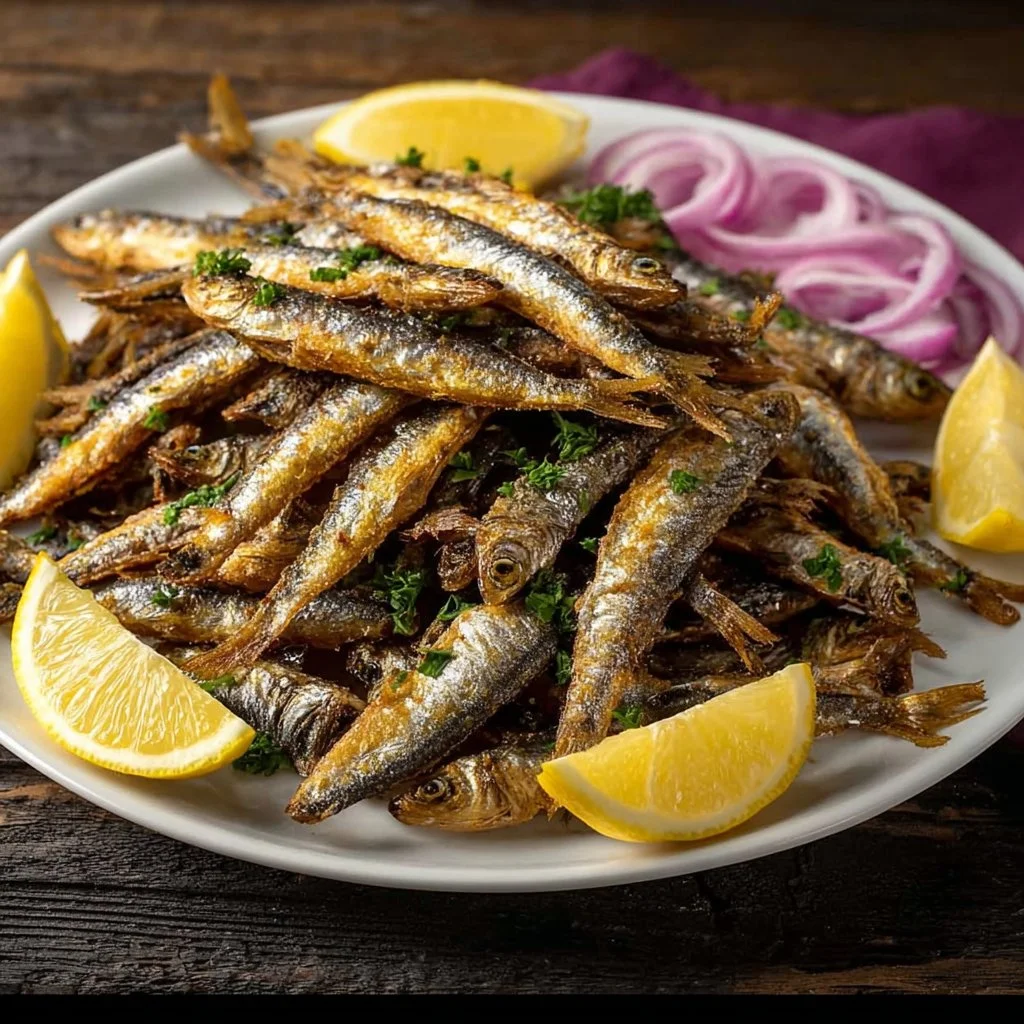
Crispy Seasonal Fish
Ingredients
Method
- Pat the fish fillets dry with paper towels.
- Season both sides generously with salt and pepper.
- If the fillets have skin, lightly score the skin with a sharp knife (1–2 shallow cuts).
- In a small bowl, combine the lemon zest, minced garlic, chopped parsley, dill, red pepper flakes, smoked paprika, and a pinch of salt. Add the lemon juice and 2 tablespoons olive oil.
- If you like a slightly crunchy finish, stir in panko and Parmesan now.
- Let the seasoned fish sit at room temperature for 10–15 minutes before cooking.
- Pan-Searing: Heat a large ovenproof skillet over medium-high heat. Add 1–2 tablespoons olive oil and let it heat until shimmering.
- Place the fillets skin-side down. Press gently with a spatula for 10–15 seconds.
- Cook undisturbed for 3–5 minutes until the skin is deeply golden and crisp. Flip and cook the other side for 1–3 minutes.
- Transfer to a preheated oven at 400°F (200°C) for 3–5 minutes to finish.
- Remove, spoon the herb-lemon mixture over the fillets, and let rest for a minute before serving.
- Oven-Roasting: Preheat the oven to 425°F (220°C). Place fillets skin-side up and brush lightly with olive oil. Season with salt and pepper.
- Roast for 8–12 minutes depending on thickness.
- Remove, spoon over herb-lemon mixture, and let rest briefly.
- Scatter rinsed capers over the cooked fish if desired.
- Drizzle with extra-virgin olive oil or a small knob of butter.
- Add toasted nuts or herbed yogurt for serving.