Korean Ground Beef Bowl
There’s something instantly comforting about a warm bowl of seasoned meat and rice that hits all the right notes — savory, slightly sweet, a touch of heat, and plenty of texture. My Korean Ground Beef Bowl is a seasonal favorite because it uses simple pantry staples and fresh spring produce (think tender broccoli and bright shredded carrots), making it perfect for those nights when you want a cozy, from-scratch meal without fuss. If you like easy, flavor-forward bowls and want a quick weeknight winner, this recipe pairs well with other creative bowls like the ground beef hot honey bowl for inspiration on switching up sauces and toppings.
Ingredients & Equipment
Ingredients
- 1 lb ground beef
- 2 tbsp soy sauce
- 2 tbsp brown sugar
- 2 tsp sesame oil
- 3 cloves garlic, minced
- 1 inch ginger, grated
- 4 pieces green onions, chopped (whites and greens separated)
- 0.5 cup carrots, finely shredded
- 0.5 cup broccoli florets (steamed)
- 2 cups cooked jasmine rice (or rice of your choice)
- 1 tbsp gochujang (Korean chili paste)
- 1 tsp sesame seeds
- 0 Salt and pepper to taste
Equipment
- Large skillet or wide sauté pan
- Spatula or wooden spoon for breaking up meat
- Microplane or grater for ginger
- Cutting board and knife
- Small mixing bowl or measuring spoons for sauce
- Steamer basket, microwave-safe bowl, or roasting sheet for broccoli
- Measuring cups and spoons
Helpful tools and notes
- If you shred fresh carrots often, a box grater or food processor with a shredding disk saves time.
- A small whisk or fork helps emulsify the sauce ingredients.
- A thermometer isn’t necessary here, but if you prefer, ground beef is safely cooked at 160°F (71°C).
- For extra caramelization, try finishing the beef under the broiler for a minute on a sheet tray (use an ovenproof pan).
For alternate flavor inspiration while prepping ingredients, check out the creative twists used in the ground beef shawarma bowls recipe.
Step-by-Step Instructions (with tips)
H3: Brown the beef
- Heat a large skillet over medium heat. Add the 1 lb ground beef to the dry pan (no oil needed if using regular ground beef; use a teaspoon of oil if your meat is very lean).
- Use a spatula to break the meat up into small pieces and cook until browned and cooked through, about 5–7 minutes. Avoid crowding the pan — if your pan is small, brown in two batches for better color. Tip: Browning develops flavor; don’t rush this step.
H3: Add aromatics
3. Drain excess fat if necessary (leave a tablespoon for flavor if you like). Stir in the minced garlic, grated ginger, and the whites of the green onions. Cook for about 1 minute until fragrant. Tip: Low and slow for aromatics keeps them from burning and turning bitter.
H3: Build the sauce
4. Add 2 tbsp soy sauce, 2 tbsp brown sugar, 2 tsp sesame oil, and 1 tbsp gochujang to the skillet. Mix well and let it simmer for 3–5 minutes until the sauce is well combined and slightly thickened. Taste and adjust with salt and pepper. If you like more heat, add an extra 1/2 tsp gochujang or a drizzle of chili oil. Tip: If your gochujang is very thick, thin the sauce with a splash of water or beef broth.
H3: Add vegetables
5. Mix in the 0.5 cup shredded carrots and 0.5 cup steamed broccoli florets. Allow them to warm through for about 2 minutes. Tip: For a roasted flavor, you can roast broccoli on a sheet tray at 425°F (220°C) for 12–15 minutes until slightly charred instead of steaming. Roasted carrots also add nuttier notes.
H3: Assemble bowls
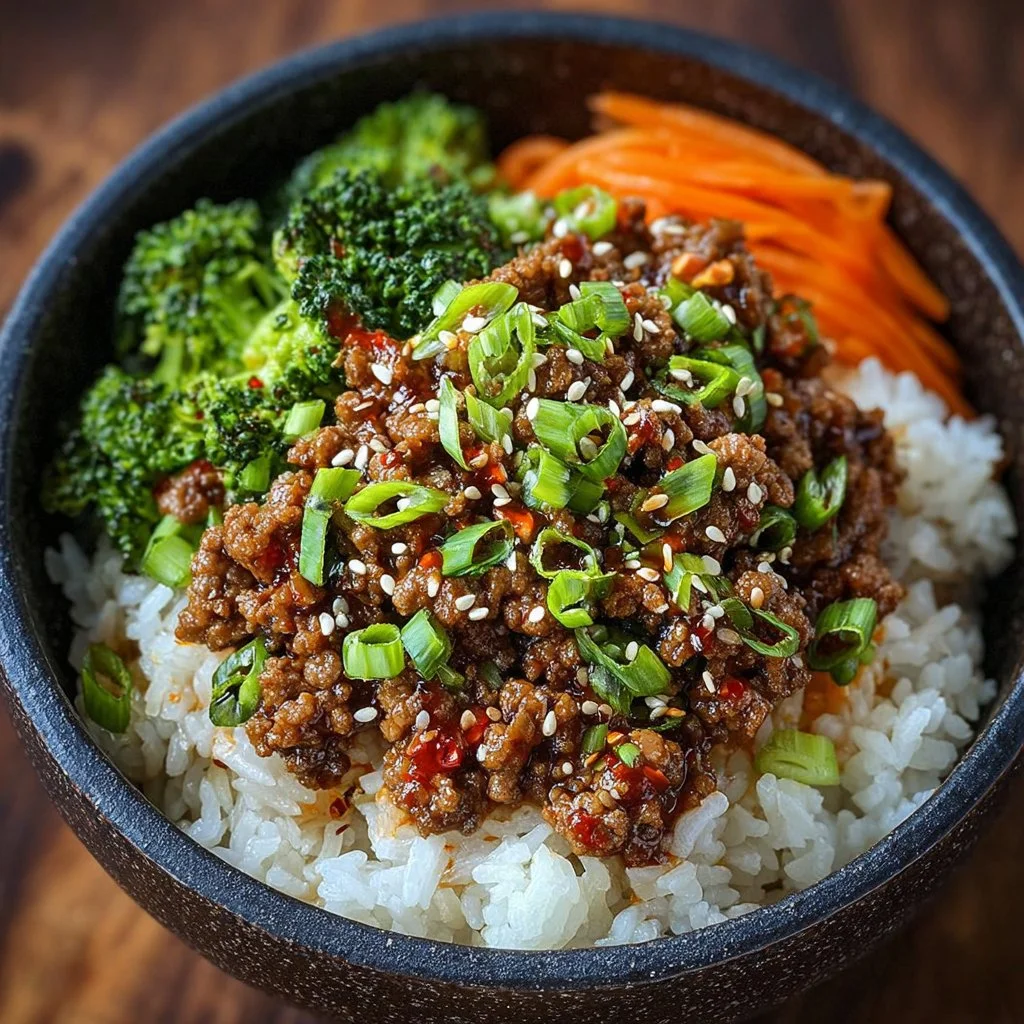
6. In serving bowls, place a generous scoop of cooked jasmine rice. Top with the Korean ground beef mixture. Sprinkle 1 tsp sesame seeds and the green parts of the chopped green onions on top for a fresh crunch. Serve immediately.
Variations and additional kitchen tips
- Swap protein: Ground turkey, chicken, or plant-based crumbles work well; adjust cooking time and add a touch more oil if lean.
- Veg swap: Thinly sliced bell peppers, zucchini, or snap peas are great seasonal additions. Stir-fry them briefly before adding the beef for extra crunch.
- Make it saucier: If you want more sauce, stir in 2 tbsp water mixed with 1 tsp cornstarch and simmer until thickened.
- Sweetness adjustment: Swap brown sugar for honey, maple syrup, or coconut sugar for a different flavor profile.
- Texture boost: Add toasted sesame oil at the end for aroma and a spoonful of toasted sesame for more nuttiness.
- For a crisp finish: After mixing, spread the beef on a hot sheet tray and broil for 1–2 minutes — watch closely so it doesn’t burn.
For technique crossovers and comfort-food ideas while preparing your beef, you might find methods in the creamy Rotel pasta with ground beef recipe helpful — especially for tips on browning and seasoning.
Storage, Freezing & Make-Ahead Tips
Storing leftovers
- Refrigerator: Store cooled beef and vegetable mixture in an airtight container for up to 3–4 days. Keep rice separate if possible to avoid sogginess.
- Reheating: Reheat gently in a skillet over medium heat with a splash of water or broth, stirring until warmed through. For microwave reheating, cover with a damp paper towel to retain moisture.
Freezing
- Freeze beef mixture in portion-sized airtight containers or heavy-duty freezer bags for up to 3 months. Thaw overnight in the refrigerator before reheating. Tip: Freeze in single-serve portions for quick lunches or weeknight dinners.
Make-ahead
- Prep the sauce and mince the garlic and ginger ahead of time and store in a small jar in the fridge for up to 2 days.
- Cook and cool rice, then portion it into containers for grab-and-go meals. Rice freezes well in small portions — thaw in the fridge or reheat from frozen in a microwave-safe dish with a pinch of water.
Portioning advice
- This recipe serves about 3–4 depending on appetite. For meal prep, divide into 3 equal portions with 2/3 cup cooked rice per bowl and the rest beef and veg. For heartier bowls, use 1 cup rice.
How to Use / Serve This Dish
- Classic bowl: Jasmine rice topped with the beef mixture, a soft-boiled egg, cucumber ribbons, and a drizzle of extra sesame oil.
- Lettuce wrap: Spoon the warm filling into large butter lettuce leaves and top with extra green onions and sesame seeds for a low-carb option.
- Noodle swap: Serve over cooked rice noodles or udon for a different texture and slurp-friendly meal.
- Fusion salad: Cool the beef slightly and toss with mixed greens, shredded cabbage, and a rice vinegar–sesame dressing for a warm-salad contrast.
- Family-style platter: Make a big batch, place rice in a serving dish and the beef in a separate bowl, and let everyone build their own bowls with toppings like kimchi, pickled radish, or crunchy shallots.
If you like bowl ideas with bold sauces and crunchy toppings, the flavor-builders used in the Bang Bang Chicken Bowl are great for inspiration on crunchy garnishes and spicy-sweet sauces.
FAQ
Q: Can I make this gluten-free?
A: Yes. Use gluten-free tamari or coconut aminos in place of soy sauce, and ensure your gochujang is gluten-free (some brands contain wheat). Also check any pre-made sauces or broths for hidden gluten.
Q: What can I use if I don’t have gochujang?
A: Gochujang adds a distinctive fermented chili-sweet heat. In a pinch, mix 1 tbsp chili paste (like sambal oelek) with 1 tsp brown sugar and 1/2 tsp soy sauce to mimic some of the sweetness and heat. You can also use sriracha plus a touch of miso for umami.
Q: How long will leftovers last?
A: In the refrigerator, the beef mixture keeps for 3–4 days. If you’ve added fresh crunchy toppings (like cucumbers or raw scallions), add them fresh when serving to maintain texture.
Q: Is this recipe spicy?
A: Mild-to-medium by default — 1 tbsp gochujang adds a gentle heat balanced by brown sugar. Adjust to taste by adding more gochujang for heat or less for a milder bowl. You can also offer chili flakes or chili oil at the table for diners to customize.
Conclusion
This Korean Ground Beef Bowl is exactly the kind of seasonal, cozy meal that becomes a weeknight favorite: quick to make, full of layered flavors, and endlessly adaptable. If you’re curious to explore similar takes on the classic Korean ground beef concept, you might enjoy reading this take on The Recipe Critic’s Korean Ground Beef and Rice Bowls for more topping ideas, or the original inspiration found in Damn Delicious’s Korean Beef Bowl for a slightly different sauce profile. For a cozy, blog-style variation with creative garnishes, check out Fox and Briar’s Korean Ground Beef Bowls. I can’t wait for you to try this simple, satisfying bowl — make a batch, tweak it to your taste, and share how you served it with friends or family. Enjoy!
Korean Ground Beef Bowl
Ingredients
Method
- Heat a large skillet over medium heat. Add the ground beef to the dry pan. Cook until browned and cooked through, about 5-7 minutes.
- Drain excess fat if necessary, leaving a tablespoon for flavor. Stir in minced garlic, grated ginger, and the whites of the green onions. Cook until fragrant, about 1 minute.
- Add soy sauce, brown sugar, sesame oil, and gochujang to the skillet. Mix well and simmer for 3-5 minutes until slightly thickened.
- Mix in shredded carrots and steamed broccoli. Allow them to warm through for about 2 minutes.
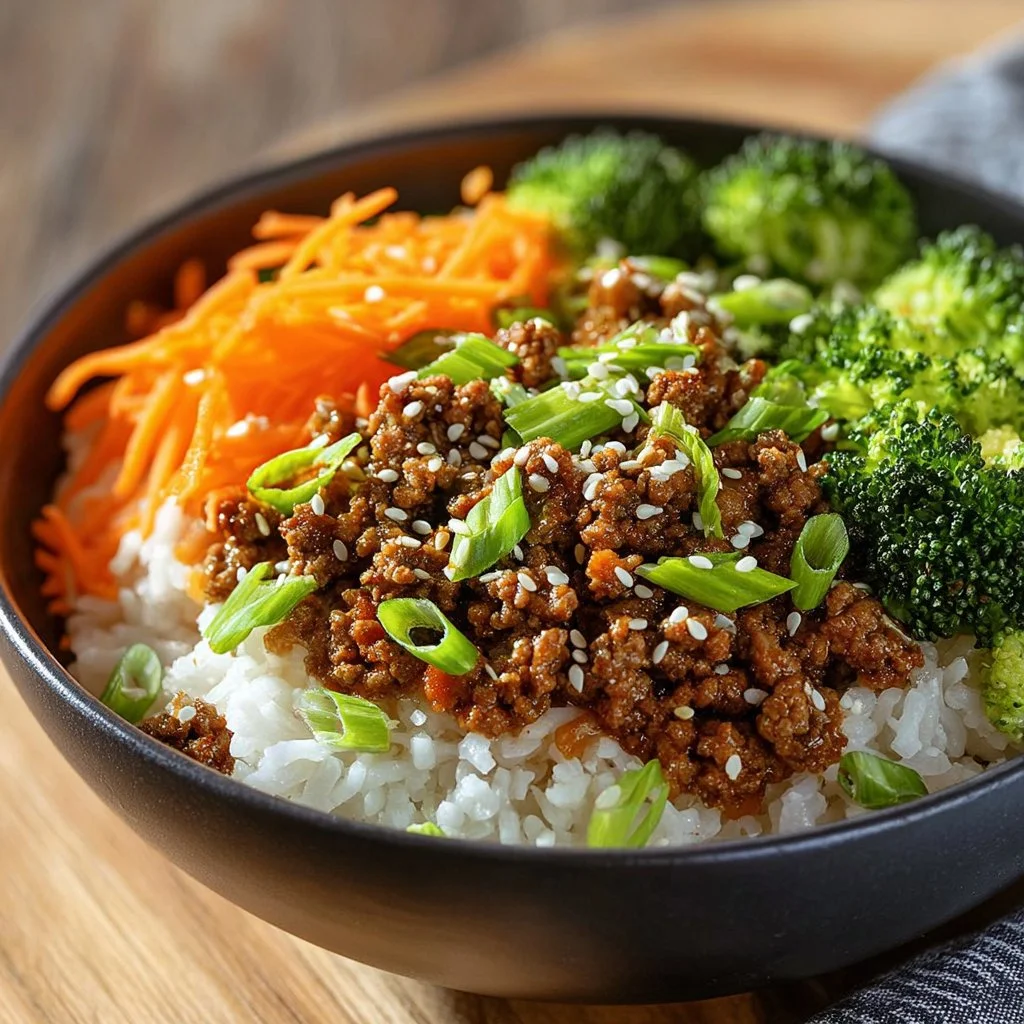
- In serving bowls, place a scoop of cooked jasmine rice. Top with the beef mixture, sprinkle sesame seeds and the green parts of green onions.