There’s something wonderfully cozy about a cottage cheese-based recipe that celebrates fresh, seasonal produce—light, creamy, and endlessly adaptable. I fell for this “Pin by Robin Neily on Healthy Cooking in 2026 | Cottage Cheese Recipes, Cooking and Baking, Recipes” because it turns humble cottage cheese into a silky filling for a spring-forward tart that feels like sunshine on a plate. With tender roasted asparagus, bright lemon zest, and fragrant herbs, it’s perfect for a weekend brunch or a relaxed weeknight supper. If you love recipes that are comforting, from-scratch, and easy to make ahead, you’ll want to tuck this one into your repertoire alongside other bright desserts and treats like those inspiring bright summer desserts.
Ingredients & Equipment
Ingredients (serves 6–8)
- 1 9-inch pie crust or sheet of puff pastry (store-bought or homemade; recipe includes a quick whole-wheat option below)
- 2 cups full-fat cottage cheese (drain slightly for firmer texture)
- 2 large eggs (room temperature)
- 1/2 cup grated Parmesan or Pecorino Romano
- 1 tablespoon lemon zest + 1 tablespoon lemon juice
- 1/4 cup sour cream or plain Greek yogurt (optional for extra creaminess)
- 1 small shallot, finely minced (or 1/4 small red onion)
- 1 clove garlic, grated or minced
- 10–12 asparagus spears, trimmed and cut into 1–2 inch pieces (save tips for garnish)
- 1/2 cup shelled fresh peas or thawed frozen peas (seasonal bright pop)
- 2 tablespoons fresh dill, chives, or parsley, chopped (mix herbs to taste)
- 2 tablespoons olive oil
- 1/2 teaspoon kosher salt + more to taste
- 1/4 teaspoon freshly ground black pepper
- Pinch of red pepper flakes (optional)
- 1/4 teaspoon nutmeg (optional; small amount brightens dairy)
- 1 tablespoon melted butter or egg wash for crust
Quick whole-wheat crust (optional)
- 1 1/4 cups whole-wheat flour
- 1/2 teaspoon salt
- 6 tablespoons cold unsalted butter, cubed
- 3–4 tablespoons ice water
Equipment
- 9-inch tart pan or 9-inch round baking dish (or rimmed baking sheet for galette)
- Blender or food processor (helps make ultra-smooth filling; optional)
- Mixing bowls and whisk
- Skillet for quick sautéing or roasting pan if roasting asparagus
- Baking sheet and parchment paper
- Knife and cutting board
- Measuring cups and spoons
- Oven thermometer (helpful to ensure correct baking temperature)
- Spatula and spoon
Notes
- Draining cottage cheese briefly on a fine mesh strainer reduces excess liquid and prevents a watery tart.
- A blender or food processor makes the filling silkier, but mixing by hand is perfectly fine for more texture.
- If using puff pastry, this becomes a puff-topped galette; gentle docking and a quick prebake help avoid soggy bottom.
Step-by-Step Instructions (with tips)
- Prep and preheat
- Preheat the oven to 375°F (190°C). If using a tart pan, lightly butter or spray it. If making a galette, line a baking sheet with parchment.
- Trim woody ends of asparagus and cut into 1–2 inch pieces; reserve tips for garnish.
- Quick-roast or blanch asparagus (variation)
- Roasting method (recommended for concentrated flavor): Toss asparagus pieces with 1 tablespoon olive oil, a pinch of salt, and black pepper. Spread on a small baking sheet and roast at 400°F (200°C) for 8–10 minutes until bright and slightly tender. Add tips for the final 4 minutes so they stay crisp.
- Blanching/boiling method (quicker, greener result): Bring a pot of salted water to a boil, add asparagus pieces and cook 2–3 minutes until bright green and just tender. Immediately plunge into ice water to stop cooking and drain well. Tip: Roasting caramelizes and deepens flavor; blanching keeps a fresher, greener bite. Use whichever texture you prefer.
- Prepare the crust (if making from scratch)
- For whole-wheat crust: Pulse flour and salt in a food processor, add cubed cold butter and pulse until mixture resembles coarse crumbs. Add ice water 1 tablespoon at a time until dough comes together. Press into your tart pan and chill 15 minutes. Blind bake at 375°F for 12–15 minutes with pie weights until just set and lightly golden.
- Store-bought crusts: Prick the bottom lightly and par-bake for 8 minutes to reduce sogginess.
- Make the cottage cheese filling
- In a blender or food processor, combine drained cottage cheese, eggs, Parmesan, lemon zest, lemon juice, sour cream/Greek yogurt (if using), shallot, garlic, nutmeg, and a pinch of salt and pepper. Blend until smooth and creamy. If you prefer some texture, pulse less.
- Stir in chopped herbs, roasted/blanched asparagus pieces (reserve some tips for garnish), and peas. Taste and adjust seasoning. Kitchen tip: If your filling seems very loose, a tablespoon of superfine breadcrumbs or a couple tablespoons of grated cheese will help it set without changing flavor.
- Assemble and bake
- Pour filling into the prepared crust and smooth the top. Arrange reserved asparagus tips decoratively across the surface.
- Brush crust edges with melted butter or egg wash for a golden finish.
- Bake at 375°F (190°C) for 30–40 minutes, until the filling is set and the top is lightly golden. An inserted knife should come out mostly clean; internal temperature around 160–165°F (71–74°C) indicates set dairy and eggs. Tip: If the crust browns too quickly, tent with foil for the last 10 minutes.
- Cool and serve
- Let the tart cool 10–15 minutes before slicing; this helps the filling finish setting and makes cleaner slices. Garnish with extra fresh herbs, a drizzle of olive oil, and a squeeze of lemon.
- For a rustic galette, bake directly on parchment-lined sheet until crust is browned and filling set (about 25–30 minutes).
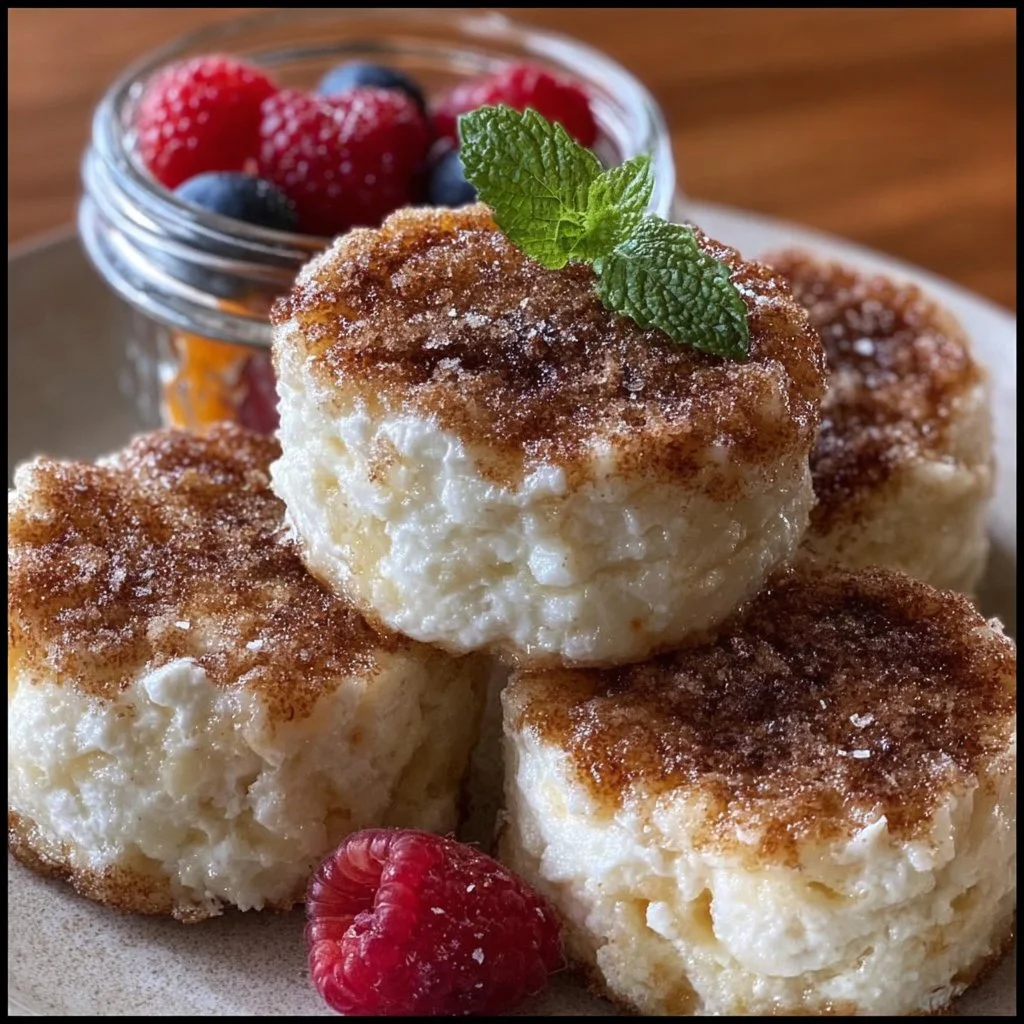
Variations and flavor suggestions
- Vegetarian protein boost: Stir in 1/2 cup cooked quinoa or farro for heartier texture (for inspiration on hearty grains, try pairing with a simple grain side).
- Cheesy swap: Substitute cottage cheese with ricotta or a 50/50 mix for a creamier, richer filling.
- Seasonal swaps: Replace asparagus and peas with roasted cherry tomatoes and basil in summer, or with sautéed mushrooms and thyme in autumn.
- Gluten-free option: Use a gluten-free crust or press a crust made from almond flour and butter; watch baking times—almond crusts brown faster.
(Internal inspiration: a little creative cake work can spark plating ideas — see some lovely creative birthday cake ideas for styling tips.)
Storage, Freezing & Make-Ahead Tips
Storing leftovers
- Refrigerate leftover slices in an airtight container for up to 3–4 days. To maintain crust texture, place a piece of parchment between slices.
- Reheat gently in a 350°F oven for 10–12 minutes or in a skillet over low heat with a lid to warm through without drying.
Freezing
- Freezing whole tarts is possible but best to freeze individual slices for convenience. Wrap each slice tightly in plastic wrap, then foil, and freeze for up to 2 months.
- Thaw overnight in the refrigerator and reheat in a 350°F oven until warm (about 15–20 minutes). Note: cottage cheese texture can change after freezing; slight graininess may occur but flavor remains good.
Make-ahead
- You can prepare the filling a day ahead (store in refrigerator) and keep the crust par-baked. Assemble and bake the day you plan to serve.
- Roasted asparagus and peas can be prepared up to two days ahead and refrigerated in an airtight container; fold into the filling just before baking.
Portioning advice
- For brunch or buffet service, slice into 8 wedges. For heartier meals, cut into 6 generous slices. This tart travels well—cool completely before covering for transport.
How to Use / Serve This Dish
Serving ideas
- Brunch spread: Serve with a crisp green salad, toasted rustic bread, and lightly dressed arugula with lemon vinaigrette.
- Light dinner: Pair with grilled lemon chicken, roasted potatoes, or a bowl of spring vegetable soup.
- Picnic fare: Cool slices completely and pack with a chilled bottle of dry rosé or sparkling water with lemon.
Creative pairings
- Cheese and honey finish: Drizzle a touch of honey and scatter microgreens for an elegant finish (works splendidly if you use ricotta instead of cottage cheese).
- Savory side sauces: A spoonful of warm herb vinaigrette or a tangy mustard-dill sauce brightens each bite.
- For a sweet-savoury contrast, serve with a small side of fruit compote—consider a low-sugar blueberry sauce for an unexpected pairing that complements lemon and herbs (see further ideas below).
Variation ideas
- Make mini tarts in tartlet pans for individual portions—great for parties.
- Convert to a breakfast bake by adding crumbled cooked bacon or smoked salmon and swapping parsley for dill.
(If you’re looking for broader inspiration for sweets or plated desserts to serve alongside, check out these delightful cakes and pies inspiration.)
FAQ
Q: Can I use low-fat or nonfat cottage cheese? A: Yes, you can, but the texture and richness will be lighter. Adding a tablespoon or two of Greek yogurt or a bit more egg yolk can restore creaminess. Keep in mind lower-fat dairy can lead to a slightly drier filling, so taste and adjust seasoning.
Q: My cottage cheese is quite watery—how do I fix a soggy filling? A: Drain cottage cheese in a fine mesh sieve for 20–30 minutes, pressing gently to remove excess whey. Adding a tablespoon of fine breadcrumbs or reducing sour cream helps absorb moisture. Also, par-baking the crust reduces the chance of a soggy bottom.
Q: Can I freeze the assembled tart before baking? A: It’s better to freeze baked slices rather than an unbaked assembled tart. Freezing unbaked dairy-and-egg mixtures can affect texture. Instead, prepare and freeze the filling separately (in freezer-safe containers) only if you’re comfortable with slight texture changes.
Q: What’s a good substitute for asparagus if it’s not in season? A: Fresh peas, blanched green beans, thinly sliced zucchini (lightly sautéed to remove moisture), or roasted ramps in spring can all make lovely seasonal swaps.
Conclusion
This cottage cheese and spring vegetable tart from the “Pin by Robin Neily on Healthy Cooking in 2026 | Cottage Cheese Recipes, Cooking and Baking, Recipes” universe is the kind of recipe that comforts and celebrates the season: creamy, bright, and endlessly adaptable. It’s perfect for mornings that turn into lunches, brunches with friends, or simple dinners where you want to feel nourished without hours in the kitchen. If you enjoy pairing grains and legumes with vegetables, you might also appreciate the comforting grain-forward dish in French Onion Baked Lentils and Farro at Smitten Kitchen, and if you’re tempted to add a fruity, sugar-free finishing touch, try the Sugar-free Cinnamon Blueberry Sauce recipe for an inventive side. For planning a seasonal gathering, these ideas tie in nicely with spring menus like those suggested in 14 Easter recipes for a spring celebration. I can’t wait to hear how your tart turns out—share a photo, swap a seasonal swap you tried, or pass this recipe along to a friend who loves cozy, from-scratch cooking.
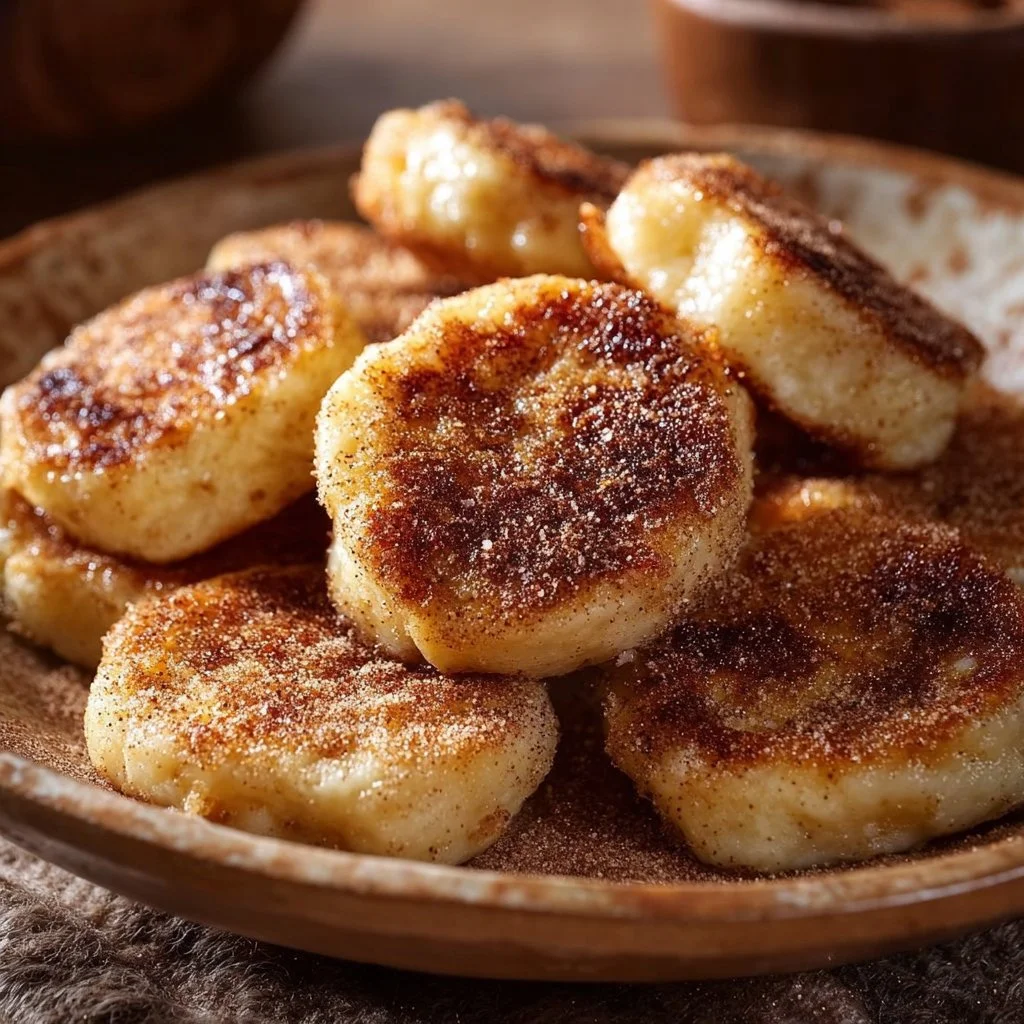
Cottage Cheese and Spring Vegetable Tart
Ingredients
Method
- Preheat the oven to 375°F (190°C). If using a tart pan, lightly butter or spray it. If making a galette, line a baking sheet with parchment.
- Trim woody ends of asparagus and cut into 1–2 inch pieces; reserve tips for garnish.
- Roasting method: Toss asparagus pieces with 1 tablespoon olive oil, a pinch of salt, and black pepper. Spread on a small baking sheet and roast at 400°F (200°C) for 8–10 minutes until bright and slightly tender. Add tips for the final 4 minutes.
- Blanching method: Bring a pot of salted water to a boil, add asparagus pieces and cook 2–3 minutes until bright green. Immediately plunge into ice water to stop cooking.
- For whole-wheat crust: Pulse flour and salt in a food processor, add cold butter and pulse until coarse crumbs. Add ice water until dough comes together. Press into tart pan and chill 15 minutes. Blind bake at 375°F for 12–15 minutes with weights until just set.
- Store-bought crusts: Prick the bottom lightly and par-bake for 8 minutes.
- In a blender, combine drained cottage cheese, eggs, Parmesan, lemon zest, lemon juice, sour cream (if using), shallot, garlic, nutmeg, and a pinch of salt and pepper. Blend until smooth.
- Stir in chopped herbs, roasted/blanched asparagus, and peas. Taste and adjust seasoning.
- Pour filling into prepared crust and smooth the top. Arrange reserved asparagus tips on the surface.
- Brush crust edges with melted butter or egg wash. Bake at 375°F for 30–40 minutes until filling is set and top is lightly golden.
- Let the tart cool 10–15 minutes before slicing to help the filling set.