Baked Cajun Salmon with Avocado Lime Sauce is the kind of recipe I say yes to on busy weeknights and for casual dinner guests. “Try it,” I tell friends, “you’ll love how the spicy, smoky Cajun rub meets the silky, bright avocado lime sauce.” It’s honest comfort—warm salmon, a tangy green sauce, and that little pop of cilantro that makes the whole plate feel finished. I remember the first time I roasted salmon like this: the scent of spices in the oven made the kitchen feel like home. If you want an easy, flavorful baked salmon dinner that’s impressive without being fussy, you’re in the right place. For a fun riff on rice sides you might enjoy, check out this green sauce and rice pairing I make for weeknight meals.
Why You’ll Love This Recipe — Baked Cajun Salmon with Avocado Lime Sauce
- Quick and easy to prepare: from spice rub to plate in about 25 minutes
- Uses simple, pantry-friendly ingredients and one ripe avocado
- Bright and zesty sauce balances the warm, smoky Cajun seasoning
- Perfect for spring and summer dinners, but cozy enough for cooler nights
- Impressive enough for guests, yet entirely homemade and comforting
What makes this version uniquely cozy is the creamy avocado lime sauce made with Greek yogurt (or sour cream), which cools and complements the Cajun spice without overpowering the salmon’s natural richness. There’s an emotional comfort to this dish — it hits that home-cooked sweet spot where flavors feel familiar but exciting. It’s the kind of recipe that builds confidence in the kitchen because it’s forgiving: the sauce can be whipped up in minutes and the oven does the hard work for you.
If you like spicy seafood bowls or baked fish variations, you might also enjoy my playful take on a sushi-style traybake: a spicy salmon sushi bake that’s great for gatherings.
Ingredients Needed — Baked Cajun Salmon with Avocado Lime Sauce
For the salmon
- 4 salmon fillets (about 6 oz / 170 g each). Preferably skin-on for easier handling and better texture, but skinless is fine.
- 2 tablespoons Cajun seasoning (store-bought or homemade). Use a blend without added sugar for a cleaner crust.
- 1 tablespoon extra-virgin olive oil (for coating the fillets)
- Salt and freshly ground black pepper, to taste
For the avocado lime sauce
- 1 ripe avocado, peeled and pitted (look for one that yields slightly when pressed)
- Juice of 1 lime (about 1–2 tablespoons, depending on size and juiciness)
- 1/4 cup plain Greek yogurt or sour cream (Greek yogurt for tang and protein; sour cream for a slightly richer sauce)
- Salt and pepper, to taste
For finishing
- 2–3 tablespoons chopped fresh cilantro (for garnish)
- Lime wedges (optional, for serving)
Notes and small swaps
- Fresh vs. frozen salmon: Fresh or thawed, wild or farmed — both work. If using frozen, fully thaw and pat dry.
- Cajun seasoning: If you don’t have Cajun, use a blend of smoked paprika, garlic powder, onion powder, cayenne, oregano, and thyme.
- Greek yogurt vs. sour cream: Greek yogurt keeps the sauce lighter; sour cream gives a silkier, tangier mouthfeel.
- Cilantro: If you’re not a cilantro fan, flat-leaf parsley is a lovely substitute.
Ingredients & Equipment Notes
Useful tools
- Baking sheet or shallow baking dish: A rimmed baking sheet allows heat to circulate around the fillets and helps them cook evenly.
- Parchment paper or a silicone mat (optional): Makes cleanup effortless and prevents sticking.
- Small bowl and fork (or small blender/immersion blender): For blending the avocado lime sauce until silky smooth.
- Fish spatula or thin spatula: For lifting the salmon from the baking tray without breaking it.
- Instant-read thermometer (optional): Helpful to confirm doneness (125–130°F / 52–54°C for medium, up to 145°F / 63°C if you prefer fully cooked).
How these help
- A thermometer removes guesswork and avoids overcooking.
- A blender or fork lets you choose texture for the sauce — ultra-smooth or slightly chunky.
- Parchment keeps the skin intact and the pan clean.
Instructions – How to Make “Baked Cajun Salmon with Avocado Lime Sauce”
- Preheat and prep the oven
- Preheat your oven to 400°F (200°C). This temperature gives a nicely baked, slightly caramelized exterior without drying out the salmon.
- Line a baking sheet with parchment paper or a silicone mat for easier cleanup and to prevent sticking.
- Dry and oil the salmon
- Pat the fillets dry with paper towels. Removing surface moisture helps the Cajun seasoning stick and promotes even browning.
- Place the salmon fillets skin-side down (if using skin-on) on the prepared baking sheet. Drizzle the olive oil evenly over each fillet and rub it lightly so the oil coats the surface — this helps the spice adhere and creates a glossy finish once baked.
- Season generously with Cajun spice
- Sprinkle the Cajun seasoning evenly over each fillet, then gently press it into the flesh with your fingertips so it adheres. Don’t forget a light pinch of salt and freshly ground pepper — even Cajun mixes can benefit from a touch more salt for balance.
- Visual cue: you’re aiming for a thin, even spice coat over the top; it should look speckled and fragrant.
- Bake the salmon
- Slide the baking sheet into the preheated oven and bake for 12–15 minutes. Exact time depends on fillet thickness and your oven — a 1-inch thick fillet usually needs about 12 minutes; thicker fillets take closer to 15.
- Why this step matters: baking at 400°F gives you a gently roasted exterior and tender, flaky interior without overcooking.
- Visual cue: the salmon should turn from translucent to opaque and should flake easily with a fork when tested at the thickest part.
- Optional: If you like a slightly crisper top, broil for the last 1–2 minutes, watching closely to avoid burning the spice.
- Make the avocado lime sauce while salmon cooks
- In a small bowl, scoop the avocado flesh and mash with a fork or blend in a small food processor for a smoother texture.
- Add the lime juice, Greek yogurt (or sour cream), salt, and pepper. Mix until silky smooth. Taste and adjust — add more lime for brightness or a pinch more salt if it tastes muted.
- Texture cues: the sauce should be creamy and pourable but thick enough to sit on top of the fish. If it’s too thick, stir in a teaspoon of water or a squeeze more lime.
- Plate and top the salmon
- When the salmon is done, remove from the oven and let it rest for 1–2 minutes. Resting helps redistribute juices.
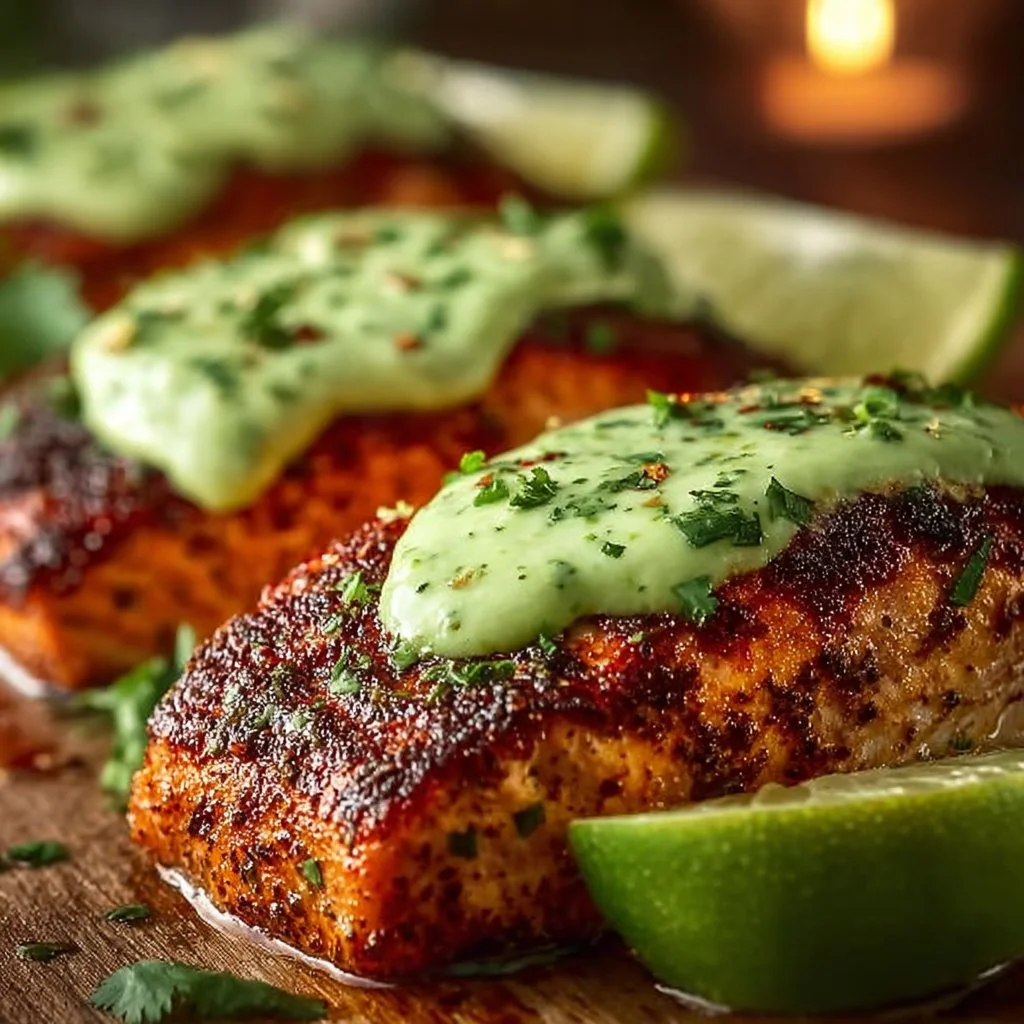
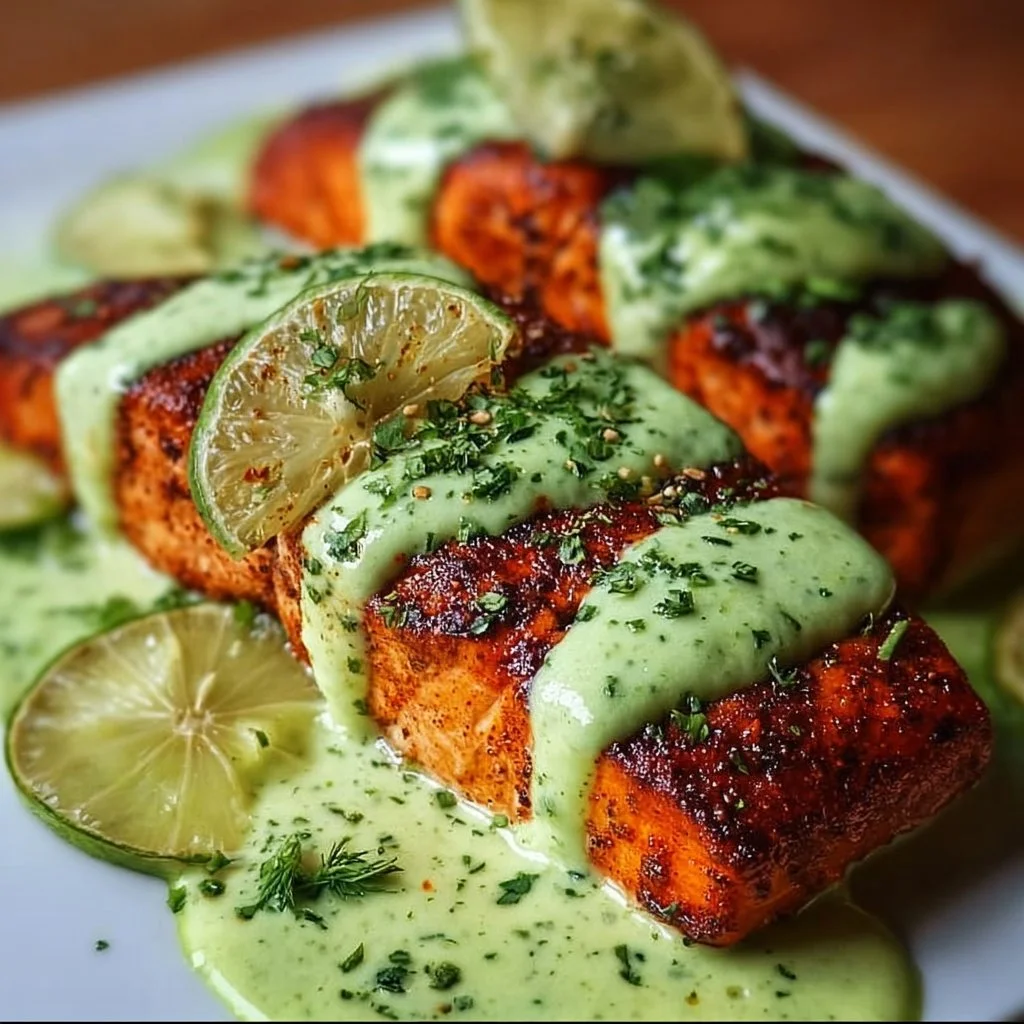
- Spoon or dollop the avocado lime sauce over each fillet, covering the top or serving on the side — your choice.
- Finish with a generous sprinkle of chopped cilantro and, if you like, a wedge of lime on the plate.
- Serve immediately and enjoy
- Serve right away while the salmon is warm and the sauce is cool for a pleasing contrast. This dish pairs beautifully with simple sides like roasted vegetables, a light salad, or fluffy rice.
Mini-tips and variations sprinkled through the steps
- For an ultra-smooth sauce: blend avocado and yogurt in a small processor with lime juice and a pinch of salt; stop early to preserve a little texture.
- For smoky depth: choose smoked paprika within the Cajun spice or add a dash to the sauce.
- For extra crunch: quick-toast some pepitas or sliced almonds and sprinkle over the sauce just before serving.
Serving Suggestions & Storage Tips — Serving Baked Cajun Salmon with Avocado Lime Sauce
Serving ideas and presentation
- Simple weeknight plate: serve the salmon over steamed jasmine or basmati rice, spooning sauce over the top and adding a side of roasted asparagus.
- Fresh salad bowl: flake the salmon over a bed of mixed greens, cherry tomatoes, cucumber, and a light vinaigrette; drizzle with extra sauce.
- Grain bowl: tuck the salmon alongside quinoa, roasted sweet potatoes, and charred corn for a colorful, nutrient-packed bowl.
- Family-style: serve the fillets whole on a platter with sauce in a bowl for guests to help themselves.
Pairings and accompaniments
- Vegetables: roasted broccoli, sautéed green beans, oven-roasted carrots, or a simple cucumber and tomato salad.
- Grains: citrusy couscous, herbed quinoa, or warm pilaf.
- Light carbs: toasted sourdough slices or warm tortillas for a salmon taco twist (top with additional cilantro and lime).
Creative serving variations
- Salmon tacos: flake the salmon into warmed corn tortillas, top with avocado lime sauce, shredded cabbage, and cilantro.
- Open-faced sandwiches: place a fillet on toasted whole-grain bread spread with a thin layer of the sauce and arugula.
- Mini lettuce wraps: use butter lettuce leaves, add flaked salmon, a spoon of sauce, and a sprinkle of chopped cilantro for a light appetizer.
Storage and reheating
- Refrigerator storage: store leftover salmon and sauce separately in airtight containers. Salmon will keep in the fridge for 2–3 days; the avocado sauce is best used within 24–48 hours for peak freshness (it may darken slightly but will still taste fine if stored with extra lime juice).
- Freezing: I don’t recommend freezing the avocado lime sauce (it gets watery and grainy after thawing). You can freeze cooked salmon for up to 2 months, but thaw it slowly in the fridge and plan to serve with a freshly made sauce.
- Best reheating methods:
- Oven: reheat salmon at 275°F (135°C) covered with foil for 10–15 minutes until warmed through — this helps preserve moisture.
- Stovetop: gently reheat in a nonstick skillet over low heat with a splash of water and cover briefly.
- Microwave: if you must, use short bursts (20–30 seconds) on medium power and check often to avoid drying out.
Serving tips to preserve texture
- Always reheat gently — high heat quickly dries salmon.
- Add the avocado lime sauce fresh after reheating for the best contrast of warm fish and cool creaminess.
Helpful Notes & Variations — Baked Cajun Salmon with Avocado Lime Sauce
Ingredient swaps and substitutions
- Salmon substitutes: if you prefer a milder fish, try this method with cod or halibut, but reduce cooking time for thinner fillets.
- Dairy-free sauce: swap Greek yogurt or sour cream for a dairy-free yogurt or a neutral-flavored vegan mayo; lime brightens flavors nicely.
- Low-FODMAP option: omit onion/garlic-heavy Cajun blends and use a simplified spice mix: smoked paprika, ground cumin, dried oregano, and a pinch of cayenne.
- Herb alternatives: if cilantro is unavailable or you dislike its flavor, use flat-leaf parsley or a tiny scattering of chopped chives for freshness.
Dietary adaptations
- Keto / low-carb: this recipe is naturally low-carb when paired with greens or roasted non-starchy vegetables.
- High-protein / paleo-friendly: use the Greek yogurt as-is for protein or choose creamy coconut yogurt for paleo-style (note flavor profile will change).
Flavor enhancements and add-ins
- Add a drizzle of good olive oil or a squeeze of fresh lime at the end to brighten each plate.
- For an herby twist, fold a spoonful of chopped fresh dill or basil into the sauce.
- If you like heat, mix a small pinch of cayenne into the sauce or add thinly sliced jalapeño to the top.
Common mistakes to avoid
- Overcooking the salmon: it’s the most common misstep. Aim for just-cooked salmon that flakes easily and retains moisture. Use an instant-read thermometer if unsure.
- Making the sauce too watery: avoid adding too much juice or water. If the avocado isn’t creamy enough, add yogurt gradually until you reach the right consistency.
- Leaving out the rest: let the fish rest 1–2 minutes after baking so juices redistribute — it keeps the fillets juicy.
Expert tips from my kitchen
- Taste the Cajun seasoning before using it — some blends are saltier or smokier than others. Adjust added salt accordingly.
- If you’re serving guests, prep the sauce in advance but wait to top the salmon until just before serving to preserve the visual and textural contrast.
- When broiling for a crisper top, keep the oven door slightly ajar (if safe with your oven) and watch closely — spices can quickly go from golden to burnt.
Conclusion
Baked Cajun Salmon with Avocado Lime Sauce is a reliable, flavor-forward dish that brings warmth and brightness to the dinner table. It gives you the comfort of a home-cooked meal with a restaurant-quality feel thanks to the smoky Cajun crust and the cooling, creamy avocado lime topping. Whether you’re feeding family on a weekday or hosting friends for a relaxed evening, this dish is easy to scale and pairs beautifully with a variety of sides. If you want more inspiration for similar bright and zesty salmon dishes, check out this riff on a Cajun-spiced baked salmon with avocado lime sauce, a citrus-forward chili lime baked salmon with avocado salsa idea, or a herb-forward baked cilantro lime salmon with avocado salsa for more ways to serve salmon with bright, creamy toppings. Try the recipe, leave a comment and star rating below to tell me how it went, and pin it for later so it’s ready for your next cozy night in.
Frequently Asked Questions
How do I keep baked salmon moist instead of drying it out?
The best approach is to avoid overcooking: bake at 400°F (200°C) and start checking at about 10–12 minutes for thinner fillets. Remove the salmon when it flakes easily and is just opaque in the center. Rest it for a minute or two before serving so juices redistribute. Using a little olive oil and baking on parchment helps retain moisture. If you have an instant-read thermometer, aim for an internal temperature of about 125–130°F (52–54°C) for medium and up to 145°F (63°C) if you prefer it more done.
Can I make the avocado lime sauce ahead of time?
You can prepare the sauce a few hours ahead, but it’s best to hold any assembled plates until serving. Avocado tends to darken when exposed to air; to slow this, press plastic wrap directly onto the sauce surface and refrigerate, or add a touch more lime juice. For peak color and texture, make the sauce within an hour of serving or fresh if possible.
What are good side dishes to serve with Cajun salmon?
Light, fresh sides balance the spiciness nicely. Try roasted or steamed vegetables (asparagus, green beans, broccoli), a simple mixed-green salad with citrus vinaigrette, herbed rice or quinoa, or roasted sweet potatoes. For an easy one-pan approach, roast vegetables on a separate tray in the same oven so everything finishes together.
Is Cajun seasoning gluten-free and suitable for different diets?
Many Cajun seasoning blends are naturally gluten-free, but always check the label for additives. If you need a guaranteed gluten-free or low-sodium option, make your own mix with smoked paprika, garlic powder, onion powder, cayenne, dried oregano, and thyme. This lets you control salt and spice level to suit paleo, keto, or low-FODMAP adaptations.
How should I reheat leftovers without losing texture?
Reheat gently in a 275°F (135°C) oven, covered with foil, for about 10–15 minutes until warmed through. This low, steady heat helps preserve moisture. Alternatively, reheat in a skillet over low heat with a splash of water, covered. Avoid high heat or long microwave bursts that dry the fish. Always add the avocado lime sauce fresh after reheating for the best contrast and texture.
Can I use this method for other fish?
Yes — this seasoning and sauce pair well with firmer white fish like cod or halibut. Thinner fillets will need less time in the oven, so watch closely. For very delicate fish, assemble with gentler spices and reduce bake time to prevent drying.
Enjoy making this cozy, zesty salmon at home — I hope it becomes a favorite in your rotation. If you’ve tried variations or have a question, I’d love to read your notes below.
Baked Cajun Salmon with Avocado Lime Sauce
Ingredients
Method
- Preheat your oven to 400°F (200°C). Line a baking sheet with parchment paper or a silicone mat.
- Pat the fillets dry with paper towels and place them skin-side down on the prepared baking sheet. Drizzle the olive oil over each fillet and rub to coat.
- Sprinkle the Cajun seasoning over each fillet and press it into the flesh. Add a pinch of salt and pepper.
- Bake the salmon for 12-15 minutes until it flakes easily with a fork. For a crisper top, broil for the last 1-2 minutes.
- In a small bowl, mash the avocado and mix in lime juice, Greek yogurt (or sour cream), salt, and pepper until smooth.
- Remove the salmon from the oven and let it rest for 1-2 minutes. Spoon the avocado lime sauce over each fillet and garnish with chopped cilantro.
- Serve the salmon warm with the sauce on the side. Enjoy!