

Biscoff Cookie Butter Cake — have you ever tasted something so warmly familiar it feels like a hug? The first time I mixed cookie butter into a cake batter, I remember asking my partner, “Does this smell like fall to you?” You laughed, took a bite, and declared it official comfort food. If you’ve ever loved the caramelized, cinnamon-forward flavor of Biscoff or speculoos spread, this cake is built for those quiet afternoons with a mug of tea or for showing up at a potluck with confidence. I’ll walk you through the whole thing—simple pantry ingredients, easy steps, and the small tricks I use that make the crumb tender and the flavor sing. If you enjoyed some of my oven tricks from my Guinness chocolate cake, those same friendly techniques apply here.
Why You’ll Love This Recipe
- Quick and approachable: no fancy equipment or tricky techniques required
- Uses accessible ingredients most home bakers already have or can easily find
- Perfect for cooler seasons or whenever you crave warm, spiced sweets
- Comforting and nostalgic—fantastic for family gatherings or cozy solo baking sessions
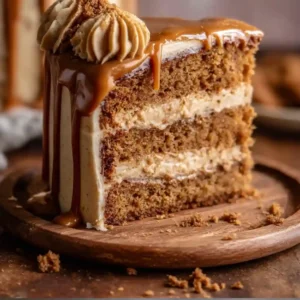
What makes this version unique: instead of layering multiple components or complicated frosting, this cake celebrates Biscoff cookie butter right in the batter. The result is a single-layer, tender crumb that tastes like cookie butter in every forkful. Emotionally, this recipe is about easy pleasures: the satisfaction of baking something from scratch that instantly feels homemade and thoughtful. It builds confidence because the steps are forgiving, and the aroma that fills your kitchen is instant reward.
Ingredients Needed
For clarity, I’ve grouped the ingredients and added small notes so you know when swaps are possible.
For the cake batter:
- 1 cup Biscoff cookie butter (smooth is classic; if you have crunchy, see swaps below)
- 1 cup packed brown sugar (light or dark both work; dark gives a deeper molasses note)
- 1/2 cup unsalted butter, softened to room temperature (can use salted butter—omit added salt listed below)
- 2 large eggs, at room temperature (helps with even mixing and rise)
- 1 cup all-purpose flour, spooned and leveled for accuracy
- 1 teaspoon baking powder (for lift)
- 1/2 teaspoon ground cinnamon (adds warm spice—optional extra if you love spice)
- 1/4 teaspoon fine salt (balances the sweetness; omit if using salted butter)
- 1/2 cup milk (whole milk gives the richest crumb; low-fat is fine too)
- Powdered sugar for dusting (optional, for a pretty finish)
Quick ingredient notes:
- Cookie butter: look for Biscoff or any speculoos cookie butter without alcohol or pork-based additives (these spreads are plant-based and safe).
- Brown sugar: pack the cup lightly—no need to compact it hard.
- Milk and eggs: room temperature helps the batter come together smoothly and improves texture.
Ingredients & Equipment Notes
Useful tools that will make baking this cake easier:
- Electric hand mixer or stand mixer: speeds up creaming and yields a smoother batter, though you can mix by hand with a sturdy wooden spoon.
- 9-inch round cake pan: gives the classic shape; a square 8×8 inch pan can work (bake time may change).
- Parchment paper: lining the bottom of the pan prevents sticking and makes unmolding hassle-free.
- Cooling rack: allows the cake to cool evenly and prevents steam from making the bottom soggy.
- Measuring spoons and cups: accurate measurements matter—especially with flour and baking powder.
How these tools help:
- A mixer aerates the butter and sugar, creating lift and a tender crumb.
- A rack avoids condensation so the cake freezes or stores with better texture.
- Parchment ensures the cake keeps its shape when you invert it.
(If you’re short on equipment, read through the steps—there are small in-bowl hacks to adapt.)
Instructions – How to Make “Biscoff Cookie Butter Cake”
- Preheat your oven to 350°F (175°C). Grease a 9-inch round cake pan and line the bottom with parchment paper, then grease the parchment as well. Preheating ensures the batter begins rising as soon as it hits the oven; the parchment helps the cake come out cleanly when it’s cooled enough to remove.
- In a large mixing bowl, combine 1 cup Biscoff cookie butter, 1/2 cup softened unsalted butter, and 1 cup packed brown sugar. Cream these together until smooth and slightly lighter in color—about 2–3 minutes with a mixer, longer if mixing by hand. You’re aiming for a silky mixture where the cookie butter is evenly incorporated; this is the flavor base.
- Why this matters: properly creaming traps tiny air pockets around the butter, contributing to a tender rise.
- Add the eggs one at a time, beating well after each addition until each egg is fully blended. Scrape the sides of the bowl once or twice so everything mixes evenly. The batter will look glossy and come together smoothly.
- Visual cue: the mixture should be homogenized, no streaks of egg whites or lumps of butter.
- In a separate bowl, whisk together the dry ingredients: 1 cup all-purpose flour, 1 teaspoon baking powder, 1/2 teaspoon ground cinnamon, and 1/4 teaspoon salt. Whisking distributes the leavening and spices so the cake bakes up evenly.
- Mini tip: run the flour through a fine-mesh sifter or whisk vigorously to break up clumps; no need for full sifting unless the flour is lumpy.
- Add the dry ingredients to the wet mixture in three additions, alternating with the milk (start and end with the dry ingredients). Mix on low until just combined—over-mixing develops gluten and can make the cake tough. The batter should be thick but pourable.
- Why alternate: adding dry and wet in turns helps the batter incorporate smoothly and keeps the texture tender.
- Pour the batter into the prepared cake pan and smooth the top with a spatula. Tap the pan gently on the counter once to release any large air bubbles.
- Visual cue: the surface should be even and glossy, not full of bubbles—small bubbles are fine.
- Bake for 25–30 minutes, or until a toothpick inserted into the center comes out clean or with a few moist crumbs attached. Ovens vary—begin checking at 22 minutes to avoid over-baking.
- Mini-tip: if the top is browning too quickly but the center isn’t set, drape a piece of foil loosely over the pan and continue baking.
- Let the cake cool in the pan for 10 minutes to settle; then run a thin knife around the edge and transfer the cake to a wire rack to cool completely. Cooling in the pan helps the cake firm just enough for easy removal.
- Once cool, dust the top with a light snowfall of powdered sugar if desired, slice, and serve. The powdered sugar is optional but gives a charming bakery look and a hint of extra sweetness on the first bite.
Serving Suggestions & Storage Tips
Serving ideas:
- Serve warm or at room temperature with a dollop of whipped cream or a scoop of vanilla ice cream—the cool creaminess balances the spiced, caramel-like richness.
- For a cozy brunch, pair slices with a hot latte or spiced tea.
- Presentation tip: dust with powdered sugar and garnish with crushed Biscoff cookies or toasted hazelnuts for texture contrast.
Pairings and accompaniments:
- Creamy components: lightly sweetened whipped cream, mascarpone, or a simple cream cheese frosting (if you want a richer cake).
- Fresh fruit: sliced pears or apple compote add a bright note that complements the cinnamon.
- Drinks: coffee, chai latte, or a straightforward black tea heighten the cake’s warming spices.
Storage and reheating:
- Room temperature: Keep the cake covered with a cake dome or wrapped loosely in plastic wrap for up to 2 days.
- Refrigerator: Store in an airtight container for up to 5 days. Bring to room temperature before serving to restore tenderness.
- Freezing: Wrap individual slices tightly in plastic, then foil, and freeze for up to 2 months. Thaw in the refrigerator overnight or at room temperature for a few hours.
- Reheating methods: Gently warm a single slice in the microwave for 10–15 seconds (watch closely) or in a 300°F (150°C) oven for 5–8 minutes wrapped in foil to avoid drying.
Make-ahead tips:
- You can bake the cake the day before a gathering and finish it with powdered sugar or toppings just before serving for a fresh look.
- If planning to frost or top with whipped cream, assemble close to serving time to keep the cream stable.
(If you like prepping ahead, check my notes on equipment and timing—I’ve used these same scheduling approaches in other layered cakes and they translate well here.)
Helpful Notes & Variations
Ingredient swaps and substitutions:
- Cookie butter: If you only have crunchy cookie butter, you can use it for a crunchier texture; you may want to spoon it into a bowl and stir vigorously to redistribute the oil first. If you want a nut-free alternative, cookie butter is already typically nut-free, but always check the label if allergies are a concern.
- Flour: For a slightly denser cake, swap half the all-purpose flour for whole wheat pastry flour (not regular whole wheat).
- Milk: Use any dairy-free milk (oat, almond, soy) in equal measure for a lactose-free version; the crumb will be slightly different but still delightful.
- Butter: If you must use salted butter, reduce the added salt by half.
Flavor enhancements and add-ins:
- Stir in 1/2 cup chopped toasted hazelnuts or walnuts for crunch—fold them in with the dry ingredients.
- Fold in 1/2 cup dark chocolate chips for pockets of melting chocolate that pair beautifully with cookie butter.
- Add 1 teaspoon vanilla extract for extra depth (not in the original ingredient list but a common enhancement).
Dietary adaptations:
- Gluten-free: Use a 1:1 gluten-free baking flour that includes xanthan gum; texture may vary slightly.
- Vegan: To adapt, use a vegan butter, plant-based milk, and egg replacer (like flax egg or a commercial binder); results will be denser but still tasty—experiment with a small test batch.
Common mistakes to avoid:
- Over-mixing after adding flour: this creates gluten and a tougher cake—mix until just combined.
- Not measuring flour properly: spoon flour into the cup and level—scooping can pack too much flour into the cup and dry the cake.
- Baking too long: check early; over-baked cake loses its soft crumb and cookie butter aroma.
Small baking tricks I love:
- Let the butter and eggs come to room temperature before starting—this reduces the risk of a curdled batter and encourages even creaming.
- Gently warm very thick cookie butter in short bursts in the microwave (10-second increments) if it’s too stiff to mix; it should be spreadable but not runny.
(If you’re curious about other flavor combinations or frostings, I’ve tried pairing cookie butter cakes with both mascarpone and brown-butter buttercream with good results—try a small batch first.)
Conclusion
This Biscoff Cookie Butter Cake brings together simple pantry ingredients and a warmly spiced, caramelized cookie flavor that feels like home in every bite. It’s a single-layer cake that’s forgiving to make, easy to dress up or enjoy plain, and a reliable crowd-pleaser whether you’re baking for family afternoon tea or a neighborly potluck. If you want inspiration for a more elaborate two-layer version or a buttercream pairing, I often turn to recipe notes from trusted blogs—one beautifully simple take is available at Biscoff Cake (Cookie Butter Cake) – Liv for Cake, and another excellent buttercream-focused approach can be seen at Biscoff Cake with Cookie Butter Buttercream – Supergolden Bakes.
Before you go, try this recipe, then come back and tell me how it turned out—what did you pair it with, or what twist did you add? If you loved it, please leave a comment and a star rating below, and pin it for later on Pinterest so others can find this cozy cake.
Frequently Asked Questions
Can I use crunchy Biscoff cookie butter instead of smooth?
Yes, you can. Crunchy cookie butter will add little cookie pieces and texture to the crumb. If the cookie butter is very oily or separated, stir or briefly microwave in 10-second bursts (stirring between) until it reaches a spreadable consistency. The bake time and texture remain essentially the same.
How can I tell when the cake is fully baked without overcooking?
Insert a toothpick into the center; it should come out with a few moist crumbs attached—not wet batter. The cake’s edges will also pull slightly away from the pan, and the top will be lightly golden. Start checking at 22 minutes, since oven temperatures vary.
Can I make this cake gluten-free or dairy-free?
Yes. Use a quality 1:1 gluten-free flour blend for a gluten-free version; expect a slightly different crumb. For dairy-free, swap in plant-based milk and vegan butter. For vegan eggs, try a commercial egg replacer or a flax egg (1 tablespoon ground flaxseed + 2.5 tablespoons water per egg, chilled until gelled), but texture may be denser.
What’s the best way to store leftovers so the cake stays moist?
Store slices in an airtight container at room temperature for up to 2 days, or refrigerate for up to 5 days. To freeze, wrap slices tightly in plastic and foil; freeze up to 2 months. Thaw refrigerated overnight for the best texture.
Can I turn this into cupcakes or a loaf cake?
Yes. For cupcakes, fill liners about 2/3 full and bake at 350°F (175°C) for 15–20 minutes, checking early. For a loaf pan (9×5 inch), bake at 350°F for 40–55 minutes—start checking at 35 minutes. Adjust times as needed and use the toothpick test.
My cake sank in the middle—what went wrong?
Common causes: underbaked center (remove earlier next time), opening the oven door too early which collapses the rising structure, or too much leavening. Check your baking powder is fresh and be gentle when folding and transferring batter.
Enjoy baking, and don’t forget to share how you served your slice—there’s something special about hearing the little stories that come with a homemade cake.

Biscoff Cookie Butter Cake
Ingredients
Method
- Preheat your oven to 350°F (175°C). Grease a 9-inch round cake pan and line the bottom with parchment paper, then grease the parchment as well.
- In a large mixing bowl, combine Biscoff cookie butter, softened unsalted butter, and packed brown sugar. Cream together until smooth and slightly lighter in color—about 2–3 minutes with a mixer, longer if mixing by hand.
- Add the eggs one at a time, beating well after each addition until fully blended.
- In a separate bowl, whisk together the dry ingredients: all-purpose flour, baking powder, ground cinnamon, and fine salt.
- Add the dry ingredients to the wet mixture in three additions, alternating with the milk. Mix on low until just combined.
- Pour the batter into the prepared cake pan and smooth the top with a spatula.
- Bake for 25–30 minutes, or until a toothpick inserted into the center comes out clean or with a few moist crumbs attached.
- Let the cake cool in the pan for 10 minutes, then transfer it to a wire rack to cool completely.
- Once cool, dust the top with powdered sugar if desired, slice, and serve.


