Biscoff Cookie Butter Cake is my cozy hello when I want something that feels like a warm hug and a little indulgence rolled into one. I remember the first time I stirred cookie butter into batter—there was this instant cinnamon-baked aroma that transported me back to slow Sunday mornings. This recipe uses Biscoff cookie butter, brown sugar, butter, eggs, and a splash of buttermilk so the crumb stays tender and comforting. If you love the caramelized spice of cookie butter and a soft, sliceable cake to share, you are in the right kitchen. For my original take and step photos, I also referenced my own Biscoff Cookie Butter Cake recipe as I refined this version.
Why You’ll Love This Recipe
- Quick and easy to prepare, with a straightforward batter you can mix in one bowl.
- Uses simple, pantry-friendly ingredients you likely already have or can grab easily.
- Perfect for chilly afternoons, holiday gatherings, or when you want a comforting dessert that feels special.
- Impresses guests without demanding fancy techniques; it is forgiving and reliably delicious.
What sets this cake apart is the generous use of Biscoff cookie butter that gives each bite that signature spiced caramel flavor rather than just a hint. I tuned the sweetness with brown sugar and a little tang from buttermilk so the cake does not feel cloying. This is the kind of recipe that builds confidence—no fussy layers, just a single 9-inch pan that rewards you with warm, fragrant slices. Emotionally, it’s the cake I turn to when I want to bring comfort to a neighbor, celebrate a small win, or cozy up with a mug of tea.
Ingredients Needed
Below are the ingredients rewritten slightly for clarity, with notes for freshness and swaps.
Wet Ingredients
- 1 cup Biscoff cookie butter (room temperature for easy mixing)
- 1/2 cup unsalted butter, softened but not melted
- 2 large eggs (preferably room temperature)
- 1 teaspoon pure vanilla extract
- 1/2 cup buttermilk (see substitution ideas below)
Dry Ingredients
- 1 cup packed brown sugar (light or dark works; dark is richer)
- 1 cup all-purpose flour (sifted if lumpy)
- 1 teaspoon baking powder
- 1/2 teaspoon ground cinnamon
- 1/4 teaspoon fine salt
Substitution notes
- Buttermilk swap: If you do not have buttermilk, stir 1/2 cup milk with 1/2 tablespoon lemon juice or white vinegar and let sit 5 minutes until slightly thickened.
- Cookie butter variations: You can use a smooth speculoos cookie butter or a chunkier version for texture differences.
- Sweetener: For a lighter caramel note, try half brown sugar, half granulated sugar, but keep in mind the moisture and flavor will shift slightly.
Quick Tools to Have Ready
Ingredients & Equipment Notes (Optional)
A few practical tool notes to make the bake go smoothly:
- 9-inch round cake pan: This recipe is sized for a standard 9-inch round. A springform is okay if you want an easy release.
- Electric mixer or sturdy whisk: Creaming the cookie butter and butter is easier with a handheld or stand mixer, but a whisk and a bit of elbow grease will do the job.
- Rubber spatula: For scraping down the bowl and ensuring even mixing.
- Toothpick or cake tester: To check for doneness; you want it to come out with a few moist crumbs, not raw batter.
- Cooling rack: Let the cake cool evenly and avoid a soggy bottom.
These items are small investments that help with consistent results and a neat bake.
Instructions – How to Make “Biscoff Cookie Butter Cake”
- Preheat your oven to 350°F (175°C) and prepare a 9-inch round cake pan by greasing it well with butter or nonstick spray, then lightly flouring the bottom. This creates a nonstick surface and helps the cake release cleanly after baking.
- In a large mixing bowl, cream together 1 cup Biscoff cookie butter and 1/2 cup softened unsalted butter until the mixture is smooth and slightly glossy. This step incorporates air and blends the spiced cookie fat evenly through the batter. Tip: start on low speed and increase to medium; you want the mixture uniform, not whipped into peaks.
- Add 1 cup packed brown sugar to the cookie butter mixture and beat until well combined and the sugar begins to dissolve. You should smell the caramel notes releasing; the texture will be grainy at first but will smooth as you combine.
- Beat in the 2 large eggs one at a time, mixing well after each addition, then stir in 1 teaspoon vanilla extract. Adding eggs slowly helps build structure and prevents curdling. The batter should look glossy and cohesive.
- In a separate bowl, whisk together 1 cup all-purpose flour, 1 teaspoon baking powder, 1/2 teaspoon ground cinnamon, and 1/4 teaspoon salt. Sifting or vigorous whisking ensures even distribution of the leavening and spices so the cake rises uniformly.
- Gradually incorporate the dry ingredients into the wet cookie butter mixture, alternating with 1/2 cup buttermilk—begin and end with the dry ingredients. Mix until just combined; avoid overmixing. Why this matters: alternating hydrates the flour evenly and buttermilk adds a tender crumb and slight tang that cuts through the cookie butter’s sweetness.
- Pour the batter into the prepared 9-inch cake pan and smooth the top with a spatula. The batter should be thick but pourable; it will settle into the pan and bake into an even layer.
- Bake in the preheated oven for 25 to 30 minutes. Start checking at 25 minutes. Insert a toothpick into the center; it should come out clean or with a few moist crumbs clinging to it—not wet batter. Visual cues: the top will be golden with a faint crackle, and the edges will pull slightly away from the pan.
- Remove the cake from the oven and allow it to cool in the pan on a wire rack for 10 to 15 minutes. This brief rest helps the cake set so it will release smoothly. After the short cool, run a knife around the edge and invert onto the rack to cool completely, or leave in the pan if you plan to serve warm.
Why each step matters: preheating sets the right oven environment for even rise; creaming builds texture; alternating dry and wet prevents a dense cake; and the cool-down period stabilizes the crumb for neat slices.
Mini tips
- If your cookie butter has separated (oil on top), stir it well before measuring so you use the full flavor.
- Use room temperature eggs and softened butter to prevent last-minute curdling when mixing.
- For an extra tender crumb, fold the final additions gently with a spatula rather than beating at high speed.
Serving Suggestions & Storage Tips
Serving ideas
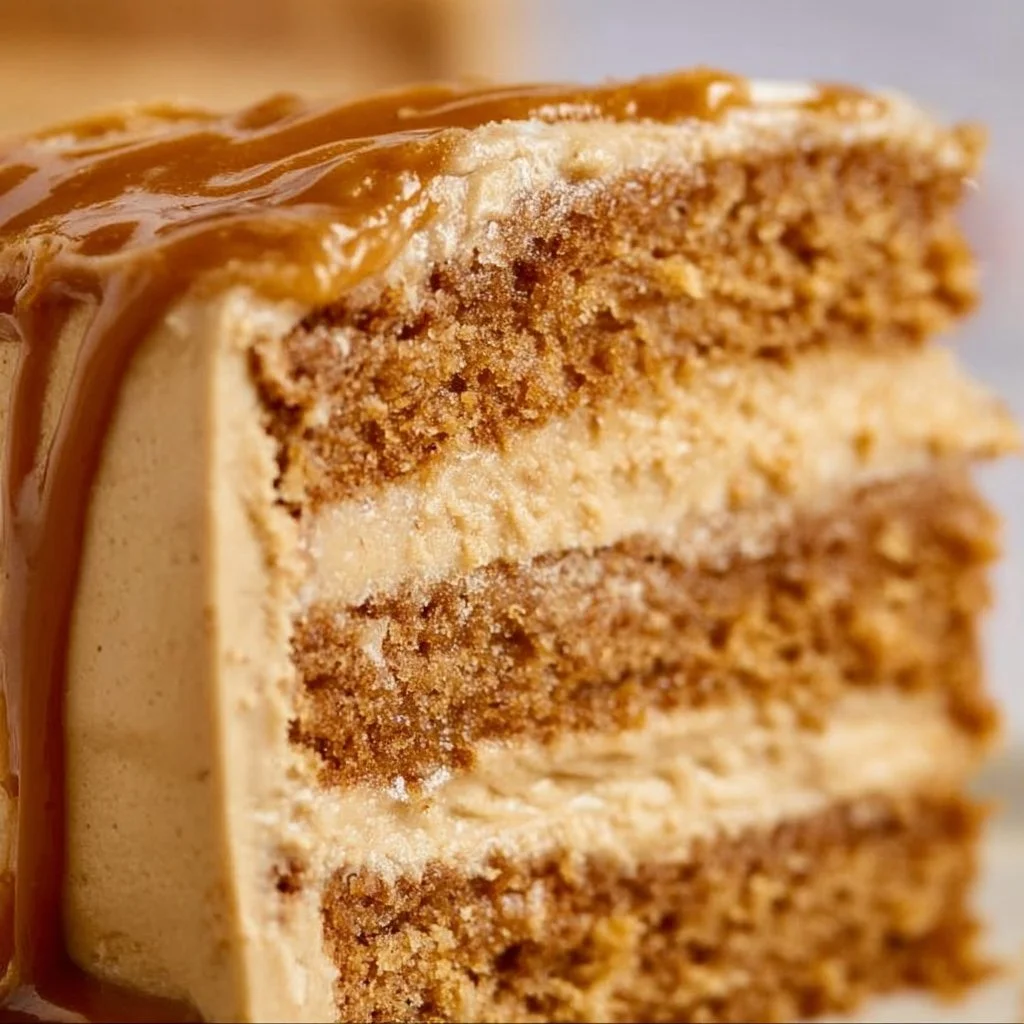
- Serve slices warm with a dollop of whipped cream or a spoonful of vanilla ice cream for a dessert that feels indulgent but not fussy.
- For breakfast or tea, lightly toast a slice and pair it with a milky coffee or spiced tea.
- Top with crushed Biscoff cookies for crunch and extra visual appeal.
Presentation tips
- Dust the top lightly with powdered sugar and arrange thin apple or pear slices for an autumnal look.
- For gatherings, cut the cake into small squares and arrange on a platter with small forks—perfect for potlucks.
Pairings
- The cake pairs beautifully with simply brewed coffee or chai-style tea. If you want a richer pairing, a creamy hot chocolate complements the cookie butter spice notes.
- For a contrasting texture, serve with a tangy lemon curd or berry compote to balance sweetness.
Creative variations
- Layer with cookie butter buttercream for a show-stopping celebration cake.
- Fold chopped roasted hazelnuts or toasted pecans into the batter for crunch.
- Swirl a ribbon of chocolate hazelnut spread into the batter for a marbled effect.
Storage
- Room temperature: Store covered at room temperature for up to 2 days in a cake dome or airtight container.
- Refrigerator: Keep in an airtight container for up to 5 days; bring to room temperature before serving for best texture.
- Freezer: Wrap tightly in plastic wrap and then foil, or place in an airtight container, and freeze for up to 2 months. Thaw in the refrigerator overnight and then bring to room temperature.
Best reheating methods
- Microwave: For a quick warm slice, microwave for 10 to 15 seconds; check and add pulses as needed.
- Oven: Reheat at 300°F (150°C) wrapped in foil for 8 to 12 minutes for an even, warmed-through slice.
- To revive a refrigerated slice, let it sit at room temperature for 30 minutes, then warm briefly if desired.
For a serving idea that pairs well with the buttermilk tenderness here, I sometimes revisit a contrasting buttermilk-rich recipe like my Guinness chocolate cake with Irish buttercream when planning dessert menus so textures and flavors balance across courses.
Helpful Notes & Variations
Ingredient substitutions
- Flour alternatives: You can try a 1:1 gluten-free flour blend, but expect differences in crumb and moisture. Add a tablespoon of extra buttermilk if the batter seems thick.
- Sweetener swaps: Coconut sugar or a mix of brown and granulated sugar will change the caramel depth; use dark brown sugar for more molasses flavor.
- Butter replacers: For a dairy-free version, use a plant-based butter alternative and coconut-based or almond milk soured for buttermilk—note texture variations.
Dietary adaptations
- Vegan adaptation: Replace butter with vegan butter, eggs with flax eggs (2 tablespoons ground flaxseed + 6 tablespoons water, chilled 10 minutes), and use plant-based buttermilk. The rise and crumb will be slightly different but still delicious.
- Lower sugar: Reduce brown sugar by 1/4 cup and add a touch more vanilla to compensate, but texture will be drier; consider a short syrup (equal parts sugar and water boiled) brushed over warm slices to add moisture.
Flavor add-ins
- Citrus: Add 1 teaspoon orange zest to brighten the spice notes.
- Nuts: Toasted pecans or hazelnuts folded in give a toasty counterpoint to the cookie butter.
- Chocolate: Fold in 1/3 cup mini chocolate chips or a handful of chopped dark chocolate for pockets of richness.
Common mistakes and how to avoid them
- Overmixing the batter: This develops gluten and makes the cake chewy. Mix until just combined and stop.
- Using cold eggs or cold butter: This can cause the batter to curdle or not combine smoothly. Let ingredients come to room temperature.
- Overbaking: Check at the earlier end of the baking window; oven temperatures vary. Look for the toothpick with moist crumbs, not wet batter.
Experience-based tips
- Slightly warm cookie butter in a microwave-safe bowl for 10 to 15 seconds if it’s too stiff to mix; do not overheat.
- If you plan to frost the cake, cool completely to avoid melting any icing.
- For even slices, use a serrated knife and a gentle sawing motion; wipe the knife between cuts for neat edges.
For inspiration on cookies or chewy treats that pair well with sliceable cakes, check out my roundup of cookie variation ideas for texture and flavor contrasts.
Conclusion
This Biscoff Cookie Butter Cake stands out because it captures that nostalgic cookie butter flavor in a tender, sliceable cake that is both comforting and impressively simple. Whether you are baking for quiet weeknight dessert, a festive brunch, or as a thoughtful gift for a friend, this cake brings warmth, sweet spice, and a little caramelized magic in every bite. Try this recipe and let the kitchen fill with spiced, cozy aroma while you enjoy carefree slices now or later. For extra technique inspiration and similar Biscoff-style cakes, I recommend checking these excellent resources: Liv for Cake’s Biscoff Cake (Cookie Butter Cake) for a slightly different approach, the lovingly detailed Moist Biscoff Cake from Cakes by MK if you want alternate texture tips, and Supergolden Bakes’ Biscoff Cake with Cookie Butter Buttercream for frosting ideas and beautiful finishes. If you make it, please leave a comment, a star rating, and share a photo on Pinterest or social media so others can find this cozy recipe.
Frequently Asked Questions
Can I make this recipe ahead of time?
Yes. You can bake the cake a day or two ahead. Store it covered at room temperature for up to 2 days or refrigerate for up to 5 days. If you need to prepare further ahead, freeze baked and wrapped for up to 2 months and thaw before serving.
How should I store leftovers and how long do they last?
Leftovers store well in an airtight container. At room temperature, aim to consume within 2 days; refrigerated, it will keep up to 5 days. For longer storage, tightly wrap and freeze slices for up to 2 months.
What is the best way to reheat or serve this recipe after storage?
For a quick warm slice, microwave for 10 to 20 seconds. For an even warm-through, reheat in a 300°F (150°C) oven wrapped in foil for 8 to 12 minutes. Bring refrigerated cake to room temperature before serving for best texture.
Can I adjust or substitute ingredients to fit my preferences?
Absolutely. Swap buttermilk for regular milk soured with lemon or vinegar, use dark brown sugar for deeper flavor, or try a gluten-free flour blend. For vegan versions, use flax eggs and plant-based butter, but expect minor texture changes.
Do you have tips to ensure the best texture and flavor every time?
Use room temperature eggs and softened butter to blend smoothly, avoid overmixing once the dry ingredients are added, and check for doneness at the early end of the baking time. Let the cake rest briefly in the pan, then cool on a rack for clean slicing and an even crumb.
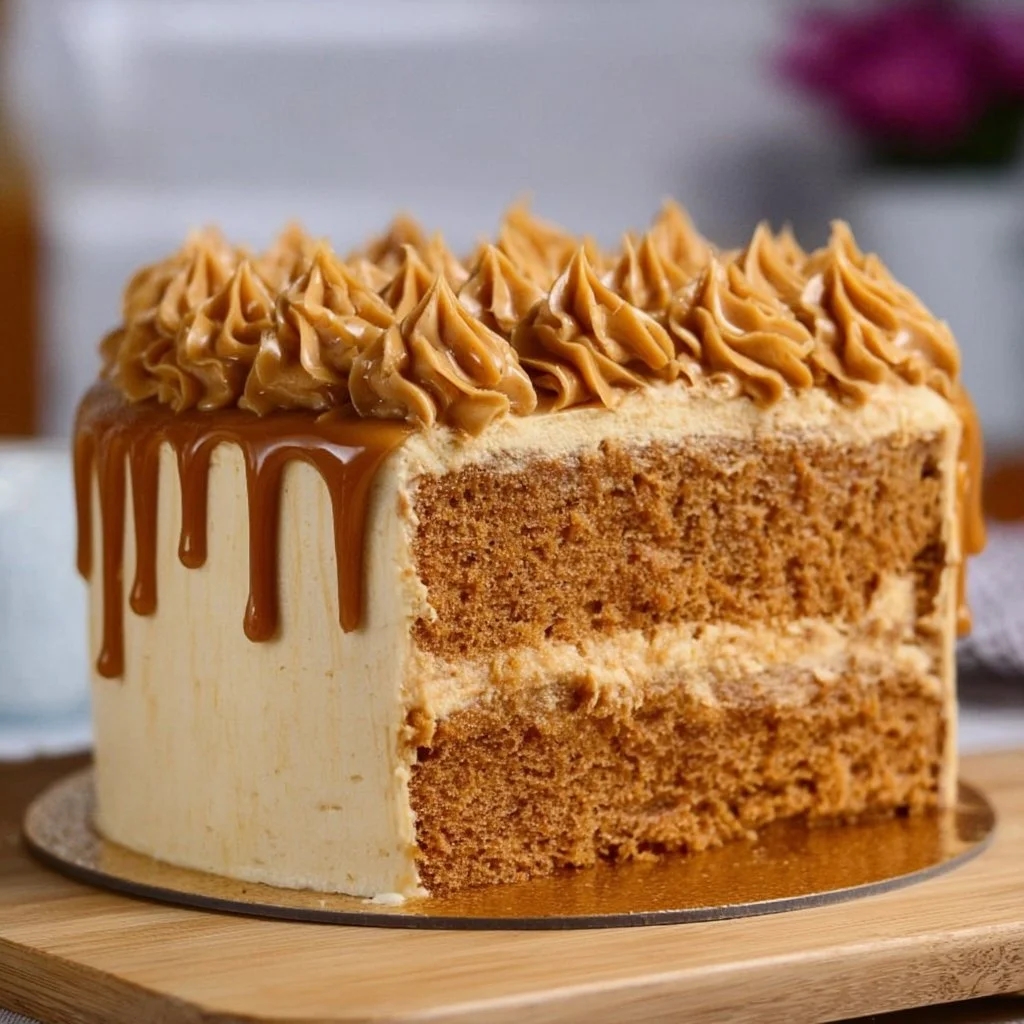
Biscoff Cookie Butter Cake
Ingredients
Method
- Preheat your oven to 350°F (175°C) and greased the 9-inch round cake pan with butter or nonstick spray, then lightly flour the bottom.
- In a large mixing bowl, cream together the Biscoff cookie butter and softened unsalted butter until smooth and glossy.
- Add brown sugar to the mixture and beat until well combined.
- Beat in the eggs one at a time, mixing well after each addition, then stir in the vanilla extract.
- In a separate bowl, whisk together flour, baking powder, ground cinnamon, and salt.
- Gradually incorporate the dry ingredients into the wet mixture, alternating with buttermilk, beginning and ending with dry ingredients.
- Mix until just combined, being careful not to overmix.
- Pour the batter into the prepared pan and smooth the top.
- Bake for 25 to 30 minutes, checking for doneness with a toothpick.
- Allow the cake to cool in the pan on a wire rack for 10 to 15 minutes before inverting onto the rack to cool completely.