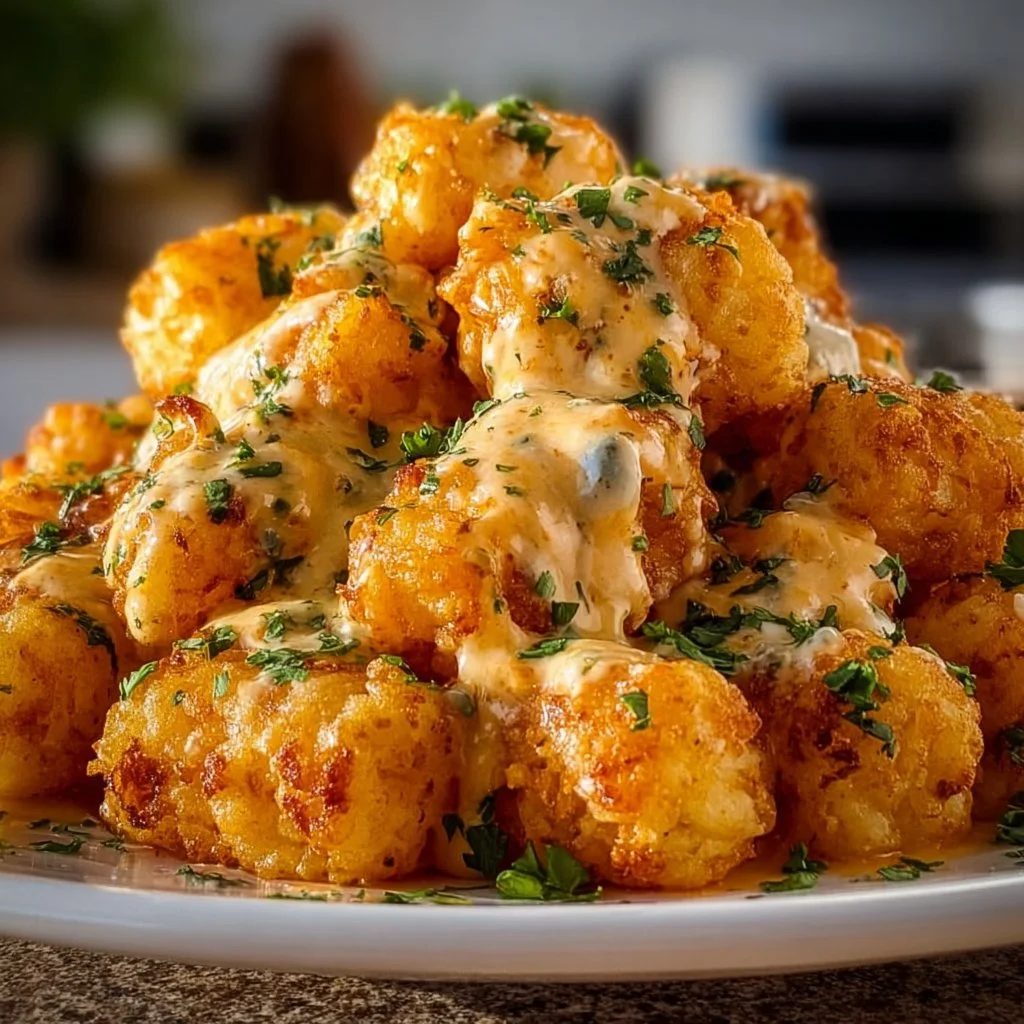
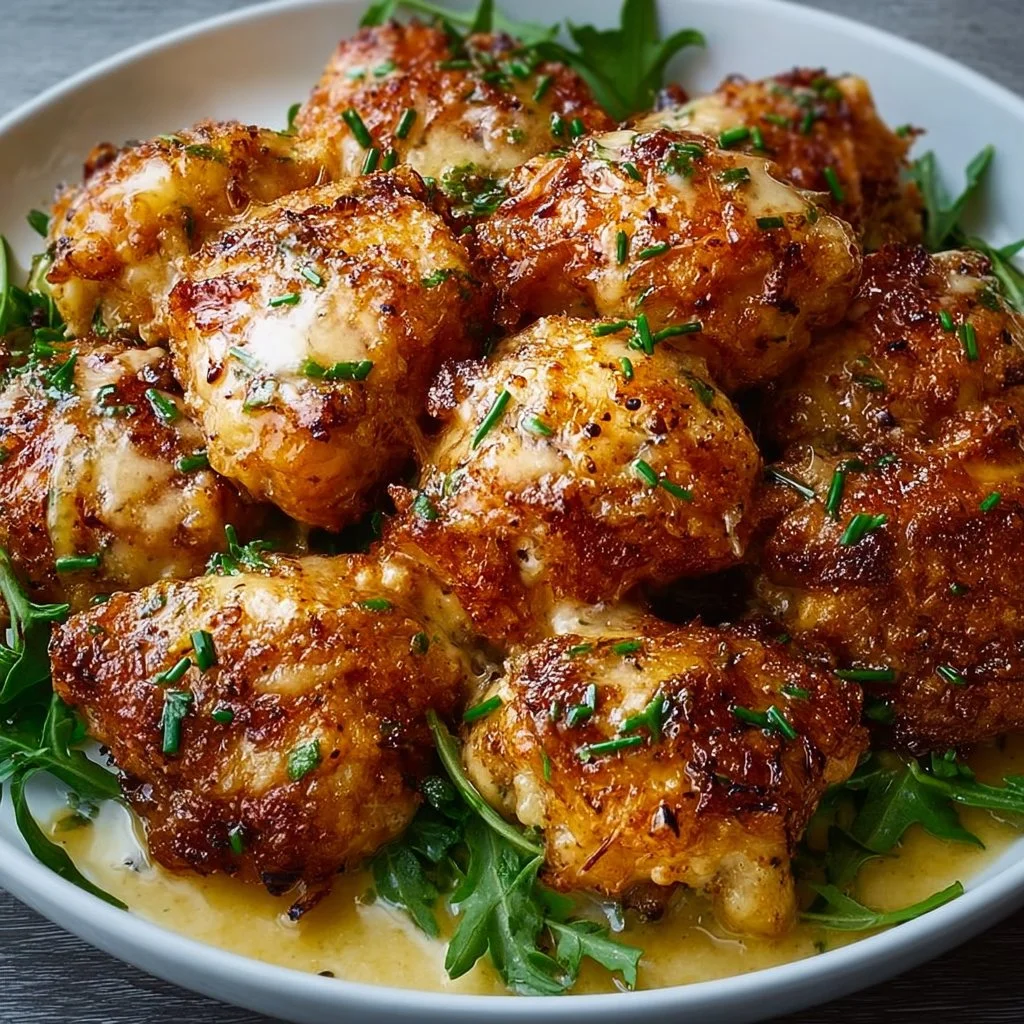
There’s something wonderfully cozy about a homemade chicken dinner that celebrates the season — bright herbs in spring, sun-kissed citrus in summer, or warming spices in fall. “Pin by All Recipes on food in 2026 | Recipes, Cooking recipes, Chicken dinner recipes” brings that comfort straight to your kitchen with a simple, from-scratch chicken dish built around juicy bone-in chicken, seasonal produce, and pantry-friendly aromatics. If you love recipes that feel timeless yet fresh, this is worth trying: it’s approachable for weeknights, show-stopping for weekend family meals, and flexible enough to adapt to what’s ripest at the market. If you’re dreaming of a seasonal menu, you might also enjoy browsing our picks for summer strawberry desserts to finish the meal on a sweet note.
Ingredients & Equipment
Ingredients (serves 4)
– 6 bone-in, skin-on chicken thighs or drumsticks (about 2 pounds) – 2 tablespoons olive oil (or avocado oil) – 1 large lemon (zest + juice) – 3 cloves garlic, minced – 1 tablespoon honey or maple syrup (optional for a glaze) – 1 teaspoon smoked paprika – 1 teaspoon dried oregano (or 1 tablespoon fresh, chopped) – 1/2 teaspoon ground black pepper – 1 teaspoon kosher salt (adjust to taste) – 1/2 cup low-sodium chicken broth or dry white wine – 1 medium onion, thinly sliced – 2 cups seasonal vegetables (asparagus, green beans, cherry tomatoes, or sliced carrots) – Fresh herbs for finishing: parsley, thyme, or basil – Optional: 1/4 cup plain Greek yogurt mixed with lemon zest for a cooling sauce
Notes:
- Bone-in, skin-on pieces give the best flavor and crisp skin; boneless breasts work too but cook faster and can dry out.
- Honey or maple adds a subtle glaze and golden color; omit for entirely savory profiles.
- Swap smoked paprika for sweet paprika or a pinch of cayenne for heat.
Equipment
– Large oven-safe skillet (cast-iron preferred) or roasting pan – Tongs and a chef’s knife – Cutting board – Measuring spoons and cups – Small bowl for marinade – Instant-read thermometer (helpful for perfect doneness) – Baking tray (if roasting vegetables separately)
Helpful tools: a heavy skillet like cast iron helps crisp the chicken skin and create fond for a pan sauce; an instant-read thermometer takes the guesswork out — chicken thigh internal temp should reach about 175°F for tender, fully-cooked meat.
Also, if you like sweet-savory finishes, this recipe’s layering of flavors is inspired by similar glazed chicken techniques — check out this apricot chicken inspiration for ideas on fruity glazes you can adapt.
Step-by-Step Instructions (with tips)
Below is a straightforward method that gives crisp skin, juicy meat, and a bright seasonal finish. Read through the steps before you start so everything flows.
- Prep the chicken and marinade (10 minutes)
- Pat the chicken pieces dry with paper towels — dry skin crisps much better.
- In a small bowl combine olive oil, lemon zest, lemon juice, minced garlic, smoked paprika, oregano, salt, and pepper. Stir in honey if using.
- Rub the mixture all over the chicken, making sure to get under the skin if possible for extra flavor. Let it rest at room temperature for 15–30 minutes (or refrigerate up to 4 hours covered).
- Tip: If you’re short on time, even a 10-minute rest helps the flavors penetrate; for deeper flavor, marinate overnight.
- Preheat and prepare vegetables (5–10 minutes)
- Preheat oven to 425°F (220°C). Slice the onion and trim/prepare seasonal vegetables. Toss vegetables lightly with a tablespoon of oil, salt, and pepper. If you’re using very quick-cooking vegetables (like cherry tomatoes), add them later in the bake.
- Variation: For a one-pan meal, arrange sliced onions and sturdier veggies (carrots, potatoes) in the skillet to roast under the chicken. For delicate veg (asparagus, green beans), roast separately or add mid-bake.
- Sear the chicken (8–10 minutes)
- Heat your oven-safe skillet over medium-high heat until hot. Add a drizzle of oil. Place chicken skin-side down and sear undisturbed for 4–5 minutes until the skin is golden-brown and releases easily. Flip and sear the other side for 2 minutes. Remove chicken briefly to a plate.
- Tip: Don’t overcrowd the pan; sear in batches if necessary. The fond (browned bits) on the pan will make a delicious pan sauce.
- Deglaze and assemble (3–5 minutes)
- If the skillet is smoking, reduce heat slightly. Add the sliced onion and cook 1–2 minutes until translucent. Pour in chicken broth or wine to deglaze, scraping up fond with a wooden spoon. Let liquid reduce a minute. Nestle the chicken back into the skillet skin-side up and arrange vegetables around the pieces.
- Kitchen swap: If you prefer a sweeter profile, swap the broth for 1/2 cup apple cider; for a bolder flavor, use dry white wine.
- Roast to finish (20–30 minutes)
- Transfer the skillet to the preheated oven. Roast for about 20–30 minutes until chicken reaches an internal temperature of 165–175°F (74–79°C) depending on cut thickness. Thighs are better at the higher end for tender meat. Vegetables should be fork-tender and slightly caramelized.
- Tip: If skin isn’t as crisp as you like, finish under the broiler for 1–2 minutes — watch closely to avoid burning.
- Rest and finish (5–10 minutes)
- Remove the skillet from the oven and let the chicken rest 5–10 minutes. Spoon pan juices over the pieces and sprinkle with fresh herbs. Serve with a dollop of the lemony Greek yogurt if you like a cooling counterpoint.
- Variation – Roasting vs Boiling:
- Roasting (as above) concentrates flavors and crisps skin.
- Boiling/Poaching: For a lighter version, poach chicken breasts in seasoned broth with lemon slices and herbs for 12–15 minutes. Poaching won’t give crisp skin but yields moist meat for shredding into salads or sandwiches.
Kitchen tips and flavor suggestions:
- Add a splash of balsamic in the last 5 minutes for a sweet-tangy finish.
- For a smoky-charred flavor, finish on the grill for 2–3 minutes per side after roasting.
- Use bone broth instead of chicken broth for deeper umami.
Storage, Freezing & Make-Ahead Tips
– Refrigerator: Cool leftovers to room temperature within two hours, then store in an airtight container for up to 3–4 days. Keep pan juices separate or pour a thin layer over the chicken to keep it moist. – Freezing: Remove skin if you prefer (it can get softer after thawing). Place chicken in a freezer-safe container or heavy-duty zip bag with a little sauce to prevent freezer burn. Freeze for up to 3 months. Thaw overnight in the refrigerator before reheating. – Reheating: Reheat in a 350°F oven for 12–15 minutes until warmed through, or in a skillet over medium-low heat with a splash of stock. To restore crispness, finish under the broiler for 1–2 minutes. – Make-ahead: You can sear the chicken and prepare the vegetables up to a day ahead, store separately in the fridge, and roast everything together 30–40 minutes before serving. Alternatively, prepare the marinade and marinate overnight for deeper flavor.
Portioning advice:
- For meal prep, portion into containers with separate compartments for vegetables and a small container of sauce or yogurt. This keeps textures fresh for lunches and easy dinners.
How to Use / Serve This Dish
– Classic Dinner Plate: Serve chicken with roasted vegetables, mashed potatoes, and a green salad for a comforting family meal. – Rice or Grain Bowls: Slice the chicken and serve over herbed rice, quinoa, or farro with a spoonful of pan sauce and pickled red onions. – Tacos or Wraps: Shred leftover chicken and warm with a little salsa, lime, and fresh cilantro for quick tacos or wraps. – Salad Topper: Warm sliced chicken over a bed of mixed greens, add roasted tomatoes, cucumbers, and a lemon vinaigrette. – Creative Variation — Citrus-Herb Roast: Use orange and thyme instead of lemon for a sweeter, aromatic roast. – For an artful dessert pairing after this savory main, a retro-inspired cake can make a fun centerpiece — try strategies from our vintage birthday cakes technique for a charming finish, or keep things simple with fresh fruit.
Serving tips:
- Provide lemon wedges and a small bowl of extra pan juices so guests can add brightness as they wish.
- Garnish with freshly chopped herbs and a sprinkle of flaky sea salt for an elevated finish.
FAQ
1. Can I use boneless chicken breasts instead of thighs?
Yes. Boneless breasts cook faster and can dry out if overcooked. Sear for 2–3 minutes per side, then roast at 400°F for 12–18 minutes depending on size; remove as soon as the internal temperature reaches 160–162°F and rest — carryover heat will bring it to 165°F.
2. What’s the best way to get super-crispy skin?
Dry the skin thoroughly, don’t overcrowd the pan when searing, and make sure the skillet is hot before adding chicken. A brief high-heat broil for 1–2 minutes at the end helps crisp the skin further — watch it carefully.
3. Can I make this gluten-free or dairy-free?
Absolutely. The recipe is naturally gluten-free if you use gluten-free broth; skip the yogurt to keep it dairy-free, or swap for a dairy-free yogurt or tahini drizzle. Ensure any condiments or broths used are certified gluten-free.
4. How should I adapt cooking times for higher altitude or different ovens?
Ovens vary; an instant-read thermometer is the best tool to ensure correct doneness. At high altitude, foods may cook a bit faster due to drier air — check earlier than suggested. If your oven runs hot or cold, adjust temperatures slightly and rely on internal temperature rather than strict bake times.
Conclusion
This comforting, seasonal chicken recipe is a perfect example of how simple ingredients — fresh lemon, good olive oil, garlic, and seasonal vegetables — can come together to create a deeply satisfying meal that feels both familiar and new. It’s flexible, freezer-friendly, and forgiving for busy home cooks who want a from-scratch dinner without fuss. If you’re inspired by classic chicken preparations, take a peek at the elegant technique in Julia Turshen’s Chicken Francese for another delicious approach, or explore family-friendly glazed drumstick ideas like these kid-friendly honey chicken drumsticks for more weeknight inspiration. Try the recipe tonight, share it with loved ones, and don’t hesitate to adapt it to whatever produce and flavors are speaking to you this season — happy cooking!