Classic Lemon Cake Recipe: Soft, Light, and Full of Citrus Goodness – Fascinate Names in 2026 | Lemon Dessert Recipes, Cake Recipes, Lemon Desserts
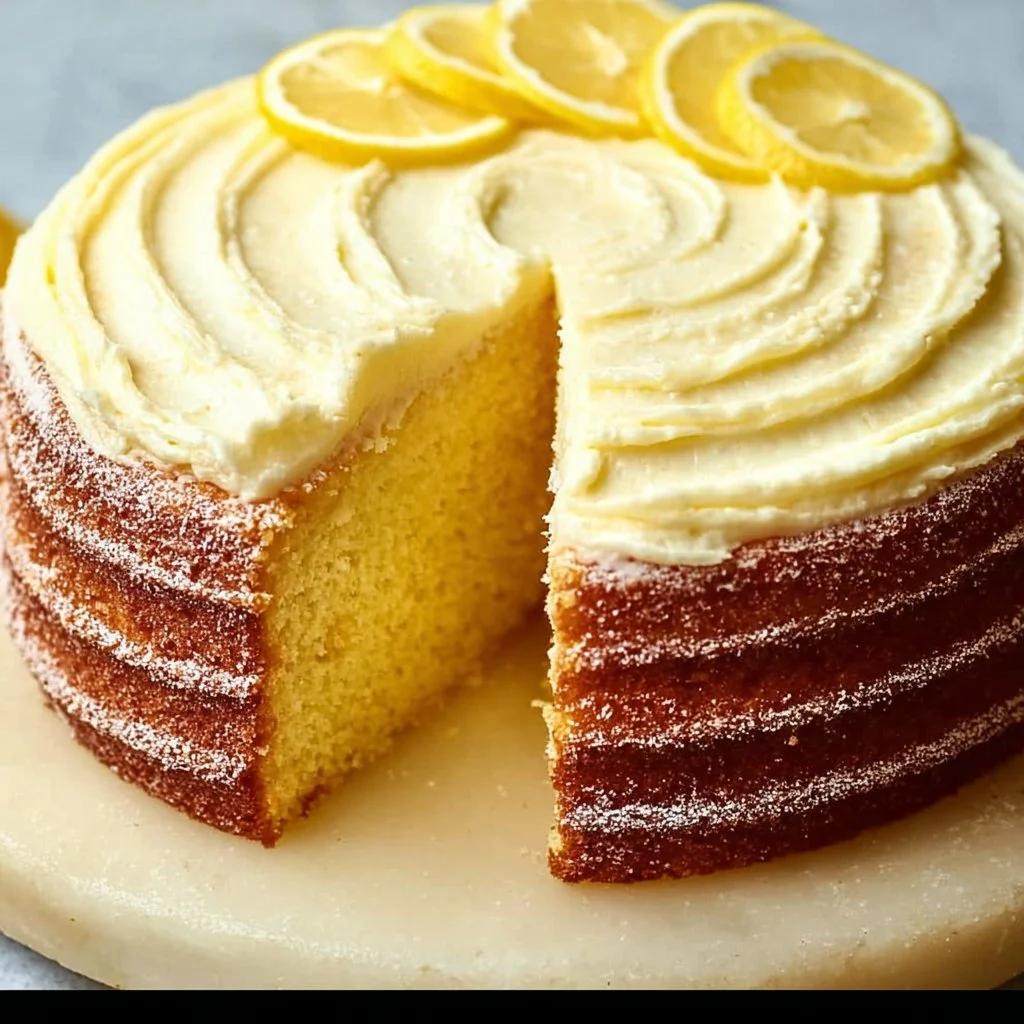
There’s something instantly uplifting about a slice of lemon cake: bright citrus aroma, tender crumb, and that perfect balance of sweet and tangy that feels like sunshine on a plate. This Classic Lemon Cake Recipe: Soft, Light, and Full of Citrus Goodness – Fascinate Names in 2026 | Lemon Dessert Recipes, Cake Recipes, Lemon Desserts is worth trying because it’s both nostalgic and modern — ideal for spring and summer when lemons are at their peak. Whether you’re baking for a backyard brunch or an easy weeknight dessert, the main stars here are fresh lemons, butter, and simple pantry staples. If you love citrus-forward desserts, you’ll also enjoy this seasonal twist inspired by summer treats from our recipe collection: easy summer desserts and fun strawberry recipes.
Ingredients & Equipment
Ingredients
- 2 cups (250 g) all-purpose flour, spooned and leveled
- 1 1/2 teaspoons baking powder
- 1/2 teaspoon baking soda
- 1/4 teaspoon fine sea salt
- 1 cup (226 g) unsalted butter, softened to room temperature
- 1 1/2 cups (300 g) granulated sugar
- 3 large eggs, room temperature
- 2 teaspoons pure vanilla extract
- Zest of 3 large lemons (about 2 tablespoons)
- 1/2 cup (120 ml) freshly squeezed lemon juice (from 2–3 lemons)
- 3/4 cup (180 ml) sour cream or Greek yogurt (for tenderness and moisture)
- 1/4 cup (60 ml) whole milk, if needed for batter consistency
For the glaze (optional but recommended):
- 1 1/2 cups (180 g) powdered sugar, sifted
- 2–3 tablespoons fresh lemon juice
- 1 teaspoon lemon zest for extra brightness
Optional add-ins:
- 1 tablespoon poppy seeds (for a classic lemon-poppy variation)
- 1/2 teaspoon almond extract (use sparingly)
Notes:
- Fresh lemon juice and zest make a noticeable difference compared to bottled juice. If lemons are out of season, consider using preserved lemon in moderation or a higher-quality bottled juice and extra zest for aroma.
Equipment
- 8×4-inch loaf pan or a 9-inch round cake pan (or two 8-inch pans)
- Electric mixer (stand or hand) or a sturdy whisk and elbow grease
- Microplane or fine grater for zesting lemons
- Measuring cups and spoons, kitchen scale (recommended for accuracy)
- Rubber spatula and whisk
- Cooling rack
- Toothpick or cake tester
- Optional: instant-read thermometer (checks doneness more precisely), sifter for powdered sugar
Helpful tools: a zester/microplane, rubber spatula for folding, and a thermometer that reads at least up to 210°F for checking internal cake temp (about 200–205°F when done).
You might also enjoy pairing this cake with lighter desserts from our sweets category: desserts and drinks collection.
Step-by-Step Instructions (with tips)
Follow these directions for a tender, citrus-forward cake. I’ll include variations and kitchen tips so you can adapt the recipe to what you have on hand.
-
Preheat and prep
- Preheat your oven to 350°F (175°C). Grease and flour an 8×4-inch loaf pan, or line with parchment paper for easy removal. If using round pans, adjust baking time down slightly.
- Tip: Room-temperature ingredients blend more uniformly, producing a lighter cake.
-
Mix dry ingredients
- Whisk together the flour, baking powder, baking soda, and salt in a bowl. Sifting is optional but helps lighten the flour if your pantry is humid.
-
Cream butter and sugar
- In a large bowl, beat the softened butter and granulated sugar until light and fluffy, about 3–4 minutes on medium speed. Scrape down the sides as needed.
- Tip: Properly creamed butter traps air and keeps the cake tender.
-
Add eggs, vanilla, and lemon zest
- Add eggs one at a time, beating briefly after each addition. Mix in vanilla and lemon zest. Stop mixing as soon as everything is combined.
-
Alternate dry ingredients with wet
- With the mixer on low, add one-third of the dry ingredients, then half of the sour cream, then another third of the dry, then the remaining sour cream, and finish with the dry. Mix just until combined. If batter seems too thick, stir in up to 1/4 cup whole milk.
- Tip: Overmixing develops gluten and makes the cake dense — mix gently and briefly.
-
Add lemon juice last
- Fold in the freshly squeezed lemon juice by hand. This helps retain airiness. If adding poppy seeds, fold them in now.
-
Bake
- Pour batter into prepared pan, smooth the top, and bake for 45–60 minutes for an 8×4 loaf (start checking at 40 minutes), or 25–35 minutes for a 9-inch round. A toothpick or cake tester should come out with a few moist crumbs, and an instant-read thermometer should read about 200–205°F in the center.
- Tip: If the cake browns too quickly, tent it loosely with foil after 25–30 minutes.
-
Cool and glaze
- Allow the cake to cool in the pan for 10–15 minutes, then transfer to a cooling rack. For the glaze, whisk sifted powdered sugar with lemon juice until pourable but not too thin. Drizzle over the warm or cooled cake. For more shine, double the glaze or brush with a simple syrup made from equal parts sugar and water and a splash of lemon juice.
- Kitchen tip: If you like a denser glaze, chill the cake briefly after glazing so the glaze sets.
Variations and flavor suggestions:
- Roasting vs. fresh lemon: For deeper, caramelized lemon notes, halve and roast lemons at 400°F for 10–12 minutes until slightly browned; squeeze and use in place of fresh juice. Roasted lemon juice is less acidic and richer.
- Yogurt swap: Replace sour cream with whole-milk yogurt for a tangier, slightly lighter crumb. Try the texture of a yogurt-based cake using inspiration from an easy yogurt cake recipe in our archives: tropical carrot-pineapple cake ideas (see notes for yogurt adjustments).
- Poppy seed and almond: Add poppy seeds and 1/2 tsp almond extract for a classic pairing.
- Layer cake: Double the recipe for a two-layer cake and add lemon curd between layers for an extra citrus punch.
Storage, Freezing & Make-Ahead Tips
Storing this lemon cake properly keeps it moist and flavorful.
- Short-term storage: Wrap cooled cake tightly with plastic wrap or place in an airtight container. Stored at room temperature, it will stay fresh for 2–3 days. If glazed, refrigerate uncovered for an hour so glaze sets, then cover; refrigerated cake will keep 4–5 days.
- Freezing: Wrap whole cake tightly in plastic wrap, then in foil, and freeze up to 3 months. Thaw overnight in the refrigerator wrapped, then bring to room temperature before serving. For slices, freeze individually on a tray, then transfer to a freezer bag for easier portioning.
- Make-ahead: Bake the cake a day ahead and store at room temperature. Add glaze the morning of serving for the freshest flavor. If you want to prepare components, make lemon curd up to a week ahead and keep refrigerated in a sealed jar.
- Portioning advice: Slice into even portions while cake is cool for cleaner slices. For freezing single portions, wrap each slice in plastic and pop it in a labeled freezer-safe bag.
For another cozy, make-ahead soup to warm up after dessert, you might like this comforting broccoli cheese soup idea from our meal collection: hearty broccoli cheese soup.
How to Use / Serve This Dish
This lemon cake is versatile and can be dressed up or kept simple.
- Classic slice: Serve slightly warm or at room temperature with a dusting of powdered sugar and a sprig of mint.
- With berries: Fresh raspberries, blueberries, or macerated strawberries pair beautifully with the lemon glaze. Consider serving individual slices with a spoonful of macerated berries on the side.
- For brunch: Offer alongside coffee, lemon-infused tea, or a light sparkling wine — it’s perfect next to savory brunch dishes.
- Ice cream pairing: A scoop of vanilla bean or coconut ice cream transforms this cake into an easy summer dessert.
- As petit fours: Make mini loaf cakes or cupcakes with the same batter for tea parties or showers. Top with thin lemon glaze and a single blueberry for a polished look.
- Layering: Split the loaf horizontally and spread lemon curd or lemon-scented whipped cream between layers for a celebratory cake.
If you’re exploring other dessert drinks and cakes, check out our desserts and drink recipes for inspiration: dessert ideas and drink pairings.
FAQ
Q: Can I make this cake dairy-free or vegan?
A: Yes. For dairy-free, swap the butter for a quality vegan butter and the sour cream for coconut yogurt or a plant-based yogurt of similar thickness. Use a flax egg (1 tbsp ground flax + 3 tbsp water per egg, chilled 10 minutes) for vegan eggs, but note texture may be slightly denser. Adjust bake time accordingly and check doneness early.
Q: How long will the cake last in the fridge, and can I freeze it with glaze?
A: In the fridge, the cake keeps 4–5 days if wrapped well. Freezing glazed cake is possible but the glaze can change texture. For best results, freeze the unglazed cake and add glaze after thawing. Frozen cake lasts up to 3 months.
Q: My cake sank in the middle — what went wrong?
A: Common reasons include underbaking, opening the oven door too early, overbeating the batter (which can collapse), or too much leavening. Use an instant-read thermometer and ensure the center reaches ~200–205°F. Also, measure ingredients accurately — too much sugar or liquid can cause sinking.
Q: Can I use bottled lemon juice?
A: Fresh lemon juice is preferred for bright flavor and aroma. If using bottled, add extra lemon zest to boost fragrance and consider a bit of lemon concentrate for depth. Alternatively, try roasted lemon (see variations) to deepen the flavor.
Conclusion
This Classic Lemon Cake Recipe: Soft, Light, and Full of Citrus Goodness – Fascinate Names in 2026 | Lemon Dessert Recipes, Cake Recipes, Lemon Desserts is a comforting, seasonal favorite that celebrates the simple joy of fresh lemons. It’s forgiving for home bakers, flexible enough to adapt to different diets, and easy to dress up for special occasions. If you enjoy light, tangy cakes, you might also appreciate a lighter yogurt-based option like the Easy Yogurt Cake | The Mediterranean Dish, or for an elegant small-plate dessert inspiration, consider these Mini Blueberry Mousse Cakes with Mirror Glaze | Love and Olive Oil. Try the recipe this weekend, share a photo, and tell us how you personalized your lemon cake — we love hearing your kitchen stories.

Classic Lemon Cake
Ingredients
Method
- Preheat your oven to 350°F (175°C). Grease and flour an 8×4-inch loaf pan, or line with parchment paper for easy removal.
- If using round pans, adjust baking time down slightly.
- Whisk together the flour, baking powder, baking soda, and salt in a bowl. Sifting is optional but helps lighten the flour if your pantry is humid.
- In a large bowl, beat the softened butter and granulated sugar until light and fluffy, about 3–4 minutes on medium speed. Scrape down the sides as needed.
- Add eggs one at a time, beating briefly after each addition. Mix in vanilla and lemon zest. Stop mixing as soon as everything is combined.
- With the mixer on low, add one-third of the dry ingredients, then half of the sour cream, then another third of the dry, then the remaining sour cream, and finish with the dry.
- Mix just until combined. If batter seems too thick, stir in up to 1/4 cup whole milk.
- Fold in the freshly squeezed lemon juice by hand. If adding poppy seeds, fold them in now.
- Pour batter into prepared pan, smooth the top, and bake for 45–60 minutes for an 8×4 loaf, or 25–35 minutes for a 9-inch round.
- A toothpick or cake tester should come out with a few moist crumbs, and an instant-read thermometer should read about 200–205°F in the center.
- Allow the cake to cool in the pan for 10–15 minutes, then transfer to a cooling rack.
- For the glaze, whisk sifted powdered sugar with lemon juice until pourable but not too thin. Drizzle over the warm or cooled cake.