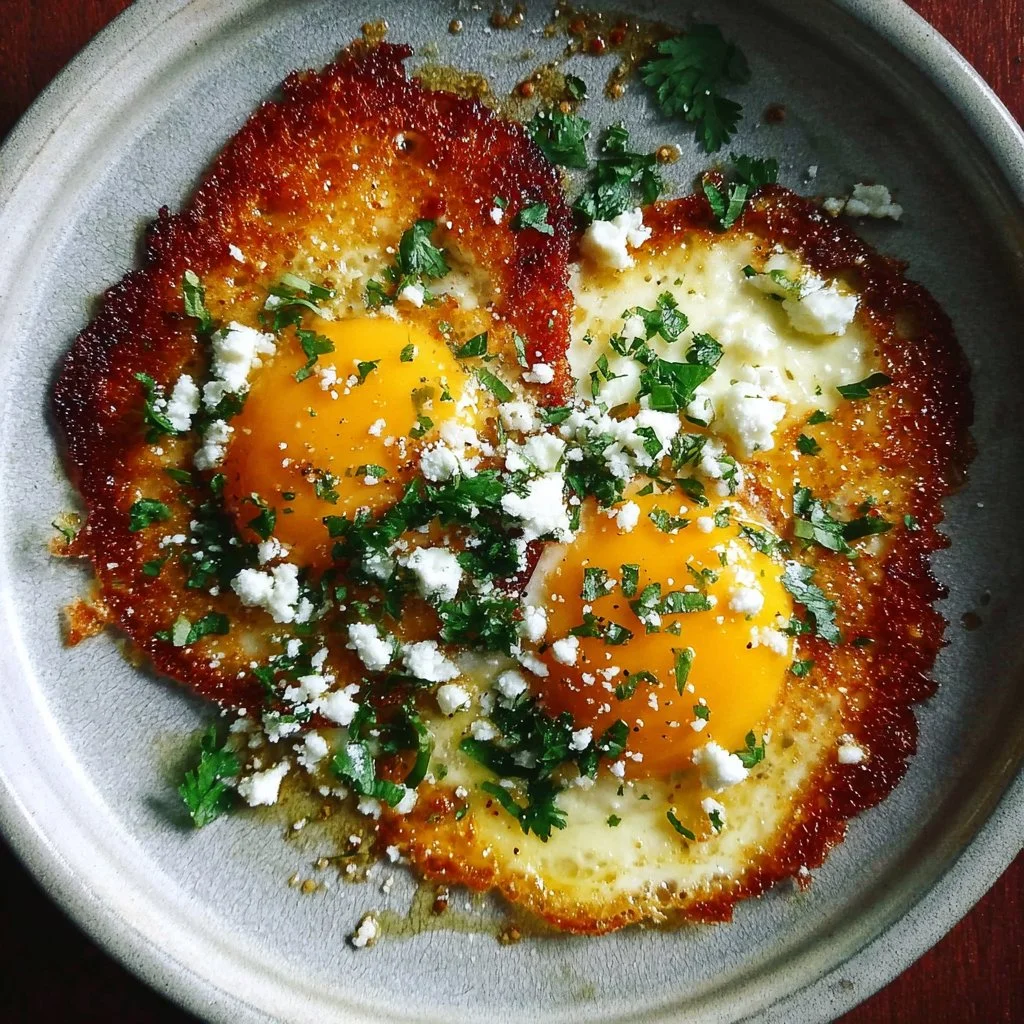
Crispy Feta Fried Eggs: Irresistible Crunchy Breakfast That Steals the Show
A warm, comforting spin on fried eggs with golden, crispy feta and bright herbs
Crispy Feta Fried Eggs — I promise this isn’t just another egg recipe. “Try it,” you might say, and I’ll answer, “Only if you’re ready for something unexpectedly addictive.” I remember the first time I made these: you, standing at the stove, skeptically watching feta sizzle into crunchy edges; me, nudging you to crack the eggs right on top. The result? A small, loud celebration of texture — creamy yolks, salty shards of feta, and that olive oil sheen that makes breakfast feel indulgent without fuss. This recipe leans into simple ingredients—eggs, feta, olive oil, and a few optional seasonings—to deliver a seasonal, comforting meal that’s perfect for lazy weekend brunches or a cozy weekday boost.
Why You’ll Love Crispy Feta Fried Eggs (Feta Fried Eggs Recipe Benefits)
- Quick and easy to prepare — ready in about 10 minutes from stove to plate.
- Uses simple pantry ingredients you likely have on hand.
- Perfect for breakfast, brunch, or an easy dinner when you want something comforting.
- Textural contrast: creamy egg yolks meet irresistibly crispy feta pieces.
- Impressive enough to serve guests yet cozy and approachable for family meals.
What makes this version unique is the deliberate crisping of the feta at the base of the pan before the eggs are added. Instead of crumbling feta onto a finished egg, we create a textured, savory crust that fuses with the egg whites as they cook. Emotionally, this dish is the kind of recipe that sparks conversation — “What makes that cheese so crunchy?” — and gives you a little confidence boost in the kitchen because it’s both simple and theatrical. It’s the comfort of a classic fried egg with the brilliance of a salty, crunchy Greek twist.
Ingredients Needed for Crispy Feta Fried Eggs
For clarity, I’ve grouped the ingredients so you can see what goes where. Quantities are written for two servings but scale easily.
For the eggs and crispy feta base:
- 2 large eggs — room temperature if you have time (they spread less and cook more evenly).
- 1/2 cup crumbled feta cheese — use a good-quality, block-style feta crumbled by hand for the best texture.
- 2 tablespoons extra virgin olive oil — enough to coat the pan and help the feta crisp without burning.
Seasonings and garnishes:
- Salt and freshly ground black pepper, to taste — go light on salt because feta brings a lot of saltiness.
- 1 tablespoon fresh parsley, finely chopped (optional) — adds herbaceous brightness.
- 1/2 teaspoon red pepper flakes (optional) — for a gentle heat lift.
Quick notes:
- Fresh vs. preserved feta: Fresh, brined or vacuum-packed feta works best. Avoid feta soaked in unnecessary additives. If your feta is particularly salty, reduce added salt.
- Olive oil: Choose a medium-bodied extra virgin olive oil for flavor; it also tolerates the skillet heat for a short time.
- Eggs: If using farm-fresh eggs straight from the fridge, let them sit at room temperature for 10–15 minutes to cook more evenly.
Ingredients & Equipment Notes
Useful tools that make this recipe easier and more consistent:
- Non-stick skillet (8-inch or 10-inch) — key for sliding the finished eggs out of the pan easily.
- Spatula: A thin, flexible spatula helps you lift the crispy feta and eggs without breaking the yolk.
- Small bowl or ramekin: Crack the eggs into a bowl first for easier, neater transfer to the skillet.
- Measuring spoons and cups for accuracy.
- Plate lined with paper towel (optional) to rest the eggs briefly if you’re plating multiple servings.
Why these help:
- A non-stick skillet ensures the feta crisps without sticking badly; if you prefer cast iron, use a well-seasoned pan and watch heat carefully.
- Cracking eggs into a ramekin prevents shell fragments and allows you to space the eggs precisely.
- A flexible spatula lets you keep the yolks intact when transferring.
Instructions – How to Make “Crispy Feta Fried Eggs”
- Preheat and prep the pan
- Place a non-stick skillet over medium-high heat and add 2 tablespoons of olive oil. Heat until the oil shimmers and moves easily around the pan but isn’t smoking.
- Why this matters: Shimmering oil is the sweet spot — hot enough to crisp the feta quickly, but not so hot that it burns. If the oil smokes, lower the heat for a minute and wipe out any burnt bits.
- Create the feta layer
- Sprinkle the 1/2 cup crumbled feta evenly in the skillet so it forms a thin, distributed layer across the bottom.
- Why this matters: Even distribution encourages consistent crisping and prevents clumps that could remain soft. You should hear a gentle sizzle when the feta hits the oil.
- Let the feta begin to crisp
- Allow the feta to cook undisturbed for about 1–2 minutes. Watch the edges for small golden to amber-brown patches; the center will soften slightly but should begin forming crunchy edges.
- Visual cue: Tiny bubbles of oil around the cheese edges and a gentle, nutty aroma indicate progress.
- Tip: If some feta pieces climb the sides of the pan, nudge them back gently with the spatula so they crisp evenly.
- Crack the eggs over the feta
- Carefully crack each egg into a small bowl and then slide them over the crispy feta, spacing them so whites don’t overcrowd.
- Why this matters: Cracking into a bowl first ensures no shells and gives you control over placement; it also keeps the yolks intact and centered.
- Season the eggs
- Lightly sprinkle salt and freshly ground black pepper over the eggs. Remember, feta is salty, so calibrate salt accordingly.
- Mini-tip: A pinch of salt on the egg whites helps them set evenly. If your feta is particularly briny, skip extra salt.
- Cook until whites set and edges crisp
- Let the eggs cook for 3–4 minutes for set whites with runny yolks. For firmer yolks, cook an additional 1–2 minutes to your preference.
- Visual cues: Whites should be opaque and set around the yolks, with the feta forming golden, crunchy patches where it meets the oil.
- Why this matters: The feta layer bonds slightly to the egg whites, creating a crispy underside while the top remains tender.
- Add fresh accents
- Optional: Sprinkle 1 tablespoon chopped fresh parsley and 1/2 teaspoon red pepper flakes over the eggs for a burst of color and gentle heat.
- Flavor insight: Fresh parsley brightens the dish and balances feta’s saltiness, while red pepper flakes elevate the savory profile without overwhelming.
- Slide and serve
- Gently loosen the edges with the spatula and slide the eggs with the crispy feta out of the pan and onto a warm plate.
- Serve immediately to enjoy the contrast of creamy yolks and crisped cheese.
- Final tip: If serving multiple plates, keep the skillet warm at the lowest heat and cook in batches so each portion is enjoyed hot.

Serving Suggestions & Storage Tips for Crispy Feta Fried Eggs (Serving Ideas & Make-Ahead)
Serving ideas and pairings:
- On toast: Place the crispy feta fried eggs over thick slices of toasted sourdough or country bread — the crunch against the toast is heavenly.
- Bowl-style: Add to a warm grain bowl (quinoa, farro) with roasted cherry tomatoes and baby greens for a satisfying lunch.
- With greens: Serve alongside a lemony arugula or baby spinach salad to cut through the richness.
- Mediterranean plate: Add cucumber slices, olives, and a drizzle of extra virgin olive oil for a Greek-inspired breakfast.
- Brunch board: Include alongside crusty bread, fresh fruit, and roasted potatoes for an easy, shareable spread.
Presentation tips:
- Plate hot: The crisp feta loses crunch as it cools, so serve immediately.
- Color contrast: Sprinkle fresh parsley and a few cracked peppercorns for visual appeal.
- Build texture: Add sliced avocado or a smear of herby labneh (yogurt cheese) for creaminess that complements the feta crisp.
Storage and make-ahead:
- Refrigerator: Leftovers store in an airtight container in the fridge for up to 2 days. Note that the feta will soften in refrigeration and the texture shifts.
- Freezing: Not recommended. The crisp texture of the feta and the runny yolk don’t survive freezing and thawing well.
- Make-ahead tips: Pre-crumbled feta and pre-chopped parsley save time. You can crisp the feta and hold it very briefly on low heat, but it’s best to add the eggs just before serving.
Best reheating methods to preserve texture:
- Skillet reheat: Warm a non-stick skillet over medium-low and gently reheat the egg/feta for 30–60 seconds, covering with a lid for even warming. This helps rejuvenate some crunch while warming through.
- Oven reheat: Place on a baking sheet and warm in a 300°F (150°C) oven for 5–8 minutes. This method is gentler than the microwave.
- Avoid the microwave for direct reheating when you want to preserve texture; it tends to make the feta soggy and the yolk rubbery.
Helpful Notes & Variations for Crispy Feta Fried Eggs
Ingredient swaps and substitutions:
- Feta alternatives: Halloumi or kasseri sliced thin can be pan-fried to a similar effect, though both have different melting behaviors. Halloumi is sturdier and yields a chewier crisp. Use similar amount by weight if substituting.
- Oil options: If you prefer a neutral oil, use light olive oil or avocado oil. Avoid butter alone for the initial crisping because it browns quickly; a mix of butter and oil can add flavor while stabilizing heat.
- Herbs: Swap parsley for dill, chives, or basil for a different herbal profile. Dill and feta are particularly lovely together and add a Nordic twist.
Dietary adaptations:
- Vegetarian: This recipe is naturally suitable for lacto-ovo vegetarians (no meat or alcohol included).
- Gluten-free: Serve over gluten-free toast or grain bowls to keep the dish gluten-free.
- Lower-sodium: Rinse brined feta briefly and pat dry to reduce salt, or mix with a milder cheese (like ricotta) to stretch flavor and lower sodium per bite.
Flavor enhancements and add-ins:
- Garlic: Add a clove of thinly sliced garlic to the oil just before the feta for a soft roast-garlic aroma — watch carefully so it doesn’t burn.
- Tomatoes: Scatter halved cherry tomatoes into the pan alongside the feta; they’ll blister and add juicy brightness.
- Olives: Fold in chopped Kalamata olives at the end for briny complexity.
- Lemon zest: A touch of lemon zest stirred in after cooking lifts the whole dish.
Common mistakes to avoid:
- Too-high heat: If the oil is scorching, the feta will burn rather than crisp. Adjust heat to maintain a steady shimmer.
- Overcrowding the pan: Cramming too much feta or too many eggs leads to steaming instead of crisping. Use a larger pan or cook in batches.
- Oversalting: Feta’s natural saltiness means you often need less added salt than you’d expect. Taste and adjust.
- Trying to flip the eggs: Instead of flipping, let the top of the egg set; flipping can break yolks and disturb the crispy underside.
Pro tips from the test kitchen:
- For uniform crisp: Press down gently on feta pieces with a spatula during the first minute so they make full contact with the pan.
- For runnier yolks: Pull the eggs off the heat a little earlier and let residual heat finish the whites — carryover cooking will continue for about 30 seconds.
- For deeper flavor: Finish with a sprinkle of smoked paprika instead of red pepper flakes for a subtle, smoky warmth.
Conclusion
Crispy Feta Fried Eggs are a small but transformative recipe — simple ingredients, minimal fuss, and huge personality. They bring a satisfying textural twist to your morning routine, pairing creamy yolks with crunchy, salty feta in a way that’s both comforting and exciting. Try these when you want a quick brunch that feels special, when you’re feeding friends, or whenever you want to turn everyday eggs into something memorable. If you’re curious about the viral origins and variations that inspired many home cooks, I found the original inspiration delightful; you can read more on Crispy Feta Fried Eggs (Viral Recipe) – Cooking With Ayeh, and for a take that helped popularize this technique, see the original version at the original feta fried egg – Grace Elkus. If you make this recipe, come back and tell me how you served it — I love seeing your photos and reading your tweaks!
Frequently Asked Questions
Q: What’s the best way to make the feta extra crispy without burning it?
A: The key is steady medium-high heat and a thin, even layer of feta so each piece contacts the pan. Heat the oil until it shimmers but isn’t smoking, spread the crumbled feta across the skillet, and let it cook undisturbed for 1–2 minutes. If you notice dark spots forming too quickly, lower the heat slightly—burnt feta tastes bitter, so patience is better than rushing. Using a non-stick skillet helps prevent sticking and encourages even browning. If you’re using a cast-iron pan, give it a touch more time to warm and watch carefully.
Q: Can I make this with a large batch for a brunch crowd?
A: Yes, you can scale the recipe, but avoid overcrowding. Use multiple skillets or work in batches so each egg sits on its own crisped feta bed. Alternatively, crisp the feta in a large skillet, then transfer portions of the feta to smaller pans to finish with eggs for each plate. Keeping cooked portions warm in a low oven (about 200°F / 95°C) on a baking sheet helps maintain warmth while you finish the rest.
Q: How can I get firm yolks without overcooking the feta?
A: Use gentle heat and a short additional cook time. After the whites set, if you prefer firmer yolks, lower the heat to medium-low and cook another 1–2 minutes. You can also cover the pan with a lid for about 30–60 seconds; the steam will help cook the yolk’s surface while preserving the feta’s underside crisp. Just be careful—the lid can soften the feta slightly, so use it sparingly.
Q: Is there a way to make this dairy-free or vegan?
A: Achieving the exact feta crunch with a fully vegan or dairy-free approach is trickier because feta’s texture and salt content are central to the dish. However, you can experiment with firm, brined tofu or store-bought vegan feta alternatives that hold up to frying. Press and crumble the tofu, season well (a little lemon and kala namak can help mimic egginess), and pan-fry to crisp. Note: the flavor will shift, but the textural contrast can still be delightful.
Q: Why did my feta get soggy instead of crisp?
A: Sogginess usually means the feta was crowded, or the pan temperature was too low. Make sure the oil is hot enough before adding the feta and give pieces room to brown. Another cause is feta that’s been heavily brined and wet — pat it dry with paper towels to remove excess moisture before crumbling into the skillet.
Q: Can I add veggies like spinach or tomatoes to the skillet?
A: Absolutely. Add halved cherry tomatoes to the pan with the feta to blister slightly, or stir in baby spinach toward the end so it wilts gently without releasing too much moisture. If you add watery vegetables, consider sautéing them separately to reduce moisture and prevent the feta from becoming soggy.
If you try this recipe, I’d love to hear how you made it your own — leave a comment and a star rating below, and don’t forget to pin your favorite photos to Pinterest so your friends can discover this cozy, crispy twist on fried eggs.
Crispy Feta Fried Eggs
Ingredients
Method
- Preheat a non-stick skillet over medium-high heat and add olive oil. Heat until the oil shimmers but isn’t smoking.
- Sprinkle crumbled feta evenly in the skillet to form a thin layer.
- Allow the feta to cook undisturbed for about 1-2 minutes until edges are golden and crunchy.
- Crack each egg into a bowl, then slide them over the crispy feta.
- Season lightly with salt and pepper.
- Let the eggs cook for 3-4 minutes until whites are set. If firmer yolks are desired, cook an additional 1-2 minutes.
- Optional: Sprinkle chopped parsley and red pepper flakes over the eggs.
- Gently slide the eggs with feta onto a plate and serve immediately.