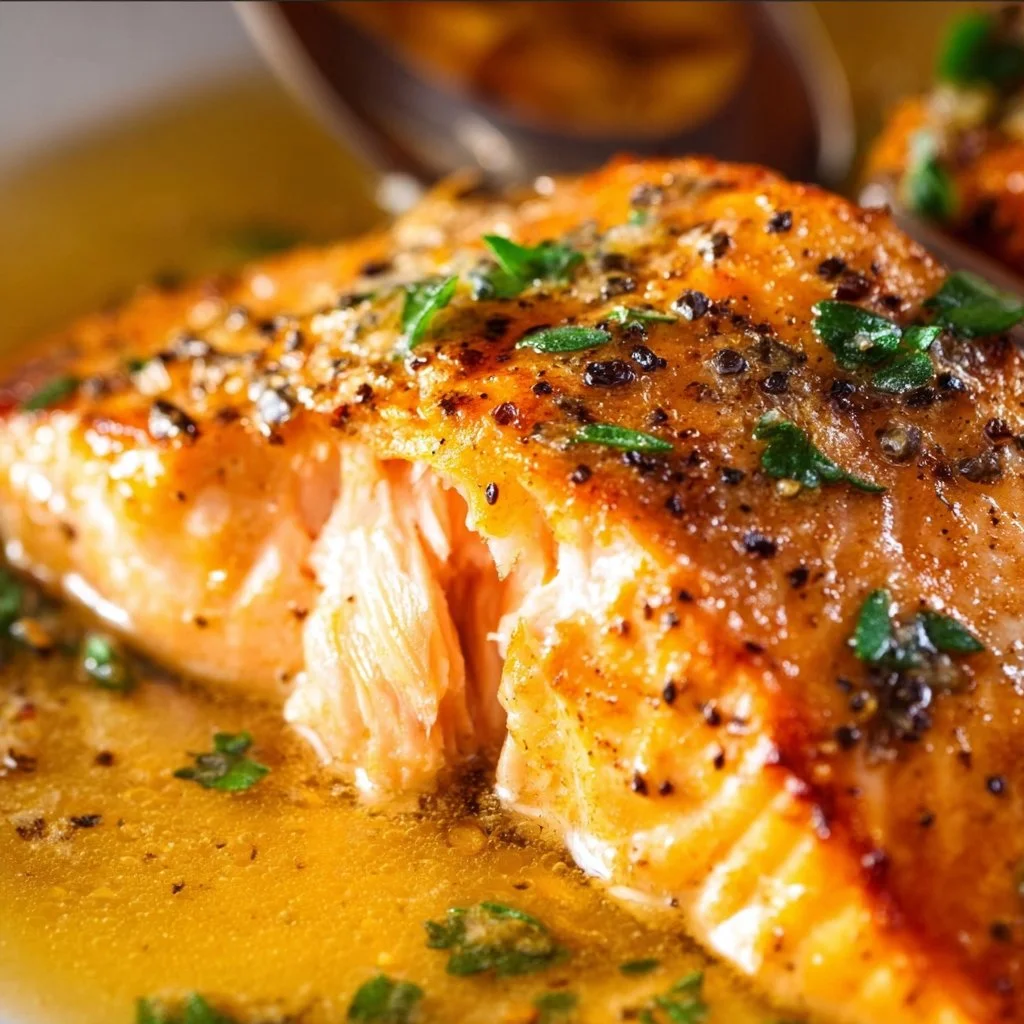
There’s something instantly comforting about a bright, citrusy meal that’s also easy enough for a weeknight — enter Easy Lemon Garlic Salmon. This recipe pairs flaky, tender salmon with zesty lemon, fragrant garlic, and a touch of butter for an effortless dish that feels both fresh and indulgent. Whether you’re cooking with the season’s best fish or pulling salmon from the freezer on a busy night, this recipe fits into spring and summer menus as well as cozy colder months. If you love simple seafood that delivers big flavor, this lemon garlic salmon is a must-try — and it’s right at home among other quick favorites like my roundup of 24 easy weeknight dinners.
Ingredients & Equipment
Ingredients
- 2 salmon fillets (about 6–8 oz each), skin-on or skinless based on preference
- 2 tablespoons butter
- 1 lemon (juiced and zested)
- 2 cloves garlic (minced)
- Salt and pepper to taste
- Fresh parsley (for garnish)
Notes
- Choose salmon fillets of even thickness so they cook uniformly. Wild-caught or farmed salmon both work — adjust cooking time slightly for thicker cuts.
- If using skin-on fillets, keep them skin-side down first to help crisp the skin and protect the flesh from overcooking.
- Zesting the lemon before juicing is easiest and prevents cross-contamination of juices.
Helpful tools
- A heavy skillet (cast-iron or stainless steel recommended) for even searing
- Fish spatula or flexible turner for gentle flipping
- Instant-read thermometer to check doneness (salmon is safe at 145°F / 63°C, but many cooks prefer 125–130°F for medium)
- Baking tray or sheet (if you prefer oven-roasting)
- Optional: microplane for zesting, silicone brush for butter/oil
If you enjoy trying salmon in fun formats, you might also like a baked salmon twist found in this viral easy baked salmon sushi cups recipe.
Step-by-Step Instructions (with tips)
-
In a skillet, melt butter over medium heat.
- Tip: Let the butter foam and begin to sizzle slightly, but don’t let it brown. Browned butter adds a nutty flavor, which is lovely, but keep the heat moderate to avoid burning the garlic later.
-
Add minced garlic and sauté for 1 minute until fragrant.
- Tip: Stir continuously so the garlic softens but doesn’t brown. If your garlic browns too quickly, lower the heat — burnt garlic tastes bitter.
-
Season the salmon fillets with salt and pepper, then place them in the skillet, skin-side down.
- Tip: Pat the fillets dry with a paper towel before seasoning; a dry surface helps you get a nice sear. If the fillets have skin, press them lightly with a spatula for 20–30 seconds to keep them flat while cooking.
-
Cook for about 4–5 minutes, then carefully flip the fillets.
- Tip: Use a thin fish spatula and slide it gently under the fillet. If the fish resists, give it another 30 seconds — files naturally release when the sear is ready. For thicker fillets, extend the first side to 5–6 minutes.
-
Drizzle lemon juice and zest over the fillets and cook for an additional 4–5 minutes or until cooked through.
- Tip: Spoon the garlicky butter over the top of the salmon a couple of times as it finishes so the lemon-garlic flavor penetrates. Check doneness with an instant-read thermometer: aim for 125–130°F for moist, slightly translucent center or 145°F if you prefer fully opaque.
-
Garnish with fresh parsley before serving.
- Tip: Finely chopped parsley adds color and a peppery freshness; you can also finish with a light drizzle of extra virgin olive oil or a few lemon slices.
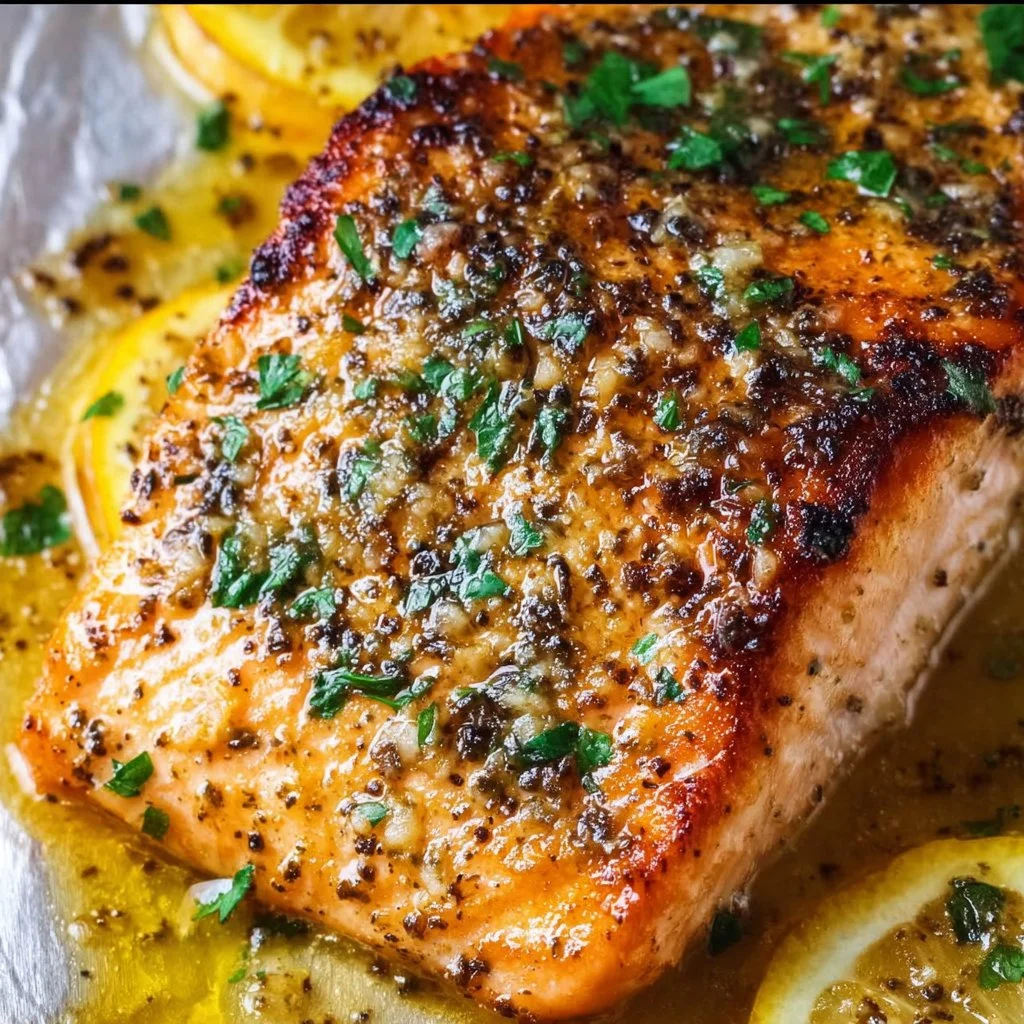
Variations and method swaps
- Oven-roasted: Preheat oven to 400°F (200°C). Sear skin-side down in a skillet for 2 minutes, then transfer the skillet to the oven and roast for 6–8 minutes depending on thickness. Finish with lemon and parsley.
- Broiled: Place fillets on a foil-lined tray, brush with melted butter and garlic, broil on high 4–6 inches from heat for about 6–8 minutes until edges brown — watch closely.
- Air fryer: Place seasoned fillets in a single layer in the basket at 390°F (200°C) for 7–10 minutes. Time varies by thickness.
- Swap butter for olive oil for a dairy-free option, and add a pat of herb butter at the end for richness if desired.
If you like garlicky comfort flavors across dishes, check out this flavorful 20-minute honey garlic chicken for another weeknight winner.
Kitchen Tips & Flavor Boosters
- Don’t overcrowd the pan: Cook two fillets comfortably without overlapping so the pan temperature stays steady and you get a proper sear.
- Finish with acid: Lemon juice brightens the rich butter and salmon — always taste and add a little more if it needs lift.
- Herbs & toppings: Try fresh dill, chives, or basil in place of parsley. For crunch, sprinkle toasted pine nuts or sliced almonds just before serving.
- Spice it up: Add a pinch of red pepper flakes or smoked paprika to the seasoning for warmth.
- Make it saucy: A quick pan sauce of white wine (1/4 cup) deglazed with lemon juice and butter can be spooned over the fillets for restaurant-style presentation.
Storage, Freezing & Make-Ahead Tips
Short-term storage
- Refrigerate leftovers within two hours of cooking. Place in an airtight container and store for up to 3 days. To maintain texture, separate fillets with parchment if stacking.
Freezing
- For longer storage, flash-freeze cooked fillets on a tray for an hour, then transfer to a freezer bag or airtight container. Label with date and use within 2–3 months for best quality.
- To freeze raw fillets prepared with marinade: briefly marinate, then freeze in a vacuum-sealed bag or airtight container to preserve flavor. Thaw in the refrigerator overnight before cooking.
Reheating
- Gently reheat in a 275°F (135°C) oven on a baking sheet for 10–12 minutes to avoid drying out. You can loosely tent with foil and add a splash of water or broth to maintain moisture.
- Microwave reheating is fastest but least gentle; use short, low-power bursts and cover to trap steam.
Make-ahead ideas
- Mince the garlic and zest the lemon in advance and store in the refrigerator for up to a day. Keep parsley washed and chopped in a sealed container lined with paper towel.
- Partially cook fillets (seared on the first side only), cool, and refrigerate. Finish in the skillet or oven for 3–4 minutes when ready to serve.
Portioning advice
- Standard portion sizes are 6–8 ounces per person. For lighter appetites, 4–5 ounces may be sufficient, especially when served with sides.
How to Use / Serve This Dish
Simple serving ideas
- Classic plate: Serve salmon with roasted new potatoes and steamed asparagus or green beans. A lemon wedge on the side is always nice.
- Grain bowls: Flake the salmon over cooked quinoa or brown rice with roasted vegetables, avocado slices, and a drizzle of tahini or lemon vinaigrette.
- Salad topper: Cool slightly and place on a bed of mixed greens with cucumbers, cherry tomatoes, red onion, and a lemon-Dijon dressing for a lively salad.
- Sandwich or wrap: Flake the salmon and toss with a touch of mayo, lemon zest, and chopped parsley. Pile into a pita or wrap with crisp lettuce.
Creative pairings
- Wine: A crisp Sauvignon Blanc, Pinot Grigio, or unoaked Chardonnay complements lemony fish nicely. For red wine lovers, a light Pinot Noir can work if the dish is simply seasoned.
- Sauces: A dill-yogurt sauce, chimichurri, or quick caper-butter sauce pairs beautifully. For a Mediterranean twist, add olives and a sprinkle of feta.
- Side swaps: Swap roasted potatoes for a creamy polenta or cauliflower mash for a cozier plate. For a light, seasonal meal, pair with a chilled cucumber–dill salad.
If you want a garlic-forward comfort companion, try this hearty garlic parmesan meatloaf recipe for nights when you want classic home-cooked vibes.
FAQ
Q: Can I use frozen salmon for this recipe?
A: Yes. Thaw frozen fillets in the refrigerator overnight for best texture. If cooking from partially frozen, extend the cooking time slightly and check with an instant-read thermometer. Avoid a hot pan straight onto frozen fish — it leads to uneven cooking.
Q: What’s the best internal temperature for salmon?
A: The USDA recommends 145°F (63°C) for safety, which yields fully opaque flesh. Many home cooks prefer 125–130°F for a moister, slightly translucent center. Use your preference and consider the thickness of the fillet.
Q: Can I substitute lemon with another citrus?
A: Absolutely. Lime, orange, or even a bit of grapefruit can give interesting results. Lemon has a clean brightness that pairs especially well with garlic and butter, but don’t be afraid to experiment.
Q: What can I use instead of butter for a dairy-free version?
A: Use extra virgin olive oil or a plant-based butter substitute. Olive oil will deliver a different but excellent flavor profile and stands up well to garlic and lemon.
Conclusion
Easy Lemon Garlic Salmon is one of those dishes that feels both special and accessible — bright lemon, nutty butter, and warm garlic come together quickly to transform simple fillets into a satisfying, seasonal meal. Whether you cook it for a relaxed weeknight or a small dinner with friends, this recipe is adaptable, forgiving, and delicious. If you want to explore a different twist on lemon-garlic salmon, check out this vibrant Lemon Garlic Salmon Recipe | The Mediterranean Dish or try a straightforward oven method in Baked Lemon Garlic Salmon (25 Minutes) – Sally’s Baking Addiction for another reliable take. Give this simple recipe a try, share how it went, and don’t hesitate to tweak herbs or sides to make it your own — I’d love to hear about your favorite variations!