Lemon Chicken Romano is one of those recipes I reach for when I want something that feels like a warm hug on a plate. “Do you want more lemon?” you might hear me ask at the stove, and someone will always shout back, “Yes — but not too tart!” That little kitchen banter is part of why I love this dish. It’s bright from fresh lemon juice, savory from grated Romano cheese, and fragrant with garlic — all centered around tender baked chicken breasts. If you enjoy simple, comforting dinners that taste like effort without a fuss, this one will become a favorite. For another citrus-forward weeknight meal I like to pair occasionally, see my take on Greek chicken bowls for inspiration.
Why You’ll Love This Recipe
- Quick and easy to prepare — perfect for busy weeknights when you want a homemade meal without a long cook time.
- Made with simple, pantry-friendly ingredients: chicken breasts, lemon juice, Romano cheese, garlic, olive oil, salt and pepper.
- Bright, zesty flavors that feel especially welcome in spring and summer, but comforting year-round.
- Impressive enough for guests yet approachable for beginner cooks learning basic baking and seasoning.
What makes this Lemon Chicken Romano unique is the blend of bright lemon and salty, nutty Romano that creates a caramelized, slightly tangy crust on the baked chicken. It’s not heavily sauced or fussy — instead it relies on fresh ingredients and straightforward technique. Emotionally, this is a “family around the table” kind of meal: it’s forgiving, makes people smile, and builds cooking confidence because the steps are clear and the payoff is reliably delicious.
Ingredients Needed
For clarity, I’ve grouped the ingredients into simple sections and added small notes where a swap or tip might help.
For the chicken
- 4 boneless, skinless chicken breasts (about 1.5–2 pounds total). If thick, consider butterflying or pounding to even thickness for uniform baking.
- Olive oil — enough to lightly coat the baking dish and drizzle over the chicken (about 1–2 tablespoons).
For the lemon-Romano mixture
- 1/2 cup freshly squeezed lemon juice (about 2–3 medium lemons). Fresh juice is best for bright flavor; bottled will work in a pinch but may taste flatter.
- 1/2 cup finely grated Romano cheese. Romano adds a salty, tangy, slightly sharper flavor than Parmesan.
- 2 garlic cloves, minced (about 1 teaspoon). Fresh garlic is ideal; roasted garlic would mute the brightness if you prefer a mellow profile.
- Salt and freshly ground black pepper to taste (start with 1/2 teaspoon salt and 1/4 teaspoon pepper, adjust after tasting).
For serving (optional)
- Cooked pasta, a simple green salad, or roasted vegetables to round the meal. Choose one or combine two for a fuller plate.
Quick notes on ingredients
- Chicken: If you’re using frozen breasts, thaw fully and pat dry before seasoning to avoid excess moisture.
- Cheese: Freshly grate Romano from a wedge for the best texture and melt; pre-grated options may contain anti-caking agents that affect browning.
- Lemons: Rolling lemons on the counter before juicing helps release more juice.
Ingredients & Equipment Notes
Useful tools that make this recipe easier and help produce consistent results:
- A medium mixing bowl or measuring cup for whisking the lemon-Romano mixture — you want a vessel large enough to combine and pour evenly.
- A sharp knife and cutting board for trimming any excess fat and mincing garlic.
- A rimmed baking dish (9×13 or similar) — the dish should be large enough that chicken pieces sit in a single layer for even roasting.
- Kitchen tongs or a spatula to move the chicken without tearing.
- An instant-read thermometer for reliably checking doneness (165°F/74°C for chicken breasts).
- A microplane or fine grater if you’re grating Romano fresh.
Why these tools help
- A thermometer removes guesswork and prevents overcooking, giving juicy results.
- A rimmed baking dish collects juices for a lightly flavored pan sauce; using a shallow dish helps the lemon mixture concentrate on the surface for browning.
Instructions – How to Make “Lemon Chicken Romano”
- Preheat the oven to 375°F (190°C).
- Why: This moderate temperature lets the chicken cook through while giving the Romano and lemon mixture time to meld and form a golden edge.
- Tip: Position a rack in the center of your oven for even heat.
- In a medium bowl, combine 1/2 cup lemon juice, 1/2 cup finely grated Romano cheese, and the minced garlic. Season the mixture with salt and freshly ground black pepper to taste, and whisk until evenly blended.
- Why: Mixing the lemon and cheese first ensures the flavors are distributed so every bite has balance. The acid in the lemon helps slightly tenderize the surface of the chicken.
- Visual cue: The mixture will look thick but pourable; Romano will cling to the lemon, creating a coarse emulsion.
- Prepare the chicken breasts: pat each piece dry with a paper towel, and if any breasts are unevenly thick, gently pound them between sheets of plastic wrap to an even thickness (about 3/4 inch).
- Why: Even thickness promotes consistent cooking so you don’t end up with an overcooked thin edge and an undercooked center.
- Mini-tip: Drying the chicken helps the lemon-Romano mixture stick and promotes better browning.
- Lightly drizzle and brush the baking dish with olive oil, then place the chicken breasts in a single layer in the dish. Drizzle a little olive oil over each breast as well to help prevent sticking and to aid in browning.
- Why: Olive oil helps heat transfer and improves the texture of the crust that forms from the cheese and lemon mixture.
- Visual cue: The chicken should glisten lightly from the oil but not sit in puddles.
- Pour the lemon-Romano-garlic mixture evenly over the chicken pieces, using a spoon or spatula to spread and coat each breast thoroughly.
- Why: Coating evenly ensures each breast gets that savory, tangy crust. If you have extra mixture left in the bowl, spoon it on top — the topping concentrates as it bakes and adds delicious flavor.
- Mini-variation: For a slightly herbaceous twist, you can sprinkle a teaspoon of chopped fresh parsley or basil over the chicken before baking.
- Bake the chicken in the preheated oven for 25–30 minutes, or until the chicken is cooked through and an instant-read thermometer inserted into the thickest part reads 165°F (74°C). If you prefer a lightly browned top, switch the oven to broil for 1–2 minutes at the end — watch it closely to avoid burning.
- Why: The 25–30 minute window suits most even-sized breasts. The thermometer is the most reliable cue; color alone can be misleading.
- Visual cues: The lemon aroma will brighten the air, the cheese will turn slightly golden, and juices running from the chicken should be clear when it’s done.
- Mini-tip: If you notice the cheese browning too quickly, tent the dish loosely with foil for the last 5–10 minutes and then remove it to finish.
- Remove the baking dish from the oven and let the chicken rest for 5 minutes before serving.
- Why: Resting allows juices to redistribute so the meat remains moist when you slice it.
- Serving prep: Spoon any pan juices over the chicken for extra flavor.

Serving Suggestions & Storage Tips
Serving ideas and presentation tips
- Classic pairing: Serve Lemon Chicken Romano over a bed of al dente pasta tossed in a little olive oil, grated Romano, and cracked black pepper for a comforting, lemony pasta bowl.
- Lighter plate: Plate the chicken alongside a crisp green salad with shaved fennel and a simple vinaigrette to echo the citrus notes.
- Veg-forward: Roast seasonal vegetables — asparagus, Brussels sprouts, or a medley of carrots and parsnips — and serve them next to the chicken for a balanced, colorful plate.
- Family-style: Slice the chicken and arrange it on a platter with lemon wedges and a sprinkle of chopped parsley for company.
Presentation tips
- Brighten with lemon zest: A light grating of lemon zest over the top just before serving adds fresh perfume and a pop of color.
- Textural contrast: Add toasted breadcrumbs or a thin drizzle of extra virgin olive oil to the plated chicken to emphasize the golden crust.
- Garnish: A few sprigs of fresh thyme or chopped parsley add visual appeal and a hint of herbal contrast.
Storage and reheating
- Refrigerator: Store cooked Lemon Chicken Romano in an airtight container for up to 3–4 days. Keep pan juices separated or included depending on your preference; storing with juices helps prevent drying.
- Freezing: Freeze cooked chicken in a freezer-safe container or bag for up to 3 months. Separate into single portions for convenience.
- Reheating: The oven or a skillet preserves texture best. To reheat in the oven, place chicken in a shallow baking dish, add a splash of broth or water to keep moisture, cover loosely with foil, and warm at 325°F until heated through (about 15–20 minutes depending on thickness). For stovetop reheating, warm a little olive oil in a skillet over medium-low heat and gently heat each piece for 3–4 minutes per side until hot.
- Microwave: Quick but can dry the chicken. Heat on medium power in 30-second bursts, turning between bursts and adding a teaspoon of water to the dish if needed.
Make-ahead tips
- If prepping for a weeknight, you can mix the lemon-Romano topping and store it in the fridge for up to 24 hours. Pat the chicken dry and cover until ready to bake, then assemble and bake per the recipe.
- For an easy dinner party approach, bake the chicken most of the way (to about 155°F), cool, refrigerate, then reheat in a 350°F oven for about 10–12 minutes before serving to finish to 165°F — this helps manage timing and keeps the chicken juicy.
Helpful Notes & Variations
Ingredient swaps and substitutions
- Cheese swap: If you don’t have Romano, a blend of Parmesan and Pecorino can work; Pecorino brings similar saltiness and tang. Keep the grated texture fine.
- Lemon alternatives: A mix of lemon juice and a touch of orange juice will mellow the acidity while keeping citrus brightness.
- Garlic: Use 1/2 teaspoon garlic powder in a pinch, but fresh garlic gives the best flavor. Roasted garlic will provide a milder, sweeter profile if you want less bite.
Dietary adaptations
- Lower sodium: Use lower-sodium Romano or reduce the added salt, and taste before adjusting — cheese contributes a lot of salt naturally.
- Dairy-free option: Swap Romano for a dairy-free grated cheese alternative and reduce the amount slightly to avoid a waxy finish; nutritional yeast adds umami but won’t brown the same way.
Flavor enhancements or add-ins
- Herbs: Add chopped fresh thyme, rosemary, or oregano (about 1–2 teaspoons) to the lemon-Romano mixture for an herbed finish.
- Breadcrumb topping: For a crunchy top, toss 1/3 cup panko breadcrumbs with 1 tablespoon olive oil and 1 tablespoon grated cheese and sprinkle on top before baking.
- Olives or capers: Scatter a few capers or chopped briny olives into the pan before baking for a salty, Mediterranean touch.
Common mistakes to avoid
- Overcrowding the pan: If the chicken pieces are too close, they’ll steam rather than roast and won’t develop that golden edge.
- Skipping the thermometer: Relying solely on color can lead to undercooked or overcooked chicken. Aim for 165°F internal temperature.
- Using bottled lemon for best results: Bottled lemon juice will work, but the brightness and freshness will be diminished compared to fresh-squeezed juice.
A final tip from experience: keep the lemon and Romano flavors balanced. If the lemon becomes too assertive, a light drizzle of olive oil or a sprinkle of extra cheese at the end helps soothe it. For extra brightness, finish with a pinch of lemon zest right before serving.
Conclusion
Lemon Chicken Romano is a bright, comforting, and reliably easy dish that delivers big flavor with very little fuss — the kind of recipe that makes weeknights feel special and dinner company impressed. The combination of fresh lemon juice, salty Romano cheese, and garlic forms a simple but elegant crust that keeps chicken juicy and flavorful. Try this recipe when you want a quick, from-scratch meal that’s both cozy and bright; then leave a comment to tell me how it turned out and give it a star rating if you enjoyed it. If you’re looking for other takes on Lemon Chicken Romano or want to compare variations and techniques, you might find this version on Cooking Classy’s Lemon Chicken Romano helpful, or see a different approach at Allrecipes’ Lemon Chicken Romano recipe. For another home-cook’s spin and tips on plating, check out Closet Cooking’s Lemon Chicken Romano. I’d love to know: will you serve yours with pasta, roasted veg, or a crisp salad?
Frequently Asked Questions
How can I make Lemon Chicken Romano more moist if my chicken tends to dry out?
To maximize juiciness, pound breasts to even thickness so they cook uniformly, avoid overcooking by using an instant-read thermometer and remove the chicken from the oven at 165°F. Let the breasts rest for 5 minutes before slicing to let juices redistribute. Brining the chicken briefly (a 30-minute saltwater soak) can help, but if you do, reduce added salt in the lemon mixture.
Can I use bone-in chicken for this recipe and does it change the cooking time?
Yes, bone-in cuts like bone-in breasts or thighs work well and often stay juicier, but they require longer baking — typically 35–45 minutes at 375°F depending on size. Use a thermometer inserted near the bone (but not touching it) and aim for 165°F internal temperature for breasts or 175–180°F for thighs if you prefer tenderness.
Is it okay to prepare the lemon-Romano mixture ahead of time?
Absolutely. You can mix the lemon juice, grated Romano, garlic, and seasonings and store it in the refrigerator for up to 24 hours. When ready to bake, pat the chicken dry (very important), place in the dish, and spread the mixture on top. This makes the recipe great for a quick evening assembly.
What are good side dishes that pair well with Lemon Chicken Romano?
Bright, simple sides complement this dish beautifully: buttered or olive oil–tossed pasta, a crisp green salad with vinaigrette, or roasted vegetables such as asparagus, green beans, or root vegetables. For a grain-based side, lemony couscous or herbed quinoa also pair nicely.
Can I grill this recipe instead of baking?
Yes, grill-friendly variations are possible. Brush chicken with olive oil and grill over medium heat, basting with the lemon-Romano mixture during the last few minutes (careful — the cheese can burn). Consider using thicker breasts and indirect heat to prevent charring before the chicken cooks through; finish over direct heat to develop color.
How should I reheat leftovers so they stay flavorful?
For best texture, reheat in a 325°F oven with a splash of broth or water in a tightly covered baking dish to keep moisture, about 10–15 minutes until warm. Alternatively, reheat gently in a skillet over medium-low heat with a lid on for several minutes, flipping once to warm evenly. Microwave is fast but can dry the chicken — use medium power and short bursts, covering the dish to trap steam.
Internal recipe inspirations and pairings referenced in this post:
- For a citrus-forward meal bowl that shares flavor vibes with Lemon Chicken Romano, see Greek chicken bowls.
- If you want a lemon-sweet pairing for dessert after this savory main, try my layered lemon treat Lemon Blueberry Cake.
- For another bold chicken preparation offering ideas on marinating and assembly, explore the method in this hearty plate Peruvian chicken and rice with green sauce.
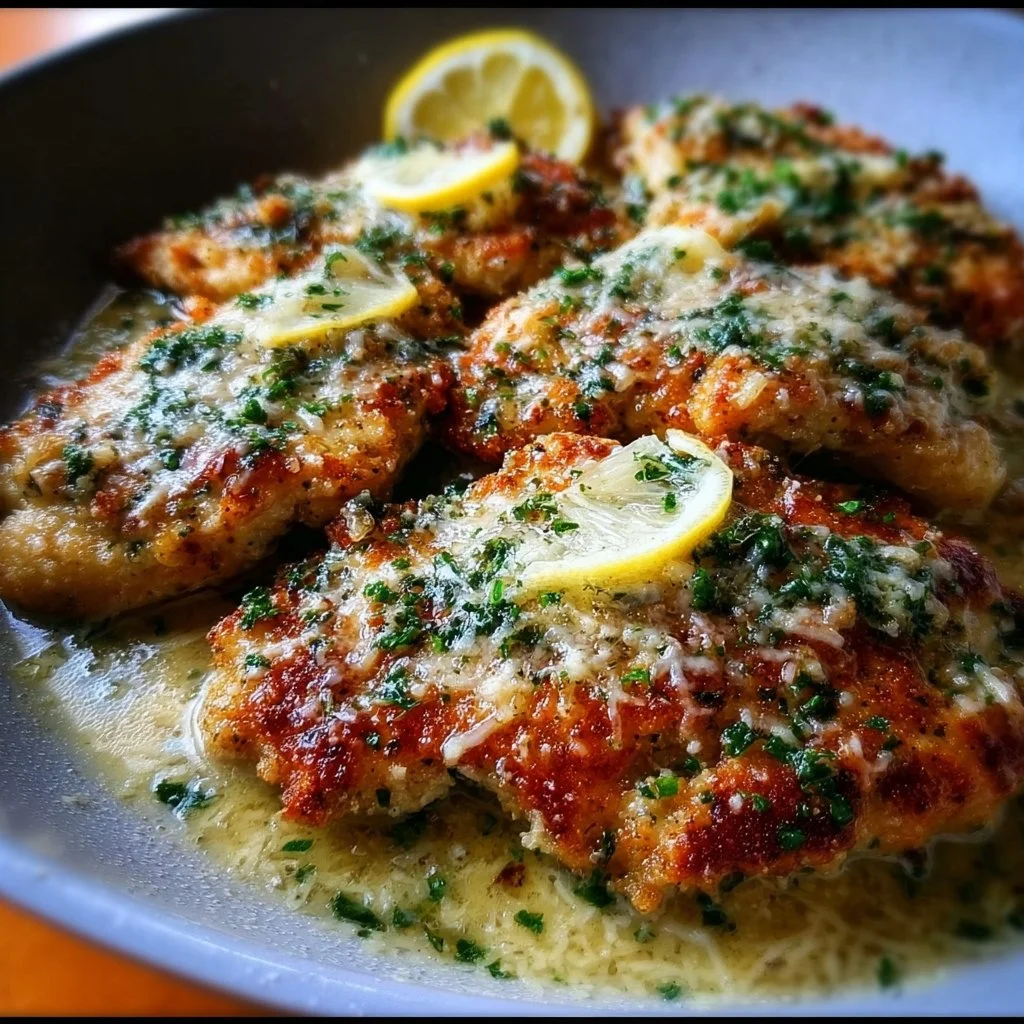
Lemon Chicken Romano
Ingredients
Method
- Preheat the oven to 375°F (190°C).
- In a medium bowl, combine lemon juice, Romano cheese, and minced garlic. Season with salt and pepper to taste and whisk until evenly blended.
- Pat chicken breasts dry with paper towels and pound them to even thickness if needed.
- Drizzle olive oil in a rimmed baking dish, then place the chicken in a single layer. Drizzle olive oil over each breast.
- Pour the lemon-Romano mixture evenly over the chicken pieces, ensuring each piece is coated.
- Bake the chicken for 25–30 minutes or until the internal temperature reaches 165°F (74°C).
- For a browned top, switch the oven to broil for the last 1–2 minutes, watching closely.
- Remove from oven and let the chicken rest for 5 minutes before serving.