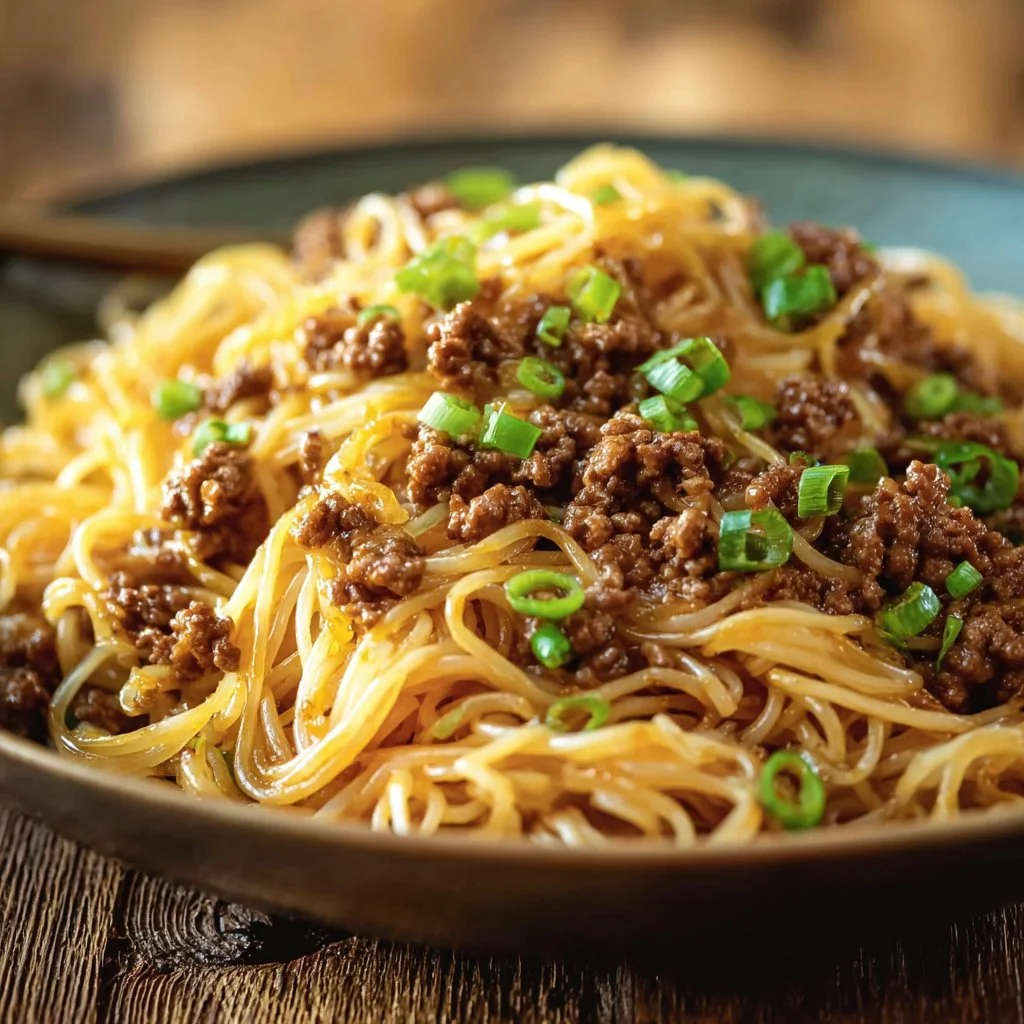
Mongolian Ground Beef Noodles
Introduction
If you’re craving something cozy, savory, and just a little bit nostalgic, Mongolian Ground Beef Noodles are the kind of weeknight dinner that hugs you from the inside out. This dish centers on simple pantry heroes — ground beef and linguine — dressed in a sticky-sweet, garlicky sauce that pairs perfectly with the season’s crisp evenings or a rainy afternoon. It’s quick enough for busy nights but satisfying enough to serve when friends stop by. If you enjoy hearty, comforting pasta recipes with bold flavors, you might also love this creamy Rotel pasta with ground beef, which shares the same spirit of comfort food made from scratch.
Ingredients & Equipment
Ingredients
- 1 lb ground beef
- 5 cloves garlic, minced
- 1/3 cup brown sugar
- 1/4 cup beef broth
- 1/3 cup soy sauce
- 3 tablespoons hoisin sauce
- 1/2 teaspoon ground ginger
- 1/2 teaspoon ground black pepper
- Pinch of red pepper flakes (optional for a spicy kick)
- 10 oz linguine
- 1 tablespoon cornstarch
- 2 tablespoons water
- 4 green onions, sliced for garnish
Notes on ingredients
- Ground beef: 80/20 is great for flavor (some fat helps the sauce cling), but you can choose leaner beef if you prefer.
- Hoisin sauce brings a deep, slightly sweet umami — if you don’t have it, a mix of oyster sauce and a touch of extra brown sugar can work.
- Linguine is listed in the recipe, but any long pasta (spaghetti, fettuccine) or even thick rice noodles can be substituted.
- The cornstarch slurry is the key to that glossy, clingy sauce.
Equipment and helpful tools
- Large pot for boiling pasta
- Large skillet or sauté pan (12-inch is ideal)
- Measuring cups and spoons
- Wooden spoon or spatula for breaking up beef
- Small bowl for the cornstarch slurry
- Colander to drain pasta
- Optional but helpful: a garlic press to mince garlic quickly, a silicone spatula for scraping the pan, and a kitchen thermometer if you like to check meat doneness. A blender is not needed for this recipe, but a baking tray is handy if you want to roast extra vegetables as a side.
If you find yourself enjoying ground-beef-forward bowls, try this flavorful ground beef hot honey bowl for another twist on quick comfort food.
Step-by-Step Instructions (with tips)
Follow these steps for reliably tasty Mongolian Ground Beef Noodles. Read the whole set of directions before you start — small prep steps make the cooking flow much smoother.
-
Cook the linguine
- Bring a large pot of salted water to a boil. Add the 10 oz linguine and cook according to package instructions until al dente. Reserve about 1/4 cup of pasta water (optional), then drain and set the linguine aside.
- Tip: Salting the water well seasons the pasta from the inside out. If you like finishing the sauce with a little extra silky texture, reserve some of the pasta water to loosen the sauce if it gets too thick.
-
Brown the ground beef
- Heat a large skillet over medium heat. Add the 1 lb ground beef and cook, breaking it up with a spatula, until browned and cooked through (about 6–8 minutes). Drain any excess fat if there’s a lot.
- Tip: If using lean beef, you can skip draining; with fattier beef, drain a little but leave a tablespoon in the pan for flavor.
-
Add garlic and aromatics
- Add the 5 cloves minced garlic to the skillet with the browned beef and cook about 1 minute, stirring, until fragrant. Don’t let the garlic burn — a quick stir is all you need.
- Tip: If you prefer a shallower, more caramelized garlic flavor, mince more finely or use a microplane for a near-paste that melts into the sauce.
-
Build the sauce
- Stir in 1/3 cup brown sugar, 1/4 cup beef broth, 1/3 cup soy sauce, 3 tablespoons hoisin sauce, 1/2 teaspoon ground ginger, 1/2 teaspoon ground black pepper, and a pinch of red pepper flakes if you want heat. Mix well so the sugar begins to dissolve and flavors meld.
- Tip: Taste as you go. If you like sweeter sauce, add a touch more brown sugar; for more umami, an extra splash of soy sauce or a teaspoon of fish sauce works well.
-
Thicken the sauce with a cornstarch slurry
- In a small bowl, whisk 1 tablespoon cornstarch with 2 tablespoons water until smooth. Pour this slurry into the skillet and stir until the sauce thickens, about 2–3 minutes. If it becomes too thick, loosen with reserved pasta water a tablespoon at a time.
- Tip: Always mix the cornstarch with cold water to avoid lumps. If you prefer a lighter sauce, reduce cornstarch to 3/4 tablespoon.
-
Combine noodles and sauce
- Add the cooked linguine to the skillet and toss until the noodles are evenly coated and warmed through. Make sure the heat is medium-low to prevent sticking.
- Tip: If you like, finish with a drizzle of toasted sesame oil or a squeeze of fresh lime for brightness.
-
Garnish and serve
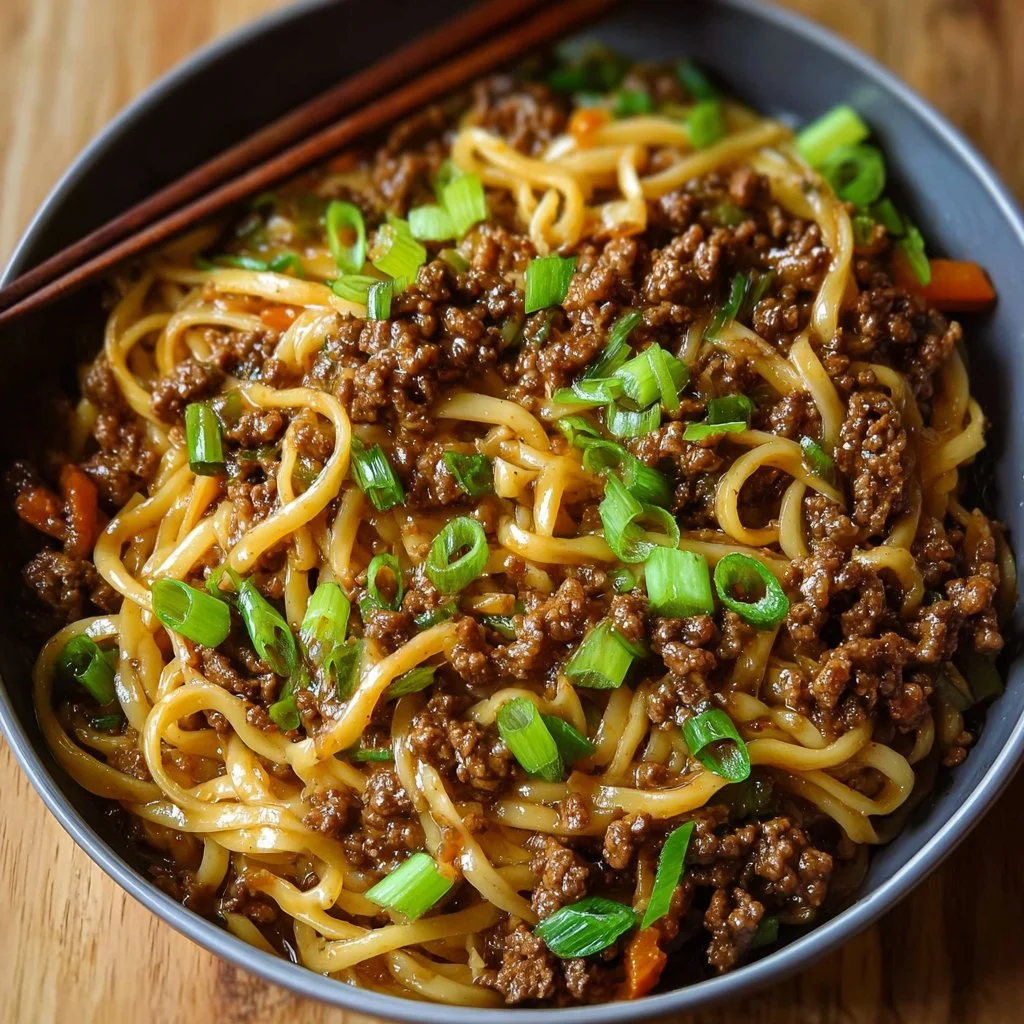
- Transfer to serving bowls or a large platter. Garnish generously with the 4 sliced green onions and serve immediately while hot.
- Tip: For extra crunch, add a handful of toasted sesame seeds or chopped roasted peanuts on top.
Variations and flavor suggestions
- Swap proteins: Try ground turkey or chicken for a lighter version; adjust seasoning and add a little oil if the meat is lean.
- Vegetarian option: Use crumbled firm tofu or textured vegetable protein (TVP) and replace beef broth with vegetable broth.
- Noodle swaps: Try rice noodles, udon, or even ramen for different textures. Thick udon gives a chewier, more bowl-like experience.
- Add vegetables: Toss in quick-cooking veggies like bell peppers, thin-sliced carrots, snap peas, or shredded cabbage when you add the garlic so they soften but retain bite. Roasted broccoli or cauliflower on the side makes a nice seasonal pairing.
- For a more layered sauce, start by quickly sautéing a small diced onion until translucent before adding the beef.
If you enjoy experimenting with ground beef in global flavors, this recipe pairs well with techniques used in ground beef shawarma bowls, like toasting spices and adding bright garnishes.
Storage, Freezing & Make-Ahead Tips
Storing leftovers
- Refrigeration: Store leftovers in an airtight container in the fridge for up to 3–4 days. The sauce will keep the noodles moist, but textures soften over time. Reheat gently to avoid overcooked pasta — microwave in 30-second bursts with a splash of water or reheat in a skillet over low heat with a tablespoon of water or broth.
Freezing
- Freezing cooked pasta isn’t always ideal because the texture can get mushy, but it’s possible. For best results, freeze the sauce separate from the noodles. Cool completely, place sauce in a freezer-safe container for up to 3 months. Thaw overnight in the fridge and reheat on the stove, then toss with freshly cooked pasta or gently reheated noodles.
- If you must freeze the combined dish, portion into freezer-safe containers and expect slightly softer noodles upon reheating. Use within 2 months for best quality.
Make-ahead
- Sauce ahead: Make the beef and sauce a day or two in advance and store in the fridge. When ready to eat, cook fresh linguine and toss with the reheated sauce; this will give you a fresher texture.
- Meal prep portions: Portion into single-serving containers for easy lunches. Reheat in a microwave-safe dish with a sprinkle of water and cover to retain moisture.
Portioning advice
- This recipe serves about 4 as a main. If you’re feeding hungry eaters or serving as a single course, plan on about 1/2 lb (8 oz) pasta for two people or increase to 12–16 oz if you prefer more noodles.
How to Use / Serve This Dish
Serving ideas
- Family-style: Serve the noodles on a large platter garnished with green onions and sesame seeds so everyone can help themselves.
- Bowl dinner: Portion into bowls and top with extra crunchy elements like toasted peanuts, fried shallots, or pickled vegetables for contrast.
- As a side: Use the beef and sauce as a topping for steamed rice for a simpler “Mongolian beef” bowl instead of noodles.
Pairings
- Vegetables: Steamed or roasted broccoli, bok choy, or snap peas add color, crunch, and freshness. Roasted winter squash is a lovely seasonal side during cooler months.
- Salads: A bright cucumber salad with rice vinegar or a simple shredded carrot slaw pairs well to cut through the sweetness of the sauce.
- Drinks: A citrusy iced tea or a light lager complements the dish. For wine, try a fruity red like a young Zinfandel or a chilled Riesling if you include a spicy kick.
Creative variations
- Make it saucy: For leftovers that get a little dry, mix in a tablespoon of butter or a splash of broth when reheating to refresh the texture.
- Add herbs: Finish with cilantro or Thai basil for an aromatic twist.
- Fusion mash-up: Spoon the saucy beef over roasted sweet potatoes or baked spaghetti squash for a low-carb option.
If you want another creamy, protein-rich pasta to rotate into your weeknight lineup, check out this creamy high-protein beef pasta for inspiration.
FAQ
Q: Can I use a different type of pasta?
A: Yes — linguine is recommended for its ability to hold sauce, but spaghetti, fettuccine, udon, or even rice noodles will work. Cook to package directions and adjust sauce thickness if needed.
Q: How long will leftovers keep in the fridge?
A: Properly stored in an airtight container, leftovers will keep 3–4 days. Reheat gently and add a splash of water or broth to revive the sauce.
Q: What can I substitute for hoisin sauce?
A: If you don’t have hoisin, you can substitute with a mix of oyster sauce + a teaspoon of brown sugar, or use extra soy sauce and a little plum jam for sweetness. The flavor will shift slightly but remain delicious.
Q: Can I make this gluten-free?
A: Yes. Use gluten-free linguine or rice noodles, and swap soy sauce for tamari or a gluten-free soy alternative. Double-check hoisin label or substitute with a gluten-free alternative.
Additional Tips and Troubleshooting
- Too salty? If the sauce tastes too salty from soy sauce, add a little more brown sugar, a squeeze of fresh lime, or a splash of water/broth to balance.
- Sauce too thin? Add a touch more cornstarch slurry (mix 1 tsp cornstarch with 1 tsp cold water first) and heat until thickened.
- Burnt garlic: If garlic scorches, it becomes bitter. If this happens, remove the pan from heat briefly, scrape out the garlic bits, and continue with fresh garlic if needed.
- Flavor depth: For a deeper, more complex flavor, sauté a small diced onion until golden before adding the beef, or add a teaspoon of toasted sesame oil at the end.
Conclusion
This Mongolian Ground Beef Noodles recipe is the perfect combination of simple pantry ingredients and big, comforting flavor — ideal for those seasonal evenings when you want dinner to feel like a warm, satisfying hug. If you’d like to compare versions or see how other cooks adapt this idea, check out this thoughtful version from Table for Two® by Julie Chiou, a classic take at 12 Tomatoes’ Mongolian Ground Beef Noodles, and another delicious adaptation from Jen Around the World. Give this recipe a try, tweak it to your tastes, and share it with someone who loves cozy, homemade meals. I’d love to hear how you made it your own — drop a comment or photo and spread the comfort.