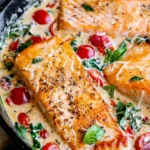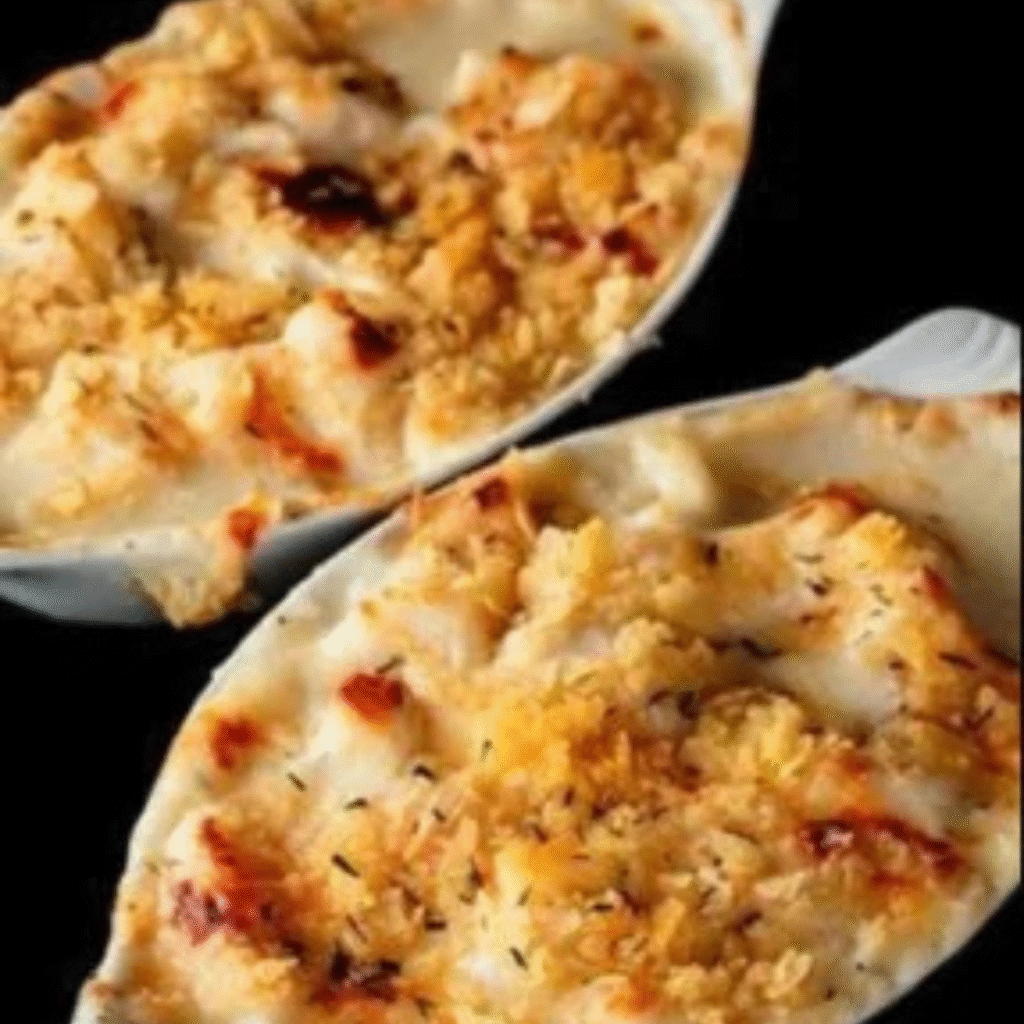
There’s something wonderfully comforting about a seasonal seafood dish that feels both fresh and homey — which is why “Pin by James Biba on Interesting Food Recipes | Seafood Dish Recipes, Fish Recipes, Fish Dinner Recipes” has become one of my go-to inspirations this season. This recipe celebrates a delicate white fish (think cod or sea bass) paired with bright spring vegetables and lemony herbs — ingredients that are at their best in warmer months. It’s simple enough for a weeknight, elegant enough for guests, and perfect if you enjoy cooking from scratch with seasonal produce. If you like finishing a meal with something sweet, you might also enjoy our roundup of seasonal strawberry desserts to pair after dinner.
Why this recipe works
This dish balances flaky fish, bright citrus, and roasted or sautéed vegetables for texture and comfort. It’s forgiving for beginner cooks, yet the flavors are nuanced enough to impress. You’ll learn simple techniques — searing, light roasting, and finishing with an herb-citrus vinaigrette — that translate to many other fish recipes. Plus, it’s adaptable to the fish you find at your market and the vegetables that shine each season.
Ingredients & Equipment
Ingredients (serves 4)
- 4 x 6–7 oz fillets of cod, sea bass, or halibut (skinless or skin-on)
- Salt and freshly ground black pepper
- 2 tablespoons olive oil, divided
- 2 tablespoons unsalted butter (optional for finishing)
- 1 lemon (zest + 2 tablespoons juice)
- 2 garlic cloves, minced
- 1 tablespoon Dijon mustard (for vinaigrette)
- 2 tablespoons white wine or low-sodium chicken stock (optional)
- 1/4 cup chopped fresh parsley or dill
- 1 pound new potatoes or baby potatoes, halved
- 1 bunch asparagus, trimmed, or 2 cups cherry tomatoes halved
- 1 small shallot, finely chopped
- Pinch of red pepper flakes (optional)
- 1 teaspoon capers (optional, for briny contrast)
Equipment
- Large nonstick or stainless steel skillet (12-inch recommended)
- Baking tray (if roasting vegetables)
- Mixing bowl and whisk
- Tongs or fish spatula
- Kitchen thermometer (handy for perfect doneness)
- Cutting board and sharp knife
- Aluminum foil or parchment paper (for roasting)
Notes: Choose firm, fresh fillets for the best texture. If your market offers sustainably caught options, go for those. A kitchen thermometer is a small investment that takes the guesswork out of cooking fish — 135–140°F (57–60°C) internal temperature is ideal for many white fish types.
Step-by-Step Instructions (with tips)
Prep the vegetables
- Preheat the oven to 425°F (220°C) if you’re roasting vegetables. Toss halved new potatoes with 1 tablespoon olive oil, salt, and pepper. Spread on a baking tray and roast for 20 minutes, then add asparagus or cherry tomatoes and roast another 8–12 minutes until tender and lightly caramelized. For a stovetop option, par-cook potatoes in salted boiling water for 8–10 minutes until just tender, then pan-sear with a little oil to crisp the edges.
Season and sear the fish
- Pat fish dry with paper towels and season both sides with salt and pepper. Heat 1 tablespoon olive oil in a skillet over medium-high heat until shimmering. Add fillets skin-side down if skin-on. Sear without moving for 3–4 minutes until a golden crust forms, then gently flip and cook another 2–4 minutes until opaque and flaky. Tip: If your fillets are thick, finish in a 375°F (190°C) oven for 3–5 minutes to ensure even cooking.
- For a lighter method, you can poach fish in a shallow pan with 1/2 cup white wine or stock, lemon slices, and herbs. Bring to a gentle simmer, nestle the fillets in, and poach for 6–8 minutes until cooked through — ideal for delicate white fish.
Make the lemon-herb vinaigrette and finish
- While the fish cooks, whisk together 2 tablespoons olive oil, 2 tablespoons lemon juice, lemon zest, minced garlic, Dijon mustard, chopped parsley or dill, and a pinch of salt and pepper. Stir in capers or a touch of red pepper flakes if using.
- Remove fish to a warm plate, add butter to the skillet (optional) and swirl to create a quick pan sauce, deglazing with a splash of white wine or stock. Spoon the pan sauce and lemon-herb vinaigrette over the fillets just before serving.
Variations and flavor suggestions
- Grilled option: Brush fillets with oil and grill over medium-high heat 3–5 minutes per side for a smoky finish.
- Mediterranean twist: Add olives, sun-dried tomatoes, and a sprinkle of oregano to the vinaigrette.
- Asian-inspired: Swap lemon for lime, parsley for cilantro, and add 1 teaspoon toasted sesame oil and a splash of soy sauce.
- Vegetarian swap: Replace fish with firm tofu steaks, seared until golden, and finish with the same vinaigrette.
Chef’s tip: If you want picture-perfect plating, look for creative plating and presentation ideas that translate from desserts to savory dishes — simple garnishes like lemon rounds, microgreens, or a drizzle pattern with the vinaigrette make the dish feel elevated.
Storage, Freezing & Make-Ahead Tips
Leftover cooked fish and vegetables keep well in the refrigerator for up to 2 days when stored in an airtight container. For best texture, store the sauce separately and reheat fish gently:
- Reheating: Warm in a low oven (275–300°F / 135–150°C) for 8–10 minutes or microwave at 50% power in 30-second bursts to avoid drying out.
- Freezing: Cooked fish can be frozen, but texture may change. Wrap portions tightly in plastic wrap and place in a freezer-safe bag for up to 2 months. Thaw overnight in the refrigerator and reheat gently.
- Make-ahead: Roast the potatoes and prepare the vinaigrette up to 24 hours in advance. Store vinaigrette in the fridge and bring to room temperature before serving. Par-cook potatoes and refrigerate; finish them in a hot skillet or oven to crisp right before serving.
Portioning advice: For portion control and easy freezing, divide cooked fish into individual portions before freezing so you can reheat a single serving without thawing the whole batch.
How to Use / Serve This Dish
This fish dinner is versatile for weeknights and special occasions alike. Here are some serving ideas and pairings to make the meal sing:
- Classic: Serve fillets over roasted new potatoes and asparagus with a lemon wedge and a sprinkle of parsley.
- Light lunch: Flake the cooled fish into a salad with baby greens, cherry tomatoes, diced cucumber, and a drizzle of the lemon vinaigrette.
- Tacos: Use warm tortillas, shredded cabbage, a spoonful of vinaigrette, and quick-pickled red onion for fish tacos.
- Family-style: Arrange whole fillets on a large platter with roasted vegetables; let everyone help themselves for a cozy, communal meal.
Serve with a crisp white wine like Sauvignon Blanc or a light rosé. For bread lovers, a crusty baguette to mop up the pan sauce is perfect — it’s worth drawing inspiration from bread-making guides when you want truly great crusty loaves in your kitchen.
For creative garnishing ideas that help turn a simple weeknight plate into something special, you can borrow techniques from other types of presentation; such ideas can even be found among fancy garnishing ideas that translate well across cuisines.
FAQ
Can I use frozen fish for this recipe?
Yes. Thaw frozen fillets fully in the refrigerator overnight, then pat dry before cooking. Excess moisture prevents a good sear, so make sure the fish surface is as dry as possible for a golden crust.
What’s the best way to tell when the fish is done?
Look for opaque flesh that flakes easily with a fork. A kitchen thermometer is the most reliable tool — remove fish at 135–140°F (57–60°C) and it will continue to gently rise a few degrees as it rests. Overcooking dries the fish, so err on the side of slightly underdone for moister results.
Can I swap the potatoes for rice or another grain?
Absolutely. Serve the fish over cooked rice, quinoa, or farro for a wholesome base. Just toss the grain with a little vinaigrette or olive oil to keep the flavors cohesive. If you’re looking for a heartier side, try the flavor profile of a garlic parmesan meatloaf for a comforting pairing when feeding a crowd or wanting extra comfort food vibes.
Are there allergy-friendly substitutions?
If you’re avoiding dairy, skip the butter and finish with extra olive oil. For a gluten-free meal, confirm any condiments (like mustard) are GF and serve with naturally gluten-free sides like roasted potatoes or rice. For low-sodium needs, reduce added salt and use low-sodium stock instead of wine.
Conclusion
This seasonal seafood dish from the “Pin by James Biba on Interesting Food Recipes | Seafood Dish Recipes, Fish Recipes, Fish Dinner Recipes” inspiration is a warm, comforting option that highlights fresh, bright flavors without fuss. Whether you roast, sear, or gently poach, the combination of flaky fish, lemony herbs, and seasonal vegetables is an easy way to celebrate the best of the season in your kitchen. If you’re interested in bread to serve alongside this meal, this helpful guide to making French baguettes offers techniques to bake a crusty loaf at home, and if you’re juggling pet nutrition or curious about homemade pet food resources, this balanced homemade dog food reference is a thorough resource for pet owners.
Give this recipe a try this week — then come back and share how you made it your own. I’d love to hear your seasonal swaps, serving ideas, or any delicious mistakes that turned into favorites.
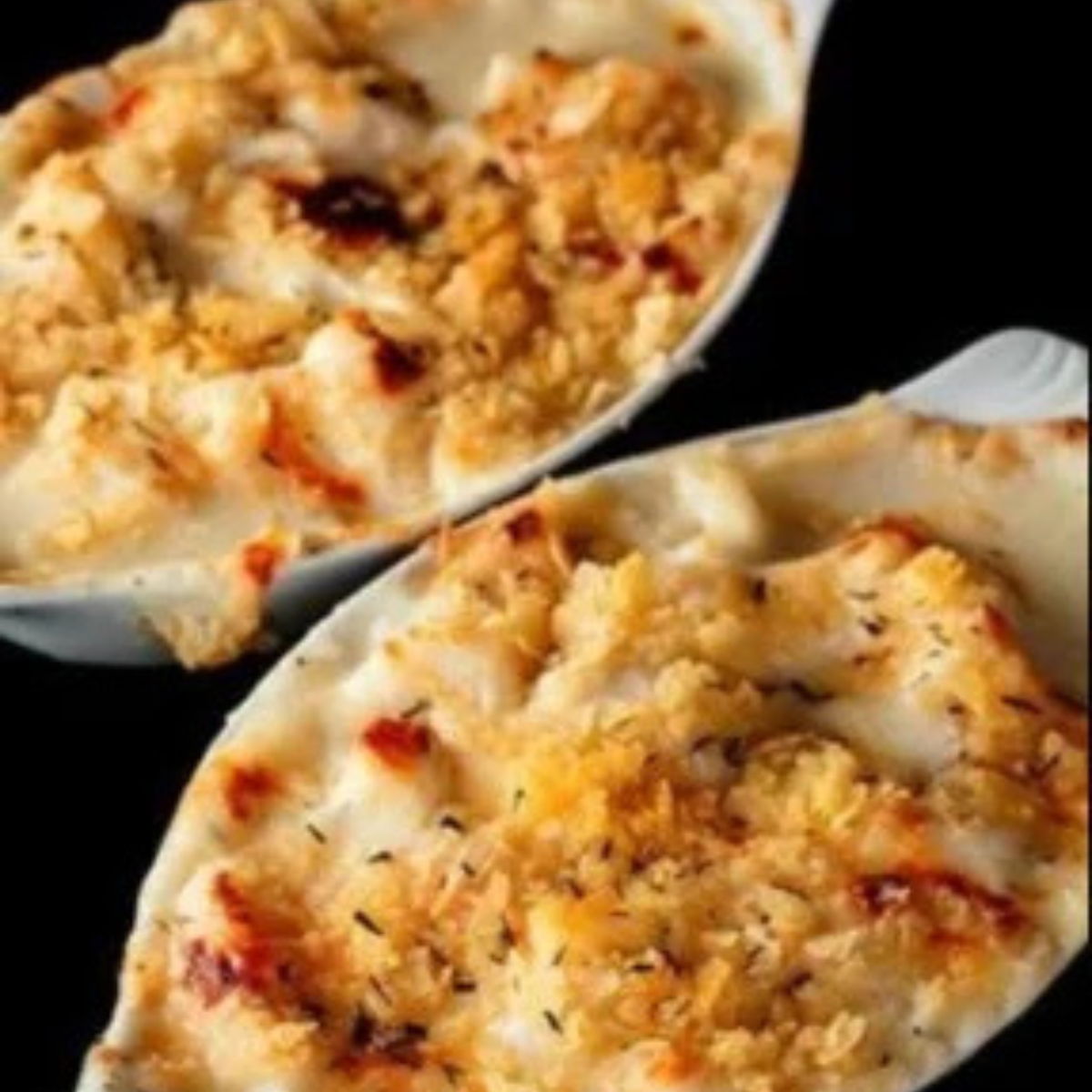
Seasonal White Fish with Spring Vegetables
Ingredients
Method
- Preheat the oven to 425°F (220°C) if roasting vegetables.
- Toss halved new potatoes with 1 tablespoon olive oil, salt, and pepper. Spread on a baking tray and roast for 20 minutes.
- Add asparagus or cherry tomatoes and roast another 8–12 minutes until tender and lightly caramelized.
- For stovetop option, par-cook potatoes in salted boiling water for 8–10 minutes until just tender, then pan-sear with a little oil to crisp the edges.
- Pat fish dry with paper towels and season both sides with salt and pepper.
- Heat 1 tablespoon olive oil in a skillet over medium-high heat until shimmering.
- Add fillets skin-side down if skin-on. Sear without moving for 3–4 minutes until a golden crust forms.
- Gently flip and cook another 2–4 minutes until opaque and flaky. For thick fillets, finish in a 375°F (190°C) oven for 3–5 minutes.
- While the fish cooks, whisk together 2 tablespoons olive oil, 2 tablespoons lemon juice, lemon zest, minced garlic, Dijon mustard, chopped parsley or dill, and a pinch of salt and pepper.
- Stir in capers or a touch of red pepper flakes if using.
- Remove fish to a warm plate, add butter to the skillet (optional) and swirl to create a quick pan sauce, deglazing with a splash of white wine or stock.
- Spoon the pan sauce and lemon-herb vinaigrette over the fillets just before serving.