Saying Eighteen, can you believe we are here? I remember the first time I baked this for a tiny family gathering, talking with you as if you were right in my kitchen, nervously frosting the top while a lemon scent curled through the air. This recipe feels like a warm conversation with an old friend: tender layers of vanilla and citrus, a soft crumb that melts against a dollop of velvety cream cheese frosting. It uses everyday pantry staples like flour, butter, eggs, sugar, and fresh lemons, so it’s approachable in any season and perfect for milestone moments or cozy weekend baking.
A Cozy, Citrus-Vanilla Layer Cake for Milestones
Why You’ll Love This Recipe
- Quick and easy to prepare for a celebration, yet impressive enough to serve to guests
- Simple, accessible ingredients you likely have on hand
- Perfect for spring and summer gatherings, and bright enough to lift chilly winter afternoons
- Comforting and satisfying with a nostalgic, home-baked aroma
What makes this version unique is its intentional balance between nostalgic flavor and approachable technique. I keep the layers thin and fuss-free so the cake bakes evenly, the frosting is lightly tangy rather than cloying, and there are optional toasted almond or citrus-sugar finishes so you can customize texture. Emotionally, this cake is designed to be calming to make: small, confident steps, visual cues at every turn, and mini tips to rescue a batter or smooth a frosting. You will finish feeling proud and ready to share a slice with someone you love.
Ingredients Needed
Grouped for clarity and to reduce last-minute pantry runs. Quantities are written with common home measurements and metric equivalents where helpful.
For the cake layers
- 2 1/4 cups (280 g) all-purpose flour, spooned into the cup and leveled
- 1 1/2 cups (300 g) granulated sugar
- 1 tablespoon baking powder
- 1/2 teaspoon fine sea salt
- 1 cup (226 g) unsalted butter, softened to room temperature (or a high-quality plant-based spread for dairy-free)
- 4 large eggs, at room temperature
- 1 cup (240 ml) whole milk, warmed slightly – or use unsweetened oat milk for a dairy-free option
- 2 teaspoons pure vanilla extract
- Zest of 2 lemons and 2 tablespoons fresh lemon juice
For the frosting
- 12 ounces (340 g) cream cheese, softened – or a vegan cream cheese alternative for dairy-free
- 3/4 cup (170 g) unsalted butter, softened
- 3 to 4 cups (360 to 480 g) confectioners sugar, sifted for smoother texture
- 1 teaspoon vanilla extract
- 1 to 2 tablespoons fresh lemon juice to taste
- Pinch of fine sea salt
Optional mix-ins and toppings
- 1/2 cup thinly sliced toasted almonds for crunch
- 1/4 cup candied lemon slices or preserved citrus for garnish
- 1/4 teaspoon finely grated nutmeg or ground cardamom for a subtle spice twist
- Fresh berries for color and brightness
Substitutions and clarifications
- Fresh vs frozen: zest and juice should be from fresh lemons for the brightest flavor; frozen zest loses aromatic oils.
- Butter: room temperature is key for a light, aerated batter; if using margarine or vegan spread, choose one formulated for baking.
- Cream cheese: if you prefer a lighter frosting, replace half the cream cheese with mascarpone or use a whipped buttercream made with vegan butter.
- Sugar: for a slightly denser crumb, you can use 3/4 cup brown sugar and 3/4 cup granulated sugar; it adds caramel notes.
Ingredients & Equipment Notes (Optional)
- 8-inch round cake pans, 2 or 3 depending on how thin you like the layers. For even baking, two pans are simpler; for a tiered look, use three pans and divide batter.
- Parchment paper to line pan bottoms for easy release.
- An electric mixer makes creaming butter and sugar effortless and gives a lighter crumb, but a sturdy whisk and elbow grease work too.
- A fine grater or microplane for zesting lemons evenly; avoid applying lateral pressure that punctures the pith.
- An offset spatula for frosting smoothing and a bench scraper for clean sides if you want a polished finish.
- An instant-read thermometer helps when warming milk – you want it slightly warmed but not hot, around 95 to 105 F (35 to 40 C).
Instructions – How to Make “Saying Eighteen”
- Preheat and prepare your pans
- Preheat the oven to 350 F (175 C). Butter the bottoms and sides of two 8-inch pans, then line the bottoms with round parchment disks. This ensures the cakes come out clean and the edges brown evenly. Visual cue: the pans should look evenly greased with no puddles of butter.
- Combine dry ingredients
- In a large bowl, whisk together the flour, baking powder, and salt until uniformly blended. Why this matters: evenly distributed leavening means consistent rise across layers. The batter will be smooth, no streaks of powder.
- Cream butter and sugar
- In a stand mixer or with a handheld mixer, beat the softened butter and granulated sugar on medium speed for 3 to 4 minutes until pale and fluffy. Mini tip: scrape the bowl halfway through to ensure even creaming. Visual cue: the mixture will lighten in color and increase in volume.
- Add eggs one at a time
- Reduce mixer speed and beat in the eggs, one at a time, allowing each to incorporate fully before adding the next. Add the vanilla extract with the final egg. Why this matters: gradual addition prevents curdling and keeps the emulsion stable. The batter will look glossy and cohesive.
- Alternate adding dry ingredients and milk
- With the mixer on low, add the flour mixture in three parts, alternating with the warmed milk in two parts, beginning and ending with flour. Mix only until combined; overmixing develops gluten and yields a tough crumb. Visual cue: stop mixing when you see no dry streaks of flour and the batter flows slowly off a spatula.
- Fold in lemon zest and juice
- Gently fold the lemon zest and lemon juice into the batter with a spatula. Why this matters: folding preserves the aeration you built while ensuring citrus is evenly distributed. Mini tip: if your batter looks slightly loose after juice, that is normal — the oven will set it.
- Divide batter and bake
- Pour batter evenly into the prepared pans. Tap the pans lightly on the counter to release air pockets. Bake for 22 to 28 minutes, rotating the pans halfway through if your oven runs unevenly. Visual cues: the cake top should be golden, spring back when gently pressed, and a toothpick inserted into the center should come out with a few moist crumbs, not wet batter.
- Cool properly
- Let the cakes cool in the pans on a wire rack for 10 minutes, then run a thin knife around the edges and invert them onto the rack. Remove the parchment and flip right side up to finish cooling. Why this matters: premature removal can cause breaking, and cooling completely prevents frosting from melting.
- Prepare the frosting
- Beat the softened cream cheese and butter together on medium speed until smooth, about 2 to 3 minutes. Add the sifted confectioners sugar gradually, starting with 1 cup at a time, and beat until creamy. Add vanilla, lemon juice, and a pinch of salt. Mini tip: if frosting is too soft, chill for 10 to 15 minutes and then rewhip briefly. Visual cues: the frosting should be spreadable, glossy, and without grainy sugar texture.
- Assemble the cake
- If needed, level the cakes using a serrated knife to remove a domed top. Place one layer on a serving plate or cake board, spread about one-third of the frosting in an even layer, add the next cake, repeat, then apply a crumb coat (a thin layer of frosting) and chill for 15 minutes for stability. Why this matters: a chilled crumb coat locks crumbs in so your final coat stays clean.
- Final frosting and decorating
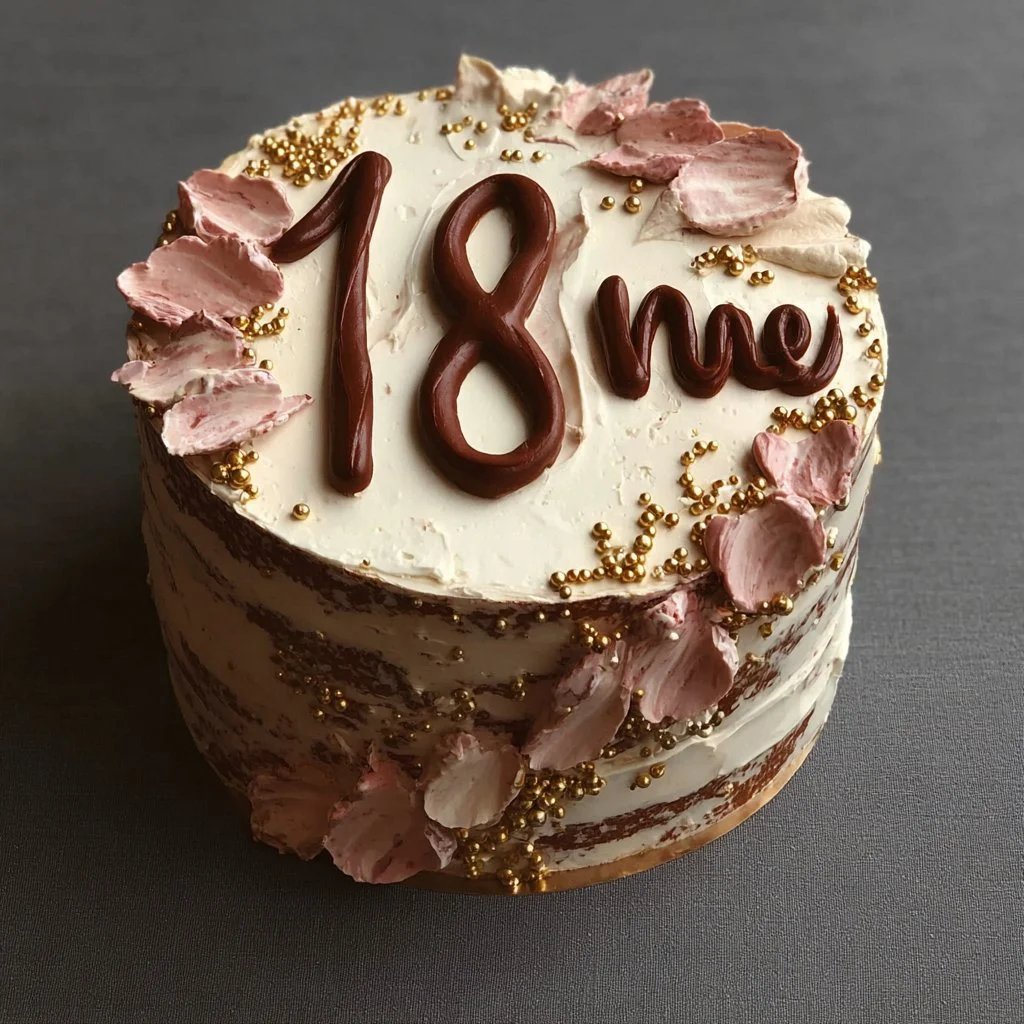
- Apply the remaining frosting in a thicker, inviting layer. Use an offset spatula to create soft swirls or a bench scraper for clean sides. Sprinkle toasted almonds or arrange candied lemon slices and fresh berries. Mini tip: warm the offset spatula under hot water and dry quickly for smoother frosting edges. Visual cue: finished cake should look cohesive, with a hint of texture and glossy frosting.
- Let the flavors settle
- For best flavor, chill the cake for at least 30 minutes before slicing; this helps the frosting set and melds the lemon notes. Bring to room temperature about 20 minutes before serving for a softer slice and the best mouthfeel.
Serving Suggestions & Storage Tips
Serving ideas
- Slice the cake into modest wedges and serve on vintage plates for a nostalgic feel.
- Add a dollop of whipped cream or a spoonful of lemon curd on the side for extra brightness.
- For a brunch or afternoon tea, pair single slices with a small bowl of fresh berries.
Presentation tips
- Keep garnish simple: a few candied lemon slices and some toasted almonds create a refined look.
- If you prefer a rustic presentation, dust the top lightly with powdered sugar and scatter edible flowers.
- For children or casual gatherings, let guests add their own berries or sprinkles at the table.
Pairings
- Non-alcoholic pairings: hot herbal tea like chamomile or an Earl Grey for citrus notes, or a chilled ginger-lemon iced tea.
- Coffee complements the cake’s sweetness well; choose a medium roast for balanced flavors.
- For a brunch menu, pair with yogurt parfaits and a fresh fruit platter.
Storage
- Fridge: Store leftover slices in an airtight container for up to 4 days. The cream cheese frosting requires refrigeration.
- Freezer: Wrap individual slices tightly in plastic wrap and then foil, or freeze the whole cake (well wrapped) for up to 2 months. Thaw in the refrigerator overnight.
- Keep in mind: freezing can slightly change frosting texture, so consider freezing unfrosted layers if you plan to frost just before serving.
Best reheating methods
- For a refrigerated slice, bring to room temperature for about 20 minutes before eating for softer texture.
- Avoid microwaving a frosted slice as the frosting can become oily or separate; if you must microwave, remove frosting, warm the cake gently for 10 to 15 seconds, then add fresh frosting or whipped cream.
- Reheat unfrosted slices in a 300 F oven for 8 to 10 minutes wrapped in foil to avoid drying.
Helpful Notes & Variations
Ingredient substitutions
- Gluten-free: Use a 1-to-1 gluten-free all-purpose flour blend that includes xanthan gum and follow the same measurements; expect slightly denser texture.
- Dairy-free: Substitute plant-based butter and vegan cream cheese. Use unsweetened oat or almond milk.
- Lower sugar: Reduce granulated sugar to 1 1/4 cups and add 1/4 cup applesauce to maintain moisture; reduce frosting sugar slightly to taste.
Dietary adaptations
- Nut-free: Omit toasted almonds and use seeds or extra berries for crunch.
- Egg-free: Use an egg replacer for each egg or 1/4 cup applesauce and 1/4 cup additional oil per egg for a denser but lovely crumb.
Flavor add-ins
- Citrus swap: Replace lemon zest and juice with orange for a warmer, sweeter profile.
- Floral hint: Add 1/4 teaspoon orange blossom water or 1/2 teaspoon dried lavender infused into the milk for a delicate aroma.
- Spice layer: Add 1/2 teaspoon ground cardamom or cinnamon to the flour mixture for a cozy depth.
Common mistakes and how to avoid them
- Overbeating the batter after adding flour leads to a tight crumb. Mix only until no streaks remain.
- Frosting when cake is warm causes melting and separation. Always cool completely or chill briefly after crumb coat.
- Using too much lemon juice straight into the batter can make it runny; zest is more concentrated and aromatic without extra liquid.
Experience-based tips
- If your cakes brown too quickly on top, tent loosely with foil after the first 15 minutes of baking.
- For even layers, weigh the batter and divide equally between pans. It’s a small step that yields professional results.
- Keep an eye on the oven at the 20-minute mark; ovens vary and cakes can go from perfectly baked to overdone quickly.
Conclusion
Saying Eighteen stands out because it pairs comforting, familiar textures with a bright citrus lift that feels celebratory without being fussy. The method is forgiving: gentle creaming, careful mixing, and a chilled crumb coat set you up for success. Practically, it uses everyday ingredients and simple tools, so you can make it any time you want a home-baked moment that feels special. Emotionally, it’s the kind of recipe that invites conversation — a slice shared over tea, a cake that marks a milestone, or a simple weekend treat that becomes part of your family’s memories.
If you are curious about the language behind the name, you can explore a conversation on how to say numbers in English at how to say eighteen hundred in English. If you baked this for a child or a little one in your life and are thinking about developmental milestones, a helpful resource on toddler speech milestones is available at how many words an 18-month-old should say. For grammar or wording questions about phrases like “eighteen year-old” versus “eighteen years old,” see community discussions such as eighteen year-old/eighteen years old forum discussion.
Frequently Asked Questions
Can I make this recipe ahead of time?
Yes. You can bake the layers up to 2 days ahead and keep them wrapped tightly in the refrigerator. If you prefer, freeze the unfrosted layers for up to 2 months and thaw in the fridge overnight before frosting. For best texture, assemble and frost the day you plan to serve.
How should I store leftovers and how long do they last?
Store leftovers in an airtight container in the refrigerator for up to 4 days. If you freeze leftovers, wrap slices tightly in plastic wrap and foil; they will keep for up to 2 months. Thaw frozen slices in the refrigerator overnight.
What is the best way to reheat or serve this recipe after storage?
Bring refrigerated slices to room temperature for about 20 minutes before serving to soften the crumb and improve flavor. Avoid microwaving frosted slices if possible; if reheating is necessary, remove frosting, warm the cake for short intervals, and reapply fresh frosting or whipped cream.
Can I adjust or substitute ingredients to fit my preferences?
Absolutely. You can make this cake gluten-free with a suitable 1-to-1 flour blend, dairy-free with plant-based butter and vegan cream cheese, or reduce sugar slightly by substituting part of the sugar with applesauce. Each substitution may slightly change texture, so follow the Helpful Notes section for guidance.
Do you have tips to ensure the best texture and flavor every time?
Yes. Use room-temperature ingredients for proper emulsification, do not overmix after adding flour, and make sure the layers are fully cooled before frosting. For an even rise and consistent baking, consider weighing the batter between pans. For vibrant citrus flavor, prioritize fresh zest over bottled.
Saying Eighteen Celebration Cake
Ingredients
Method
- Preheat the oven to 350 F (175 C). Butter the bottoms and sides of two 8-inch pans, then line the bottoms with round parchment disks.
- In a large bowl, whisk together the flour, baking powder, and salt until uniformly blended.
- In a stand mixer, beat the softened butter and granulated sugar on medium speed for 3 to 4 minutes until pale and fluffy.
- Reduce mixer speed and beat in the eggs, one at a time, allowing each to incorporate fully before adding the next.
- Add the vanilla extract with the final egg.
- With the mixer on low, add the flour mixture in three parts, alternating with the warmed milk in two parts, beginning and ending with flour. Mix only until combined.
- Gently fold the lemon zest and lemon juice into the batter with a spatula.
- Pour batter evenly into the prepared pans. Tap the pans lightly on the counter to release air pockets.
- Bake for 22 to 28 minutes, rotating the pans halfway through.
- Let the cakes cool in the pans on a wire rack for 10 minutes, then run a thin knife around the edges and invert them onto the rack.
- Beat the softened cream cheese and butter together on medium speed until smooth, about 2 to 3 minutes.
- Add the sifted confectioners sugar gradually and beat until creamy.
- Add vanilla, lemon juice, and a pinch of salt.
- If needed, level the cakes using a serrated knife. Place one layer on a serving plate or cake board, spread about one-third of the frosting in an even layer.
- Repeat with the next layer, then apply a crumb coat and chill for 15 minutes.
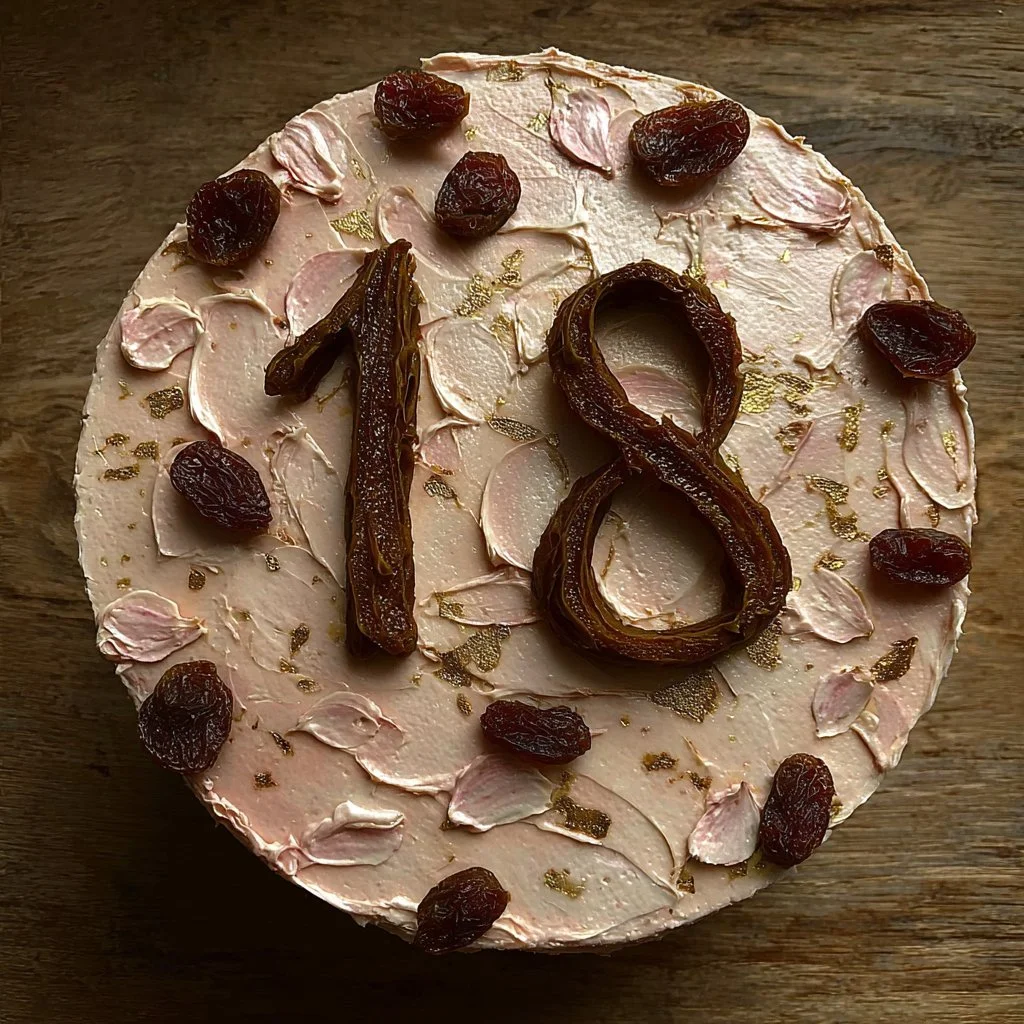
- Apply the remaining frosting in a thicker layer and decorate with optional toppings.
- For best flavor, chill the cake for at least 30 minutes before slicing.