Spring baking has a special kind of magic: bright citrus, tender crumb, and a sense of celebration that feels just right for Easter brunch or a sunlit afternoon tea. “Pin by Isabellafield on Quick Saves | Spring baking, Easter dessert, Sweet recipes” is one of those cozy, from-scratch recipes that pairs seasonal lemons and creamy ricotta for a cake that’s light, flavorful, and unfussy. The main ingredients—fresh ricotta and lemons—give the cake a moist texture and a sunny, zesty lift that tastes of spring. If you like the idea of baking something that’s both comforting and elegant, this recipe will become a go-to, and it plays wonderfully with fresh berries and pastel decorations for Easter. For ideas on pairing with bright berry desserts, see this inspiration from summer strawberry desserts: summer strawberry desserts.
Ingredients & Equipment
Ingredients
- 1 1/2 cups (360 g) whole-milk ricotta (or well-drained cottage cheese blended smooth)
- 1 cup (200 g) granulated sugar
- Zest of 2 large lemons (reserve a little for garnish)
- 3 large eggs, at room temperature
- 1/2 cup (120 ml) extra-virgin olive oil or neutral vegetable oil
- 1 teaspoon pure vanilla extract
- 1 3/4 cups (220 g) all-purpose flour
- 2 teaspoons baking powder
- 1/2 teaspoon fine sea salt
- 1/3 cup (80 ml) whole milk or buttermilk (optional — for slightly lighter crumb)
- 1 cup fresh raspberries or mixed berries (for glaze or folding in)
- 1 cup powdered sugar (for glaze)
- 1–2 tablespoons lemon juice (for glaze)
- Optional: edible flowers or pastel sprinkles for Easter decorating
Notes:
- Ricotta makes the cake wonderfully moist and slightly tangy. If you prefer, substitute an equal amount of Greek yogurt for a different texture.
- For a nutty depth, replace 1/4 cup of flour with finely ground almond meal.
Equipment
- 9-inch (23 cm) round cake pan or small bundt pan (well-greased), or a loaf pan for a more rustic look
- Mixing bowls (one large, one medium)
- Electric mixer or sturdy whisk (a stand or handheld mixer makes things easier)
- Rubber spatula and a fine-mesh sieve (for zest and flour aeration)
- Measuring cups and spoons, kitchen scale if you prefer weight accuracy
- Cooling rack and small saucepan (for glaze)
- Optional but helpful: food processor or blender (to smooth ricotta), microplane zester, parchment paper
A quick tool tip: Using a microplane for zesting gives the brightest lemon flavor without bitter pith, and a food processor can help you get really silky ricotta if the texture is a bit grainy.
Step-by-Step Instructions (with tips)
Below is an easy, foolproof method to make a lemon-ricotta spring cake with a raspberry glaze. I’ve included variations (roasting vs. using fresh lemons, swaps for ricotta), texture tips, and flavor boosts so the recipe adapts to what’s in your pantry.
- Prepare the pan and oven. Preheat your oven to 350°F (175°C). Grease your 9-inch pan well with butter or nonstick spray and line the bottom with parchment paper if using a round or loaf pan for easier removal. If using a bundt pan, be thorough with greasing every nook.
- Zest and juice lemons. Zest the lemons first (avoid the bitter white pith), then juice one or two for the glaze. Tip: For a deeper lemon flavor, you can roast halved lemons cut-side down in a hot skillet or under the broiler for 3–5 minutes until caramelized—then zest and squeeze. Roasting mellows acidity and adds complexity.
- Combine ricotta, sugar, and zest. In a large bowl, whisk together the ricotta, granulated sugar, and lemon zest until smooth. If your ricotta is grainy, blitz it briefly in the food processor beforehand for a silkier result. This step ensures the cake has a creamy base and even lemon flavor.
- Add eggs and oil. Beat in the eggs one at a time, followed by the olive oil and vanilla extract, until just combined. The mixture will look glossy and slightly loose—that’s good; the ricotta and oil keep it tender.
- Mix dry ingredients. In a separate bowl, sift or whisk together the flour, baking powder, and salt. Sifting helps aerate the flour for a lighter cake, but whisking is fine if you don’t have a sifter.
- Combine wet and dry. Fold the dry ingredients into the ricotta mixture in two additions, alternating with the milk or buttermilk if using. Use a rubber spatula and fold gently—overmixing will tighten the crumb. When the batter is smooth, stop.
- Add berries (optional). If you want a berry-studded cake, gently fold in half the raspberries. Fresh berries give bright pops; if using frozen, do not thaw and toss them in a tablespoon of flour first to prevent sinking.
- Bake. Pour the batter into your prepared pan and smooth the top. Bake at 350°F (175°C) for 35–45 minutes for a round or loaf pan (bundt may take 40–55 minutes), or until a toothpick inserted into the center comes out with a few moist crumbs—not wet batter. Tip: Rotate the pan halfway if your oven has hot spots.
- Cool slightly then unmold. Let the cake cool in the pan on a rack for 10–15 minutes, then invert onto the rack to cool completely. If you used a loaf pan, allow it to cool 20 minutes before slicing.
- Make the raspberry glaze. In a small saucepan, gently heat 1 cup fresh raspberries with 1–2 tablespoons sugar and a tablespoon of lemon juice until they soften and release juices (or simmer briefly). Strain through a fine-mesh sieve to remove seeds, then whisk the juice into powdered sugar until you reach a pourable glaze consistency. For a thinner glaze add a few drops of water; for thicker, add more powdered sugar.
- Glaze and garnish. Drizzle the raspberry glaze over the cooled cake and scatter fresh berries or edible flowers on top. For a classic Easter look, sprinkle pastel nonpareils or use piped whipped cream rosettes.
Kitchen tips and variations:
- Ricotta swap: Use full-fat Greek yogurt (strained) or mascarpone for a richer cake; reduce added milk if using mascarpone.
- Gluten-free: Swap a cup of all-purpose flour for a 1:1 gluten-free flour blend and add 1/4 teaspoon xanthan gum if your blend lacks it.
- Lemon vs. orange: Substitute orange zest and a splash of Grand Marnier in the batter for a winter-spring transition cake.
- Cupcake version: Divide the batter into lined muffin tins and bake 18–22 minutes for individual servings.
- Texture preference: For a finer crumb, beat the batter a touch longer after adding the eggs—just enough to incorporate air without overmixing.
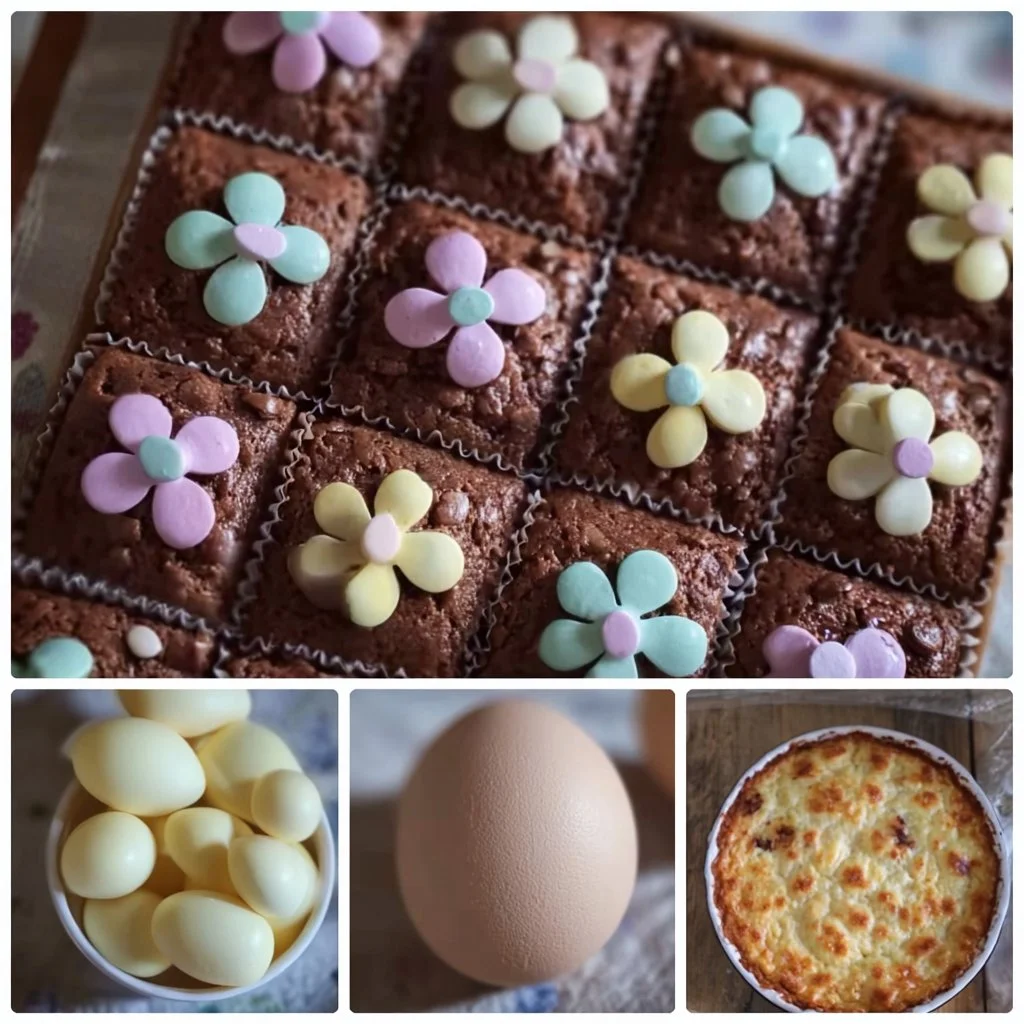
Storage, Freezing & Make-Ahead Tips
- Room temperature: If you plan to serve within 1–2 days, keep the cake loosely covered at room temperature in a cool spot. Avoid airtight covers if glaze is still tacky, as they can smear decorations.
- Refrigeration: Because ricotta and the glaze are perishable, store the cake in the refrigerator if it won’t be eaten within 48 hours. Place it in an airtight container or cover with plastic wrap. It will stay fresh 3–4 days refrigerated.
- Freezing: You can freeze the plain, unglazed cake (wrapped tightly in plastic wrap and foil) for up to 2 months. Thaw overnight in the refrigerator, then bring to room temperature before glazing. Alternatively, freeze individual slices on a tray and then transfer to a freezer bag for quick single-serve thawing.
- Glaze storage: Keep leftover glaze in a small airtight container in the fridge for up to a week; stir before using and add a splash of lemon juice or water if it thickens.
- Make-ahead: Bake the cake a day ahead and store unglazed; add fresh glaze the morning of your gathering for the brightest color and flavor. If planning to assemble for an Easter table, decorate just before serving to keep berries and flowers fresh.
Portioning advice:
- For a 9-inch round cake, expect 10–12 generous slices or 12–16 modest slices depending on thickness.
- For cupcakes, the recipe yields about 12–15 standard cupcakes.
How to Use / Serve This Dish
This lemon-ricotta cake is wonderfully versatile. Here are ways to present it and complementary pairings:
- Brunch centerpiece: Serve alongside a lime or orange marmalade, a bowl of fresh mixed berries, and a pot of strong coffee. The light, citrusy flavors complement savory breakfast items like quiches or smoked salmon.
- Easter dessert: Dress the cake with pastel buttercream rosettes, candied violets, or a dusting of powdered sugar for a festive touch. It pairs beautifully with hot cross buns and a chilled glass of sparkling wine.
- Afternoon tea: Slice thinly and offer with clotted cream or lemon curd and a selection of teas (Earl Grey or chamomile are lovely).
- Pair with savory mains: The cake’s bright lemon notes cut through richer mains—try serving small slices as dessert after roasted lamb or a herby chicken. For a curated dinner pairing idea, also consider a comforting savory bowl like a maple-Dijon chicken sweet potato bowl if you want a hearty main to balance the light dessert: Maple-Dijon chicken bowls.
- Creative presentation: Turn slices into dessert parfaits—alternate cake cubes with whipped mascarpone, berries, and a drizzle of glaze in a pretty glass.
FAQ
Can I use store-bought whipped ricotta or a lower-fat ricotta?
Yes, but texture and moisture will vary. Whole-milk ricotta gives the best richness and structure. If using low-fat ricotta, the cake may be drier—add a tablespoon or two more oil or a splash more milk to compensate.
How long will this cake stay fresh after baking?
At room temperature, the cake is best within 48 hours. Refrigerated, it will keep 3–4 days. If you plan to keep it longer, freeze the unglazed cake for up to two months and glaze after thawing.
Can I make this dairy-free or vegan?
For a dairy-free version, use a plant-based ricotta (almond or tofu-based) and a neutral oil, plus a non-dairy milk substitute. For vegan eggs, try a flax egg substitute (1 tablespoon ground flax + 3 tablespoons water per egg) but expect a slightly different texture; adding a touch more oil and an extra leavening agent (1/2 teaspoon baking soda) can help with lift.
What’s the best way to prevent berries from sinking in the batter?
Toss fresh or frozen berries in a tablespoon of flour before folding them into the batter. Also fold gently and avoid overmixing. If very heavy, consider layering batter and berries rather than folding.
Conclusion
This lemon-ricotta spring cake from “Pin by Isabellafield on Quick Saves | Spring baking, Easter dessert, Sweet recipes” captures the kind of simple, seasonal joy baking is all about—bright citrus, a tender crumb, and the comfort of homemade dessert shared with friends and family. Whether you’re baking for Easter brunch, a sunny garden tea, or simply because you love the smell of lemons in the oven, this cake is forgiving, adaptable, and endlessly charming. If you’d like historical reading while your cake cools, explore the fascinating Cyrus W. Field biography or browse titles at the Driscoll Public Library catalog for cozy cookbook inspiration. Try the recipe, tweak it to your taste, and share a slice with someone you love—then come back and tell me how it turned out.
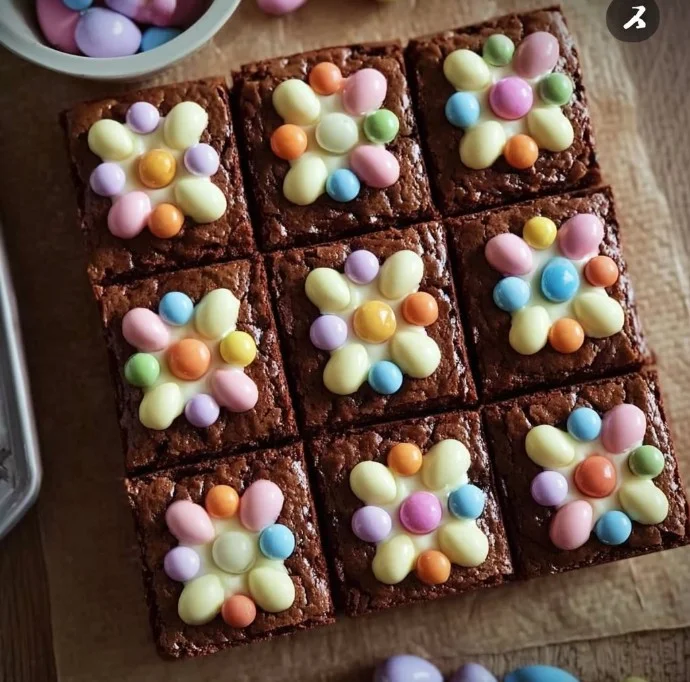
Lemon-Ricotta Spring Cake
Ingredients
Method
- Preheat your oven to 350°F (175°C). Grease a 9-inch pan well with butter or nonstick spray and line the bottom with parchment paper.
- Zest and juice lemons, avoiding the bitter white pith.
- In a large bowl, whisk together ricotta, sugar, and lemon zest until smooth.
- Beat in the eggs one at a time, followed by olive oil and vanilla extract until just combined.
- In a separate bowl, sift or whisk together flour, baking powder, and salt.
- Fold the dry ingredients into the ricotta mixture in two additions, alternating with the milk or buttermilk if using.
- If desired, gently fold in half the raspberries.
- Pour the batter into the prepared pan and smooth the top. Bake for 35-45 minutes for a round or loaf pan (bundt may take 40-55 minutes).
- Let the cake cool in the pan for 10-15 minutes before unmolding onto a rack to cool completely.
- In a small saucepan, heat fresh raspberries with sugar and lemon juice until softened. Strain through a fine-mesh sieve.
- Whisk raspberry juice into powdered sugar until pourable glaze consistency is reached.
- Drizzle glaze over cooled cake and garnish with fresh berries or edible flowers.