“Sticky, Gooey, Sweet & Savory Apricot Chicken – The Genetic Chef | Apricot Chicken Recipes, Chicken Entrees, Chicken Dinner Recipes,” I told my partner with a grin, “you have to try this one.” He laughed, but when the first forkful hit his plate he went quiet — the mix of apricot preserves, soy, garlic, and a touch of ginger won him over instantly. I remember using bone-in chicken thighs, a jar of apricot preserves, low-sodium soy sauce, honey, garlic, rice vinegar, and a sprinkle of sesame seeds the very first time I made this — the sauce created that irresistible glossy glaze. This recipe is warm, forgiving, and perfect for weeknights or a simple weekend dinner.
Why You’ll Love This Recipe
- It creates a beautiful balance of sweet and savory that feels both comforting and a little bit fancy.
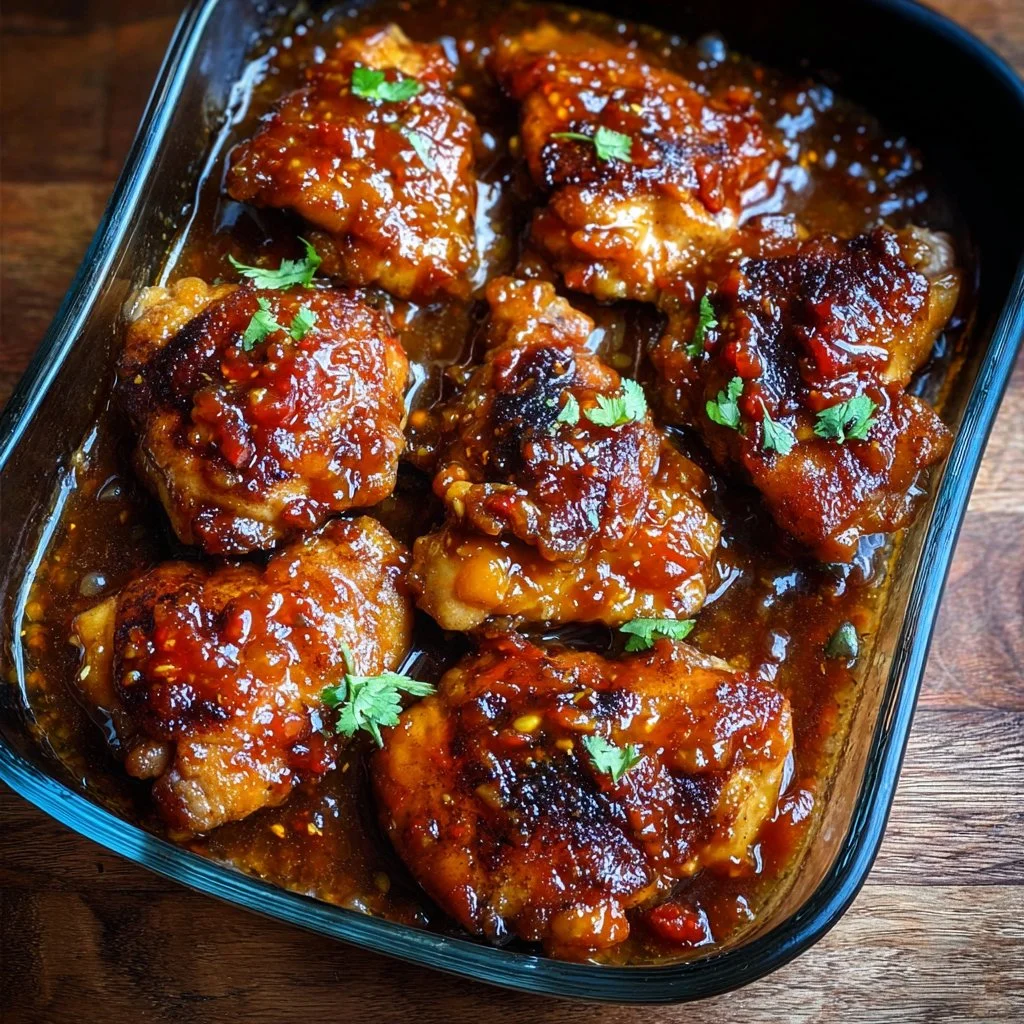
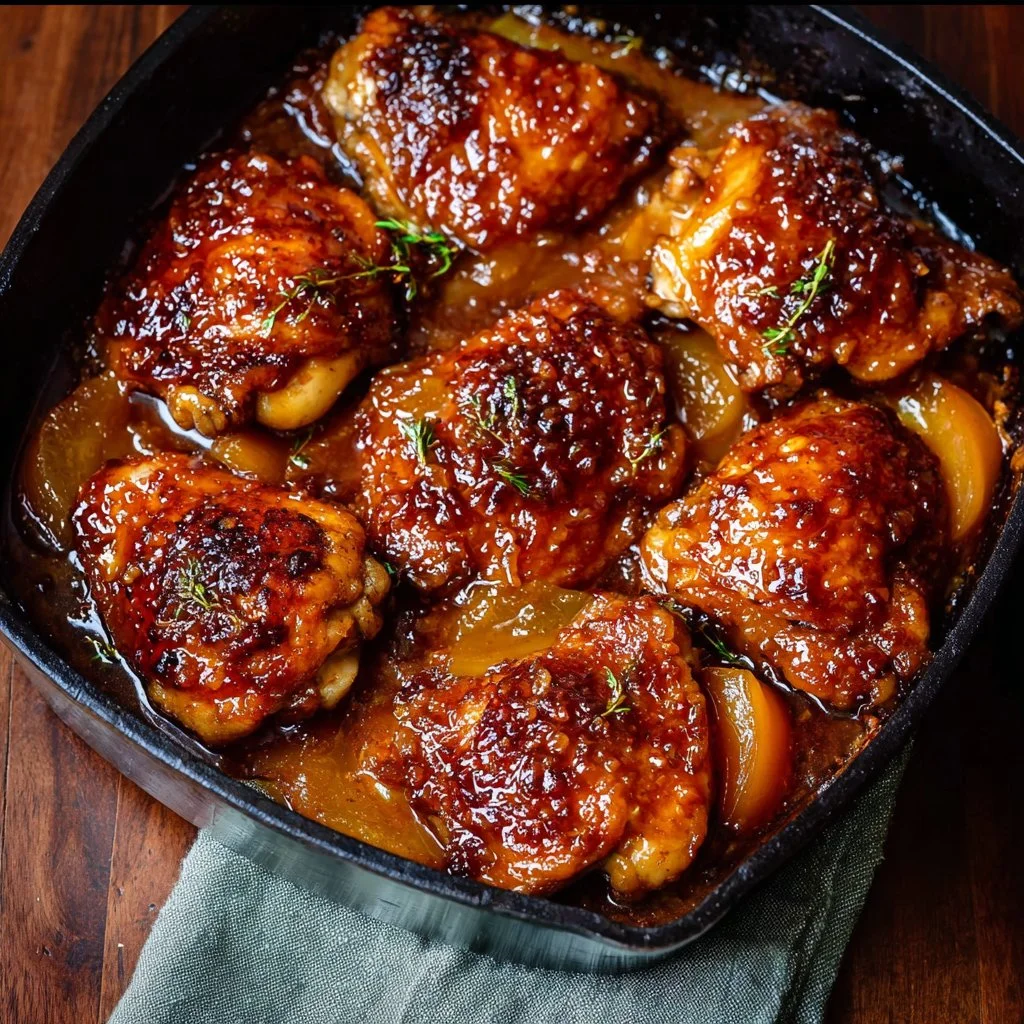
- The sticky, glossy apricot glaze clings to the chicken, giving each bite that signature sweet-salty pop.
- Uses simple pantry staples like apricot preserves, soy sauce, garlic, and a touch of honey.
- It is flexible: works with bone-in thighs for juicy results or boneless breasts for a quicker cook.
- Great for serving family-style, and the sauce tastes even better the next day.
- Emotional connection: this dish often becomes a comfort-food favorite that guests ask for again.
Ingredients Needed
- Chicken pieces (about 3 to 4 pounds): bone-in, skin-on thighs are ideal for juicy, flavorful results; use boneless breasts if you prefer leaner meat and faster cooking.
- Apricot preserves (1 cup): choose a good-quality jarred apricot jam or preserves — they form the base of the glaze.
- Soy sauce (1/4 to 1/3 cup): low-sodium recommended to control salt; provides savory umami contrast to the fruit sweetness.
- Honey (2 tablespoons): adds depth and helps the glaze caramelize; substitute with maple syrup if needed.
- Garlic (3 to 4 cloves, minced): fresh garlic brightens the sauce.
- Fresh ginger (1 teaspoon grated) or 1/2 teaspoon ground ginger: optional but adds warmth and balance.
- Rice vinegar (1 to 2 tablespoons): brightens the sauce and prevents it from being cloying; white vinegar can work in a pinch.
- Olive oil (1 to 2 tablespoons) or neutral oil for browning: helps get a nicely seared exterior.
- Cornstarch (1 teaspoon mixed with 1 tablespoon water) or arrowroot: used to thicken the glaze if needed.
- Water or low-sodium chicken broth (1/4 cup): thins the glaze to the right consistency while simmering.
- Salt and black pepper to taste.
- Scallions (2, thinly sliced) and toasted sesame seeds (1–2 teaspoons) for garnish: add freshness and visual appeal.
- Optional red pepper flakes or sriracha (a pinch) for a subtle heat lift.
Ingredients & Equipment Notes
- Equipment: a large skillet or ovenproof sauté pan, a small bowl for the glaze, tongs, and a meat thermometer.
- Use an ovenproof pan if you plan to finish the chicken in the oven; otherwise transfer to a baking dish after searing.
- For best texture, let chicken sit at room temperature 20 minutes before cooking to ensure even cooking.
Instructions – How to Make “Sticky, Gooey, Sweet & Savory Apricot Chicken – The Genetic Chef | Apricot Chicken Recipes, Chicken Entrees, Chicken Dinner Recipes”
- Prepare the chicken
- Why it matters: Patting chicken dry removes excess moisture so it browns instead of steaming.
- Visual cues: Skin should be matte and dry before seasoning.
- Mini tip: Season both sides with salt and pepper; if using boneless pieces, lightly score the thicker parts for even cooking.
- Make the apricot glaze
- Combine apricot preserves, soy sauce, honey, minced garlic, grated ginger, rice vinegar, and 1/4 cup water or chicken broth in a small bowl.
- Why it matters: Mixing flavors first helps you adjust balance before heating.
- Visual cues: The glaze will be glossy and pourable; it should smell sweet with a savory undertone.
- Mini tip: Taste at this stage — if it’s too sweet, add a splash more vinegar; too tart, add a teaspoon of honey.
- Preheat your pan and oil
- Heat 1 to 2 tablespoons of oil in a large skillet over medium-high heat until shimmering.
- Why it matters: Proper pan temperature ensures good sear and caramelization.
- Visual cues: Oil should ripple and faint wisps of smoke may appear for a second.
- Mini tip: If using an ovenproof pan, you’ll save a transfer step later.
- Brown the chicken skin-side down
- Place chicken skin-side down, pressing lightly to ensure full contact; cook 5 to 7 minutes until skin is deeply golden and crisp.
- Why it matters: Browning creates flavor through the Maillard reaction.
- Visual cues: Look for deep golden-brown color and rendered fat around the edges.
- Mini tip: Don’t fuss with the chicken — let it form a crust before flipping.
- Flip and partially cook on the other side
- Turn chicken and cook 3 to 5 minutes on the other side just to build color.
- Why it matters: This gives the piece even cooking while you prepare to simmer in the glaze.
- Visual cues: The second side will be lighter but with some color.
- Mini tip: Reduce heat slightly if the pan is smoking or the glaze will burn once added.
- Remove excess fat if necessary
- Spoon off some rendered fat if the pan has a lot; leave enough to flavor the glaze.
- Why it matters: Too much fat will prevent the glaze from clinging and can make the sauce oily.
- Visual cues: A thin slick of fat on the surface is fine; pools are not.
- Mini tip: If using a separate baking dish, transfer the browned chicken now.
- Pour the apricot glaze over the chicken
- Pour the prepared glaze evenly over the pieces, spooning a little over each one.
- Why it matters: Coating helps the heat distribute and the sauce to reduce evenly.
- Visual cues: The preserves should soften and begin to bubble around the chicken.
- Mini tip: Scrape the bowl so you get every sticky bit into the pan.
- Simmer gently to thicken and finish cooking
- Reduce heat to medium-low, cover loosely and simmer 10 to 15 minutes until internal temperature reaches 165°F (74°C).
- Why it matters: Gentle simmering allows the sauce to concentrate and the chicken to cook through without drying.
- Visual cues: The sauce will bubble and become glossy; it should coat the back of a spoon.
- Mini tip: If the glaze is not thick enough, remove the lid and simmer uncovered for a few minutes.
- Thicken the sauce if needed
- Mix 1 teaspoon cornstarch with 1 tablespoon cold water and stir into the simmering sauce; cook 1 to 2 minutes until thickened.
- Why it matters: A glossy, clingy glaze looks attractive and delivers flavor with every bite.
- Visual cues: Sauce will change from runny to shiny and coat the chicken.
- Mini tip: Add cornstarch gradually — too much will make the sauce pasty.
- Finish under the broiler for extra glaze (optional)
- For extra caramelization, place pan under a hot broiler for 2 to 4 minutes, watching closely.
- Why it matters: Broiling creates a sticky char that’s very appealing.
- Visual cues: Edges will blister slightly and glaze will darken to a deep amber.
- Mini tip: Keep a close eye to avoid burning — the sugars char quickly.
- Rest briefly and garnish
- Let the chicken rest 5 minutes to seal juices, then scatter sliced scallions and toasted sesame seeds.
- Why it matters: Resting locks in moisture; garnishes add freshness and texture contrast.
- Visual cues: Glaze should look settled; garnish will brighten the presentation.
- Mini tip: A squeeze of fresh lime or lemon can lift the flavors if you like a citrus note.
- Serve and enjoy
- Spoon extra sauce over the chicken when plating for maximum stickiness.
- Why it matters: The extra sauce keeps each bite moist and flavorful.
- Visual cues: Chicken should glisten and be evenly coated.
- Mini tip: Pair with steamed rice or roasted vegetables for a balanced plate.
Serving Suggestions & Storage Tips
- Serving ideas:
- Serve over steamed jasmine or basmati rice to soak up the glossy sauce.
- Place on a bed of buttery mashed potatoes or creamy polenta for a comforting, hearty meal.
- For lighter fare, serve with a crunchy cabbage slaw or a simple cucumber salad to cut the richness.
- Try wrapping leftover shredded chicken in warm tortillas with avocado and a drizzle of extra glaze.
- Pairings:
- Bright, crisp side dishes like roasted broccoli, green beans, or snap peas complement the sweet glaze.
- A citrusy side salad with a light vinaigrette pairs well to refresh the palate.
- For grain bowls, add roasted sweet potatoes, pickled red onions, and a sprinkle of toasted almonds.
- Storage:
- Refrigerate cooled leftovers in an airtight container for up to 3 to 4 days.
- For longer storage, freeze portions in freezer-safe containers or bags for up to 3 months. Thaw overnight in the fridge before reheating.
- Reheating:
- Reheat gently in a skillet over low-medium heat with a splash of water or broth to loosen the glaze and prevent drying. Cover to trap steam.
- Microwave on medium power in short intervals, stirring or flipping to reheat evenly.
- For best texture, reheat in a 350°F oven, covered, until warmed through (about 12 to 15 minutes).
In case you want a comforting stovetop alternative, this recipe shares the same cozy spirit as our best smothered chicken and rice recipe and taps similar techniques for building deep flavor.
Helpful Notes & Variations
- Substitutions:
- Chicken cuts: Bone-in thighs yield maximum juiciness; boneless thighs or breasts work if you adjust cooking time and monitor internal temp.
- Sweetener: Use maple syrup instead of honey for a different floral note.
- Preserves: Peach or mango preserves can replace apricot for a fresh twist.
- Soy alternatives: Use tamari for gluten-free options; coconut aminos if you need lower sodium and a milder flavor.
- Dietary adaptations:
- Gluten-free: Use tamari or a certified gluten-free soy sauce.
- Lower-sugar: Reduce preserves to 3/4 cup and add extra rice vinegar to keep balance; use a sugar-free fruit spread if needed.
- Paleo-style: Replace soy with coconut aminos and use maple syrup instead of honey.
- Flavor add-ins:
- Add a splash of lemon juice at the end for brightness.
- Stir in toasted sesame oil for a deeper toasted note right before serving.
- Toss in thinly sliced bell peppers or onions while simmering for extra vegetables and color.
- Common mistakes and how to avoid them:
- Overcrowding the pan: Cook in batches if necessary so each piece browns properly.
- Too much heat on sugars: If the glaze scorches, reduce heat and add a splash of water to rescue it.
- Not checking internal temperature: Use a thermometer to avoid undercooking or drying the chicken.
- Skipping the resting time: Cutting immediately causes juices to run out and drier meat.
If you love bold, comforting chicken bowls, try building a bowl inspired by the maple and mustard warmth found in this maple dijon chicken sweet potato bowl for a different weeknight vibe.
Conclusion
This Sticky, Gooey, Sweet & Savory Apricot Chicken dazzles because it balances bright fruitiness with deep savory notes, and that sticky glaze feels indulgent without being complicated. It stands out for its adaptability — choose your preferred chicken cuts, tweak the sweet-sour balance, and finish with garnishes that suit your mood. Whether you make it for a cozy family dinner or a casual gathering, it consistently delivers that warm, sticky comfort everyone remembers. For a classic version and inspiration that influenced this glaze-forward approach, check the original inspiration at Sticky, Gooey, Sweet & Savory Apricot Chicken – – The Genetic Chef. If you’re curious about gluten-free citrus-style alternatives that use a similar technique, I also recommend this Gluten-Free Orange Chicken which shows how fruit-forward sauces translate across diets.
Try it this week, and if you love it, share the recipe with a friend or pin it for your next cozy night in.
Frequently Asked Questions
Can I make this recipe ahead of time?
Yes. You can fully cook the chicken and store it in an airtight container in the refrigerator for up to 3 to 4 days. Reheat gently to preserve texture and re-glaze if the sauce has thickened. If preparing for a gathering, you can brown the chicken and assemble the glaze ahead, then finish simmering just before serving.
How should I store leftovers and how long do they last?
Store leftover chicken in an airtight container in the refrigerator for 3 to 4 days. For longer storage, freeze in meal-sized portions for up to 3 months. Label containers with the date to keep track. When freezing, leave a little room in the container for expansion.
What is the best way to reheat or serve this recipe after storage?
Reheat in a skillet over low to medium heat with a splash of water or broth to loosen the glaze and keep the chicken moist, covering briefly to retain steam. Alternatively, reheat in a 350°F oven until warmed through. If reheating from frozen, thaw overnight in the fridge first for best texture.
Can I adjust or substitute ingredients to fit my preferences?
Absolutely. Swap apricot preserves for peach or mango preserves, use tamari or coconut aminos to make it gluten-free, replace honey with maple syrup, or reduce sugar by lowering the preserves and adding more rice vinegar. You can also swap cuts of chicken, keeping an eye on cooking times.
Do you have tips to ensure the best texture and flavor every time?
Yes. Pat chicken dry before seasoning so it browns well. Don’t overcrowd the pan to allow proper searing. Taste the glaze before heating to adjust sweetness and acidity. Simmer gently to concentrate the sauce without burning it, and use a thermometer to reach 165°F for safely cooked, juicy chicken.
Sticky, Gooey, Sweet & Savory Apricot Chicken
Ingredients
Method
- Pat chicken dry to remove excess moisture and season both sides with salt and pepper.
- In a small bowl, combine apricot preserves, soy sauce, honey, minced garlic, grated ginger, rice vinegar, and water or chicken broth.
- Mix until glossy and pourable.
- Heat oil in a large skillet over medium-high heat until shimmering.
- Place chicken skin-side down and cook for 5 to 7 minutes until skin is deeply golden.
- Flip the chicken and cook for an additional 3 to 5 minutes to build color.
- Spoon off excess fat and pour the apricot glaze evenly over the chicken.
- Reduce heat to medium-low, cover loosely, and simmer for 10 to 15 minutes until internal temperature reaches 165°F (74°C).
- If needed, mix cornstarch with cold water and stir into the sauce to thicken.
- Optionally, broil for 2 to 4 minutes for extra glaze.
- Let chicken rest for 5 minutes, then garnish with scallions and sesame seeds.
- Serve with extra sauce spooned over the chicken.