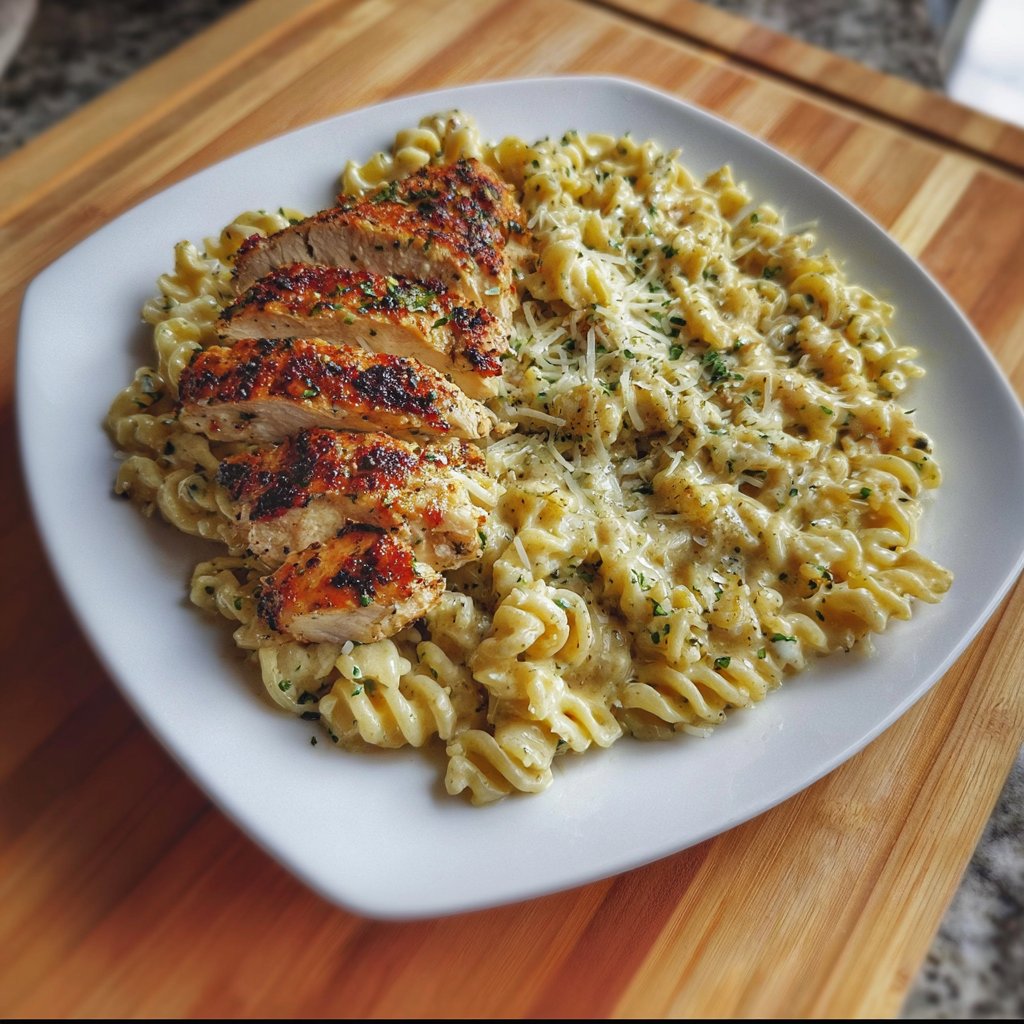
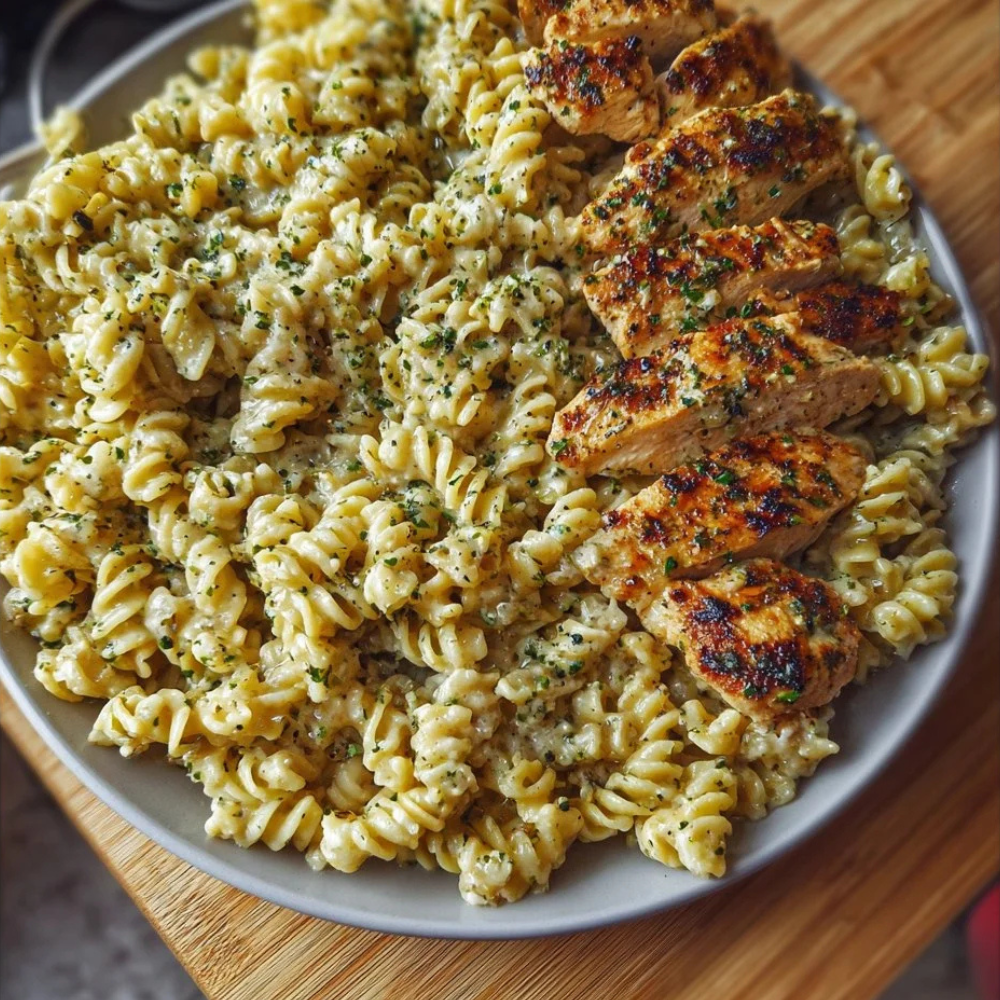
Creamy Garlic Parmesan Chicken Pasta is what I blurt out when friends ask me what to cook for a cozy night in. “Trust me, bring good bread,” I always joke, because the sauce begs for mopping and the garlic-parmesan notes feel like a warm hug. I still remember the first time I tossed tender, seared chicken with a silky cream sauce loaded with fresh grated Parmesan, butter, garlic, and a splash of chicken broth — it changed how I think about weeknight dinners. This version uses simple ingredients — boneless chicken, twisted pasta (or penne), butter, cream, Parmesan, garlic, and fresh parsley — and it comes together faster than you’d expect. If you love comforting, savory bowls, you might also enjoy this garlic parmesan chicken soup recipe that leans into the same cozy flavors.
Why You’ll Love This Recipe
- Classic, craveable flavors: Garlic and Parmesan are a timeless pairing that elevates simple chicken and pasta into something luxurious.
- Fast weeknight magic: Most of the work happens on the stove and dinner is ready in about 30 minutes once you have your mise en place.
- Balanced and comforting texture: A creamy, velvety sauce clings to twisted pasta shapes for perfect bites every time.
- Family friendly with grown-up flair: Mild enough for kids but easily amped up with red pepper flakes for adults.
- Leftovers that taste great: The sauce stays rich and reheats beautifully for next-day lunches.
- Emotional connection: It’s the kind of meal I make when I want to feel cared for, and it’s become a ritual for cozy evenings at home.
Ingredients Needed
- Boneless, skinless chicken breast — 2 large breasts, trimmed and cut into 1-inch cubes. Pat them dry before seasoning so they brown nicely.
- Twisted pasta (fusilli) — 1 pound (450 g). If you prefer, use penne or rotini; any short pasta with grooves holds the sauce well.
- Unsalted butter — 3 tablespoons total, divided. Using unsalted butter gives you better control of the final seasoning.
- Fresh garlic, minced — 4 to 5 cloves. Fresh garlic is essential for a bright, aromatic sauce.
- Heavy cream — 1 1/2 cups. This creates the lush, silky base for the sauce.
- Chicken broth — 1/2 cup. Use low-sodium if you’re watching salt, or regular for deeper flavor.
- Grated Parmesan cheese — 1 cup, freshly grated preferred. Freshly grated melts smoother than pre-grated.
- Italian seasoning — 1 teaspoon total, divided into 1/2 teaspoon for the chicken and 1/2 teaspoon for the sauce.
- Red pepper flakes — 1/4 teaspoon, optional. Adds a gentle heat that contrasts nicely with the cream.
- Fine salt and freshly ground black pepper — to taste. Season gradually, tasting as you go.
- Fresh parsley, chopped — 2 tablespoons for garnish. Adds a fresh herb lift and color.
For more inspiration using similar ingredients in another comforting pasta, try this creamy Rotel pasta with ground beef that plays with hearty, saucy comfort flavors.
Ingredients & Equipment Notes (Optional)
- Pasta choice: Twisted fusilli is perfect because its grooves catch the sauce, but penne or rotini are excellent stand-ins.
- Cheese: Always opt for freshly grated Parmesan from a block when possible; pre-grated often contains anti-caking agents that prevent a totally silky melt.
- Heavy cream: If you want a lighter version, try half-and-half mixed with a small slurry of cornstarch, though texture will be slightly different.
- Equipment: A large pot for boiling pasta, a large heavy skillet (preferably nonstick or stainless steel) for searing chicken and finishing the sauce, a microplane or grater for the cheese, and a slotted spoon or tongs for moving pasta. Keep a measuring cup handy to reserve pasta water.
- Mise en place: Have garlic minced, chicken cubed and seasoned, pasta measured, and cheese grated before you start — it speeds everything up and reduces the risk of overcooking.
Instructions – How to Make “The Ultimate Creamy Garlic Parmesan Chicken Pasta You’ll Crave Every Week”
- Bring a large pot of salted water to a rolling boil and cook pasta until al dente per package directions. Reserve 1/2 cup of the starchy pasta water, then drain the pasta.
- Why it matters: Salting the pasta water seasons the noodles from the inside and enhances the overall dish.
- Visual cues: When pasta is al dente, it will have a slight chew and the center should not be chalky; a small bite test works wonders.
- Mini tip: Reserve the starchy pasta water into a measuring cup so you can add it back easily to loosen the sauce if needed.
- Pat the chicken pieces dry with paper towels, then season with fine salt, freshly ground black pepper, and 1/2 teaspoon Italian seasoning.
- Why it matters: Dry chicken sears instead of steaming, which gives you golden-brown flavor and better texture.
- Visual cues: Properly seasoned and dried chicken will take on a deep golden crust quickly when it hits the hot pan.
- Mini tip: If time allows, season chicken and refrigerate uncovered for 15 minutes — this helps the surface dry a bit more for an even better sear.
- Heat a large skillet over medium-high heat. Add 1 tablespoon of the butter and let it melt until it foams slightly.
- Why it matters: Heating the butter until it foams indicates it’s hot enough to sear the chicken immediately, preventing sticking.
- Visual cues: Butter will bubble and develop a slight nuttiness if it begins to brown; avoid letting it burn by watching closely.
- Mini tip: If your skillet is large, distribute the chicken in a single layer so each piece has contact with the hot surface for even browning.
- Sear the chicken 3 to 4 minutes per side until golden and cooked through. Depending on thickness, total cook time should be about 6 to 8 minutes. Transfer the cooked chicken to a plate and keep the pan juices.
- Why it matters: A good sear locks in moisture and creates browned bits (fond) that add flavor to the sauce.
- Visual cues: Chicken is done when the exterior is golden and the internal juices run clear; a quick cut into a piece should show no pink.
- Mini tip: Avoid overcrowding the pan — too many pieces will lower the pan temperature and cause steaming instead of browning. If needed, sear in batches.
- Lower the heat to medium and add the remaining 2 tablespoons of butter to the skillet. Once melted, stir in the minced garlic and optional red pepper flakes and cook for 30 to 60 seconds until fragrant.
- Why it matters: Cooking the garlic briefly infuses the butter without burning it, which would give a bitter taste.
- Visual cues: Garlic will become glossy and aromatic but should not brown; remove from heat if it starts to color.
- Mini tip: Stir constantly during this short step; one browned clove is all it takes to change the sauce’s flavor.
- Pour in the chicken broth, using a wooden spoon or spatula to scrape up the browned bits stuck to the bottom of the pan. This deglazing adds depth to the sauce.
- Why it matters: The fond contains concentrated flavor; incorporating it creates a layered, savory sauce.
- Visual cues: The broth will loosen the browned bits and start to bubble gently as it warms.
- Mini tip: If your skillet is dry, a splash of broth prevents the garlic from continuing to cook and burning.
- Stir in the heavy cream and the remaining 1/2 teaspoon Italian seasoning, then let the mixture simmer gently for 2 to 3 minutes to thicken slightly.
- Why it matters: Simmering reduces and concentrates the cream, giving the sauce body without making it heavy or claggy.
- Visual cues: Small bubbles should form around the edges; the sauce will begin to coat the back of a spoon.
- Mini tip: Keep the heat moderate — rapid boiling can cause the cream to separate.
- Reduce heat to low. Gradually add the grated Parmesan in small handfuls, stirring constantly until each addition fully melts and the sauce becomes velvety smooth.
- Why it matters: Adding cheese gradually prevents clumping and ensures an even, creamy emulsion.
- Visual cues: The sauce will thicken and shine, and you should see no graininess from the cheese.
- Mini tip: If the sauce seems too thick, add a splash of the reserved pasta water to reach a glossy, clingy consistency.
- Return the seared chicken and its juices to the skillet and add the drained pasta. Toss everything together gently until the pasta and chicken are evenly coated with the sauce. If the sauce is too thick, add splashes of reserved pasta water until it glazes the pasta.
- Why it matters: Returning the chicken to the sauce finishes cooking and allows the flavors to meld, while pasta water helps the sauce adhere.
- Visual cues: Each twist or penne should have a thin, shiny layer of sauce; you should see the sauce pooling slightly on the bottom but not puddling.
- Mini tip: Use tongs or pasta forks to lift and toss rather than stirring aggressively; this preserves the pasta’s shape and the sauce’s texture.
- Taste and adjust the seasoning with more fine salt and black pepper if necessary. Garnish with the chopped fresh parsley and serve immediately while warm.
- Why it matters: Final seasoning is crucial; Parmesan adds salt, so you may need less than expected.
- Visual cues: A sprinkle of bright green parsley transforms the plate visually and adds a fresh herbal note.
- Mini tip: Serve with crusty bread or a crisp salad to balance the richness of the sauce and mop up any leftover sauce.
Serving Suggestions & Storage Tips
- Serving ideas:
- Serve this pasta with a crisp green salad dressed in a light lemon vinaigrette to cut through the richness.
- Offer grated extra Parmesan at the table and a small bowl of red pepper flakes for anyone who wants a kick.
- Warm, crusty bread or garlic bread is perfect for scraping up any leftover sauce.
- Pairings:
- Simple roasted vegetables like asparagus or green beans add color and a roasted flavor contrast.
- A light, citrusy side such as sliced oranges and arugula can brighten the meal.
- For a drink pairing that keeps things alcohol-free, try sparkling water with a twist of lemon or an herbal iced tea.
- Storage:
- Cool leftovers to room temperature, then store in an airtight container for up to 3 to 4 days in the refrigerator.
- If you want to freeze, separate pasta and sauce if possible; frozen for up to 2 months in a freezer-safe container, but texture may soften on thawing.
- Reheating:
- Reheat gently on the stove over low heat with a splash of milk or reserved pasta water to loosen and refresh the sauce.
- In the microwave, reheat in short 30-second bursts, stirring between each burst and adding a tablespoon or two of liquid to keep the sauce from separating.
- Avoid high heat reheating which can cause the cream to break or the chicken to dry out.
For another quick weeknight chicken-and-pasta idea that’s equally satisfying, check this garlic butter chicken and bowtie pasta which uses similar techniques with a buttery twist.
Helpful Notes & Variations
- Substitutions:
- Chicken: Swap breasts for boneless, skinless chicken thighs if you prefer richer, more forgiving meat; reduce sear time slightly depending on size.
- Dairy: For a lighter sauce, use half-and-half with a tiny cornstarch slurry, but note it will be less decadent than heavy cream.
- Cheese: Pecorino Romano can be used in place of Parmesan for a sharper, saltier profile; use less salt when substituting.
- Pasta: Gluten-free pasta works; cook to package directions and reserve pasta water as usual.
- Dietary adaptations:
- Lower fat: Use reduced-fat cream alternatives and increase the ratio of broth to cream. Keep in mind texture varies.
- Vegetarian: Replace chicken with firm tofu cubes seared until golden, or use mushrooms and roasted chickpeas to add protein and texture.
- Dairy-free: Use a cashew cream or a dairy-free heavy cream alternative and a nutritional yeast blend to mimic cheesiness; texture will differ from the original.
- Flavor add-ins:
- Lemon zest or a squeeze of fresh lemon brightens the sauce at the end without making it tangy.
- Sun-dried tomatoes or roasted red peppers add color and a slightly sweet, concentrated flavor.
- A handful of baby spinach stirred in at the end wilts into the sauce for color and extra greens.
- Fresh herbs like basil or thyme can replace or complement the parsley for a different herbal profile.
- Common mistakes and how to avoid them:
- Overcooking the chicken: Sear just until the juices run clear and the interior is cooked; rest in a plate while building the sauce.
- Burning the garlic: Add garlic to melted butter over medium heat and watch closely; remove from heat if it starts to brown.
- Clumpy cheese: Lower the heat and add Parmesan gradually, stirring constantly to create a smooth emulsion.
- Sauce too thin or too thick: Use reserved pasta water to thin and a gentle simmer to thicken; avoid high heat which can separate cream.
- Quick troubleshooting:
- If sauce starts to separate: Reduce heat, add a little cold cream or milk, and whisk vigorously to bring it back together.
- If too salty: Add more cooked pasta or a splash of unsalted broth to dilute and rebalance the flavors.
- If chicken is dry: Slice thinly and toss thoroughly with sauce so it can rehydrate slightly and become more pleasant in mouthfeel.
If you want to explore a playful spin on these flavors with noodles in a different format, try my creamy garlic chicken ramen for a slurpable, comforting variation that brings the same garlic-Parmesan spirit to a brothier bowl.
Conclusion
This Creamy Garlic Parmesan Chicken Pasta stands out because it combines simple, readily available ingredients into a deeply comforting, restaurant-worthy meal you can make any night. From the golden sear on the chicken to the velvety Parmesan cream that clings to twisted pasta, every bite balances richness, garlic warmth, and fresh herb brightness. Make it on a busy weeknight or when friends drop by — it’s forgiving, adaptable, and consistently satisfying.
If you’re curious about a one-pan twist on this flavor profile, check out this great Garlic Parmesan Chicken and Pasta (One-Pan) for a streamlined version. For another creamy take and helpful tips on achieving a smooth, cheesy sauce, see this Creamy Parmesan Chicken Pasta Recipe – Simple Home Edit which offers technique tips and variations.
Ready to try it tonight? Gather your ingredients, warm the skillet, and enjoy a bowl that feels like a hug on a plate.
Frequently Asked Questions
Can I make this recipe ahead of time?
Yes. You can prepare the chicken and sauce up to one day in advance and store them separately in airtight containers in the refrigerator. Keep the pasta separate as well if possible — combining everything too early can allow the sauce to be fully absorbed and make the pasta soggy. When ready to serve, gently reheat the sauce and chicken, then toss with freshly cooked pasta or warm the pre-cooked pasta just until heated through.
How should I store leftovers and how long do they last?
Store leftovers in an airtight container in the refrigerator for 3 to 4 days. For longer storage, freeze in a freezer-safe container for up to 2 months, though texture and creaminess may change upon thawing. When refrigerating, cool the dish to room temperature first to prevent condensation and sogginess.
What is the best way to reheat or serve this recipe after storage?
Reheat gently on the stovetop over low heat, adding a splash of milk, cream, or reserved pasta water to loosen the sauce and restore creaminess. Stir frequently until warmed through. If using a microwave, reheat in short intervals and stir between bursts, adding liquid as needed to prevent the sauce from separating.
Can I adjust or substitute ingredients to fit my preferences?
Absolutely. Swap chicken breasts for thighs for richer meat, change the pasta shape to your favorite, or use half-and-half for a lighter sauce. For vegetarian or dairy-free adaptations, try seared tofu and a cashew-based cream. If using sharper cheeses like Pecorino Romano, adjust added salt accordingly. The recipe is intentionally flexible to match dietary needs and flavor preferences.
Do you have tips to ensure the best texture and flavor every time?
Yes — here are the essentials:
- Pat chicken dry and don’t overcrowd the pan for a proper sear.
- Use freshly grated Parmesan for the smoothest sauce.
- Reserve pasta water; its starch helps emulsify and thicken the sauce.
- Add cheese off the heat or over very low heat and stir constantly to avoid graininess.
- Taste and adjust seasoning at the end, since Parmesan already brings salt.
- Reheat gently with a little liquid to restore creaminess in leftovers.
Enjoy making this comforting, crave-worthy dish — it’s one of my favorite quick dinners and always brings happy sighs around the table.
Creamy Garlic Parmesan Chicken Pasta
Ingredients
Method
- Bring a large pot of salted water to a rolling boil and cook the pasta until al dente per package directions. Reserve 1/2 cup of starchy pasta water, then drain the pasta.
- Pat the chicken pieces dry with paper towels, then season with fine salt, black pepper, and 1/2 teaspoon of Italian seasoning.
- Heat a large skillet over medium-high heat, add 1 tablespoon of butter and let it melt until foamy.
- Sear the chicken 3 to 4 minutes per side until golden and cooked through. Transfer the cooked chicken to a plate, keeping the pan juices.
- Lower the heat, add the remaining 2 tablespoons of butter to the skillet. Once melted, stir in minced garlic and red pepper flakes; cook for 30 to 60 seconds until fragrant.
- Pour in the chicken broth, deglazing the pan by scraping up the browned bits. Stir in heavy cream and remaining Italian seasoning, and let it simmer for 2 to 3 minutes to thicken.
- Gradually add the grated Parmesan, stirring until melted and the sauce is smooth.
- Return seared chicken and its juices to the skillet, add drained pasta, and toss until everything is evenly coated with sauce.
- Adjust seasoning with salt and pepper as needed, garnish with chopped parsley, and serve warm.