White German Chocolate Cake greets you like an old friend. I can still hear my grandmother’s voice when I take the first bite—warm, coconut-scented, and layered with that tangy cream cheese frosting that makes a slice feel like a small celebration. Talk to me, tell me about the occasion, and I will tell you how this cake fits right in. It combines simple pantry staples—flour, sugar, butter, eggs, milk—with a soft coconut-pecan center and a bright cream cheese finish. If you like comforting desserts that taste home-baked and make the kitchen smell heavenly, you are in the right place. If you enjoy richer, gooey centers, you might also like my take on Guinness Chocolate Cake with Irish Buttercream, which explores a different texture and flavor profile.
Why You’ll Love This Recipe
- Quick and easy to prepare: straightforward creaming and simple bowl-to-pan steps make this approachable.
- Simple, accessible ingredients: you probably have most items in the pantry right now.
- Perfect for spring and holiday gatherings: light color and tropical coconut feel seasonal yet familiar.
- Comforting and impressive: it’s one of those desserts that looks fancy but bakes up with little fuss.
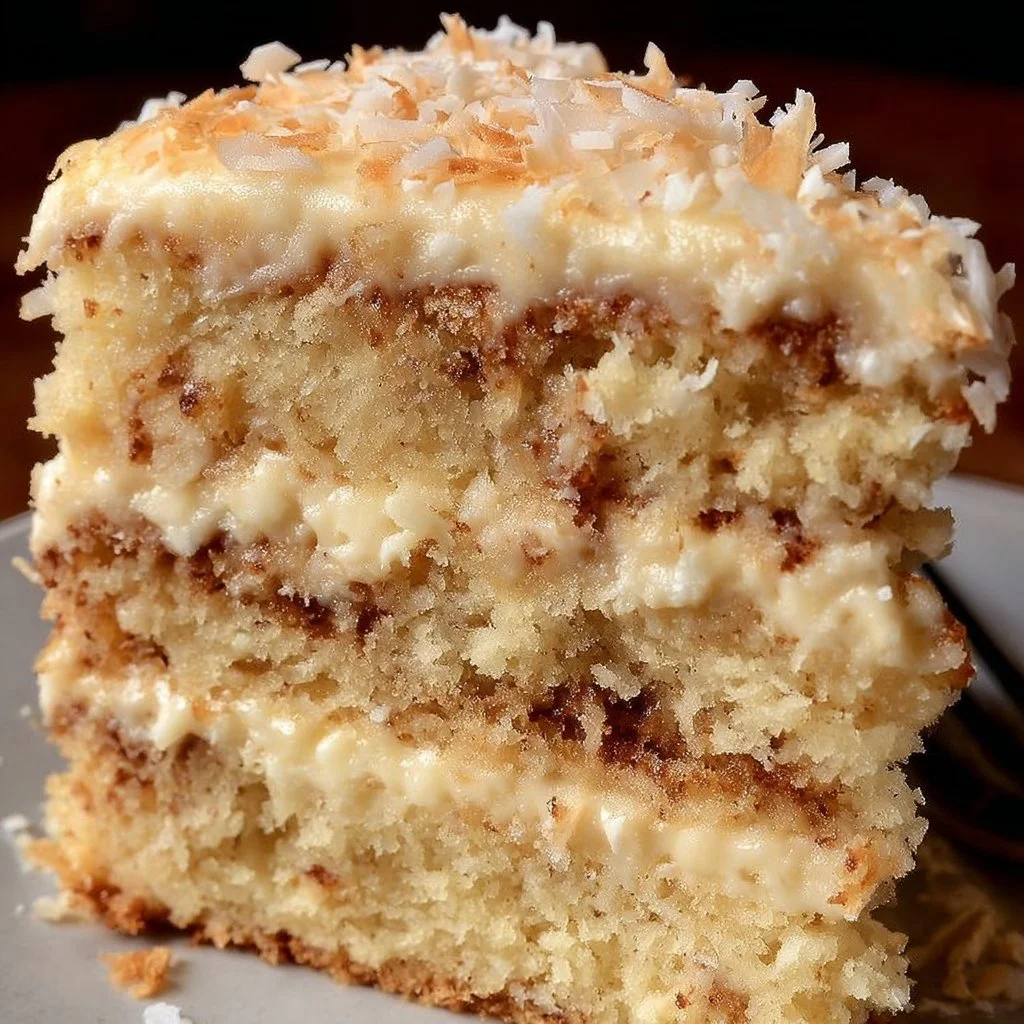
What makes this version unique is the soft coconut-pecan swirl tucked right into the batter so every bite gives a little surprise of texture and chew. I love this cake because it marries nostalgia and confidence—no fancy techniques, just thoughtful steps that build great flavor. Follow the directions and you’ll walk away proud, and likely eager to bake it again for friends.
A cozy, feel-good cake for every kitchen
Ingredients Needed
Below I have grouped and rewritten the original ingredient list so you can scan quickly and shop with confidence. Each item includes clarifications and easy substitutions.
Dry cake ingredients
- 2 cups plain all-purpose flour – spoon into the cup and level for accuracy. For a slightly lighter crumb, consider sifting before measuring.
- 2 teaspoons baking powder – ensures good rise.
- 1/4 teaspoon fine salt – balances sweetness.
Sweeteners and fats
- 1 1/2 cups granulated sugar – provides structure and tenderness.
- 1/2 cup unsalted butter, softened – room temperature for better creaming; can swap for dairy-free margarine if you need a dairy-free alternative.
Wet ingredients and eggs
- 1 cup milk – whole milk yields the best richness; 2% or a non-dairy milk like oat or almond will work, but expect a slightly different crumb.
- 3 large eggs – bring them to room temperature before starting to improve emulsification.
- 1 teaspoon pure vanilla extract – for depth of flavor.
Coconut-pecan filling
- 1 cup shredded coconut – sweetened or unsweetened works; if using sweetened, you may notice a slightly sweeter filling.
- 1/2 cup chopped pecans – toast briefly in a dry skillet for extra nutty aroma if desired.
- 8 ounces cream cheese, softened – this gives the filling tang and silkiness; full-fat yields best texture.
Frosting finish
- 1/2 cup powdered sugar – for smoothing and sweetening the cream cheese frosting.
- 1 teaspoon lemon juice – brightens the cream cheese and balances sweetness.
Substitutions and notes
- Flour: For gluten-free, consider a 1:1 gluten-free flour blend and add 1/4 teaspoon xanthan gum if your blend lacks it. Baking time may vary.
- Butter: Salted butter can be used, but reduce added salt to 1/8 teaspoon.
- Milk: Use full-fat milk when possible; non-dairy milks tend to make the cake slightly more tender and less rich.
- Coconut: If you prefer a less sweet filling, use unsweetened shredded coconut and adjust powdered sugar in the frosting to taste.
- Pecans: Walnuts can replace pecans in equal measure.
Ingredients & Equipment Notes (Optional)
Helpful tools and why they matter
- Two 9-inch round cake pans: even layer size helps bake uniformly. If you only have one pan, you can bake in two rounds, but plan for additional oven time.
- Hand mixer or stand mixer: speeds up creaming and ensures the batter is smooth. A sturdy whisk will work but takes more elbow grease.
- Rubber spatula: essential for scraping bowls and folding the coconut-pecan mixture into batter without deflating.
- Cooling rack: prevents soggy bottoms by letting steam escape once the cakes come out of the oven.
- Toothpick for doneness: simple and reliable for testing center doneness.
Mini tip: Line the bottom of each pan with parchment for easy unmolding, and lightly grease the sides for a clean release.
Instructions – How to Make “White German Chocolate Cake”
Below are step-by-step instructions rewritten from the original method, expanded with reasons for each step, visual cues, and small tricks so your cake turns out tender and even.
- Preheat and prepare pans.
- Preheat your oven to 350°F (175°C). Grease the inside of two 9-inch round cake pans with butter or nonstick spray, then dust lightly with flour or line with parchment circles.
- Why this matters: an oven at the right temperature ensures even rise. Oiling and flouring prevents sticking and helps you remove perfect layers.
- Cream butter and sugar until light.
- In a large mixing bowl, beat the softened butter and granulated sugar together for about 3 to 5 minutes on medium speed until the mixture is pale and fluffy. If using a hand whisk, whisk vigorously for several minutes.
- Visual cue: the sugar should look dissolved into the butter and the mixture will be noticeably lighter in color and airy to the touch.
- Why this matters: Proper creaming traps air that contributes to a lighter cake crumb.
- Add eggs one at a time.
- Crack the eggs into a small bowl first, then add them to the butter-sugar mixture one at a time, beating well after each addition until fully incorporated.
- Mini tip: Scrape down the bowl after each egg to keep everything emulsified.
- Why this matters: Adding eggs gradually helps the batter stay smooth and prevents separation.
- Stir in vanilla.
- Mix in the vanilla extract until combined. The vanilla deepens the cake’s aroma and complements the coconut-pecan center.
- Sift and combine dry ingredients.
- In a separate bowl, whisk together the all-purpose flour, baking powder, and salt until evenly distributed.
- Visual cue: the mixture will be a uniform color with no visible pockets of baking powder or salt.
- Why this matters: Sifting or whisking helps the leavening spread evenly so the cake rises uniformly.
- Alternate adding dry mixture and milk.
- Add the flour mixture to the creamed butter mixture in three additions, alternating with two additions of milk. Start and end with the flour mixture. Mix just until combined after each addition to avoid overworking the batter.
- Visual cue: the batter should be smooth and slightly thick, dropping slowly from the spatula but not stiff.
- Mini tip: Overmixing develops gluten and yields a denser cake, so stop once streaks of flour disappear.
- Divide batter between pans.
- Pour half of the cake batter into each prepared 9-inch pan and spread gently to the edges. The surface will be glossy and slightly thick.
- Why this matters: Even division helps the layers bake at the same rate.
- Make the coconut-pecan filling.
- In a medium bowl, fold together the shredded coconut, chopped pecans, and the softened cream cheese until the mixture is thoroughly combined. Use a spatula to press out any lumps.
- Visual cue: the filling should be sticky and hold together when scooped. If it seems too stiff, soften with 1 to 2 teaspoons of milk. If too loose, chill briefly.
- Layer and swirl.
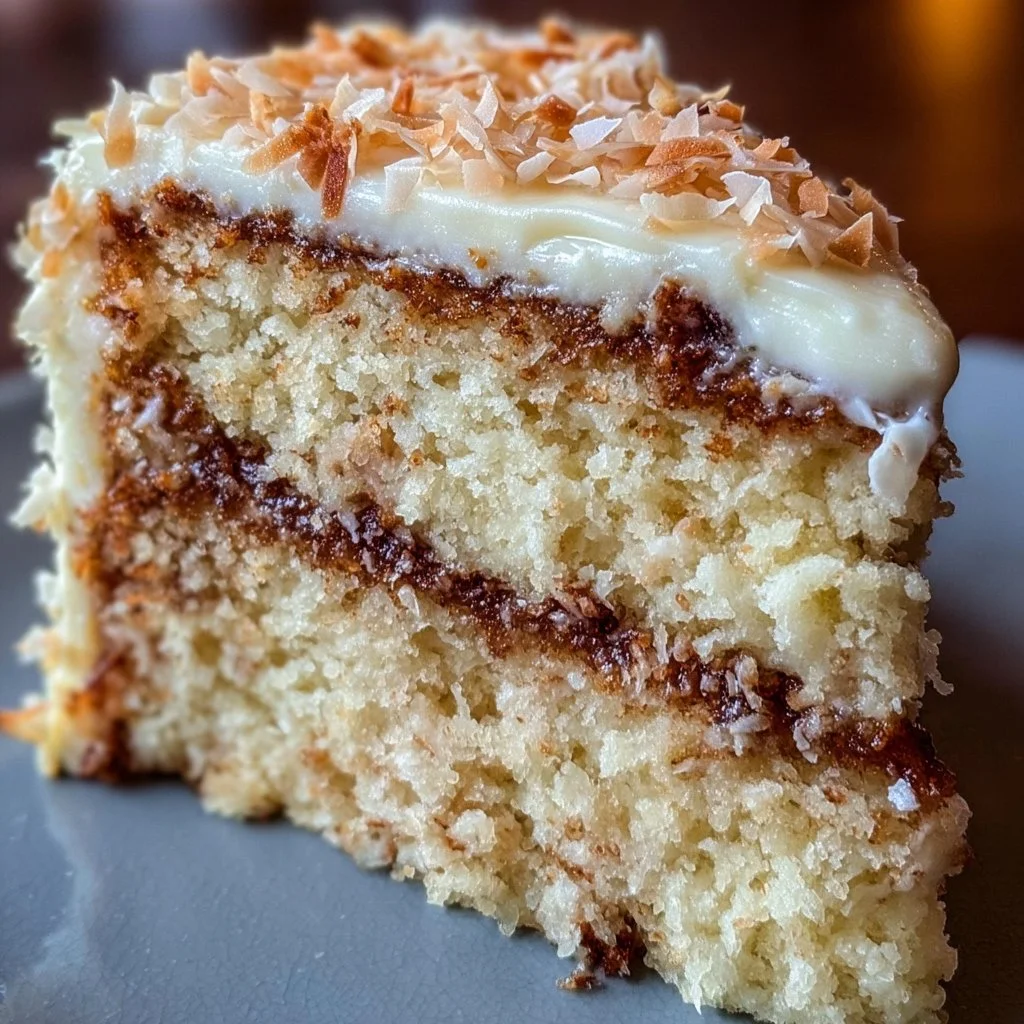
- Spoon dollops of the coconut-pecan mixture over the batter in each pan, then use a knife to swirl the filling through the batter—do not fully mix. You want ribbons and pockets of the coconut-pecan filling.
- Why this matters: swirling creates pockets of texture and flavor, giving each slice an appealing marbled look and varied bite.
- Bake until just set.
- Place the pans in the center of the preheated oven and bake 25 to 30 minutes. Test for doneness by inserting a toothpick into the cake center; it should come out clean or with a few moist crumbs but not wet batter. The edges will have slightly pulled away from the pan.
- Visual cues: the top will be lightly golden and spring back when touched gently.
- Cool briefly in pans, then transfer.
- Let the cakes rest in their pans for about 10 minutes. Run a thin knife around the edge, then invert onto a wire rack to cool completely. Remove parchment and set the layers right side up to cool fully before frosting.
- Why this matters: letting a cake rest prevents it from breaking apart and helps the crumb set so it slices cleanly.
- Make the cream cheese frosting and finish.
- For a simple decorative finish, beat the softened cream cheese with the powdered sugar and lemon juice until smooth and spreadable. Adjust powdered sugar for sweetness and lemon to taste. Once the cake layers are completely cooled, spread the frosting between layers and over the top. For a rustic look, let some of the coconut-peach swirl peek through.
- Mini tip: Chill the cake for about 10 minutes after assembling to let the frosting set slightly, which makes slicing easier.
Why each step matters: this method balances structure and tenderness. The creaming gives lift, the alternation of milk and flour prevents a gloppy batter, and the gentle swirl of filling preserves those beloved coconut-pecan pockets. Visual cues like pale, fluffy creamed butter and a toothpick that comes out clean are your best guide to success.
Serving Suggestions & Storage Tips
Serving ideas
- Serve slightly chilled or at room temperature. The cream cheese frosting sets beautifully when the cake has had a short chill, but warming to room temperature brings out the cream cheese tang.
- Garnish: scatter extra toasted pecans and a few coconut flakes on top just before serving for an elegant finish.
- Plating: slice with a long, thin knife and wipe the blade between slices for clean edges.
Presentation tips
- For a party, place the cake on a pedestal cake stand and surround with fresh berries or thin lemon slices for color contrast.
- Make individual servings by layering cake cubes with frosting in small glasses to create a trifle-style dessert.
Pairings
- Coffee: a medium roast coffee complements the sweet coconut and tangy cream cheese.
- Tea: Earl Grey or a light floral tea pairs well for a midday treat.
- Non-alcoholic: serve with sparkling apple cider or a citrusy herbal iced tea.
Creative variations
- Mini-cakes: bake in muffin tins for portable, single-serve versions. Reduce baking time and check often.
- Cake bars: use a 9×13 pan instead of two rounds for an easier party option; the baking time will increase to about 30 to 35 minutes.
Storage
- Short term: keep the cake covered at room temperature for up to 2 days if your kitchen is cool. For longer freshness, store in the refrigerator in an airtight container for up to 5 days.
- Freezing: you can freeze unfrosted layers wrapped tightly in plastic wrap and foil for up to 3 months. Thaw overnight in the fridge before frosting. For frosted cake, flash-freeze slices on a baking sheet, then transfer to an airtight container for up to 2 months.
Best reheating methods
- Room temperature is ideal; remove from fridge 30 to 45 minutes before serving to let flavors bloom.
- For a warm serving: microwave a single slice on low power for 10 to 15 seconds, or warm in a 300°F oven for 5 to 8 minutes. Keep an eye on it to avoid drying.
I also like to pair this cake with other crowd-pleasers when hosting a brunch buffet, such as a fruit-forward casserole like Blueberry Buttermilk Pancake Casserole for a balance of sweet and fresh.
Helpful Notes & Variations
Ingredient substitutions
- Cream cheese: Neufchâtel is lower in fat and works well if you want a lighter frosting. For a dairy-free frosting, use a vegan cream cheese alternative and reduce lemon slightly.
- Coconut: If coconut is not your thing, omit it and add an equal volume of chopped dried apricots or cherries with the pecans for chew and tang.
- Pecans: Toasted almonds or macadamia nuts offer a different crunch and pair nicely with the white cake flavor.
Dietary adaptations
- Gluten-free: use a 1:1 gluten-free flour blend and add 1/4 teaspoon xanthan gum if not already included. Expect a crumb that is slightly more fragile.
- Lower-sugar: reduce granulated sugar by 1/4 cup and increase vanilla to maintain depth; be aware texture will be different.
- Vegan: swap butter for vegan butter, use a flax or chia egg replacement for eggs, and vegan cream cheese for filling and frosting. Watch bake time as vegan batters can behave differently.
Flavor add-ins
- Citrus zest: stir a teaspoon of lemon or orange zest into the batter for a bright lift.
- Vanilla change-up: use a split vanilla bean paste for an extra aromatic fragrance.
- Coconut milk: replace up to half the milk with coconut milk for a stronger coconut presence.
Common mistakes and how to avoid them
- Overmixing batter: stops the moment the flour disappears to prevent a dense cake. The final batter should be satin-smooth but not elastic.
- Undercooking the center: test with a toothpick in the thickest part; if it has wet batter, give it 3 to 5 more minutes and check again.
- Filling sinking: if the coconut-pecan filling sinks excessively, the batter may be too thin; chill the filling briefly or swirl less aggressively to keep more structure.
Experience-based tips
- Room-temperature ingredients mix more smoothly and create a uniform batter. Take 30 minutes before baking to bring eggs and milk to room temp if you can.
- For tighter swirls and a marbled look, chill the coconut-pecan filling for 10 minutes before swirling.
- If you want a glossy finish, thin the frosting slightly with a teaspoon of milk and spread minimally—then chill so the frosting sets without sliding.
If you are a fan of layered treats and unique spreads, you might enjoy reading my recipe for a buttery, spice-forward Biscoff Cookie Butter Cake, which plays with similar textural contrasts.
Conclusion
White German Chocolate Cake stands out because it feels both familiar and a little special: the soft, buttery white cake supports pockets of chewy coconut and toasted nuts while a bright cream cheese frosting lifts the whole experience into something celebratory. This recipe is rewarding because it uses straightforward techniques that any home baker can follow, and the result is reliably impressive for family dinners, potlucks, or birthday tables. If you want to explore other variations or see similar takes on this classic, check out these trusted recipe resources: Spicy Southern Kitchen’s take on White German Chocolate Cake, a lovely, detailed approach; Old Country Kitchenware’s Moist White German Chocolate Cake for another moist version; and Allrecipes’ Bo’s Best White German Chocolate Cake for user-tested tips and reviews. Try the recipe, leave a comment and star rating to let others know how it went, and share your photos on Pinterest or social media so we can all celebrate a slice together.
Frequently Asked Questions
Can I make this recipe ahead of time?
Yes. You can bake the layers a day ahead and wrap them tightly in plastic wrap and foil; store them in the refrigerator if you plan to frost within 24 hours or freeze for longer storage. Make the coconut-pecan filling and frosting the day you plan to assemble for the freshest texture.
How should I store leftovers and how long do they last?
Store leftovers in an airtight cake container in the refrigerator for up to 5 days. If the cake is unfrosted and wrapped well, it can be frozen for up to 3 months. For frosted slices, flash-freeze individual pieces and transfer them to a sealed container for up to 2 months.
What is the best way to reheat or serve this recipe after storage?
Remove refrigerated cake 30 to 45 minutes before serving so it comes to room temperature. For a slightly warm slice, microwave on low for 10 to 15 seconds, or warm a single slice in a 300°F oven for 5 to 8 minutes. Avoid prolonged heating that will dry the cake.
Can I adjust or substitute ingredients to fit my preferences?
Absolutely. You can swap pecans for walnuts, use unsweetened coconut to reduce sweetness, substitute plant-based milk and butter for a dairy-free version, or try gluten-free flour blends if needed. Just be mindful that texture and flavor will vary slightly with substitutions.
Do you have tips to ensure the best texture and flavor every time?
Use room-temperature ingredients for better emulsification, avoid overmixing after adding flour, and test for doneness with a toothpick. Toast the pecans for extra flavor and let the cooled cake rest briefly after frosting for cleaner slices.
White German Chocolate Cake
Ingredients
Method
- Preheat your oven to 350°F (175°C). Grease the inside of two 9-inch round cake pans with butter or nonstick spray, then dust lightly with flour or line with parchment circles.
- In a large mixing bowl, beat the softened butter and granulated sugar together for about 3 to 5 minutes on medium speed until pale and fluffy.
- Crack the eggs into a small bowl first, then add them to the butter-sugar mixture one at a time, beating well after each addition.
- Mix in the vanilla extract until combined.
- In a separate bowl, whisk together the all-purpose flour, baking powder, and salt until evenly distributed.
- Add the flour mixture to the creamed butter mixture in three additions, alternating with two additions of milk. Mix just until combined.
- Pour half of the cake batter into each prepared 9-inch pan and spread gently to the edges.
- In a medium bowl, fold together the shredded coconut, chopped pecans, and softened cream cheese until the mixture is thoroughly combined.
- Spoon dollops of the coconut-pecan mixture over the batter in each pan, then use a knife to swirl the filling through the batter—do not fully mix.
- Place the pans in the center of the preheated oven and bake for 25 to 30 minutes, testing for doneness with a toothpick.
- Let the cakes rest in their pans for about 10 minutes, then invert onto a wire rack to cool completely.
- For the frosting, beat the softened cream cheese with the powdered sugar and lemon juice until smooth.
- Spread the frosting between layers and over the top. Chill slightly for easier slicing.