20 Healthy After School Snack Ideas — hey there, I know that quieter house just after the school bell can feel like a pivot point between chaos and calm. I have spent countless afternoons nudging my kids toward something wholesome, colorful, and actually eaten without negotiation. In this post I want to share warm, practical ideas that use fruits, vegetables, yogurt, nuts, and whole grains to keep energy steady and moods bright. I’ll speak plainly, from snack-table experiments to the tiny victories when a picky eater tries a grape and smiles. If you love an easy win, you might also enjoy my twist on air fryer banana chips as a crunchy side for several of these ideas.
Why You’ll Love This Recipe
- Quick and easy to prepare: most ideas take 5 to 15 minutes.
- Simple, accessible ingredients: fruits, vegetables, yogurt, nuts, and whole grains you already buy.
- Perfect for school afternoons, travel, or a post-sports pick-me-up.
- Comforting, satisfying, and kid-approved while still being nourishing.
What makes this collection unique is that it mixes genuinely kid-friendly flavors with subtle nutrition upgrades. These are not rigid recipes but adaptable templates you can riff on with what’s in your kitchen. I love snacks that build confidence: the kind where a child assembles their own mini parfait or wraps a whole grain tortilla, and you get to be the encouraging helper. These ideas help you feel prepared, reduce last-minute sugar grabs, and keep post-school time relaxed and cozy.
Ingredients Needed
Quick Ingredient Groups
- Fresh fruit: apples, bananas, berries, grapes, oranges, and seasonal fruit for variety. Use ripe but firm fruit for better texture.
- Fresh vegetables: cucumber, carrot sticks, cherry tomatoes, bell pepper strips, celery. Pre-wash and cut for easy snacking.
- Dairy and dairy alternatives: plain or lightly sweetened yogurt (Greek yogurt for protein), cottage cheese, cream cheese, or plant-based yogurts. Choose full-fat for toddlers or lower-fat for older kids if preferred.
- Nuts and seeds: almonds, walnuts, peanuts (if allowed at school), pumpkin seeds, chia seeds. Use finely chopped or nut butter for younger children.
- Whole grains: whole grain crackers, rice cakes, whole wheat tortillas, mini bagels, popcorn (lightly salted), and whole grain pita.
- Protein boosters: hummus, hard-boiled eggs, edamame, grilled chicken cubes, or turkey slices.
- Flavor extras: cinnamon, honey or maple syrup (sparingly for kids over one year), peanut or almond butter, shredded cheese, dark chocolate chips (optional), dried fruit, and lemon juice.
- Pantry basics: olive oil, a pinch of salt, pepper, and occasional herbs like basil or cilantro for garnish.
Ingredient clarifications and substitutions:
- Fresh vs frozen: fresh fruit is ideal for immediate snacking; frozen berries are great for smoothies or to chill yogurt parfaits.
- Yogurt choice: Greek yogurt gives extra protein and creaminess; plain yogurt lets you control sweetness. For dairy-free options, use almond or soy yogurt fortified with calcium.
- Nuts and allergies: where nut allergies exist, substitute sunflower seed butter or use roasted chickpeas for crunch.
- Whole grain options: if you can’t find whole grain crackers, try toasted whole wheat bread or homemade oat bites.
Ingredients & Equipment Notes (Optional)
- Helpful tools: a sharp chef’s knife for safe, clean cutting; a small food processor for quick hummus or chopped nuts; a set of small containers or bento boxes for packed snacks.
- Storage tools: airtight glass containers or reusable silicone bags to keep components crisp. Clear containers help kids choose what they want.
- Why it matters: the right tools speed prep and make snacks more enjoyable. A good knife and a set of prepped fruit/veggies reduce fuss and increase the chance of a successful snack routine.
Instructions – How to Make “20 Healthy After School Snack Ideas”
- Choose your healthy base: pick one main foundation for the snack such as yogurt, whole grain crackers, a rice cake, or a whole wheat tortilla. Why it matters: the base provides sustained energy and a structure to build flavors. Visual cue: you should be able to hold the base; it should feel sturdy and not overly soft. Mini tip: toast crackers briefly for extra crunch.
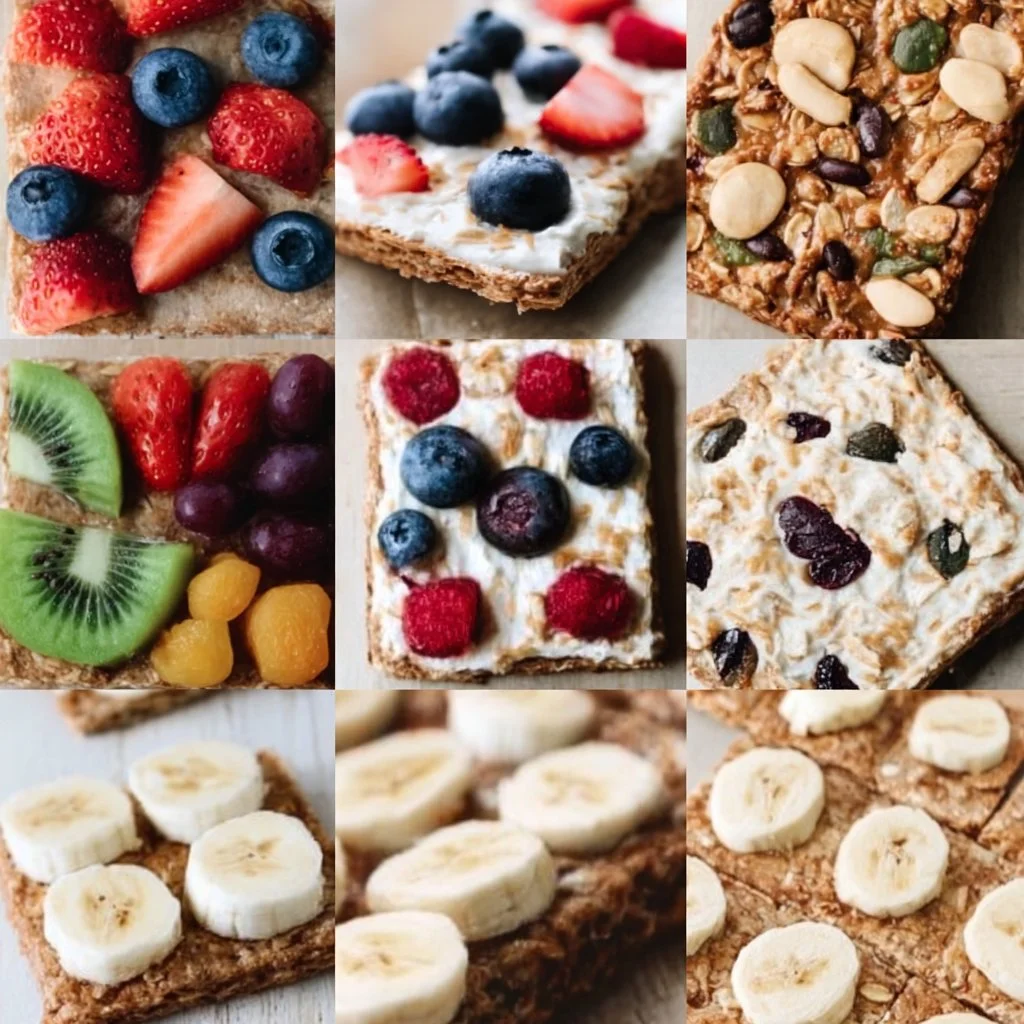
- Add fruits or vegetables for nutrients: layer sliced apples, berries, banana rounds, cucumber slices, or shredded carrots on the base. Why it matters: fruits and veggies bring fiber, vitamins, and color that make snacks more appealing. Visual cue: aim for vibrant colors—bright red strawberries or green cucumber look inviting. Mini tip: toss apple slices in a little lemon juice to prevent browning.
- Incorporate nuts or protein for staying power: sprinkle chopped almonds, drizzle nut butter, add hummus, cottage cheese, or a hard-boiled egg slice. Why it matters: protein and healthy fats keep kids full and steady between meals. Visual cue: a visible sprinkle of nut pieces or a smear of hummus signals richness. Mini tip: for younger kids, use smooth nut or seed butters to avoid choking hazards.
- Prepare quickly and smartly: assemble components in under 10 minutes using prepped elements like cut fruit, pre-cooked eggs, or store-bought hummus. Why it matters: speed matters on busy afternoons, and quick assembly keeps options realistic. Visual cue: if assembly takes longer than 10 minutes, consider prepping components earlier. Mini tip: create a “snack station” with bowls of prepped ingredients for kids to make their own.
- Add flavor and texture finishes: a sprinkle of cinnamon, a few dark chocolate chips, a drizzle of honey (for kids over one), or a dash of sea salt can elevate a simple snack. Why it matters: small flavor boosts make healthy items feel special without excess sugar. Visual cue: a light dusting of spice or a glossy drizzle makes things look finished. Mini tip: use citrus zest on yogurt for a fresh pop.
- Pack and present with care: place components in neat sections in a lunchbox or on a small plate with toothpick skewers or fun picks. Why it matters: presentation encourages children to try new things. Visual cue: colorful separation and contrasting textures look appealing. Mini tip: use small cookie cutters to make fruit shapes for extra fun.
- Teach simple assembly to kids: show them how to spread, stack, or skewer; start with simple tasks and increase responsibility over time. Why it matters: ownership builds enthusiasm for eating healthy. Visual cue: kids smiling while assembling is the best sign. Mini tip: keep a “snack list” on the fridge with 3 favorite combos to reduce decision stress.
Serving Suggestions & Storage Tips
Serving ideas:
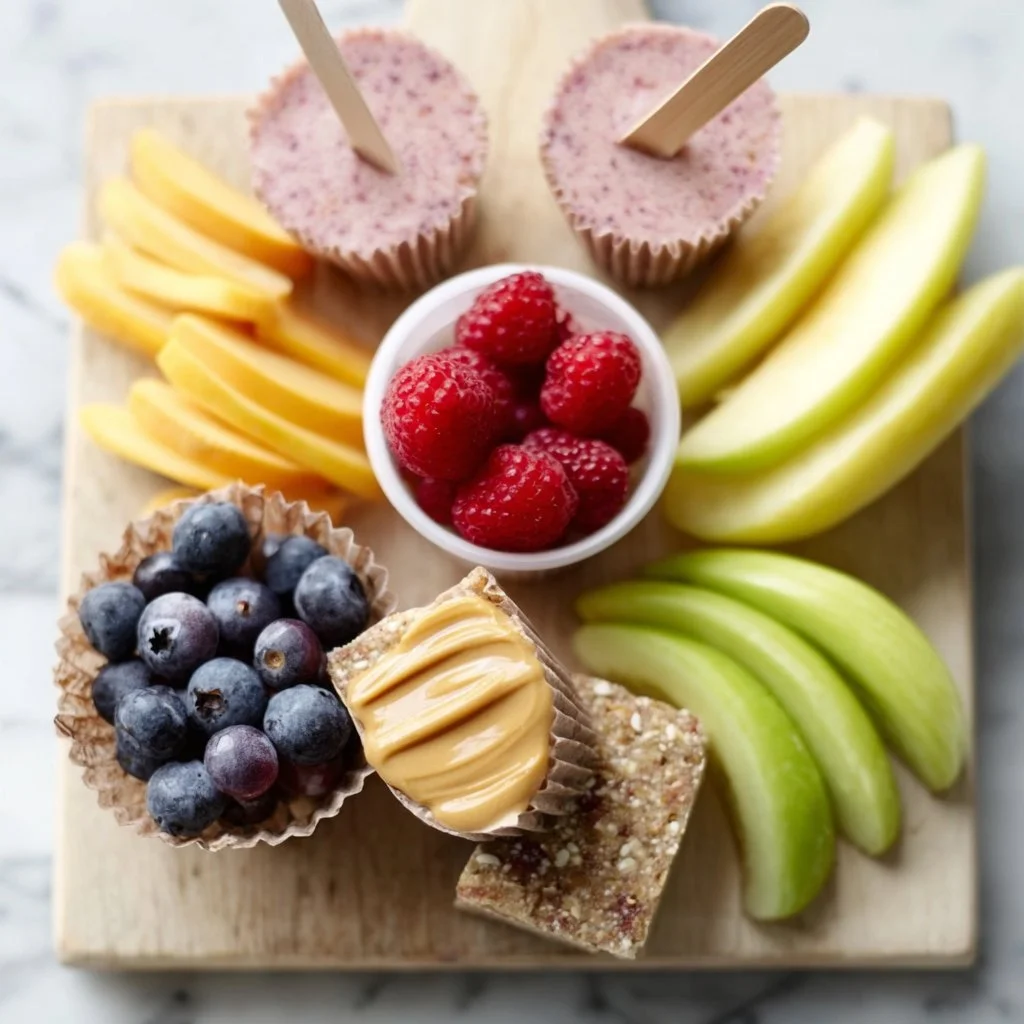
- Create mini build-your-own stations for quick creativity: yogurt cups, a bowl of granola, and a fruit selection let kids construct parfaits.
- Assemble themed plates: “fruit and dip” plate with yogurt dip, or “crunch and dip” with whole grain crackers and hummus.
- Use skewers: thread cubes of cheese, grapes, and whole grain bread cubes for portable, fun munching.
Presentation tips:
- Choose small bowls or compartments for variety and to avoid overwhelm.
- Use contrasting colors; red berries next to white yogurt look inviting.
- Arrange textures deliberately: creamy next to crunchy, juicy next to chewy.
Pairings:
- Pair protein-rich snacks with a small fruit for balanced energy. For example, hummus with carrot sticks plus a few whole grain crackers.
- For after-activity snacks, include a hydration element like a small bottle of water or milk.
Creative variations:
- Yogurt Parfait: layer Greek yogurt, mashed banana, a drizzle of honey, and crushed whole grain cereal.
- Apple Nachos: thin apple slices topped with a smear of nut butter, chopped nuts, and a small scattering of raisins.
- Veggie Stackers: cucumber rounds with a dollop of herbed cream cheese and cherry tomato halves.
Storage (fridge, freezer):
- Short-term fridge: Prepped fruit and cut veggies last 3 to 5 days when stored in airtight containers with paper towel to absorb moisture.
- Yogurt and dairy: Store in refrigerator at or below 40°F and consume within the product’s recommended window once opened.
- Freezing: certain items like banana slices, berries, or homemade muffin bites freeze well. Freeze flat on a tray, then transfer to a bag to keep space efficient.
Best reheating methods:
- Most of these snacks are served cold or room temperature.
- For warm options like mini quesadillas or grilled chicken cubes, reheat briefly in the microwave (20 to 45 seconds depending on portion) or in a toaster oven for 3 to 5 minutes until warmed through.
- For crunchy items like toasted whole grain pita, re-crisp in a toaster oven for a minute rather than microwaving which makes them soggy.
Helpful Notes & Variations
Ingredient substitutions:
- Dairy-free: replace yogurt with coconut or almond yogurt and cheese with dairy-free slices.
- Nut-free: swap nut butter for sunflower seed butter or tahini; use roasted chickpeas for crunch.
- Gluten-free: use rice cakes, gluten-free crackers, or corn tortillas.
Dietary adaptations:
- Vegetarian: most of these ideas are already vegetarian; add beans, edamame, or cheese for more protein.
- Vegan: choose plant-based yogurt, seed butters, and skip honey.
- High-protein: focus on Greek yogurt, cottage cheese, boiled eggs, and seeds. For an extra boost, try my collection of high protein creami recipes for inspiration on creamy, protein-packed bases that adapt well to snack-size portions.
Flavor add-ins:
- Sprinkle a pinch of cinnamon on banana for warmth.
- Add a squeeze of lemon to cottage cheese and cracked pepper for brightness.
- Toss diced apple in a little maple syrup and cinnamon for a cozy autumn touch.
Common mistakes:
- Overcomplicating assembly: keep combinations simple; too many components can make a kid anxious.
- Too-sweet toppings: a few chocolate chips are fine, but avoid sugary glazes which negate the health benefits.
- Serving large portions: smaller portions with balanced macronutrients prevent late afternoon crashes.
Experience-based tips:
- Rotate favorites each week so kids feel familiar yet not bored.
- Let kids help pick one new ingredient at the grocery store each week to encourage curiosity.
- Pre-portion snacks into small containers to make grab-and-go simpler on busy days.
Practical snack ideas and variations (20 specific combos)
- Greek Yogurt Berry Parfait: Greek yogurt, mixed berries, and a sprinkle of whole grain cereal.
- Apple Slices with Almond Butter and Raisins: thin apple slices with a smear of almond butter and a few raisins.
- Hummus and Veggie Sticks: classic hummus with carrot, cucumber, and bell pepper strips.
- Mini Whole Grain Pita Pizzas: pita rounds toasted with tomato sauce and shredded cheese.
- Cottage Cheese Cups with Pineapple: cottage cheese topped with fresh pineapple chunks.
- Banana and Peanut Butter Quesadilla: whole wheat tortilla, mashed banana, and peanut butter, folded and warmed.
- Cheese and Whole Grain Crackers: sliced cheese with a side of apple slices.
- Hard-Boiled Egg and Avocado Toast: half an egg with smashed avocado on a mini whole grain toast.
- Edamame Snack Bowl: shelled edamame with a pinch of sea salt.
- Turkey Roll-Ups with Veggie Sticks: turkey slices wrapped around cucumber sticks and a smear of cream cheese.
- Yogurt Smoothie Pops: blend yogurt, banana, and berries; freeze in small molds.
- Peanut Butter Celery Boats: celery filled with peanut butter and topped with raisins.
- Mini Bagel with Cream Cheese and Fruit: half a whole grain mini bagel with cream cheese and sliced strawberries.
- Roasted Chickpeas Crunch: seasoned roasted chickpeas for a crunchy, protein-rich bite.
- Oat Energy Bites: oats, nut butter, honey, and tiny mix-ins pressed into balls.
- Fruit and Cheese Kabobs: skewers of grapes, melon, and cubed mild cheddar.
- Cottage Cheese and Cucumber Cups: cucumber slices topped with herbed cottage cheese.
- Tuna Salad Cucumber Boats: tuna salad scooped into cucumber halves for a low-carb option.
- Rice Cake with Avocado and Tomato: top a rice cake with smashed avocado and cherry tomato halves.
- Mini Quesadillas with Black Beans and Cheese: small whole wheat tortilla filled with beans and cheese, grilled until melty.
Small notes on a few recipes above:
- For the tuna salad and turkey roll-ups, ensure ingredients are chilled and safe for school policies regarding refrigeration.
- Oat energy bites can be made ahead and frozen; thaw in the fridge overnight.
- For younger kids, cut skewers into short, safe sticks or serve components separately.
Conclusion
These 20 Healthy After School Snack Ideas stand out because they are flexible, approachable, and deliberately balanced to keep kids nourished and happy. You gain practical variety—sweet and savory, crunchy and creamy, cold and warm—while leaning on fruits, vegetables, yogurt, nuts, and whole grains that I use every week in my kitchen. Try a few of the combos, involve your child in assembly, and watch little habits build into reliable routines that make afternoons calmer and healthier.
If you want more curated inspiration, check out this helpful list of Top 20 After-School Snacks For Kids for additional ideas to rotate through your week. For a wider take on healthy snack planning, this roundup of 30 Healthy Snacks for Kids includes practical tips for packing and pacing snacks. If you enjoy family-friendly snack recipes, take a look at this collection of 20 Healthy After School Snacks for even more quick combos to try.
Frequently Asked Questions
Can I make this recipe ahead of time?
Yes. Many elements can be prepared ahead: cut fruit and vegetables, hard-boiled eggs, roasted chickpeas, and oat energy bites keep well in the fridge. Yogurt parfaits are best assembled right before serving to keep granola crunchy, but you can prepare parfait ingredients separately and combine them in under a minute.
How should I store leftovers and how long do they last?
Store most prepared components in airtight containers in the refrigerator. Fresh cut fruit and vegetables typically last 3 to 5 days if kept dry and chilled. Prepared protein-rich items like hummus and tuna salad should be used within 2 to 3 days. Freeze-only items like yogurt pops or energy bites can last up to 3 months; thaw in the fridge overnight.
What is the best way to reheat or serve this recipe after storage?
Most of these snacks are best served cold or at room temperature. For warm items, reheat briefly on a toaster oven or microwave-safe dish. Mini quesadillas or warmed tortillas will revive crispness when heated for 1 to 3 minutes in a toaster oven. Avoid microwaving bread or crackers long enough to make them chewy.
Can I adjust or substitute ingredients to fit my preferences?
Absolutely. These ideas are templates meant to be flexible. Swap dairy for plant-based alternatives, replace nuts with seeds in nut-free settings, and trade fruits based on seasonality. Use protein sources you prefer, and adjust seasonings to your child’s palate.
Do you have tips to ensure the best texture and flavor every time?
Yes. Keep crunchy and wet components separate until serving to preserve texture. Use fresh produce for best flavor and vibrancy. For cold yogurt-based snacks, add a crunchy topping just before serving. Taste and adjust a little salt or citrus to brighten flavors, and involve kids in tasting so they learn balance and preferences.
Healthy After School Snacks
Ingredients
Method
- Choose your healthy base: pick one main foundation such as yogurt, whole grain crackers, rice cake, or a whole wheat tortilla.
- Add fruits or vegetables for nutrients by layering sliced apples, berries, banana rounds, cucumber slices, or shredded carrots on the base.
- Incorporate nuts or protein for staying power by sprinkling chopped almonds or drizzling nut butter.
- Prepare quickly using prepped elements like cut fruit, pre-cooked eggs, or store-bought hummus.
- Add flavor and texture finishes with a sprinkle of cinnamon or a drizzle of honey.
- Pack and present your snacks attractively with colorful separation in a lunchbox or on a plate.
- Teach the kids how to assemble their snacks, which encourages ownership and enthusiasm.