Greek Chicken Tenders — I can already hear you asking if a simple weeknight dinner can feel like a warm hug from the Mediterranean. Yes, it can. I remember the first time I marinated strips of tender chicken in creamy Greek yogurt, bright lemon, garlic, and oregano; I stood at the counter, sneaking tiny tastes of the marinade and feeling instantly comforted. This recipe uses chicken tenders (or thinly sliced breast), plain Greek yogurt, olive oil, fresh lemon, garlic, and oregano to create juicy, flavorful bites that are quick to make and perfect for cozy family dinners or lively summer gatherings. If you love bright, tangy, and herb-forward chicken, these tenders will become a go-to; they also pair beautifully with a simple grain bowl like my favorite Greek chicken bowls for a fuller meal.
Why You’ll Love This Recipe
- Quick and easy to prepare: from mixing the marinade to serving takes under an hour for busy weeknights.
- Simple, accessible ingredients: most are pantry staples and fresh citrus and herbs.
- Perfect for spring and summer meals or casual dinner parties when lighter, brighter flavors shine.
- Comforting and satisfying while still feeling light and wholesome—great for both family dinners and impressing guests.
What makes this version unique is the yogurt-based marinade that tenderizes the meat while delivering a silky coating of flavor. The lemon zest and juice brighten the dish, garlic and oregano bring classic Greek character, and a splash of olive oil adds mouthfeel and helps caramelization as the chicken cooks. I love how this recipe is forgiving; you can marinate 30 minutes or up to a couple of hours and still get tender, juicy results. This gives you confidence in the kitchen, whether you are feeding picky eaters or hosting friends.
Ingredients Needed
Marinade Essentials
- 1/2 cup plain Greek yogurt (use full-fat for richer flavor; low-fat works too)
- 3 tablespoons extra virgin olive oil (or regular olive oil if that is what you have)
- 2 tablespoons freshly squeezed lemon juice (about half a lemon)
- 2 teaspoons lemon zest (grate before juicing for the freshest flavor)
- 3 garlic cloves, finely minced (or grated for more even distribution)
- 1 tablespoon dried oregano (or 1 tablespoon plus 1 teaspoon if you prefer a more herb-forward taste)
- 1 teaspoon kosher salt (or 3/4 teaspoon fine table salt)
- 1/2 teaspoon freshly ground black pepper
- Optional: 1/2 teaspoon ground cumin for a warm, earthy background note
Chicken
- 1.5 pounds chicken tenders (or thinly sliced boneless, skinless chicken breasts cut into strips)
- Fresh is preferable, but if using frozen, thaw completely and pat dry before marinating.
Notes on ingredients and originality:
- The yogurt acts as a mild acid and enzyme tenderizer; plain Greek yogurt is ideal because it clings to the chicken and yields a creamy coating.
- Olive oil helps with searing and flavor; use a mild-flavored oil if you want the citrus and herbs to shine more.
- Lemon zest holds much more aromatic oil than lemon juice alone, so include both for the best brightness.
- Garlic should be finely minced so it infuses the marinade without leaving large raw bits on the surface.
- Oregano is the signature Mediterranean herb here; using dried is convenient and concentrated, but fresh chopped oregano or a mix of oregano and thyme will work beautifully.
Ingredients & Equipment Notes (Optional)
- Non-reactive bowl or zip-top bag: Use glass, ceramic, or a food-safe plastic bag for marinating. Avoid aluminum bowls which can react with citrus.
- Whisk and spoon: A small silicone spatula or wooden spoon helps mix and scrape the yogurt-based marinade.
- Grill pan, skillet, or oven: This recipe can be cooked on a preheated grill pan over medium heat for charred edges or baked at 400°F for hands-off cooking.
- Instant-read thermometer: For perfectly cooked chicken, aim for an internal temperature of 165°F (74°C). This takes the guesswork out of timing.
- Parchment paper: If baking, line the sheet with parchment for easy cleanup and less sticking.
- Tongs: Useful for flipping and transferring the tenders without tearing.
Why these tools matter: a grill pan gives those restaurant-style sear marks and a touch of smokiness, while baking is forgiving and great when you have multiple dishes to manage. The thermometer ensures safety and prevents overcooking, which keeps the tenders juicy.
Instructions – How to Make “Greek Chicken Tenders”
- Prepare the marinade and mix until smooth.
- In a medium mixing bowl, whisk together 1/2 cup plain Greek yogurt, 3 tablespoons olive oil, 2 tablespoons fresh lemon juice, 2 teaspoons lemon zest, the 3 minced garlic cloves, 1 tablespoon dried oregano, 1 teaspoon salt, and 1/2 teaspoon black pepper. If using, stir in 1/2 teaspoon ground cumin.
- Why this matters: whisking fully emulsifies the oil into the yogurt and lemon, creating a silky coating that clings to the chicken and helps flavor penetrate.
- Visual cue: the mixture should become smooth and slightly glossy; the lemon zest flecks and oregano specks should be visible.
- Add the chicken tenders and coat them thoroughly.
- Place 1.5 pounds of chicken tenders into the bowl (or into a large zip-top bag) and toss so each piece is evenly coated with the marinade. Use your hands or a spoon to ensure no dry patches remain.
- Why this matters: full contact with the marinade equals deeper flavor and more even tenderizing.
- Mini tip: if using a zip-top bag, press out extra air, seal, and massage the bag to distribute the marinade—this uses less mess and marinates efficiently.
- Marinate for at least 30 minutes and up to 2 hours.
- Cover the bowl with plastic wrap or place the bag in the refrigerator. Let the chicken sit chilled for a minimum of 30 minutes; for more flavor and tenderness, marinate for up to 2 hours but not much longer to avoid a mushy texture.
- Why this matters: the yogurt and lemon gently break down proteins for tenderness; too long can over-tenderize delicate tenders.
- Visual cue: the marinade will thicken slightly on contact with the cold meat; the chicken should look well-coated but not swimming in liquid.
- Preheat your cooking surface.
- If grilling on a stovetop grill pan, preheat it over medium heat until hot and lightly oiled. If baking, preheat your oven to 400°F (200°C) and line a baking tray with parchment paper.
- Why this matters: a properly heated pan gives a nice sear and color; the oven option gives even cooking and crisp edges without constant attention.
- Mini tip: lightly brush or spray the pan with oil before placing the tenders to prevent sticking. You can also quickly blot excess marinade to avoid too much residue on the pan.
- Remove excess marinade and cook.
- Take the chicken out of the marinade, shaking off any large globs of yogurt, and discard the remaining marinade.
- Grill method: Place tenders on the hot grill pan and cook about 5 to 7 minutes per side. Turn once when the underside is well browned and releases easily from the pan.
- Bake method: Arrange tenders in a single layer on the prepared tray and bake for about 20 to 25 minutes, flipping once halfway through for even browning.
- Why this matters: removing excess keeps the chicken from stewing and helps achieve a pleasant browned surface. Cooking times will vary slightly by thickness; use doneness cues instead of exact times.
- Visual cues: look for golden edges and opaque centers; juices should run clear and the surface should be lightly browned.
- Check for doneness and rest briefly.
- Use an instant-read thermometer; the chicken is safe when the internal temperature reaches 165°F (74°C). Alternatively, cut through the thickest piece to confirm there is no pink in the center.
- Transfer to a plate and let rest for 3 to 5 minutes.
- Why this matters: resting lets juices redistribute so the tenders stay juicy when sliced or served.
- Mini tip: garnish with chopped fresh parsley or dill and an extra squeeze of lemon for a bright finish.
- Serve and enjoy.
- Present the tenders family-style, with lemon wedges and a small bowl of extra yogurt or tzatziki for dipping.
- Visual cue: the tenders should glisten slightly with olive oil and show flecks of oregano and lemon zest; aroma should be lemony, garlicky, and herb-scented.
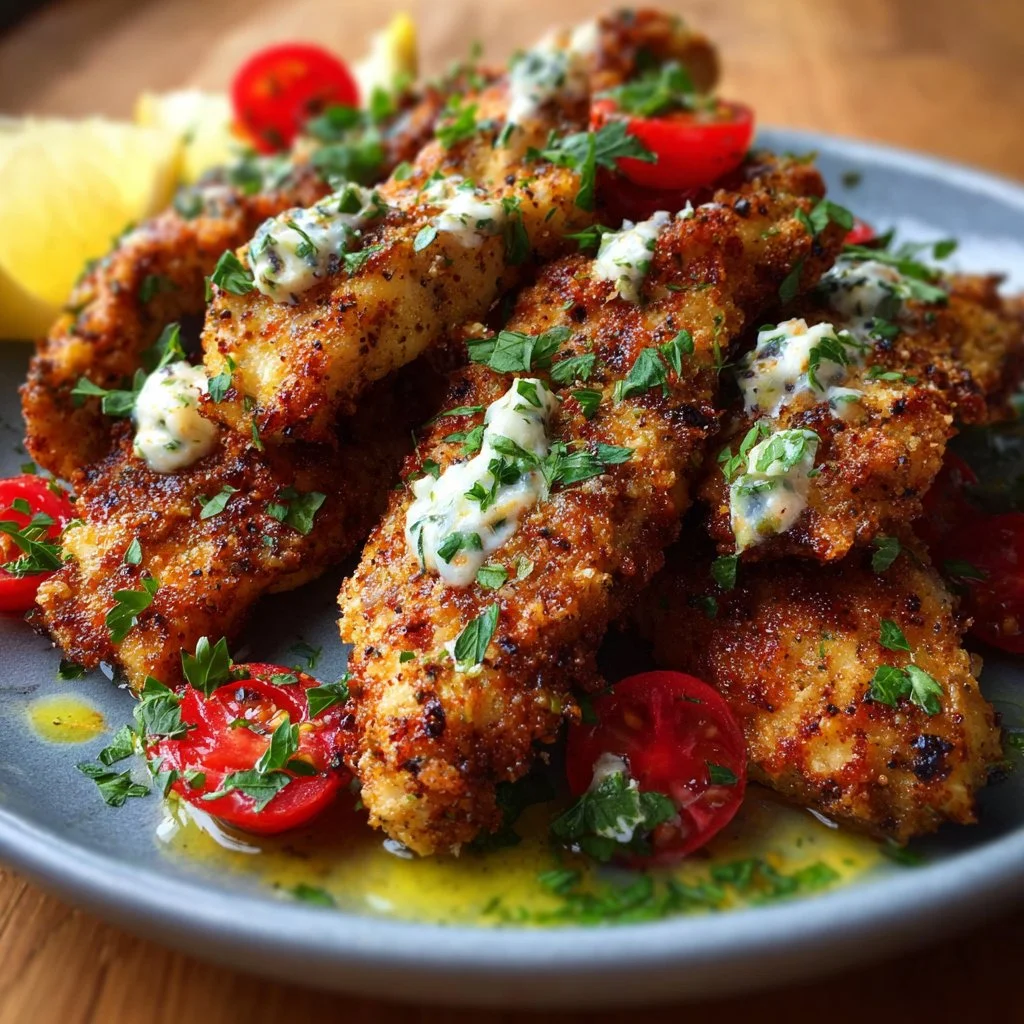
Serving Suggestions & Storage Tips
Serving ideas:
- Serve with warm pita, sliced cucumbers, tomatoes, and a drizzle of tzatziki for a casual gyro-style plate.
- Make a colorful salad topped with these warm tenders, olives, cherry tomatoes, cucumber ribbons, and crumbled feta for a simple lunch or light dinner.
- Build a hearty bowl with rice or quinoa, roasted vegetables, and a dollop of herby yogurt for an easy meal prep option.
Presentation tips:
- Slice tenders on a slight diagonal for pretty, bite-sized pieces that show the juicy interior.
- Garnish with chopped fresh parsley, dill, or mint and finish with a few lemon wedges for brightness.
- For a crowd, arrange tenders on a large platter with small bowls of sauces and garnishes so guests can assemble their own plates.
Pairings:
- Crisp Greek salad or a simple arugula and lemon salad.
- Roasted or grilled vegetables like zucchini, bell peppers, and red onion.
- Grain sides such as herbed couscous, orzo tossed with lemon and parsley, or a cooling tzatziki potato salad.
Storage:
- Refrigerator: store cooled tenders in an airtight container for up to 3 to 4 days.
- Freezer: freeze cooked tenders in a single layer on a baking sheet until firm, then transfer to a freezer bag for up to 2 months. Thaw overnight in the refrigerator before reheating.
Best reheating methods:
- Oven: reheat at 350°F (175°C) for 8 to 10 minutes, covered lightly with foil to retain moisture, then remove foil for the last few minutes to crisp edges.
- Skillet: warm a non-stick skillet over medium heat with a splash of olive oil and sear each side for 1 to 2 minutes until heated through.
- Air fryer: heat at 350°F for 3 to 5 minutes for a quick, crisp finish.
- Avoid microwave reheating if possible as it can dry the chicken; if you must, cover to trap steam and heat in short intervals.
While you plan sides and reheating, consider making a couple of extra tenders to use in salads or wraps later in the week. They keep their flavor well and are a great shortcut when you need a fast, satisfying lunch.
(Here’s a cozy inspiration if you want to turn leftovers into something new: use warm tenders to top a soothing Greek lemon chicken soup or fold them into a grain bowl for an easy dinner.)
Helpful Notes & Variations
Ingredient substitutions:
- Yogurt: If you do not have Greek yogurt, use plain strained yogurt or a thick natural yogurt. Avoid watery yogurts.
- Oil: Substitute avocado oil or a neutral vegetable oil if olive oil is not available, but olive oil is recommended for flavor.
- Herbs: Swap dried oregano for a mixture of dried oregano and thyme, or use 1 tablespoon fresh chopped oregano in place of dried.
- Citrus: If you prefer a milder tang, reduce lemon juice to 1 tablespoon and add 1 teaspoon white wine vinegar as an alternative acid (no alcohol used in cooking).
- Spice: Add 1/2 teaspoon smoked paprika for a deeper, smoky note without any pork or bacon substitutions.
Dietary adaptations:
- Gluten-free: This recipe is naturally gluten-free when served with gluten-free sides.
- Dairy-free: For a dairy-free alternative, use unsweetened coconut yogurt or a soy-based yogurt, but be aware the flavor profile will change; add a tablespoon of olive oil extra to replace richness.
- Low-sodium: Reduce salt to 1/2 teaspoon and season more lightly; serve with a salted dip on the side for those who want more.
Flavor add-ins:
- Fresh herbs: Stir in 1 tablespoon each of freshly chopped parsley and dill into the marinade for a brighter, fresher flavor.
- Heat: Add 1/4 to 1/2 teaspoon crushed red pepper flakes or 1/4 teaspoon cayenne for a mild kick.
Common mistakes and how to avoid them:
- Over-marinating: Yogurt and acid will eventually break down muscle fibers too much and make the texture soft. Keep to 30 minutes to 2 hours.
- Crowding the pan: If you overcrowd the grill pan, the tenders will steam instead of sear. Cook in batches if necessary.
- Not drying the chicken: Pat tenders dry before cooking to help achieve browning and prevent splattering.
- Skipping the rest: Cutting into chicken immediately can cause flavorful juices to run out. Rest for a few minutes for the best texture.
Experience-based tips:
- If you want a charred, smoky edge without a grill, finish tenders under a hot broiler for 1 to 2 minutes after baking—watch closely to prevent burning.
- For even more flavor, toast the dried oregano briefly in a dry skillet before adding to the marinade to release aromatic oils.
- Make a double batch and freeze half of the cooked tenders for quick meals later; they thaw and reheat well when using the oven or air fryer.
(If you like trying different takes on dinner bowls, these tenders can be an exciting swap for a spicy protein in a Bang Bang chicken bowl, adding Mediterranean brightness to the dish.)
Conclusion
These Greek Chicken Tenders stand out because they are simple to make yet deliver layers of bright lemon, savory garlic, and warm oregano, all wrapped in a tenderizing yogurt marinade that keeps the chicken juicy. You get the comfort of home cooking combined with Mediterranean flair, and the versatility to serve them with salads, pitas, or grains makes them a weeknight hero. Give them a try this week and see how quickly they become a family favorite; if you want to explore other ways to use yogurt-marinated chicken, take a look at this flavorful Greek Chicken Bites (great for salads and gyros!) – Bowl of Delicious for inspiration, or read more about marinading techniques in this Greek Chicken Marinade Recipe -Yogurt Based – A Fork’s Tale. If you loved this recipe, please leave a comment, give it a star rating, and share a photo on Pinterest or social media so others can enjoy these bright, tender bites too.
Frequently Asked Questions
Can I make this recipe ahead of time?
Yes, you can marinate the chicken for up to 2 hours in advance for best texture. If you need to plan further ahead, you can assemble the marinade and chicken in a zip-top bag and refrigerate for up to 24 hours, but for texture reasons I recommend cooking within 2 hours of marinating. Cooked tenders can be made a day or two ahead and refrigerated, then reheated gently.
How should I store leftovers and how long do they last?
Store cooled tenders in an airtight container in the refrigerator for 3 to 4 days. For longer storage, freeze cooked tenders for up to 2 months. To freeze, lay tenders on a tray to flash-freeze, then transfer to a sealed freezer bag to prevent freezer burn.
What is the best way to reheat or serve this recipe after storage?
Oven reheating at 350°F for about 8 to 10 minutes covered will restore juiciness. For crispiness, use an air fryer at 350°F for 3 to 5 minutes or sear briefly in a skillet with a touch of oil. Avoid microwaving if you want to maintain texture, but if you must, cover and heat in short bursts to prevent drying out.
Can I adjust or substitute ingredients to fit my preferences?
Absolutely. Swap Greek yogurt for strained plain yogurt alternatives if needed, change dried oregano to fresh herbs, or omit cumin if you do not want that flavor. Reduce salt for low-sodium needs and swap olive oil for another neutral oil if necessary. These tenders are forgiving and easy to adapt.
Do you have tips to ensure the best texture and flavor every time?
Yes. Pat chicken dry before marinating for better browning, do not marinate for longer than 2 hours to avoid mushiness, and cook in an evenly spaced single layer to allow airflow and proper browning. Use an instant-read thermometer to ensure a safe 165°F internal temperature without overcooking. Finish with a squeeze of fresh lemon and fresh herbs right before serving for maximum brightness.
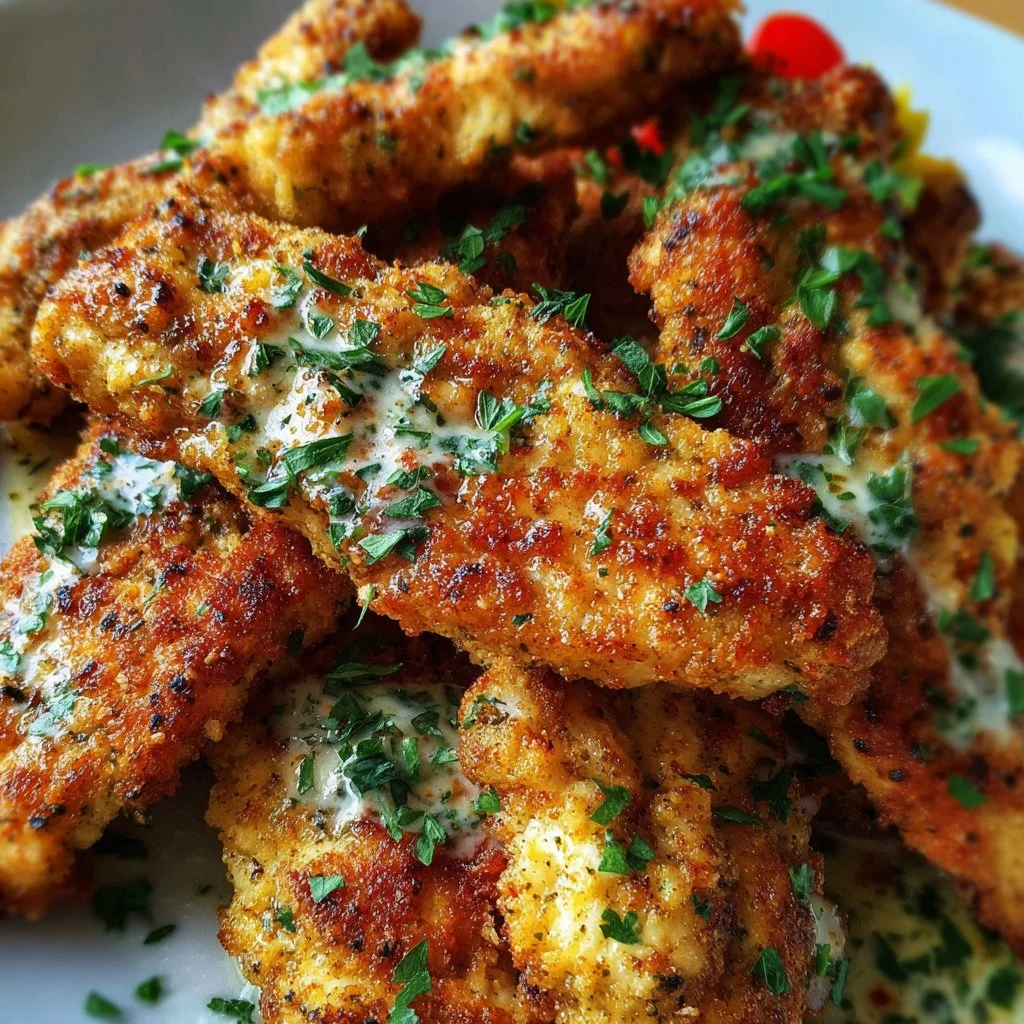
Greek Chicken Tenders
Ingredients
Method
- In a medium mixing bowl, whisk together the marinade ingredients until smooth.
- Place the chicken tenders into the bowl or a large zip-top bag and toss to coat thoroughly.
- Cover and marinate in the refrigerator for at least 30 minutes and up to 2 hours.
- Preheat your cooking surface: Grill pan over medium heat or an oven to 400°F (200°C).
- Remove excess marinade from the chicken and cook: Grill for about 5 to 7 minutes per side or bake for 20 to 25 minutes, flipping once.
- Check for doneness with an instant-read thermometer to reach 165°F (74°C).
- Let the chicken rest for 3 to 5 minutes before serving.
- Serve with garnish and dipping options as desired.