Pin by Emily McIntire on Food & Recipes | Healthy bowls recipes, Healthy food dishes, Seafood recipes
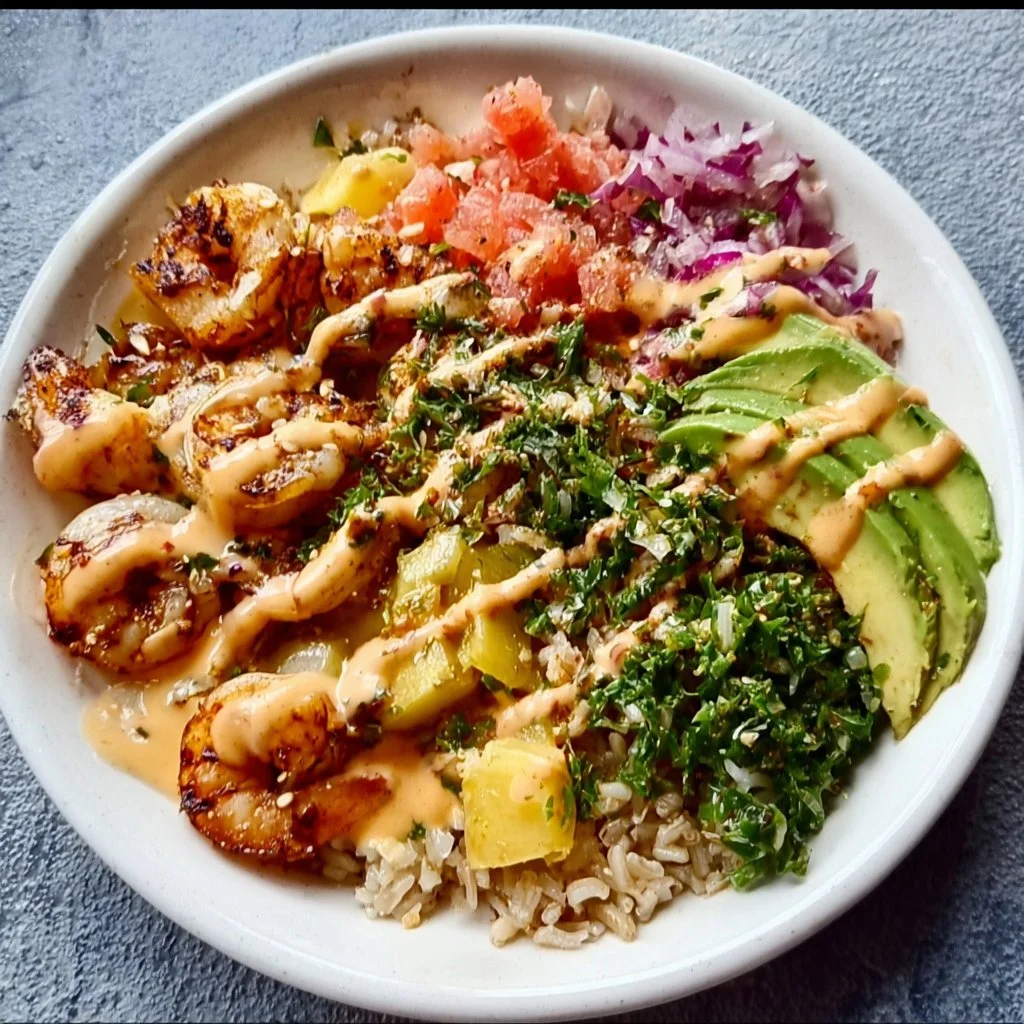
There’s something about a warm seafood bowl in the heart of spring that feels like a cozy kitchen hug — bright, fresh, and deeply satisfying. This seasonal recipe inspired by “Pin by Emily McIntire on Food & Recipes | Healthy bowls recipes, Healthy food dishes, Seafood recipes” celebrates flaky roasted salmon (or shrimp), tender spring vegetables, and a lemon-herb dressing that brings everything to life. It’s worth trying because it’s simple enough for a weeknight, pretty enough for guests, and flexible so you can use whatever’s peak at your farmer’s market. If you enjoy building nourishing, from-scratch meals, you might also like pairing this with a light sweet finish like the summer strawberry treats in this collection: summer strawberry treats.
Why this bowl works (seasonal appeal)
This bowl shines in spring and early summer when asparagus, peas, radishes, and baby greens are at their best. The fatty richness of salmon (or sweet, snappy shrimp) contrasts with crisp veg and a citrusy vinaigrette, making each bite balanced and bright. It’s a hearty lunch, a light dinner, and a great way to use seasonal produce while keeping the dish comfortably familiar for home cooks.
Ingredients & Equipment
Ingredients (serves 4)
- 1 1/2 pounds salmon fillet, skin on, cut into 4 portions (or 1 pound large shrimp, peeled and deveined)
- 1 cup quinoa (or brown rice, farro, or your favorite grain)
- 1 bunch asparagus, trimmed and cut into 2-inch pieces
- 1 cup sugar snap peas or shelled peas
- 2 cups baby spinach or mixed baby greens
- 1 medium avocado, sliced
- 1 small red onion, thinly sliced
- 1 cup cherry tomatoes, halved
- 2 tablespoons olive oil (for veggies)
- Salt and freshly ground black pepper
- Lemon-herb vinaigrette:
- 1/4 cup extra-virgin olive oil
- 2 tablespoons fresh lemon juice (about 1 lemon)
- 1 teaspoon Dijon mustard
- 1 small garlic clove, minced
- 1 tablespoon chopped fresh dill (or parsley)
- Salt and pepper to taste
- Optional toppings: toasted sesame seeds, chopped pistachios, crumbled feta, chili flakes
Notes:
- Use wild-caught salmon for flavor and sustainability when possible.
- Swap the grain for cauliflower rice for a low-carb version, or use farro for a chewier texture.
Equipment
- Baking sheet (rimmed) or cast-iron skillet
- Medium saucepan with lid (for quinoa)
- Mixing bowls
- Whisk or small jar for vinaigrette
- Fish spatula or tongs
- Instant-read thermometer (helpful for perfectly cooked salmon)
- Optional: blender for a smoother dressing, or a sheet pan liner for easier cleanup
Helpful tools like an instant-read thermometer take the guesswork out of fish doneness (salmon: 125–130°F for medium-rare to medium). A rimmed baking sheet is great for roasting veggies and salmon together if you prefer a one-pan finish.
Step-by-Step Instructions (with tips)
Prep the grain
- Rinse 1 cup quinoa under cold water. In a medium saucepan, combine quinoa with 2 cups water and a pinch of salt. Bring to a boil, reduce to a simmer, cover, and cook 12–15 minutes until water is absorbed. Remove from heat and let rest 5 minutes, then fluff with a fork.
- Variation: Use brown rice or farro — adjust cooking time and water ratio per package instructions.
Blanch or roast the spring vegetables
- For bright, tender veg: blanch asparagus and sugar snap peas in boiling salted water for 1–2 minutes, then shock in an ice bath to keep color and crunch. Drain and pat dry.
- Roasting alternative: Toss asparagus and peas with 1 tablespoon olive oil, salt, and pepper, and roast at 425°F (220°C) for 8–12 minutes for a sweeter, caramelized flavor. Roasting is excellent if you’re cooking salmon on the same tray.
- Tip: Blanching preserves a crisp-tender texture that works beautifully in bowls; roasting deepens flavor.
Cook the salmon (or shrimp)
- Pat salmon dry and season with salt and pepper. Drizzle 1 tablespoon olive oil over the fillets. For salmon:
- Oven-roast: Preheat oven to 400°F (200°C). Place salmon, skin-side down, on a rimmed baking sheet lined with parchment. Roast 10–14 minutes depending on thickness. Use an instant-read thermometer to check for 125–130°F for medium.
- Pan-sear + oven finish: Heat a skillet over medium-high, sear salmon skin-side down 3–4 minutes until crisp, then flip and roast in 400°F oven 4–6 minutes.
- For shrimp: toss with olive oil, salt, pepper, and a squeeze of lemon; sauté 1–2 minutes per side until opaque and pink.
- Tip: Let fish rest 2–3 minutes after cooking to retain juices.
Make the lemon-herb vinaigrette
- In a small bowl or jar, whisk together 1/4 cup olive oil, 2 tablespoons lemon juice, Dijon, minced garlic, chopped dill, salt, and pepper. Taste and adjust acidity with more lemon or salt as needed.
- Optional: Add 1 teaspoon honey or maple syrup if you prefer a touch of sweetness.
Assemble the bowls
- Divide warm quinoa among four bowls. Arrange roasted/blanched asparagus, peas, cherry tomatoes, sliced avocado, baby greens, and red onion around the salmon. Drizzle vinaigrette over the bowl and sprinkle optional toppings like toasted sesame seeds or chopped pistachios.
- Flavor suggestion: A few drops of good balsamic or a sprinkle of flaky sea salt over the avocado adds depth.
Variations and swaps
- Vegetarian: Replace salmon with grilled halloumi, pan-roasted tempeh, or a marinated tofu slab.
- Shrimp bowl: Swap salmon for spicy chili-lime shrimp; quick-cook and toss in a zesty sauce.
- Grain swap: Use farro for nutty chewiness or cauliflower rice for a lighter option.
- Dressing swap: Try a cilantro-lime yogurt dressing for a creamy contrast.
Storage, Freezing & Make-Ahead Tips
- Short-term storage: Store components separately in airtight containers in the fridge for up to 3 days. Keep the dressing separate to prevent sogginess.
- Freezing cooked fish: Cooked salmon can be frozen for up to 2 months, but texture may change after thawing. I recommend freezing only the grain or roasted vegetables for best quality.
- Make-ahead strategy: Cook a double batch of quinoa and roast a pan of vegetables on Sunday. Store in portioned containers so you can assemble bowls in minutes during the week.
- Portioning: Use 3/4 to 1 cup of grain per bowl and ~4–6 ounces of salmon or protein per portion. This makes it easy to scale and helps with balanced macros.
- Reheating: Gently reheat salmon in a 300°F oven for 8–10 minutes, covered loosely with foil to avoid drying. Reheat grains and vegetables in the microwave for 1–2 minutes, or on the stovetop with a splash of water.
How to Use / Serve This Dish
- Serve warm for a comforting dinner or at room temperature for a picnic-style lunch. The bowl travels well if you pack dressing separately.
- Pairings: Serve with a crisp white wine like Sauvignon Blanc or a light rosé; for non-alcoholic options, try sparkling water with lemon and a sprig of mint.
- Make it into a plated meal: Place a mound of quinoa at the center, fan the salmon over it, and neatly arrange vegetables around for a restaurant-style presentation.
- Leftover ideas: Flake leftover salmon into salads, fold into omelets, or mix into a grain salad with a lemony vinaigrette for a quick lunch.
- Creative variations: Turn it into a warm grain salad by tossing everything with a mustardy vinaigrette and serving topped with a poached egg.
In case you love experimenting with baking and cakes alongside savory bowls, try learning creative techniques from this fun collection on vintage cake designs: creative birthday cake ideas. If you’re tracking protein and enjoy kitchen gadgets, these high-protein ninja creami recipes can inspire your dessert or smoothie pairings: high-protein Ninja Creami recipes.
FAQ
Can I substitute the salmon with another seafood?
Yes — shrimp, scallops, or even firm white fish like cod or halibut work nicely. Shrimp cooks faster and pairs especially well with chili-lime or garlic butter flavors. Adjust cooking times accordingly to prevent overcooking.
How long will the assembled bowl keep?
Once assembled with dressing, eat within 24 hours for the best texture (avocado and greens will begin to soften). If you store components separately, they’ll last about 3 days refrigerated.
Is it okay to freeze components?
Freeze grains and roasted vegetables (without dressing) in freezer-safe containers for up to 2 months. Avoid freezing fresh greens or avocado. Cooked salmon can be frozen but may be slightly softer upon thawing; reheat gently.
What if I don’t have a blender or instant-read thermometer?
No problem. Whisk the vinaigrette by hand until emulsified and use visual cues for fish doneness: salmon should flake easily with a fork and be opaque in the center (or slightly translucent if you prefer medium). An instant-read thermometer is helpful but not mandatory.
Conclusion
This seasonal seafood bowl inspired by “Pin by Emily McIntire on Food & Recipes | Healthy bowls recipes, Healthy food dishes, Seafood recipes” is all about celebrating fresh produce, simple techniques, and comforting flavors you can recreate all season long. It’s a versatile template — swap proteins, grains, and dressings based on what’s freshest and what you’re craving. If you’d like a light, seasonal dessert to follow this bowl, try the Paleo Black and Blueberry Pie – The Real Food Dietitians for a naturally sweet finish. Or, if you want a cozy, savory side for colder nights, consider the hearty french onion baked lentils and farro – smitten kitchen to add rustic depth to your menu. Give this bowl a try, tweak it to your taste, and share your favorite variations — I’d love to hear how you make it your own.
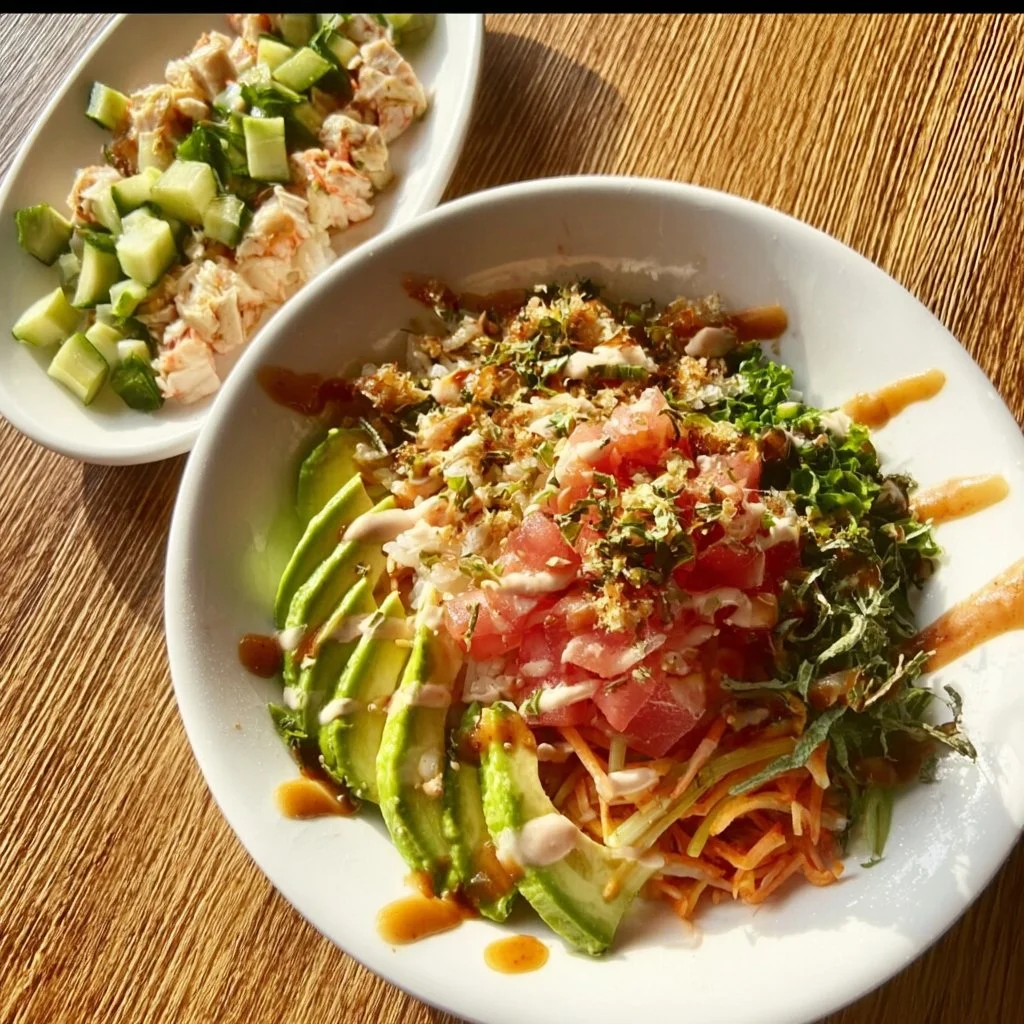
Spring Seafood Bowl
Ingredients
Method
- Rinse 1 cup quinoa under cold water. In a medium saucepan, combine quinoa with 2 cups water and a pinch of salt. Bring to a boil, reduce to a simmer, cover, and cook 12–15 minutes until water is absorbed. Remove from heat and let rest for 5 minutes, then fluff with a fork.
- Variation: Use brown rice or farro — adjust cooking time and water ratio per package instructions.
- For bright, tender veg: blanch asparagus and sugar snap peas in boiling salted water for 1–2 minutes, then shock in an ice bath to keep color and crunch. Drain and pat dry.
- Roasting alternative: Toss asparagus and peas with 1 tablespoon olive oil, salt, and pepper, and roast at 425°F (220°C) for 8–12 minutes for a sweeter flavor.
- Tip: Blanching preserves a crisp-tender texture; roasting deepens flavor.
- Pat salmon dry and season with salt and pepper. Drizzle 1 tablespoon olive oil over the fillets.
- For salmon: Oven-roast at 400°F (200°C) for 10–14 minutes depending on thickness, checking for 125–130°F for medium doneness.
- For shrimp: toss with olive oil, salt, pepper, and a squeeze of lemon; sauté 1–2 minutes per side until opaque.
- Tip: Let fish rest for 2–3 minutes after cooking to retain juices.
- In a small bowl or jar, whisk together 1/4 cup olive oil, 2 tablespoons lemon juice, Dijon, minced garlic, chopped dill, salt, and pepper. Taste and adjust acidity as needed.
- Optional: Add 1 teaspoon honey or maple syrup for sweetness.
- Divide warm quinoa among four bowls. Arrange vegetables, and sliced avocado around the salmon or shrimp.
- Drizzle vinaigrette over the bowl and sprinkle optional toppings.