There’s something deeply comforting about a simple, well-roasted chicken — golden skin, juicy meat, and a homey aroma that fills the kitchen. The Best Oven Roasted Bone-In Chicken Breast takes that comfort to the next level: bone-in breasts stay extra moist and develop a richer flavor during roasting, making them perfect for cooler months or any night you want a cozy, from-scratch dinner. If you enjoy hearty, family-friendly meals, this recipe is a must-try; for inspiration on other crowd-pleasing poultry dishes, see my take on smothered chicken and rice, which pairs beautifully with roasted chicken leftovers or the same weeknight sensibilities.
Ingredients & Equipment
Ingredients
- 4 bone-in chicken breasts
- 2 tablespoons olive oil
- 1 teaspoon garlic powder
- 1 teaspoon onion powder
- 1 teaspoon paprika
- Salt and pepper to taste
- Fresh herbs (optional, such as thyme or rosemary)
Brief notes:
- Bone-in chicken breasts: Choose pieces with skin on for the crispiest result and best moisture retention. If you have particularly large breasts (thick), consider spatchcocking or adjusting cooking time.
- Olive oil: Helps the seasoning adhere and promotes browning.
- Paprika: Use smoked paprika for a deeper, slightly smoky flavor or sweet paprika for milder color and taste.
- Fresh herbs: Thyme and rosemary tucked under the skin or around the pan add seasonal brightness.
Helpful tools
- Baking sheet or roasting pan (a rimmed sheet with a wire rack is ideal)
- Instant-read meat thermometer (highly recommended for perfect doneness)
- Paper towels for drying the skin
- Tongs or kitchen mitts for placing and turning chicken
- Small bowl and spoon for mixing the rub
- Optional: a blender or mortar and pestle if you want to make a paste or herb-garlic mixture
Pro tip: Using a wire rack set over a baking sheet helps air circulate around the chicken so skin crisps evenly. If you don’t have a rack, place the chicken directly on a well-greased tray and rotate halfway through roasting for best color. For more juicy-roasting techniques and oven temperature tips, you might find ideas in my guide to oven-baked juicy chicken.
Step-by-Step Instructions (with tips)
-
Preheat the oven to 425°F (220°C).
Tip: A hot oven jump-starts browning. If you like an ultra-crisp skin, preheat the baking sheet in the oven for 5–8 minutes before adding the chicken (careful when transferring to a hot sheet). -
Pat the chicken breasts dry with paper towels.
Tip: Removing surface moisture is critical — damp skin will steam rather than crisp. Be thorough, especially under the wings and around the bone. -
In a small bowl, mix together the olive oil, garlic powder, onion powder, paprika, salt, and pepper.
Tip: For a deeper flavor, you can add 1/2 teaspoon of dried thyme or a squeeze of lemon juice. If you prefer a paste, mash fresh garlic into the oil or use a spoon to create a thicker rub. -
Rub the mixture all over the chicken breasts, including under the skin if possible.
Tip: Gently slide your fingers under the skin and spread some of the seasoned oil directly on the meat — this adds flavor without burning the skin’s surface. Use about two-thirds of the rub under the skin and the remainder on top. -
Place the chicken breasts on a baking sheet, skin-side up.
Tip: Arrange them so pieces aren’t crowded. If using fresh herbs, tuck sprigs around the chicken or under the skin for aromatics. -
Bake in the preheated oven for 30–35 minutes, or until the internal temperature reaches 165°F (75°C) and the skin is crispy.
Tip: Start checking temperature at 25 minutes for smaller breasts; large bone-in breasts may need toward the upper end of the time window. Insert an instant-read thermometer into the thickest part of the breast without touching bone. If the skin browns too quickly, loosely tent with foil for the last 5–10 minutes. -
Let the chicken rest for a few minutes before serving.
Tip: Resting 5–10 minutes allows juices to redistribute, keeping the meat moist. Cover loosely with foil to keep warm. -
Garnish with fresh herbs if desired.
Tip: A final sprinkle of flaky sea salt or a squeeze of lemon brightens the dish and complements the roasted flavors.
Variations and flavor suggestions:
- Herb butter: Mix softened butter with minced garlic and herbs; lift the skin and spread a thin layer before roasting for richer flavor.
- Citrus-roasted: Add orange or lemon slices to the pan and roast alongside the chicken for a bright, seasonal note.
- Spicy: Add 1/2 teaspoon cayenne or a teaspoon of chili powder to the rub.
- Barbecue twist: Brush the chicken with your favorite BBQ sauce in the last 5–7 minutes of roasting (after the internal temp is close to 160°F) so it caramelizes but doesn’t burn.
Alternative cooking methods:
- Pan-searing then oven-finishing: Sear skin-side down in a hot, oven-safe skillet for 4–5 minutes until deeply browned, then transfer to the oven to finish (great for color and flavor concentration).
- Slow roasting at lower temperatures (300–325°F): Yields very tender meat but less crisp skin; can take 40–60 minutes depending on size.
- Boiling or poaching: If you prefer moist, shredable meat for soups or salads, simmer bone-in breasts in seasoned broth until cooked through (but you will lose the crispy skin experience). For a roasted flavor in poached meat, sear briefly before simmering.
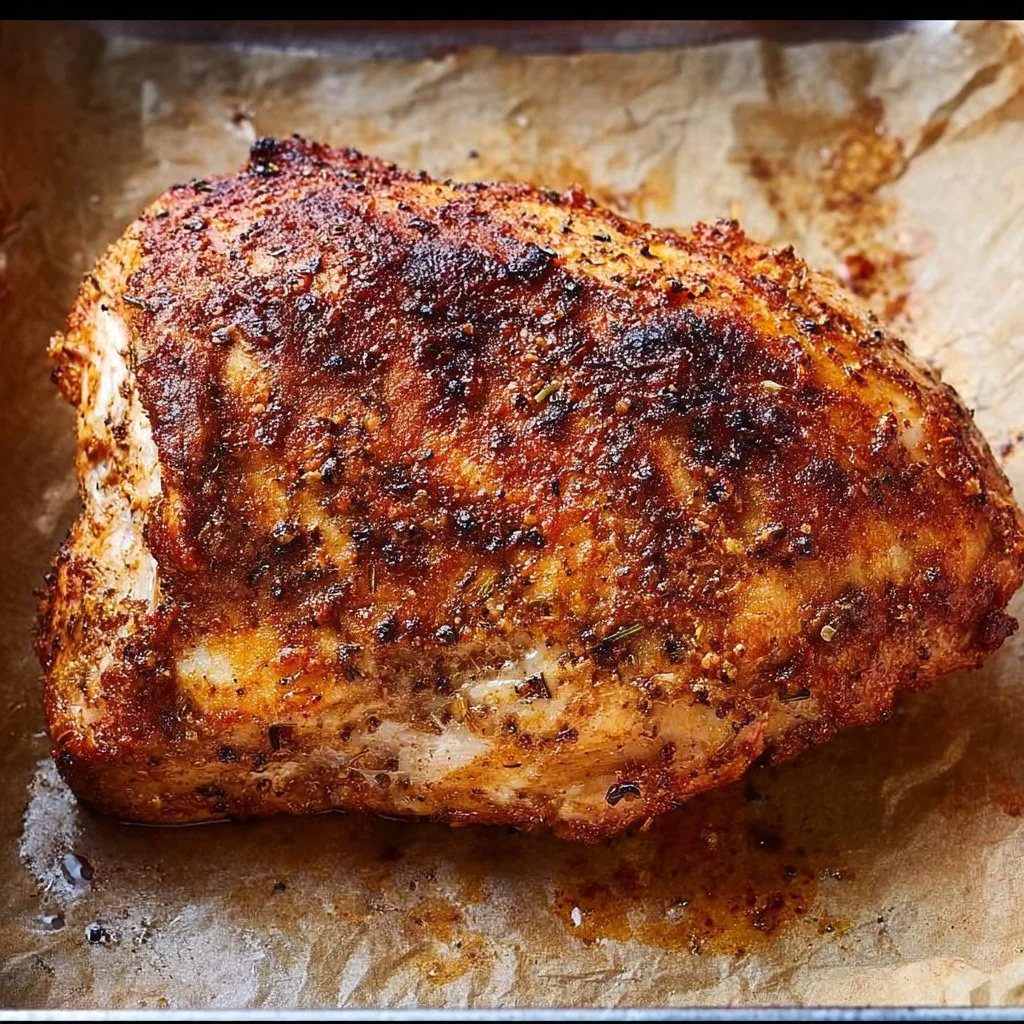
For timing inspiration with different cuts and bone-in pieces, check techniques used in recipes for oven-baked chicken thighs, which apply many of the same principles of heat and timing.
Storage, Freezing & Make-Ahead Tips
Storing leftovers
- Refrigerator: Cool cooked chicken to room temperature (no more than two hours at room temp), then transfer to an airtight container. Store in the fridge for up to 3–4 days. If you plan to serve sliced pieces cold on salads, store whole breasts and slice when ready to keep moisture in the meat.
- Labeling: Note the cooking date to rotate leftovers within safe windows.
Freezing
- Short-term freezing: Portion into meal-sized packages, wrap tightly in plastic wrap and foil or use freezer-safe containers. Properly sealed, cooked bone-in chicken can be frozen for up to 2–3 months with minimal quality loss.
- Thawing: Move the frozen portions to the refrigerator overnight to thaw gently. Avoid refreezing previously frozen cooked chicken unless you reheat it thoroughly and consume immediately.
Make-ahead strategies
- Marinate overnight: You can prep the seasoned oil rub and let chicken marinate up to 24 hours in the fridge (uncovered on a rack for the last 30 minutes prior to roasting to dry the skin).
- Par-cook and finish: Roast partially (to about 150°F) and chill. When ready to serve, reheat at 425°F for 8–12 minutes until internal temp hits 165°F for fresh-crisp skin. This is handy for dinner parties where you want to minimize last-minute work.
Reheating tips
- Oven: Reheat at 350°F (175°C) on a sheet for 10–15 minutes until warmed through; finish under the broiler for a minute or two to re-crisp skin if needed.
- Stovetop: Slice and pan-sear briefly with a bit of oil to revive surface texture.
- Microwave: Use only for slices and cover with a damp paper towel to avoid drying; microwaving whole bone-in breasts often leads to uneven reheating.
Portioning advice
- One bone-in breast typically serves one hungry adult (sometimes two if accompanied by sides). For family dinners, plan 1 chicken breast per person, and consider extra if you like leftovers for sandwiches or salads.
How to Use / Serve This Dish
Serving ideas
- Classic plate: Serve the roasted bone-in chicken breast with roasted root vegetables (carrots, parsnips, and potatoes) and a simple green salad for a balanced, seasonal meal. A pan sauce made from the roasting juices, a splash of white wine or chicken stock, and a pat of butter makes it feel restaurant-quality.
- Weeknight bowls: Slice the chicken and serve over rice or quinoa with sautéed greens and a lemon-garlic vinaigrette for a quick, nutritious bowl.
- Sandwiches and salads: Leftover roasted breast is excellent shredded for warm sandwiches with melted cheese or chopped into a cold chicken salad with celery and herbs.
- Comfort-focused: Pair with creamy mashed potatoes, gravy made from the drippings, and steamed green beans for a nostalgic meal.
Creative variations
- Mediterranean: Top with chopped olives, roasted tomatoes, and feta; serve with couscous or orzo.
- Asian-inspired: Brush with a miso-honey glaze during the last 10 minutes of cooking and finish with scallions and sesame seeds.
- Barbecue family-style: Offer a variety of sauces (mustard, vinegar, sweet) and serve with coleslaw and cornbread.
Want a boneless approach or a different technique? You can adapt the flavor profile and timing using ideas from Ina Garten’s boneless chicken breasts, which show how to keep lean, boneless cuts juicy and flavorful when you want quicker cooking.
FAQ
Q: Can I use boneless, skinless chicken breasts instead?
A: Yes — but cooking time will be shorter and the texture will differ. Boneless breasts typically roast at 425°F for 18–25 minutes depending on thickness. To keep them juicy, consider pounding to even thickness and using a quick sear before finishing in the oven, or use a simple pan sauce to add moisture.
Q: How do I know the chicken is fully cooked without a thermometer?
A: The safest and most reliable method is an instant-read thermometer reading 165°F (75°C) in the thickest part. If you don’t have one, check that juices run clear (not pink) when you pierce near the bone and that the meat is opaque. However, a thermometer removes guesswork and prevents overcooking.
Q: What are good substitutions for paprika, garlic powder, or onion powder?
A: Try smoked paprika, chili powder, or a mild curry powder for paprika swaps. For garlic/onion powders, minced fresh garlic and finely chopped shallot or onion are excellent; reduce quantities because fresh ingredients are more pungent. A pre-made poultry seasoning or herbes de Provence can also work in a pinch.
Q: My chicken skin isn’t crisping — what went wrong?
A: Common reasons include excess moisture on the skin, overcrowding on the tray, or oven temperature too low. Pat skin thoroughly dry, leave space between pieces, and roast at a high temperature (425°F). A final minute under the broiler can help, but watch closely to prevent burning.
Conclusion
Roasting bone-in chicken breasts is one of those evergreen, seasonal pleasures: it fills the house with warm, inviting aromas and produces a meal that feels both simple and special. Whether you’re feeding a family, prepping make-ahead dinners, or plating a cozy solo supper, this Best Oven Roasted Bone-In Chicken Breast recipe delivers crispy skin, juicy meat, and endless ways to pair flavors and sides. If you want to compare techniques or see alternative timing and tips from other cooks, I recommend reading the detailed method in Crispy Oven Roasted Chicken Breast – Craving Tasty and the flavor-forward approach in Roasted Bone-in Chicken Breast Recipe – Serious Eats. Give this recipe a try this week — and if you love it, share a photo or pass it on to a friend who could use an easy, comforting dinner idea.
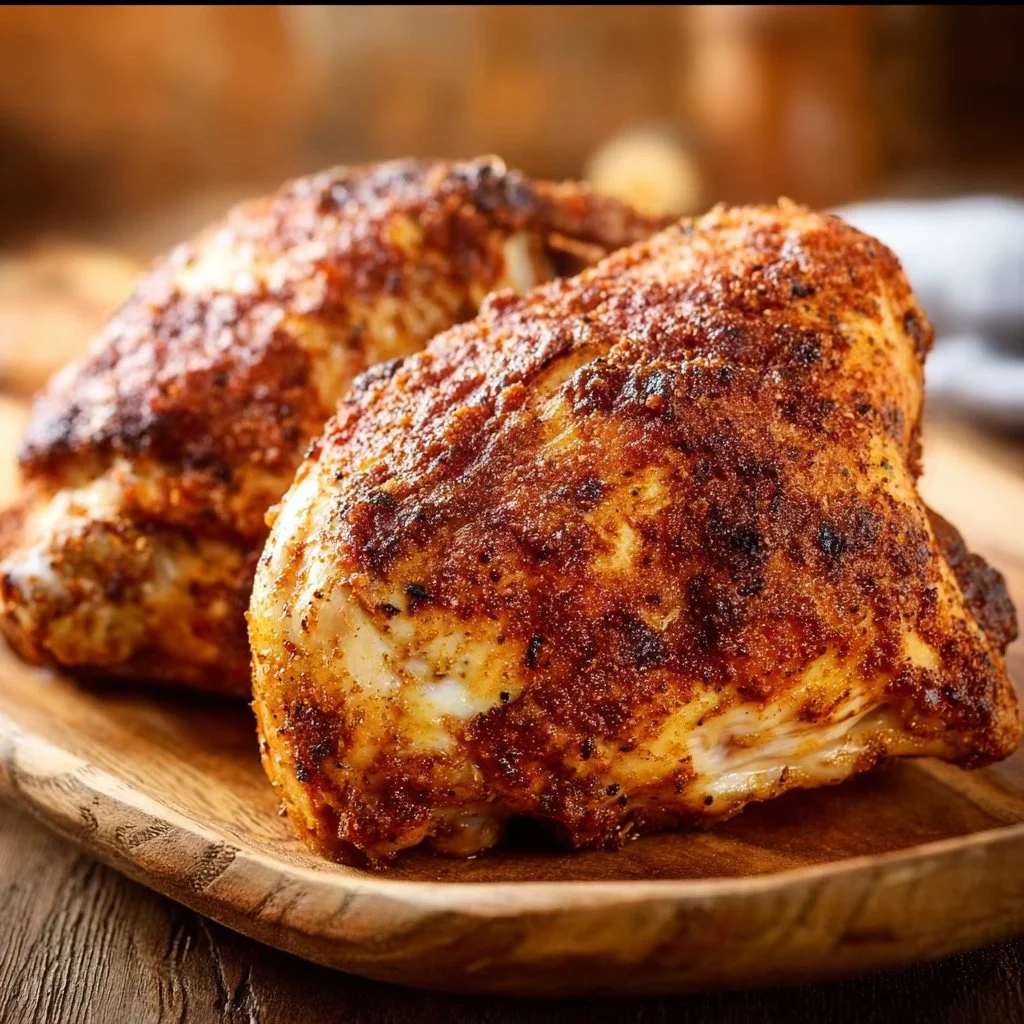
Oven Roasted Bone-In Chicken Breast
Ingredients
Method
- Preheat the oven to 425°F (220°C).
- Pat the chicken breasts dry with paper towels.
- In a small bowl, mix together the olive oil, garlic powder, onion powder, paprika, salt, and pepper.
- Rub the mixture all over the chicken breasts, including under the skin if possible.
- Place the chicken breasts on a baking sheet, skin-side up.
- Bake in the preheated oven for 30–35 minutes, or until the internal temperature reaches 165°F (75°C).
- Let the chicken rest for a few minutes before serving.
- Garnish with fresh herbs if desired.