There’s something quietly comforting about a simple, slightly jiggly dessert that feels nurturing without derailing a healthy plan. Easy Bariatric Gelatin Recipe for Weight Loss is exactly that kind of kitchen win — light, protein-friendly, and tailor-made for post-op or calorie-conscious days. With unflavored gelatin or collagen as the hero ingredient, this seasonal take uses warm herbal tea or citrusy water to add bright flavor for cooler evenings or sunny afternoons alike. If you’re exploring the gelatin trick for weight loss and want a gentle, homemade approach, this recipe is an approachable place to start and pairs beautifully with savory comfort meals like a hearty garlic parmesan meatloaf recipe for a balanced plate.
Ingredients & Equipment
Ingredients
- 2 tablespoons unflavored gelatin or collagen powder
- 1 cup cold water or bone broth
- 1 cup boiling water (or steeped herbal tea)
- 1 packet sugar-free flavored drink mix or herbal tea bag
- Optional: 1 tablespoon lemon juice
- Optional: 1 packet stevia
- Optional: 1/4 teaspoon vitamin C powder
Equipment
- Small mixing bowl or heatproof measuring cup
- Whisk or small handheld frother
- Glass dish, shallow baking tray, or silicone molds
- Measuring spoons and cups
- Refrigerator space for chilling
Helpful tools and notes
- A blender can be useful if you want an ultra-smooth, aerated texture or to add small soft fruit purees.
- Silicone molds are perfect for portion control — they pop out easily and look pretty on the plate.
- A thermometer isn’t necessary, but if you’re using bone broth or steeping delicate teas, keeping liquids under 200°F preserves flavor.
- If using collagen (hydrolyzed), remember it won’t gel as firmly as powdered gelatin; treat it more like a protein-enriched beverage unless you use a gelling agent.
Step-by-Step Instructions (with tips)
-
Bloom the gelatin or collagen
- Sprinkle 2 tablespoons of unflavored gelatin or collagen powder over 1 cup of cold water or cold bone broth in a small bowl.
- Let it sit undisturbed for about 5 minutes so the powder absorbs liquid and softens. This “blooming” step prevents lumps and helps a smoother final texture.
-
Prepare the hot liquid
- Boil 1 cup of water and pour it over a sugar-free flavored drink mix or steep an herbal tea bag in the hot water for 3–5 minutes, depending on the tea. If using bone broth, heat gently but avoid scorching.
- Tip: For a seasonal twist, use chamomile or cinnamon-spice tea in cooler months, and hibiscus or lemon verbena in warmer months.
-
Combine and dissolve
- Pour the hot liquid over the bloomed gelatin mixture. Stir thoroughly until completely dissolved and smooth — a whisk works great here. For the silkiest texture, use a small blender or handheld frother and blend for 10–15 seconds.
- Kitchen tip: If you’re adding lemon juice, stevia, or vitamin C powder, stir them in now and taste for sweetness. Stevia is potent; add a pinch, taste, then add more if needed.
-
Pour and set
- Pour the dissolved gelatin mixture into a shallow glass dish, silicone molds, or an ice cube tray for tiny, snack-sized portions. A shallow dish sets faster and gives classic gelatin squares to cut.
- Variation: For layered flavors, pour half the mixture, chill until slightly set (about 20–30 minutes), then add a different-flavored second layer and chill again.
-
Chill until firm
- Place the dish or molds in the refrigerator for 2–4 hours until fully set. Collagen-based jellies may set softer and need less chilling time; gelatin will firm up more distinctly.
- Tip: Avoid placing the gelatin near strong-smelling foods in the fridge so it doesn’t absorb aromas.
-
Serve or portion
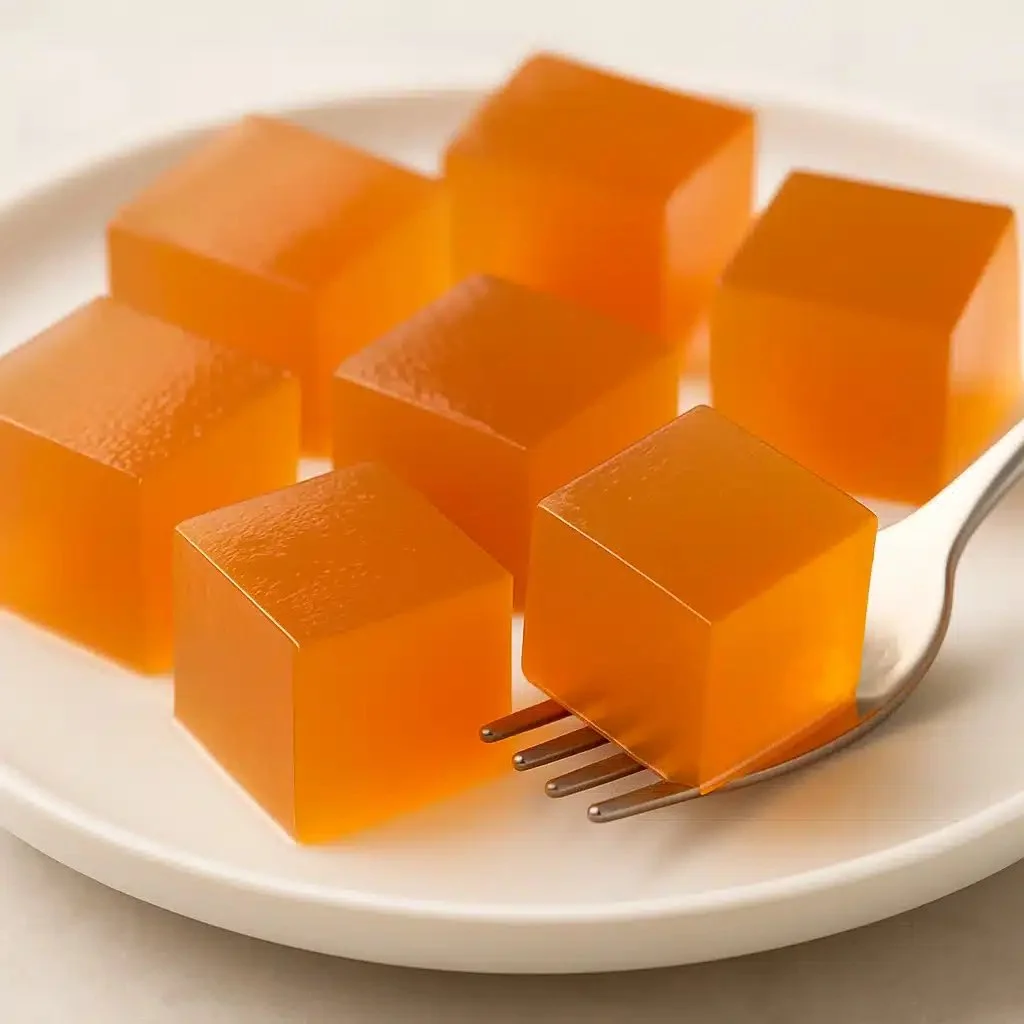
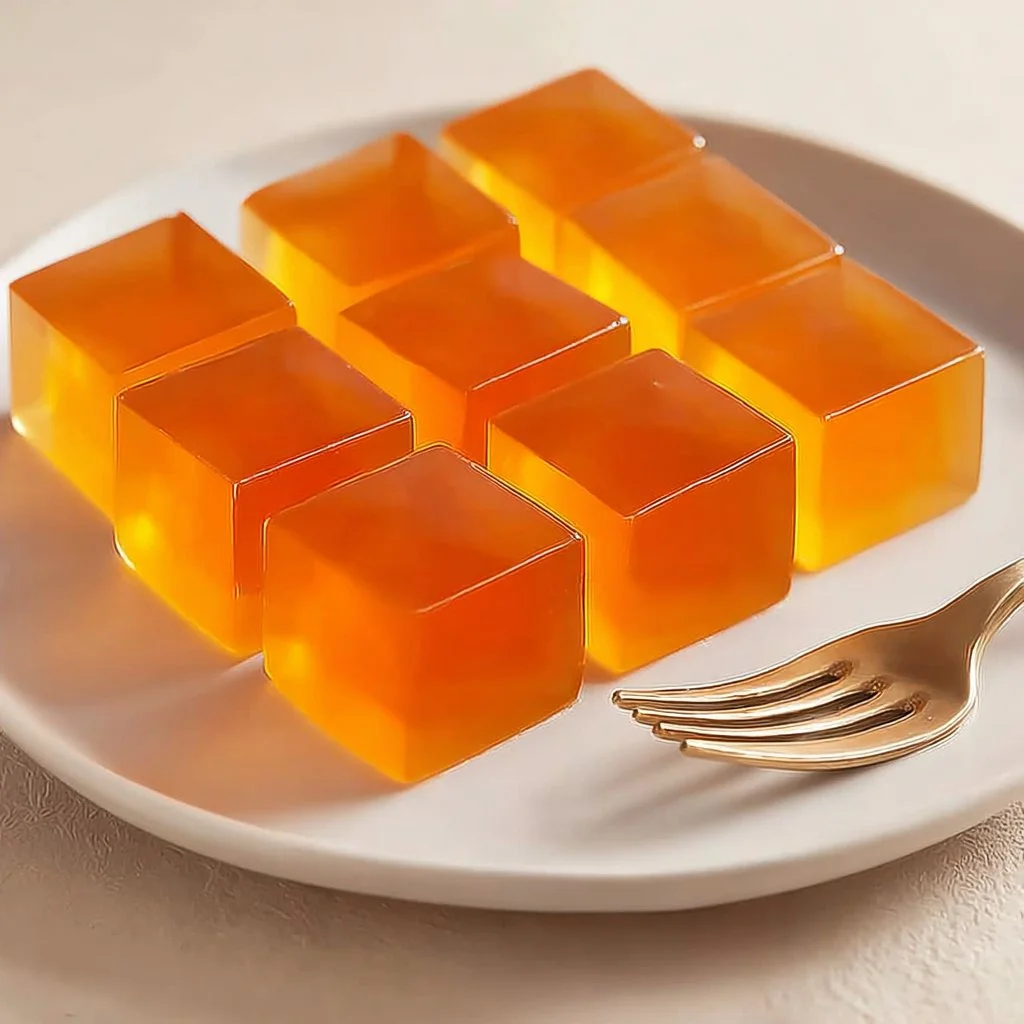
- Once set, unmold or cut into cubes. For a polished look, dip the bottom of a mold in warm water for a few seconds, then invert onto a plate.
- Enjoy as a protein-packed snack, a pre-meal palate cleanser, or a small dessert.
Variations and flavor suggestions
- Citrus ginger: Use green tea or lemon herbal tea with 1 tablespoon lemon juice and a pinch of grated ginger.
- Berry swirl: Puree a few soft berries, sweeten minimally with stevia, and swirl into half-set gelatin before chilling.
- Savory bone broth gel: Use concentrated bone broth and skip sweeteners for a savory, collagen-rich snack — great for sipping or cutting into cubes added to stews.
- Creamy cottage: Fold in a spoonful of Greek yogurt (full-fat or low-fat depending on tolerance) after the mixture cools slightly, then chill for a creamy texture.
Always remember: roasting isn’t relevant to gelatin setting, but if you prefer deeper flavors in your liquids (like using roasted bone broth), you can roast bones for broth before simmering — this is a preparatory step rather than an alternative to boiling.
Storage, Freezing & Make-Ahead Tips
Storing leftovers
- Refrigerator: Store gelatin in an airtight container for 4–7 days. If using collagen that doesn’t set as firmly, aim to finish within 3–4 days for best texture.
- Labeling: Date your containers to track freshness, especially if you’ve added fresh fruit or dairy.
Freezing
- Freezing gelatin is possible but changes the texture — gelatin can become grainy after thawing. If you do freeze, use silicone molds or portion cups and freeze for up to 1 month. Thaw in the refrigerator overnight.
- Use frozen gelatin cubes in smoothies or as chilled protein "ice" in cold drinks; they won’t fully regain original firmness but still add nutrition.
Make-ahead tips
- Portion into single-serve molds for grab-and-go snacks. This helps with portion control and makes it easy to track intake for weight loss plans.
- Prepare a large batch of flavored hot liquid (tea or bone broth) in advance; bloom gelatin quickly when you’re ready and pour into molds.
- If you plan to add delicate fresh fruits, add them to each mold before pouring the gelatin so they’re suspended attractively.
Portioning advice
- Aim for 1–2 small mold portions (about 1/2 cup combined) as a snack or dessert. Because this recipe is protein-forward, it can help with satiety between meals. If you’re tracking calories or macros, weigh portions or use measuring cups.
How to Use / Serve This Dish
Serving ideas
- After-surgery snack: Serve chilled in small portions to help meet protein goals without heavy chewing or digestive stress. A spoonful at a time can be soothing and manageable.
- Dessert alternative: Top with a few fresh berries or a sprig of mint for presentation without many added calories.
- Savory cubes: Cut bone broth gelatin into small cubes and add to salads as an unusual, collagen-rich garnish, or dissolve cubes into soups for an extra protein boost.
Pairings and creative variations
- Pair a citrus or berry gelatin with a small serving of low-fat cottage cheese or plain Greek yogurt for a balanced sweet-and-savoury plate.
- Enjoy a savory broth-based gel with roasted vegetables or a light, blended soup such as broccoli cheese soup (served on the side in small amounts) for a cozy, nutrient-dense meal.
- For family meals, turn part of your batch into mini dessert cups for kids by adding a small spoonful of homemade fruit puree and a few chocolate shavings (if permitted by your dietary plan).
Presentation tips
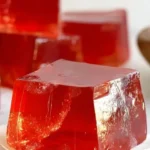
- Use clear glass dishes or transparent molds so the color shines through — a bright red hibiscus gelatin or golden lemon variety looks inviting.
- Garnish sparingly; a thin lemon wheel, a dusting of cinnamon, or a tiny mint leaf keeps the snack light and elegant.
For ideas on hearty, comforting main dishes that balance well with a light gelatin snack, try incorporating this gelatin into a meal plan that includes recipes like a satisfying Cowboy Casserole as an occasional companion.
FAQ
Q: Can I use collagen peptides instead of powdered gelatin?
A: Yes — collagen peptides are a fine substitute for added protein, but note they generally won’t set into a firm gel like traditional powdered gelatin. If you want a true gel, use unflavored gelatin. If a softer, drinkable or spoonable texture is fine, collagen works well and adds the same amino-acid benefits.
Q: How long does homemade gelatin last in the fridge?
A: Stored in an airtight container, gelatin made with traditional powdered gelatin lasts about 4–7 days. Collagen-based preparations that remain soft are best consumed within 3–4 days. If you see separation, off-odors, or mold, discard immediately.
Q: Can I add fruit to gelatin? Are there fruits that prevent setting?
A: Most fruits are fine, but fresh pineapple, kiwi, papaya, mango, and figs contain enzymes (bromelain, actinidin, papain) that break down gelatin and prevent it from setting unless those fruits are cooked. Use canned or cooked versions of these fruits, or avoid them. Berries, apples, pears, and citrus are generally safe.
Q: I’m on a strict post-bariatric diet — is this safe to eat?
A: Many bariatric patients find small portions of gelatin or collagen helpful because they are easy to swallow and can boost protein intake. However, follow your surgeon or dietitian’s guidance about timing, portion size, and ingredient choices (e.g., avoiding excess sugar or certain textures during early healing). For more context on the gelatin trick and weight loss, people often review multiple sources before incorporating it into their plan.
Tips for Success and Troubleshooting
- Lumpy gelatin? Make sure you allow the powder to bloom in cold liquid first and then pour hot liquid over it; stir immediately and thoroughly. A short blend helps eliminate lumps.
- Too firm? Reduce gelatin to 1.5 tablespoons next time or increase the liquid slightly.
- Not setting? If using collagen or if the recipe was altered to include lots of fruit or acidic ingredients, remember these changes can affect gelling. Use unflavored gelatin for a reliable set.
- Flavor dull? Stevia can help sweeten without sugar, but a teaspoon of fresh lemon or orange zest can brighten flavors naturally.
Conclusion
This Easy Bariatric Gelatin Recipe for Weight Loss brings together the cozy pleasure of a homemade treat with the practical benefits of added protein and gentle textures — perfect for seasonal shifts when you want something comforting but light. Whether you’re experimenting with savory bone-broth cubes in a cooler season or lemony tea gelatin in spring, this recipe adapts to your tastes and schedule. If you’d like to read a medical perspective on the gelatin trick and how people are using it today, consider this doctor-informed review on whether the technique helps with weight management in practice at Does the Bariatric Gelatin “Trick” Really Help With Weight Loss. For a roundup-style take on the viral recipes and how people incorporate gelatin in everyday life, this community article is a practical read: The Viral Gelatin Trick Recipe for Weight Loss.
If you try this recipe, I’d love to hear about your flavor twists or photos — share your results and help others feel encouraged to make something nourishing and homemade.
Bariatric Gelatin
Ingredients
Method
- Sprinkle 2 tablespoons of unflavored gelatin or collagen powder over 1 cup of cold water or bone broth in a small bowl. Let it sit undisturbed for about 5 minutes.
- Boil 1 cup of water. Pour it over the drink mix or steep an herbal tea bag in the hot water for 3-5 minutes.
- Pour the hot liquid over the bloomed gelatin mixture and stir thoroughly until completely dissolved. Use a whisk or a small blender for a smooth texture.
- If using lemon juice, stevia, or vitamin C powder, stir them in now.
- Pour the mixture into a shallow glass dish, silicone molds, or an ice cube tray. Allow it to chill in the refrigerator for 2-4 hours.
- Once set, unmold or cut into cubes. Serve as a snack, palate cleanser, or small dessert.