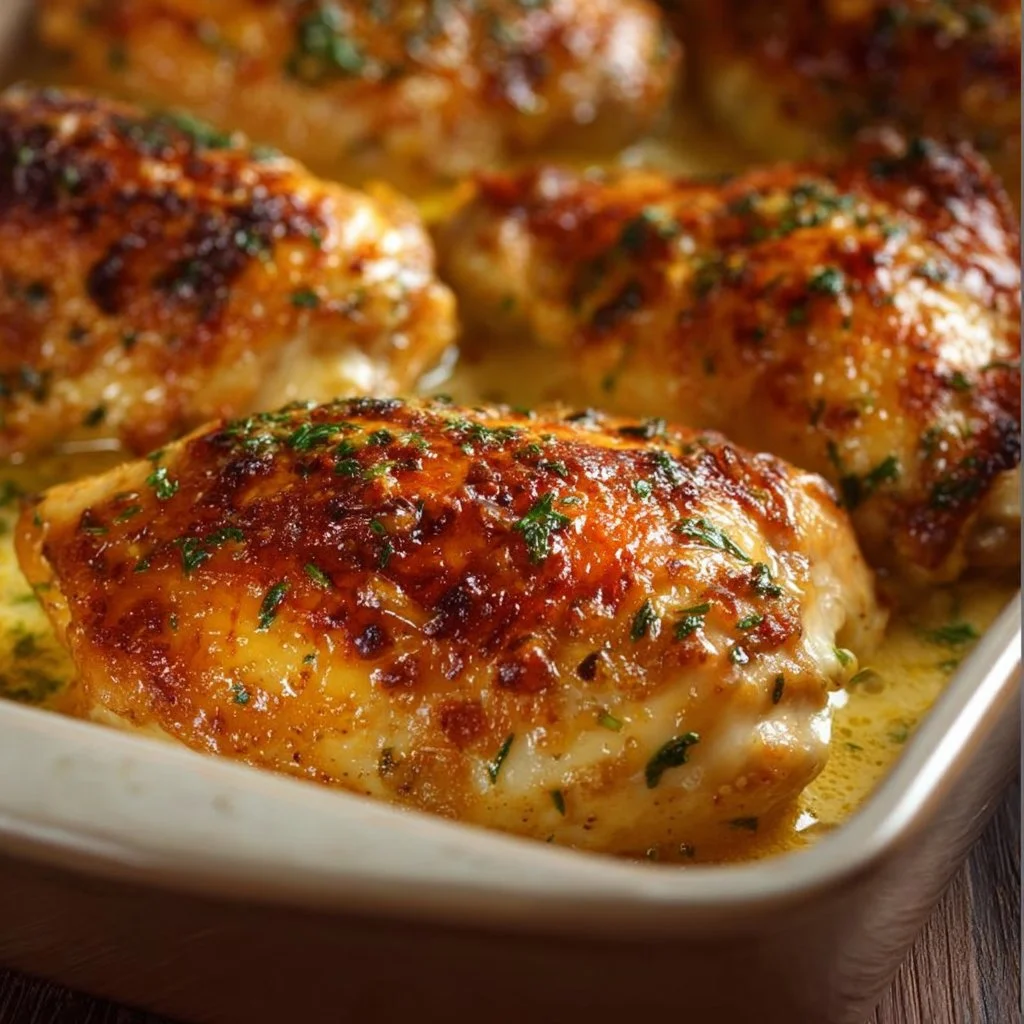
“Oven-Baked Juicy Chicken,” I said, holding a warm, fragrant piece straight from the baking dish, and my partner laughed because the kitchen smelled like comfort. I first learned this simple blend of olive oil, garlic powder, onion powder, paprika, salt, and pepper from my grandmother, who always prized a perfectly cooked chicken breast that stayed tender and never dried out. Tonight I used four chicken breasts, a couple of tablespoons of olive oil, and that familiar trio of seasonings to create a dish that feels both comforting and reliably impressive. If you want a solid, flexible main to build meals around, this is it, and it pairs beautifully with quick sides or Bang Bang Chicken Bowl flavors when you want a twist.
Why You’ll Love This Recipe
- Reliable results every time: this method focuses on simple temperature and timing so your chicken comes out moist and evenly cooked.
- Minimal, pantry-friendly ingredients: olive oil, garlic powder, onion powder, paprika, salt, and pepper create a classic, crowd-pleasing profile.
- Versatility: serve it sliced over salads, tucked into wraps, or alongside mashed potatoes for a cozy dinner.
- Emotional connection: the aroma of paprika and garlic often brings back family weeknight dinners and warm, easy conversations at the table.
- Easy weeknight hero: prep in minutes, bake while you relax, and serve a healthy, protein-forward main that feels homemade.
Ingredients Needed
- Four boneless, skinless chicken breasts – choose even-sized pieces for consistent cooking; if they vary, consider pounding gently to uniform thickness.
- 2 tablespoons good-quality extra virgin olive oil – enough to help the spices adhere and to lock in moisture.
- 1 teaspoon garlic powder – for warm, savory depth without the bite of fresh garlic.
- 1 teaspoon onion powder – adds a mellow, sweet-savory base note that complements the garlic.
- 1 teaspoon paprika – gives color and a mild, smoky-sweet flavor; use sweet or smoked paprika depending on preference.
- Salt and freshly ground black pepper – to taste; I recommend 1/2 to 1 teaspoon salt for the whole batch, adjusted for your saltiness preference and the saltiness of any sides.
Ingredients & Equipment Notes (Optional)
- Equipment: a medium mixing bowl, a baking dish large enough for the breasts to lie in a single layer, tongs or a silicone spatula for rubbing, an instant-read thermometer (highly recommended), and a cutting board for resting and slicing.
- Clarifications: If your chicken breasts are thick, you can butterfly or gently pound them to achieve 3/4 to 1 inch thickness for even roasting. Use a rimmed baking dish or shallow roasting pan to catch juices; porcelain or glass is fine for home use.
- Olive oil can be swapped for a neutral oil like avocado oil if you prefer a cleaner flavor, but the fruitiness of olive oil pairs nicely with paprika.
- Measurement tips: level teaspoons and tablespoons for accurate seasoning; store spices in a cool, dark place for best flavor.
Instructions – How to Make “Oven-Baked Juicy Chicken”
- Preheat your oven to 400°F (200°C).
- Why it matters: a hot oven develops a quick exterior seal that helps trap juices while cooking through without drying the interior.
- Visual cues: you should smell the slightest warmth in the air when you open the oven; the oven should be fully preheated before the chicken goes in.
- Mini tip: position the oven rack in the middle of the oven for even heat circulation.
- In a bowl, mix olive oil, garlic powder, onion powder, paprika, salt, and pepper.
- Why it matters: combining the oil and spices creates a uniform rub that coats each breast, delivering consistent flavor.
- Visual cues: the mixture should be a slightly glossy paste with visible red flecks of paprika and light granules of seasonings.
- Mini tip: whisk briefly or stir with a fork to ensure there are no clumps of spices.
- Rub the mixture all over the chicken breasts.
- Why it matters: full coverage ensures every bite is seasoned and the oil helps the heat conduct through the exterior gently.
- Visual cues: each breast should have an even reddish coating; if the rub beads up or pools, you used too much oil.
- Mini tip: use your hands for the best coverage; press seasonings into crevices and the thicker side of any uneven breast to encourage even cooking.
- Place the chicken in a baking dish.
- Why it matters: arranging the pieces in a single layer allows even air exposure; overcrowding traps steam and can make the surface soggy.
- Visual cues: the pieces should sit without touching and with a little room around each for air to circulate.
- Mini tip: line the dish with parchment for easier cleanup and to prevent sticking if your chicken has a lean surface.
- Bake for 25-30 minutes or until the chicken is cooked through and juices run clear.
- Why it matters: timing keeps things easy, but the internal temperature is the most reliable doneness indicator.
- Visual cues: the top will be set with lightly deepened color from the paprika; juices should appear clear when you prick the thickest part.
- Mini tip: use an instant-read thermometer inserted into the thickest part of the breast – 165°F (74°C) is the safe temperature, but pulling at 160°F (71°C) and letting it rest will often yield juicier results as carryover heat finishes cooking.
- Let it rest for a few minutes before slicing and serve.
- Why it matters: resting allows juices to redistribute through the meat instead of leaking out onto the cutting board.
- Visual cues: the surface will be slightly firm but not rock hard, and the juices pooling will lessen as the meat relaxes.
- Mini tip: tent loosely with foil for 5-7 minutes; then slice against the grain for the most tender bites.
- Serving suggestion while warm.
- Why it matters: slicing while warm gives you a glossy cross section and keeps moisture; chilling first changes texture.
- Visual cues: sliced meat should look moist with small beads of juice on the surface.
- Mini tip: if you plan to use slices in sandwiches or salads, slice thinner for better integration with other textures.
- Troubleshooting step – if the chicken seems dry.
- Why it matters: understanding causes helps you avoid repeating the problem.
- Visual cues: dryness is apparent in a mealy interior and lack of juice on the plate.
- Mini tip: next time, check temperature earlier, reduce oven time slightly, or brine briefly (see Helpful Notes for brining options).
Serving Suggestions & Storage Tips
Serving ideas
- Classic plate: serve the sliced chicken breasts with roasted seasonal vegetables and a scoop of mashed potatoes or creamy polenta for a cozy dinner.
- On a salad: slice thinly and lay over crisp romaine, cherry tomatoes, cucumber, avocado, and a lemony vinaigrette for a bright lunch.
- Sandwiches and wraps: layer slices with lettuce, tomato, and a smear of yogurt-based sauce or pesto on crusty bread or a whole grain wrap.
- Family-friendly bowl: pair with rice, steamed broccoli, and a drizzle of a light garlic-yogurt sauce for fast weeknight meals.
Pairings
- Vegetables: roasted Brussels sprouts, honey-glazed carrots, or a simple steamed green bean almondine complement the savory, slightly smoky notes of paprika.
- Grains: short-grain rice, farro, or quinoa soak up the pan juices nicely.
- Sauces: a quick pan jus made from the baking dish drippings and a splash of chicken stock (no alcohol) reduces into a glossy sauce, or choose plain Greek yogurt mixed with lemon and herbs for a cooling contrast.
Storage
- Refrigerate: cool the chicken completely, then store in an airtight container for up to 3 to 4 days.
- Freeze: slice or leave whole, wrap tightly, and freeze for up to 3 months; thaw overnight in the refrigerator before reheating.
- Label: date containers to keep track of freshness.
Reheating
- Oven: reheat at 300°F (150°C) covered with foil until warmed through – this helps maintain moisture.
- Stovetop: slice thinly and warm gently in a skillet with a splash of broth or water, covered for a few minutes.
- Microwave: use short intervals and cover with a damp paper towel to retain steam; not ideal for retaining the best texture but convenient for lunches.
- Mini tip: add a splash of chicken stock or a pat of butter when reheating to boost moisture and flavor.
While the chicken shines on its own, you can build entire menus around it. If you enjoy richly sauced, comforting combinations, try pairing it with a baked mac and cheese riff like this BBQ Chicken Mac and Cheese for a fun family-style meal.
Helpful Notes & Variations
Substitutions
- Oil swap: if you do not have olive oil, a neutral oil like avocado or vegetable oil works, though the flavor will be slightly different.
- Seasoning swaps: replace paprika with smoked paprika for deeper smoky flavor, or add 1/2 teaspoon of dried oregano or thyme for an herby twist.
- Salt adjustments: if your household prefers lower sodium, reduce salt to 1/2 teaspoon and adjust after a taste.
Dietary adaptations
- Gluten-free: naturally gluten-free as written; ensure any sides or store-bought spice blends are labeled gluten-free.
- Dairy-free: the recipe is dairy-free; add dairy-based sides only if desired.
- Low-sodium: cut back on salt and add brightness with lemon juice or fresh herbs to compensate.
Flavor add-ins
- Citrus lift: a teaspoon of lemon zest in the rub brightens the overall flavor without changing cooking behavior.
- Herb crust: combine chopped fresh parsley, rosemary, or thyme with the seasoning mix for a fresher profile.
- Heat: add 1/4 to 1/2 teaspoon crushed red pepper or cayenne for subtle warmth.
Common mistakes and how to avoid them
- Overcooking: the most common issue is leaving chicken in too long; always check with an instant-read thermometer and consider pulling a touch early to rest.
- Uneven thickness: thick and thin pieces cook unevenly – pound to uniform thickness or separate thick ends to reduce overcooking.
- Crowding the pan: too many breasts touching will steam rather than roast; use a larger dish or bake in two batches.
- Skipping rest: slicing immediately causes juices to spill onto the plate and leaves the meat drier.
Try a comforting, smothered variation by slicing the cooked breasts and pouring a warm mushroom or onion gravy over them. If you want a saucier, cozier style reminiscent of slow-cooked dinners, this technique pairs wonderfully with the flavors in the Best Smothered Chicken and Rice family-style dishes.
Conclusion
This Oven-Baked Juicy Chicken stands out because it blends simplicity with consistent technique to deliver moist, flavorful results every time. A short list of pantry staples becomes the foundation for countless meals, from quick weeknight salads to more elaborate family dinners. The method is forgiving, easily adaptable for dietary needs, and scales well whether you are cooking for two or a crowd. If you want more baked chicken inspiration and tips, check out this excellent step-by-step guide at Baked Chicken Breast | Gimme Some Oven. For another trusted oven-baked technique with detailed timing and temperature insights, see Oven Baked Chicken Breast – RecipeTin Eats. And if you enjoy a truly juicy result with extra tips for keeping breasts tender, this write-up is also helpful: Juicy Oven-Baked Chicken Breasts | Cravings Journal. Ready to bake? Gather your breasts, preheat, and enjoy a home-cooked meal that feels like a warm hug.
Frequently Asked Questions
Can I make this recipe ahead of time?
Yes, you can prepare parts of this recipe ahead of time. Season the chicken and store it in the refrigerator, covered, for up to 24 hours before baking; this can actually deepen the flavor as the spices permeate the meat. If you want to cook ahead, fully baked chicken keeps well for 3 to 4 days refrigerated. For gatherings, bake the chicken earlier in the day and gently reheat before serving – low oven heat or a light stovetop rewarm with a splash of broth works best to preserve moisture.
How should I store leftovers and how long do they last?
Store leftover baked chicken in an airtight container in the refrigerator within two hours of cooking. Sliced or whole breasts will last 3 to 4 days refrigerated. If you want to freeze leftovers, wrap them tightly or place in a freezer-safe container for up to 3 months. Thaw frozen portions overnight in the refrigerator before reheating. Proper storage reduces bacterial risk and helps preserve texture.
What is the best way to reheat or serve this recipe after storage?
To retain the best texture, reheat in a low oven at roughly 300°F (150°C) covered with foil, adding a tablespoon or two of chicken stock or water to create gentle steam and prevent drying. For quicker reheats, slice thinly and warm in a skillet with a splash of stock for a minute or two per side. In the microwave, use short bursts and cover with a damp paper towel to keep moisture; avoid overheating. Alternatively, serve leftover chicken cold atop salads, in sandwiches, or reheated and tossed into warm grain bowls.
Can I adjust or substitute ingredients to fit my preferences?
Absolutely. The recipe is designed to be a flexible template. Swap olive oil for avocado oil if you prefer a neutral taste, change paprika to smoked paprika for a deeper flavor, or add herbs like thyme or rosemary for an aromatic lift. For a brinier, juicier result, a quick 30-minute salt brine (1 tablespoon salt per 2 cups water) can help; rinse and pat dry before applying the rub. If you need lower sodium, reduce the salt and add acid or fresh herbs to brighten the flavor.
Do you have tips to ensure the best texture and flavor every time?
Yes. Key tips include:
- Use an instant-read thermometer to avoid guessing; aim for 160-165°F depending on whether you prefer to rely on carryover cooking.
- Pound or butterfly uneven breasts so they cook evenly.
- Allow a 5 to 7 minute rest after baking so juices redistribute.
- Avoid overcrowding the pan so the surface roasts rather than steams.
- Consider a brief brine for extra moisture, and use a small amount of oil in the rub to help heat conduction and browning.
- Season generously but taste and adjust the next time based on your preferences – subtle increases in paprika or a squeeze of lemon at the end can make a big difference in perception of flavor.
Enjoy the warm, homey feeling this simple oven method brings to your table.
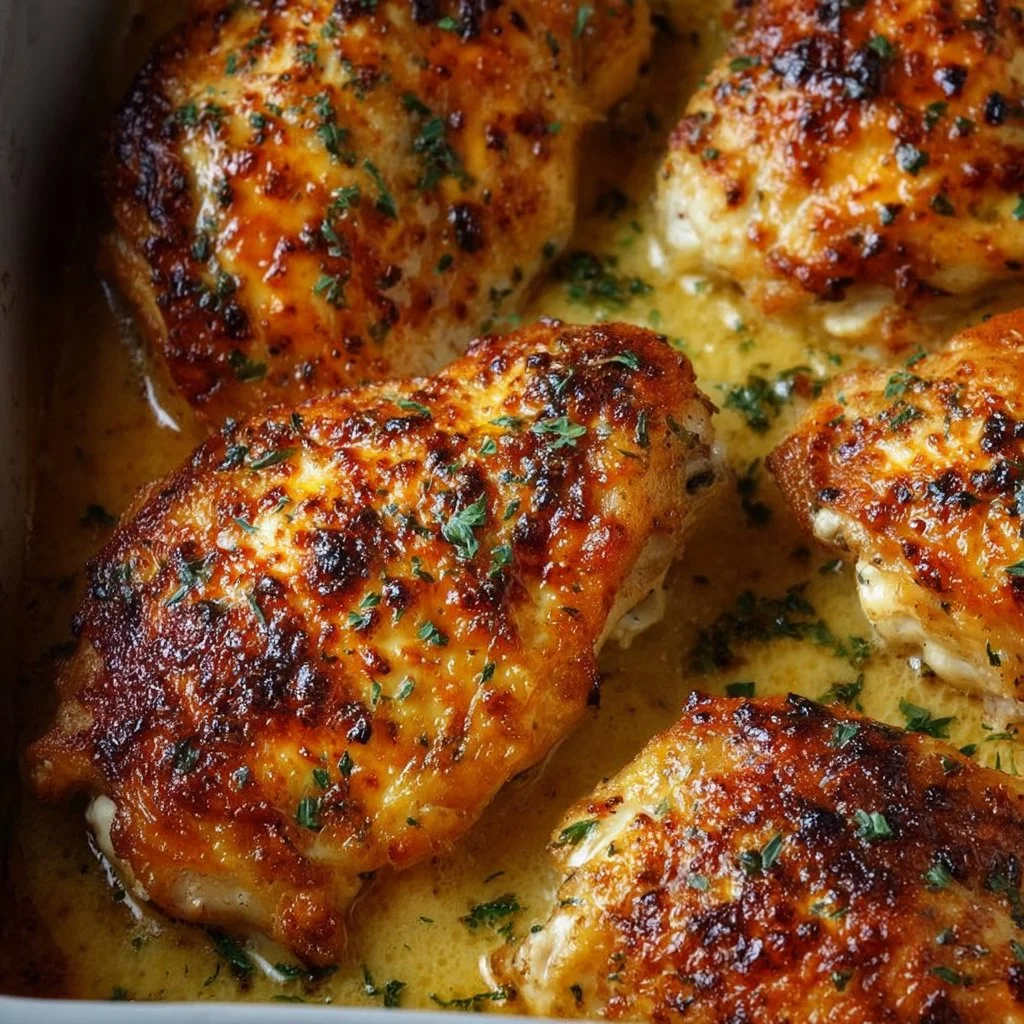
Oven-Baked Juicy Chicken
Ingredients
Method
- Preheat your oven to 400°F (200°C).
- In a bowl, mix olive oil, garlic powder, onion powder, paprika, salt, and pepper into a glossy paste.
- Rub the mixture all over the chicken breasts for even coverage.
- Place the chicken in a baking dish in a single layer.
- Bake for 25-30 minutes or until the chicken is cooked through and juices run clear. Use an instant-read thermometer to check for doneness (165°F/74°C).
- Let the chicken rest for a few minutes before slicing to allow juices to redistribute.
- Serve the sliced chicken warm with your choice of sides or in salads, wraps, and sandwiches.