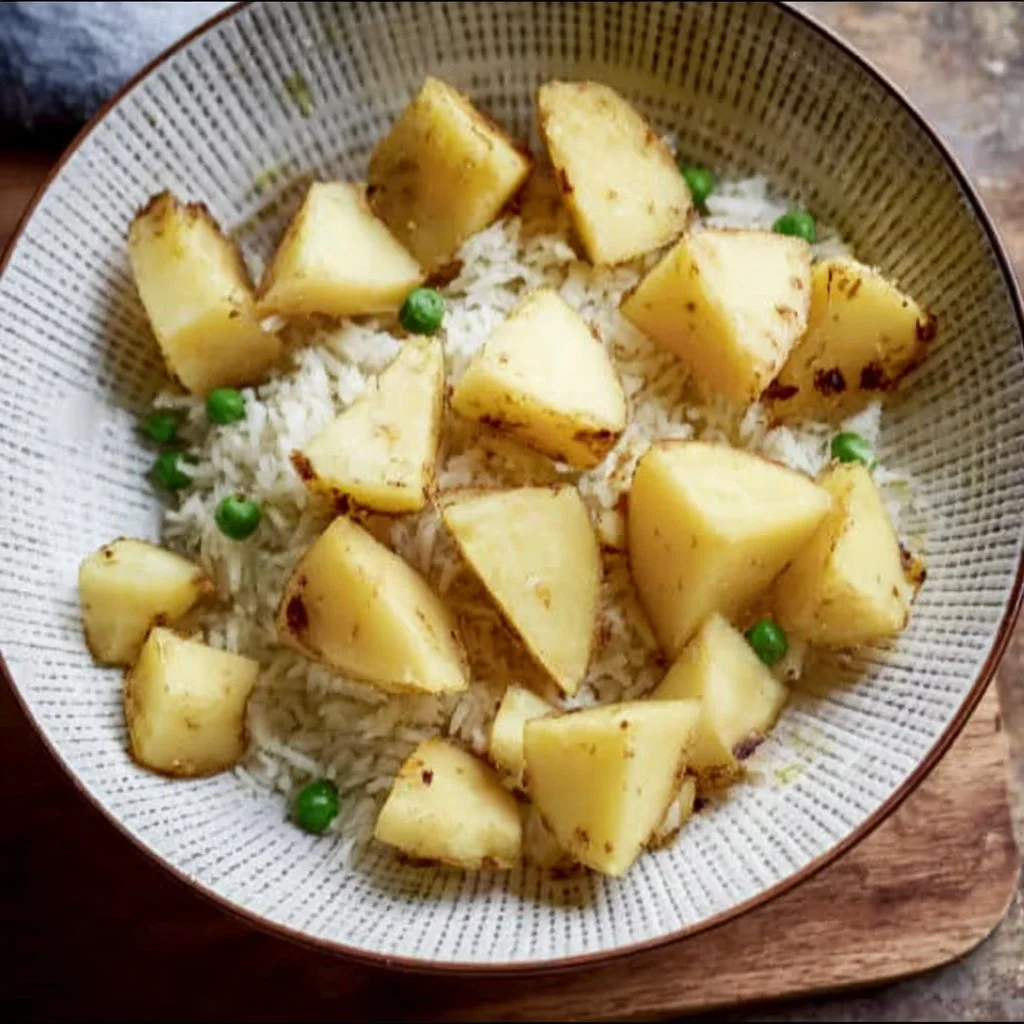
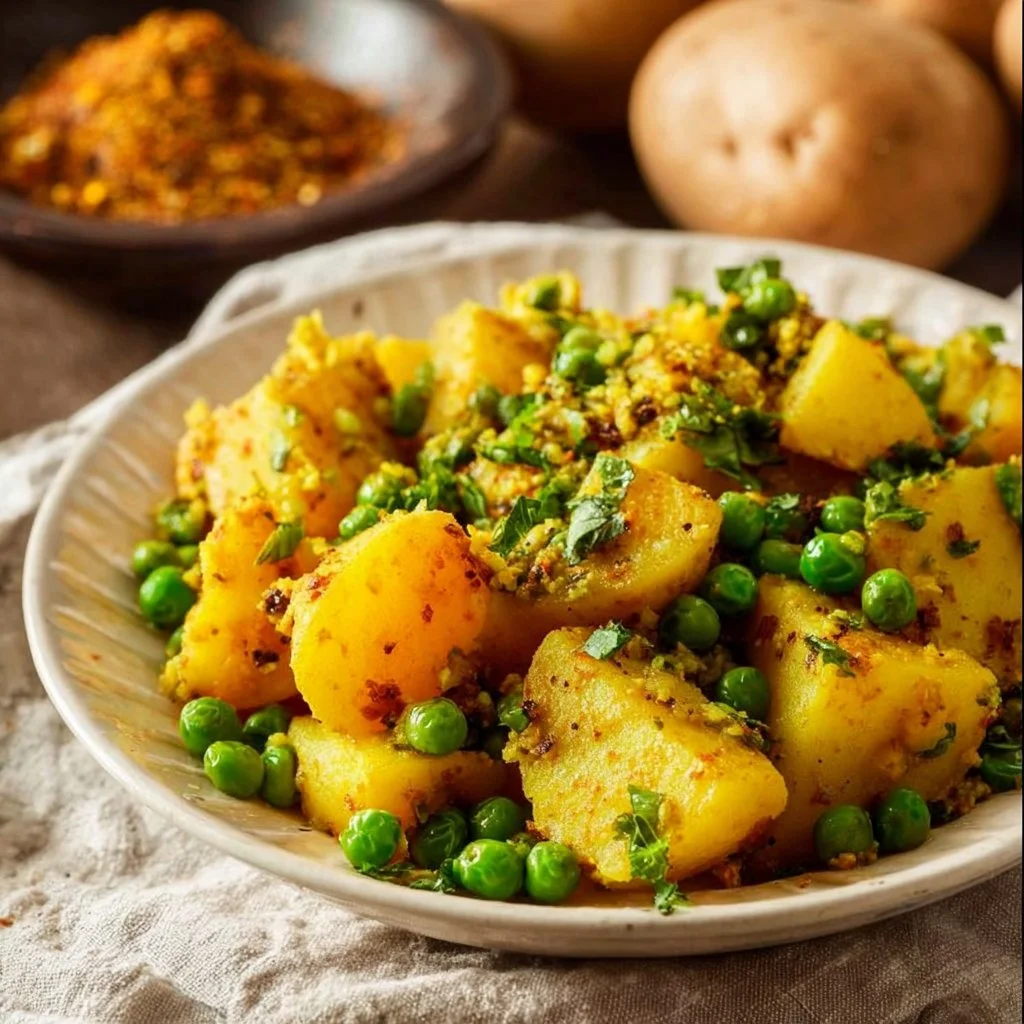
There’s something deeply comforting about a steaming bowl of potatoes and peas — simple, humble ingredients that taste like home. This "Pin by Caroline on Rice and Potato sides | Potatoes and peas recipe, Indian food recipes, Peas recipe Indian" is a seasonal twist on classic aloo matar: bright green peas, tender potatoes, and warm Indian spices finished into a bowl-perfect side or weeknight main. Fresh spring peas add a sweet pop, while frozen peas make this a pantry-friendly dish year-round. If you’re pairing it with rice or looking for a cozy side, it’s a natural fit — and for a sweet finish after this savory meal, I sometimes browse easy summer desserts like this strawberry dessert recipes for summer to keep the menu seasonal.
Why this recipe works
- Seasonal appeal: fresh English peas in spring are at their sweetest, but frozen peas hold flavor and texture beautifully off-season.
- Pantry-friendly: potatoes, a few spices, and aromatics make this accessible and economical.
- Flexible: it can be a saucy curry for rice, a drier side for flatbreads, or the base for a comforting one-pot meal with protein.
- Comfort factor: warm spices, soft potatoes, and sweet peas create a nostalgic, homey flavor profile.
Ingredients & Equipment
Ingredients (serves 4):
- 1 lb (450 g) potatoes (Yukon Gold or russet), peeled and cut into 1-inch cubes
- 1 cup fresh or frozen green peas
- 1 medium onion, finely chopped
- 2 medium tomatoes, chopped (or 1 cup canned crushed tomatoes)
- 1–2 green chiles, slit (optional)
- 1-inch piece ginger, grated or 1 tsp ginger paste
- 3 cloves garlic, minced or 1 tsp garlic paste
- 2 tbsp vegetable oil or ghee
- 1 tsp cumin seeds
- 1 bay leaf (optional)
- 1/2 tsp turmeric powder
- 1 tsp ground coriander
- 1/2 tsp garam masala
- 1/2–1 tsp red chili powder (adjust to taste)
- Salt to taste (about 1–1.5 tsp)
- 1/2 cup water (more for a saucier curry)
- Fresh cilantro, chopped, for garnish
- Lemon wedges to serve
Optional/variations:
- 1/4 cup coconut milk for a creamier finish
- 1/2 tsp amchur (mango powder) or a squeeze of lemon for brightness
- A handful of frozen spinach or fenugreek leaves for added greens
Equipment:
- Heavy-bottomed skillet or Dutch oven (essential for even cooking)
- Wooden spoon or spatula
- Knife and cutting board
- Measuring spoons and cups
- Peeler (for potatoes)
- Optional: blender or immersion blender (if you prefer a smoother tomato-onion base)
- Optional: pressure cooker or Instant Pot (for faster potato cooking)
- Optional: heavy baking tray if you want to roast potatoes instead of boiling
Notes:
- Choose potatoes that hold their shape if you want distinct chunks; starchy potatoes are better if you like a creamier texture.
- Fresh peas need only a short cook; if using frozen, add them straight from the freezer.
Step-by-Step Instructions (with tips)
-
Prep the potatoes:
- Wash, peel (optional), and cut potatoes into 1-inch cubes. If you’re short on time, leave the skins on for extra texture and nutrients.
- Tip: To prevent browning, place cut potatoes in cold water for up to 30 minutes and drain before cooking.
-
Par-cook the potatoes (two options):
- Boiling: Cover potatoes with cold salted water, bring to a simmer, and cook 5–8 minutes until just tender but not falling apart. Drain.
- Roasting (for extra flavor and texture): Toss potato cubes with 1 tbsp oil, a pinch of salt, and roast at 425°F (220°C) for 20–25 minutes until golden and slightly crisp.
- Variation note: Roasted potatoes create a drier, more textured dish; boiled potatoes make a softer, more traditional curry.
-
Make the masala base:
- Heat 2 tbsp oil or ghee in a heavy-bottomed skillet over medium heat. When hot, add 1 tsp cumin seeds and a bay leaf; let them sizzle for 10–15 seconds.
- Add chopped onions and a pinch of salt. Sauté until onions are soft and golden (8–10 minutes).
- Add ginger and garlic; sauté 30–60 seconds until fragrant.
- Add green chiles if using.
-
Add spices and tomatoes:
- Stir in turmeric, ground coriander, red chili powder, and a little salt. Toast spices for 20–30 seconds to bloom their flavors.
- Add chopped tomatoes and a splash of water. Cook until tomatoes break down and oil begins to separate from the masala (6–8 minutes).
- Tip: If you prefer a smoother texture, blitz the onion-tomato mix in a blender before returning to the pan.
-
Combine potatoes and peas:
- Add the par-cooked or roasted potatoes to the pan. Gently toss to coat with the masala.
- Add 1/2 cup water (add more for a saucier curry). Simmer for 5–10 minutes so flavors meld and potatoes finish cooking.
- Add peas in the last 3–4 minutes (fresh peas) or 5–6 minutes (frozen). Stir gently to avoid breaking the potatoes.
-
Finish and season:
- Stir in garam masala and a splash of lemon juice or 1/4 tsp amchur if using. Adjust salt and spice as needed.
- Add a swirl of coconut milk at the end for a creamy touch, or finish with a knob of butter for extra richness.
- Garnish with chopped cilantro and serve hot.
-
Serving tips:
- For a saucy version, keep water at 3/4 cup total; for a drier side, use less water or roast potatoes beforehand.
- For protein: add cubed paneer, tofu, or browned chickpeas toward the end.
- Tip: If the curry tastes a bit flat, a small pinch of sugar or a squeeze of lemon brightens it up.
Storage, Freezing & Make-Ahead Tips
- Refrigerator: Store cooled leftovers in an airtight container for up to 3–4 days. Reheat gently on the stove with a splash of water to loosen the sauce, or microwave covered.
- Freezing: Potatoes can change texture when frozen, but this curry freezes reasonably well if potatoes were cooked firm (roasted works best). Freeze in portioned airtight containers for up to 2 months. Thaw in the refrigerator overnight and reheat slowly.
- Make-ahead: Prepare the masala (onion-tomato base) 2–3 days ahead and keep refrigerated. Reheat and add freshly cooked potatoes and peas when ready to serve. Alternatively, boil potatoes a day ahead, refrigerate, and add to the curry the next day for time-saving assembly.
- Portioning: Freeze in single-meal portions for easy lunches. If you plan to freeze, slightly undercook vegetables so they don’t become mushy after reheating.
- Safety tip: Cool food quickly (within 2 hours) before refrigerating. Reheat to at least 165°F (74°C) if using a thermometer.
How to Use / Serve This Dish
- With rice: Serve over fluffy basmati or jasmine rice for a classic pairing. For an earthy combo, try brown rice or a fragrant pilaf.
- With bread: Great alongside warm rotis, naan, or parathas. Spoon the curry into flatbread for a quick wrap.
- As part of a meal: Pair with a cooling raita or cucumber salad, and a tangy lentil dal for balance.
- Make it a one-pot meal: Add a cup of dried lentils or canned chickpeas and 1 cup extra water; simmer until everything is tender for an all-in-one dinner.
- Use as a filling: Cool slightly and stuff into tacos, samosas, or hand pies. Add crumbled feta or paneer for a fusion twist.
- Pairing suggestions: Serve with roasted or grilled proteins — try a smoky chicken or fish. If you love bold flavors, this dish pairs well with spicy mains like a Cajun-inspired dish: check out this flavorful Cajun chicken and rice for a contrasting main course. For a cozy comfort plate, these chipotle honey chicken thighs with smoked gouda mashed potatoes are a fun, smoky companion if you’re serving a non-vegetarian spread.
Tips, Variations & Flavor Suggestions
- Make it tangy: Add a handful of tamarind or a teaspoon of amchur for a tart edge.
- Make it smoky: Finish with a quick dhungar (smoke infusion) by heating a small piece of charcoal until red hot, placing it in a bowl in the pan, adding a teaspoon of ghee, and covering for 2 minutes.
- Add greens: Stir in baby spinach or chopped fenugreek leaves (methi) at the end for color and nutrition.
- Make it vegan: Use oil instead of ghee and coconut milk or cashew cream for richness.
- Increase heat: Fry whole dried chilies with cumin, or add cayenne/red chili to taste.
Internal recipe pairing note: If you’re looking for hearty mains to serve alongside, a classic smothered chicken and rice makes an indulgent combo — I often turn to this best smothered chicken and rice recipe when I want something saucy and soul-satisfying.
FAQ
Q: Can I use frozen peas, and do I need to thaw them first?
A: Yes — frozen peas work wonderfully and are convenient year-round. No need to thaw; add them directly to the simmering curry in the last few minutes. They’ll cook quickly and retain texture.
Q: My potatoes fall apart when cooking. How do I prevent that?
A: Use firmer potatoes (Yukon Gold or red potatoes) and avoid overcooking. If boiling, par-cook until just tender. Roasting first helps them hold shape. Stir gently after adding potatoes to the masala to prevent breaking.
Q: Can this be made spicy or mild for kids?
A: Absolutely. Reduce or omit green chiles and red chili powder for a milder version, and add a little paprika for color without heat. For spice lovers, increase chili powder, add a chopped green chile, or finish with a hot spoonful of chili oil.
Q: What are good substitutions for tomatoes?
A: If fresh tomatoes are out of season, canned crushed tomatoes work great. For a less acidic base, use roasted bell pepper puree or a blend of caramelized onions and a splash of vinegar for brightness.
Conclusion
This seasonal potatoes and peas recipe captures the warmth of home cooking — tender potatoes, sweet peas, and a lightly spiced tomato-onion base that feels both comforting and bright. It’s versatile enough to serve over rice, spoon into warm flatbreads, or be dressed up as part of a larger, heartier menu. If you enjoyed this aloo matar-style dish, you might also love a sweeter, vegetable-forward curry like the Sweet Potato, Red Lentil, and Green Pea Curry for another plant-rich weeknight option. For a seafood twist or to explore different curry bases, take inspiration from this vibrant Shrimp and Sweet Potato Red Curry or the creamy coconut notes in this Thai Coconut Shrimp Curry Recipe. I hope this recipe brings a cozy, seasonal moment to your table — try it this week and share how you made it your own!
Aloo Matar
Ingredients
Method
- Wash, peel (optional), and cut potatoes into 1-inch cubes. To prevent browning, place cut potatoes in cold water for up to 30 minutes and drain before cooking.
- Boiling: Cover potatoes with cold salted water, bring to a simmer, and cook for 5–8 minutes until just tender but not falling apart. Drain.
- Roasting: Toss potato cubes with 1 tbsp oil, a pinch of salt, and roast at 425°F (220°C) for 20–25 minutes until golden and slightly crisp.
- Heat 2 tbsp oil or ghee in a heavy-bottomed skillet over medium heat. Add 1 tsp cumin seeds and a bay leaf; let them sizzle for 10–15 seconds.
- Add chopped onions and a pinch of salt. Sauté until onions are soft and golden (8–10 minutes).
- Add ginger and garlic; sauté for 30–60 seconds until fragrant.
- Add green chiles if using.
- Stir in turmeric, ground coriander, red chili powder, and a little salt. Toast spices for 20–30 seconds.
- Add chopped tomatoes and a splash of water. Cook until tomatoes break down and oil begins to separate from the masala (6–8 minutes).
- Add the par-cooked or roasted potatoes to the pan. Gently toss to coat with the masala.
- Add 1/2 cup water (more for a saucier curry). Simmer for 5–10 minutes so flavors meld and potatoes finish cooking.
- Add peas in the last 3–4 minutes (fresh peas) or 5–6 minutes (frozen). Stir gently to avoid breaking the potatoes.
- Stir in garam masala and a splash of lemon juice or 1/4 tsp amchur if using. Adjust salt and spice as needed.
- Garnish with chopped cilantro and serve hot.