Pin by Bloody Wolf on 80’s candy in 2026 | Quick homemade seafoam candy recipe There’s something utterly comforting about whipping up a candy that tastes like childhood — crisp, airy, and impossibly simple. “Pin by Bloody Wolf on 80’s candy in 2026 | Quick recipes for snacks, homemade candy recipes, canning recipes” is a modern take on retro seafoam (also called cinder toffee or honeycomb), and it’s worth trying this season because it’s fast, delightfully crunchy, and perfect for gifting or snacking on movie nights. With just a few pantry staples — sugar, corn syrup (or golden syrup), baking soda — you can make a shiny, crackly candy that feels like an 80s throwback with a 2026 twist. If you love easy dessert ideas, you might also enjoy this strawberry dessert inspiration I came across: quick summer strawberry dessert ideas.
Why this recipe works right now
Seasonally, this candy is lovely in the cooler months when people crave crunchy, sweet treats for holiday sharing, but it’s equally great in spring for bright, retro-inspired party favors. The texture is the star: airy pockets created by baking soda meet a caramelized sugar backbone, creating a fragile, melt-in-your-mouth candy that feels homemade and special. Because it’s fast, it’s ideal for those last-minute gatherings or for canning-style packaging to give as gifts.
Ingredients & Equipment
Ingredients (makes about 8–10 servings)
- 1 cup granulated sugar
- 1/4 cup light corn syrup or golden syrup (helps prevent crystallization)
- 1/4 cup water
- 1 1/2 teaspoons baking soda, sifted
- 1 teaspoon vanilla extract (optional)
- Pinch of fine sea salt (optional, for balanced flavor)
- Optional coatings: melted dark chocolate, milk chocolate, or a dusting of powdered sugar
- Optional flavor additions: a few drops peppermint oil for winter, or orange zest for a citrus twist
Equipment
- Heavy-bottomed saucepan (2–3 quart) — important for even heat
- Candy thermometer (or instant-read thermometer) — recommended for precision
- Wooden spoon or heatproof silicone spatula
- Baking tray lined with parchment paper or a silicone mat
- Small bowl for the baking soda
- Measuring cups and spoons
- Optional: blender or food processor for crushing pieces into brittle shards
Notes: A candy thermometer is very helpful to avoid undercooking or burning the sugar; however, many home cooks make seafoam confidently by watching color and smell once the syrup reaches a rolling boil. If you want a smoother chocolate coating, a small offset spatula and dipping fork help.
Step-by-Step Instructions (with tips)
Below is a clear, easy-to-follow method to make classic seafoam candy. I’ve included variations (roasting vs. boiling? — not applicable here, but I include texture and coating options) and helpful tips so you’ll get a consistent result even if this is your first time working with hot sugar.
- Prep your pan and baking soda. Line a baking tray with parchment paper or a silicone mat and have a small bowl ready with the sifted baking soda. If you plan to coat with chocolate, have a second tray or rack ready. Pre-measure all ingredients — candy-making happens quickly once the syrup is hot.
- Combine sugar, corn syrup, and water in the saucepan. Stir gently to moisten the sugar. Place the pan over medium heat. Tip: Avoid stirring once the sugar begins to boil vigorously; this reduces the chance of unwanted crystallization. Instead, gently swirl the pan if you need to redistribute heat.
- Bring to a boil and watch the color. Attach the candy thermometer to the pan without touching the bottom. Allow the mixture to reach 300–310°F (the hard crack stage). If you don’t have a thermometer, watch for a deep amber color and a nutty aroma — this is the stage where the sugar will create a brittle candy.
- Remove from heat and add baking soda quickly. Turn off the heat. Working fast but carefully, whisk in the sifted baking soda (and salt/vanilla if using). The syrup will foam and puff up dramatically — this is the airy texture forming. Tip: Use a large-enough pan so it won’t boil over when it foams.
- Pour onto your prepared tray. Immediately pour the foamed mixture onto the parchment; don’t spread it with a utensil — let it settle naturally. If you want to make shards of brittle, pour in a thin layer; for larger lumps, pour more thickly. If you’d like chocolate-coated pieces, pour slightly thicker shards so they’re sturdier for dipping once cooled.
- Cool completely. Let the candy cool at room temperature until it’s hard and snaps cleanly, about 30–60 minutes depending on thickness. Avoid refrigerating to speed this up; moisture can make it sticky.
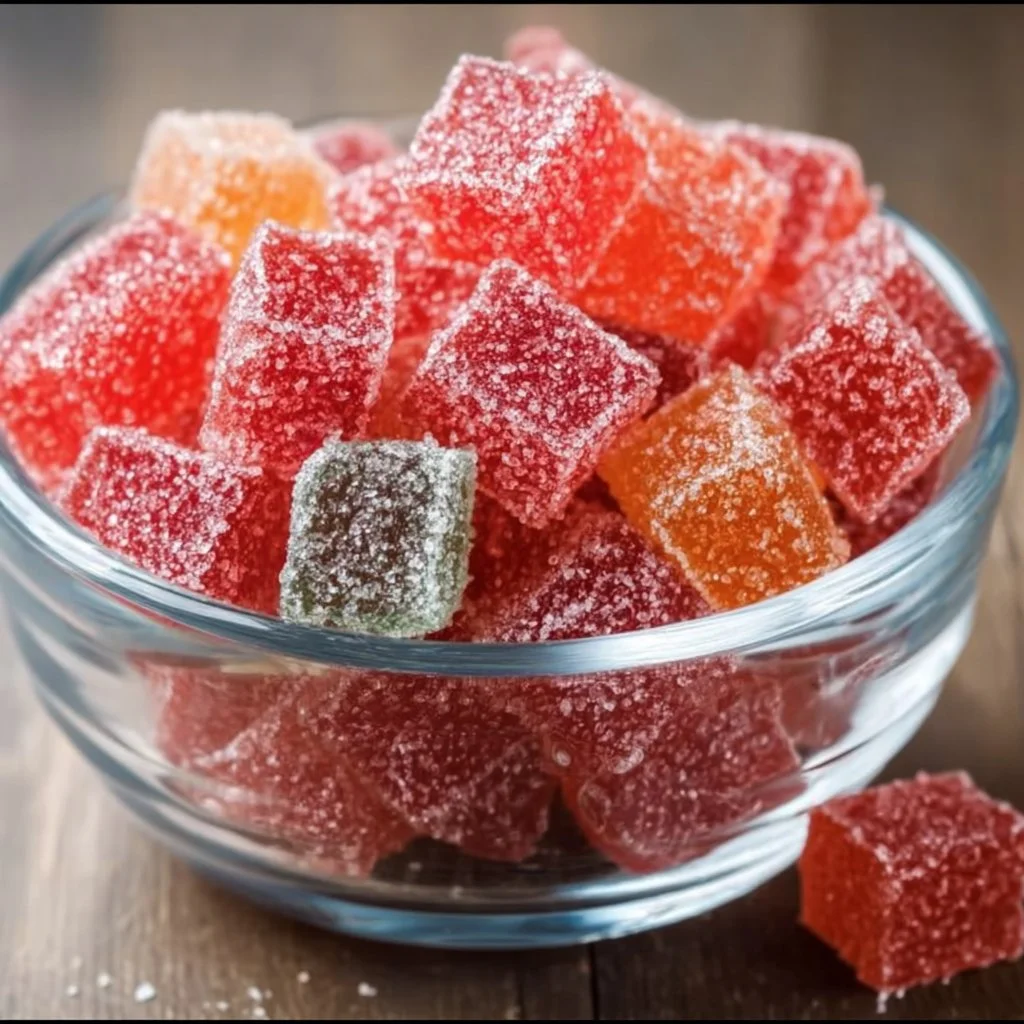
- Break into pieces and finish (optional). Once cooled, gently break into pieces with your hands or by tapping the underside with a rolling pin inside a cloth. For a chocolate finish, dip half the pieces into melted chocolate and set on parchment until the coating firms. For a retro look, dust with powdered sugar or lightly drizzle contrasting chocolate.
Variations and kitchen tips
- If you prefer a deeper caramel flavor, let the sugar reach the upper end of the hard crack stage, but watch carefully to avoid burning.
- To make a peppermint winter candy, add 3–4 drops of peppermint oil right after the baking soda and fold gently as it foams.
- For a citrus twist, stir in a bit of finely grated orange zest with the vanilla — this brightens the candy and pairs beautifully with dark chocolate.
- If humidity is high, your seafoam may soften over time; store in airtight containers with a desiccant packet if you plan to keep it longer than a few days.
- Want a crunchy topping? Sprinkle finely chopped nuts or toffee bits on the candy immediately after pouring so they stick as it cools.
If you’re curious about pairing these nostalgic sweets with other homemade desserts, try serving them alongside light fruit-based treats like the one featured in this summer dessert roundup: easy strawberry dessert ideas.
Storage, Freezing & Make-Ahead Tips
Storage is simple but important for preserving that brilliant crunch. Seafoam absorbs moisture from the air and will soften, so keep it dry.
- Short-term storage: Store pieces in an airtight container at room temperature, separated by parchment or wax paper layers. Kept this way, seafoam will stay crisp for about 1–2 weeks in a cool, dry place.
- Long-term & gifting: For gifting, place pieces in small cello bags or jars with tight lids. Add a small packet of food-safe desiccant to keep moisture at bay — great for shipping or long-term presentation.
- Freezing: Freezing is not recommended since condensation on thawing can soften the candy. If you must freeze, wrap pieces individually in plastic wrap and place in a vacuum-sealed bag; thaw completely to room temperature while still sealed to avoid moisture contact, but expect some texture changes.
- Make-ahead: You can make seafoam up to 2 weeks ahead of a party if stored correctly. For chocolate-coated pieces, coat them a day or two before serving for peak freshness.
How to Use / Serve This Dish
Seafoam is versatile: serve it as a stand-alone sweet, part of a dessert board, or an edible garnish.
Serving ideas
- Break into irregular shards and arrange on a cookie platter alongside homemade caramels and chocolate truffles for a retro candy sampler.
- Use small shards as a crunchy garnish for cupcakes, mousses, or rich puddings — especially chocolate-based desserts where the crunch contrasts with the creaminess.
- Package in little mason jars or festive boxes as holiday gifts — a homemade treat that feels special and personal.
- Turn into crushed “brittle crumbs” by pulsing in a blender and sprinkle over ice cream or layered parfaits for texture.
For inspiration about turning vintage baking ideas into pretty presents, I recommend exploring classic cake design techniques, which pair well with homemade candies as part of a celebration spread: vintage cake decorating ideas and creative birthday cake design inspiration.
FAQ
1. My seafoam melted or got sticky — what happened?
Humidity is the usual culprit. Sugar candy is hygroscopic and will absorb moisture from the air. Also, if the sugar didn’t reach the full hard crack stage, the candy may be too soft. Store in an airtight container with a desiccant, and try reheating to a deeper temperature next time (carefully) for firmer results.
2. Can I substitute baking soda with baking powder?
No — baking powder won’t produce the same dramatic foaming reaction. Baking soda is what reacts with the hot acidic caramelized sugar to create the airy pockets. Stick with baking soda and be sure it’s fresh for best bloom.
3. Is corn syrup essential, or can I use honey/maple syrup?
Corn syrup or golden syrup helps prevent crystallization and creates a smoother finish, but you can experiment with light honey or maple syrup for flavor. Expect slightly different textures and color; honey in particular will add flavor notes and brown more quickly, so watch the heat.
4. How long will the candy last if I add a chocolate coating?
Chocolate-coated seafoam can stay crisp for about 1–2 weeks when stored properly, though the chocolate may bloom (white streaks) over time without affecting taste. Keep in a cool, dry place away from direct sunlight, and separate layers with parchment to avoid sticking.
Conclusion
Making “Pin by Bloody Wolf on 80’s candy in 2026 | Quick recipes for snacks, homemade candy recipes, canning recipes” — essentially a nostalgic seafoam candy — is a joyful, fast way to make something both retro and modern for your table. It’s forgiving for beginners, endlessly tweakable for flavor lovers, and perfect for seasonal gifting. If you want a classic reference for the technique, I found a great write-up on Homemade Seafoam Candy | All Roads Lead to the Kitchen that pairs well with this guide. For broader notes on food history and vintage sweets inspiration, check out this thoughtful food writing resource: Food Passages: Jottings by Joel.
Give it a try this season, and share a photo of your seafoam — I’d love to hear how you flavor and package it for friends and family!
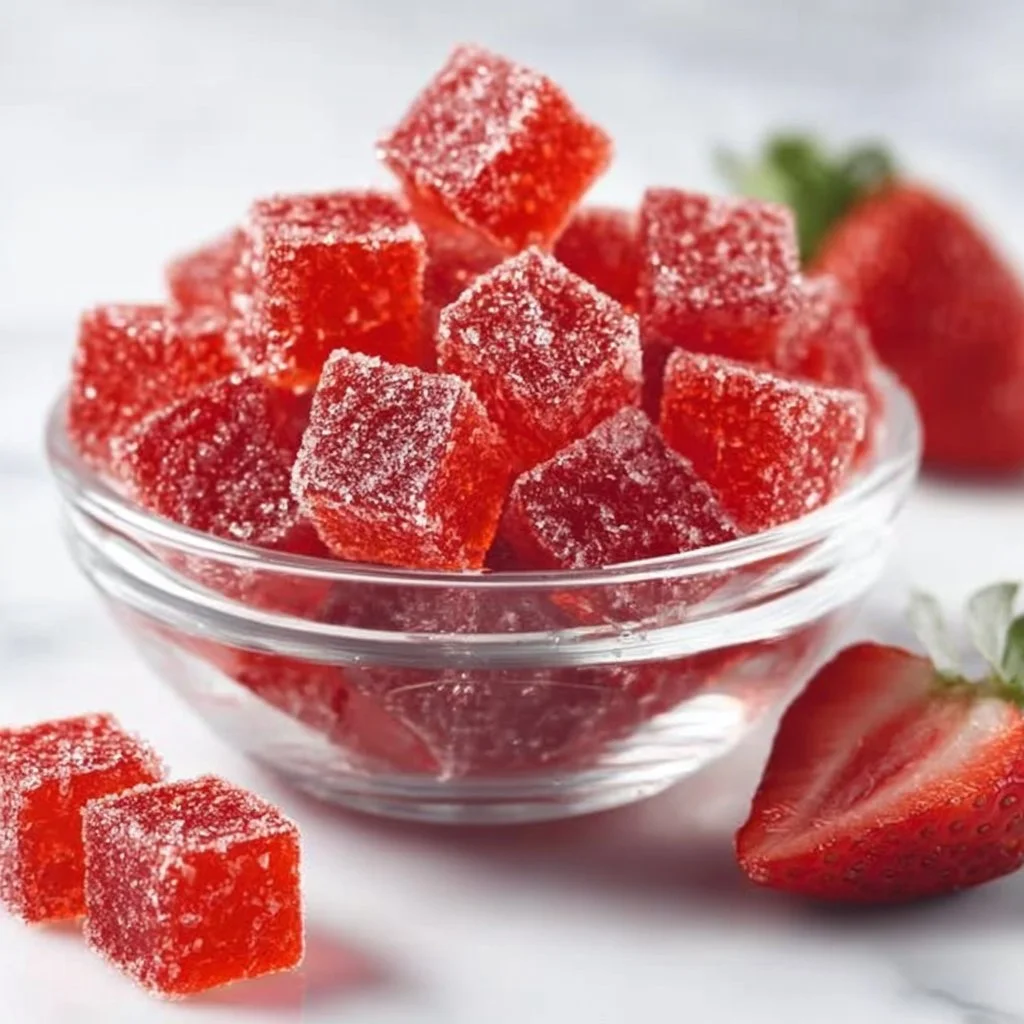
Seafoam Candy
Ingredients
Method
- Line a baking tray with parchment paper or a silicone mat and have a small bowl ready with the sifted baking soda.
- Pre-measure all ingredients as candy-making happens quickly once the syrup is hot.
- Combine sugar, corn syrup, and water in a heavy-bottomed saucepan. Stir gently to moisten the sugar and place over medium heat.
- Bring to a boil without stirring, gently swirl the pan if needed to redistribute heat. Watch for a deep amber color and nutty aroma.
- Once reaching 300–310°F (hard crack stage) or deep amber color, remove from heat.
- Quickly whisk in the sifted baking soda (and optional salt/vanilla), the mixture will foam and puff up.
- Immediately pour the foamed mixture onto the lined tray, allowing it to settle naturally.
- Let the candy cool at room temperature until hard, about 30–60 minutes.
- Once cooled, gently break into pieces and coat as desired.