If you’re looking for a quick, comforting treat that feels homemade and a little indulgent without a long ingredient list, this Cottage Cheese Mug Cake is the answer. It’s a seasonally friendly little cake that celebrates the creamy tang of cottage cheese—great with spring berries or cozy with fall spices—and comes together in under two minutes. The cottage cheese gives a boost of protein and a moist texture that makes this more than just a microwave snack: it’s a satisfying single-serve dessert or breakfast. If you love playful, simple recipes like a light berry cheesecake, you’ll find this mug cake an instant favorite: try pairing it with your favorite fruit or a spoonful of jam from the season’s bounty. For another cottage-cheese-forward breakfast idea, see this berry cheesecake recipe: berry cheesecake.
Why This Recipe Works (and When to Make It)
This Cottage Cheese Mug Cake is a blend of convenience and comfort. It’s perfect for mornings when you crave something warm and sweet, an afternoon pick-me-up during chilly evenings, or as a quick dessert when friends drop by. Because cottage cheese is the star, the cake stays moist and higher in protein than many traditional mug cakes, which helps it feel more filling. Use fresh, seasonal toppings—roasted cherries in summer or warm cinnamon apples in autumn—to make it feel like a dish made just for the season.
Ingredients & Equipment
Ingredients
- 1/4 cup cottage cheese
- 1 egg
- 1 tbsp unsweetened shredded coconut
- 2 tbsp almond flour
- 1/2 tsp vanilla extract
- 1/2 tsp baking powder
- 1 tbsp maple syrup or sweetener of choice (adjust to taste)
- Pinch of salt
Notes on ingredients
- Cottage cheese: Whole-milk cottage cheese gives the richest texture; low-fat works too but may be slightly less creamy. If you prefer a smoother crumb, use small-curd cottage cheese or briefly blend it.
- Almond flour: Gives a tender, slightly nutty crumb. You can substitute with oat flour for a different texture (see FAQ for details).
- Sweetener: Maple syrup adds flavor and seasonal warmth, especially in cooler months. Use honey, agave, or a granulated sweetener adjusted to taste.
- Coconut and vanilla give aroma and a pleasant mouthfeel—feel free to omit the coconut for a plainer cake.
Equipment
- Microwave-safe mug (10–12 oz recommended)
- Fork or small whisk, or an immersion blender/spoon for smoothing the cottage cheese
- Measuring spoons and cups
- Optional: small blender or food processor to smooth cottage cheese, baking tray if you want to bake in the oven, and a kitchen thermometer if you’re testing internal temperature for oven baking.
Helpful tool tip: A small blender will make the batter completely smooth in seconds. If you like to batch-make small ramekin cakes to bake in the oven, a baking tray makes transferring safe and easy. For a fluffier finish in the microwave, try covering the mug loosely with a microwave-safe plate to trap steam.
Step-by-Step Instructions (with tips)
-
Prepare your mug. Choose a 10–12 ounce microwave-safe mug. Lightly spray or rub a little butter or oil on the inside to help edges release if you prefer to eat the cake out of the mug cleanly.
-
Mash the cottage cheese in the mug until mostly smooth.
- Tip: Use a fork, small whisk, or pop the cottage cheese into a mini blender first for an ultra-smooth batter. Slight bits are fine—they add texture.
- For an ultra-creamy base, pulse in a small blender with the egg and vanilla.
- Add the egg and whisk or stir vigorously to combine.
- Tip: Whisking the egg into the cottage cheese until the mixture looks uniform helps the batter rise more evenly.
- Stir in shredded coconut, almond flour, baking powder, vanilla extract, maple syrup (or sweetener), and a pinch of salt. Mix until a smooth batter forms and there are no dry pockets.
- Kitchen tip: Scrape the bottom of the mug well to incorporate all the almond flour; leftover dry bits can burn in the microwave.
- Microwave for 60–75 seconds until set. Start checking at 60 seconds—microwave wattages vary. The cake should be puffed and spring back gently when touched. If it still looks wet in the center, continue microwaving in 5–10 second increments.
- Tip: Microwaves vary widely; a 700–900W microwave will typically need about 60–70 seconds. If you prefer a drier, more cake-like crumb, cook toward the higher end of the time range.
- Alternative oven method: Preheat oven to 350°F (175°C). Transfer batter to a small greased ramekin and bake 12–18 minutes until set and a toothpick comes out clean. This gives a slightly denser, more baked texture.
- Let cool slightly, 1–2 minutes, then enjoy straight from the mug or tip onto a plate. Add toppings as you like—fresh fruit, nut butter, a drizzle of maple syrup, or whipped cream.
Variations and flavor suggestions
- Chocolate twist: Stir 1 tbsp cocoa powder into the batter and top with dark chocolate chips.
- Lemon-blueberry: Add 1/2 tsp lemon zest and fold in a tablespoon of fresh blueberries (whole or roasted—see below).
- Nutty spice: Add 1/8 tsp cinnamon and a sprinkle of chopped toasted nuts on top.
- Roasted vs. boiled fruit: For deeper flavor, roast halved stone fruit or berries with a tsp of maple and a pinch of cinnamon at 400°F for 12–15 minutes until caramelized; spoon over the mug cake. For a lighter fruit sauce, quickly simmer berries with a splash of water and maple syrup for 3–5 minutes to make a quick compote. The roasting brings caramelized depth; boiling/poaching yields a fresh, saucy topping.
- Savory note: Omit the sweetener and add herbs for a savory eggy-bake variation—stir in 1 tbsp grated cheese and a pinch of pepper.

Storage, Freezing & Make-Ahead Tips
Storing leftovers
- Fresh is best: This mug cake is most enjoyable the day it’s made because of the tender crumb and warm topping. If you have leftovers, cover the mug or transfer the cake to an airtight container and refrigerate for up to 2 days.
- Reheating: Microwave briefly (10–20 seconds) to warm. If refrigerated, allow 30–60 seconds depending on the portion size.
Freezing
- Freezing a single mug portion is possible but not ideal for texture. Wrap the cooled cake tightly in plastic wrap and place in a freezer-safe bag for up to 1 month. Thaw overnight in the refrigerator and warm gently in the microwave. Expect a slight change in texture—freezing can make the crumb denser.
Make-ahead tips
- Batter prep: You can mix a dry blend of the almond flour, coconut, baking powder, and salt and store in a jar. In the morning, mash cottage cheese, add the egg, vanilla and maple, then stir in 2 tbsp of your dry mix for a quick assembly.
- Batch baking: For more than one serving, multiply the ingredients and bake small ramekins in the oven as described above for a more consistent result than microwaving many mugs. This is a handy weekend prep option if you enjoy cottage-cheese-forward egg bites like these cheesy muffin tin cottage cheese egg bites.
Portioning advice
- This recipe yields one generous single-serving mug cake. If you’re serving multiple people, scale the ingredients up and divide into individual mugs or small ramekins for even cooking.
How to Use / Serve This Dish
Serving ideas
- Breakfast bowl: Top with Greek yogurt, seasonal fresh fruit, and a sprinkle of granola for a balanced, portable breakfast.
- Dessert: Add a scoop of vanilla ice cream, warm berry compote, and a dusting of toasted coconut for a cozy dessert.
- Afternoon snack: Stir a tablespoon of nut butter into the hot cake for a filling protein boost.
Pairings and creative variations
- For a bright summer pairing, spoon roasted stone fruit over the warm cake. Roasting concentrates sweetness and makes a lovely contrast with tangy cottage cheese. If you prefer crisp, fresh cucumber accompaniments for a savory brunch board, consider small bites like these cucumber cottage cheese bites to serve alongside.
- Turn it into a mini-trifle: Layer pieces of the mug cake with yogurt, chopped fruit, and a drizzle of honey in a glass for a pretty, layered treat.
- Make it party-ready: Top with a flavored whipped cream (maple or cinnamon) and sprinkle with toasted coconut or chopped pistachios.
FAQ
Q: Can I substitute ricotta or Greek yogurt for cottage cheese?
A: Yes. Ricotta produces a similar creamy texture and mild flavor; use the same amount. Greek yogurt will make the cake tangier and slightly less chunky—full-fat Greek yogurt is closest in richness. Note that using smoother cheeses will reduce the need to mash; you may want to reduce the cooking time slightly.
Q: Is this recipe gluten-free and low-carb?
A: As written, yes—using almond flour makes it gluten-free and relatively low in carbs compared with wheat flour. If you need to avoid nuts, swap almond flour for oat flour (not gluten-free unless certified) or a gluten-free 1:1 flour blend; the texture will change.
Q: How long will the mug cake last in the fridge?
A: Store covered in the refrigerator for up to 2 days. Because it contains dairy and an egg, it’s best eaten within that window. Reheat briefly in the microwave before serving.
Q: My mug cake sank in the center—what went wrong?
A: A few reasons: undercooking is the most common—return it to the microwave in 5–10 second bursts until set. Overmixing can also deflate air incorporated when whisking. Finally, using too large a mug or too little batter can result in a quick cook at the edges and undercooked center; use the recommended mug size.
Tips for Seasonal Tweaks
- Spring: Top with lightly macerated strawberries and a squeeze of lemon for brightness.
- Summer: Roast summer stone fruit or berries with a touch of brown sugar and vanilla.
- Fall: Stir in 1/8 tsp cinnamon and top with apple compote or spiced pear slices.
- Winter: Add 1 tbsp cocoa powder and a pinch of espresso for a cozy chocolate-cottage cheese combination.
For a creative dessert board idea that complements this mug cake, try serving small portions alongside a chunky fruit salad or petite cheesecake bites—the contrast of textures is delightful—and you might enjoy inspiration from this caramel crunch cheesecake fruit salad recipe: caramel crunch cheesecake fruit salad.
Nutritional Notes
This mug cake is higher in protein than many traditional mug cakes thanks to the cottage cheese and egg. Using almond flour reduces carbs compared to wheat flour. If tracking macronutrients, note that toppings will change totals; a drizzle of maple or a scoop of ice cream adds additional sugars and calories.
Conclusion
There’s something wonderfully comforting about a warm, single-serve cake that comes together in minutes—this Cottage Cheese Mug Cake brings the creamy tang of cottage cheese into an easy, satisfying treat that fits breakfast, snack, or dessert. It’s versatile, seasonally adaptable, and ideal for busy home cooks who want a from-scratch feel with minimal fuss. If you enjoyed this mug cake, you might like to explore other high-protein cottage cheese microwave desserts like this Cottage Cheese Microwave Brownie (Gluten Free, High Protein), or try a different flavor profile with these Cottage Cheese Peanut Butter Fudge Cakes. For more protein-packed mug cake ideas and inspiration, check out this Protein Mug Cake | Simply Quinoa.
Warm up a mug, spoon into a cozy corner of the kitchen, and let this little cake remind you that simple ingredients can feel like a hug. If you try it, share how you topped yours—I love hearing seasonal twists and flavor pairings.
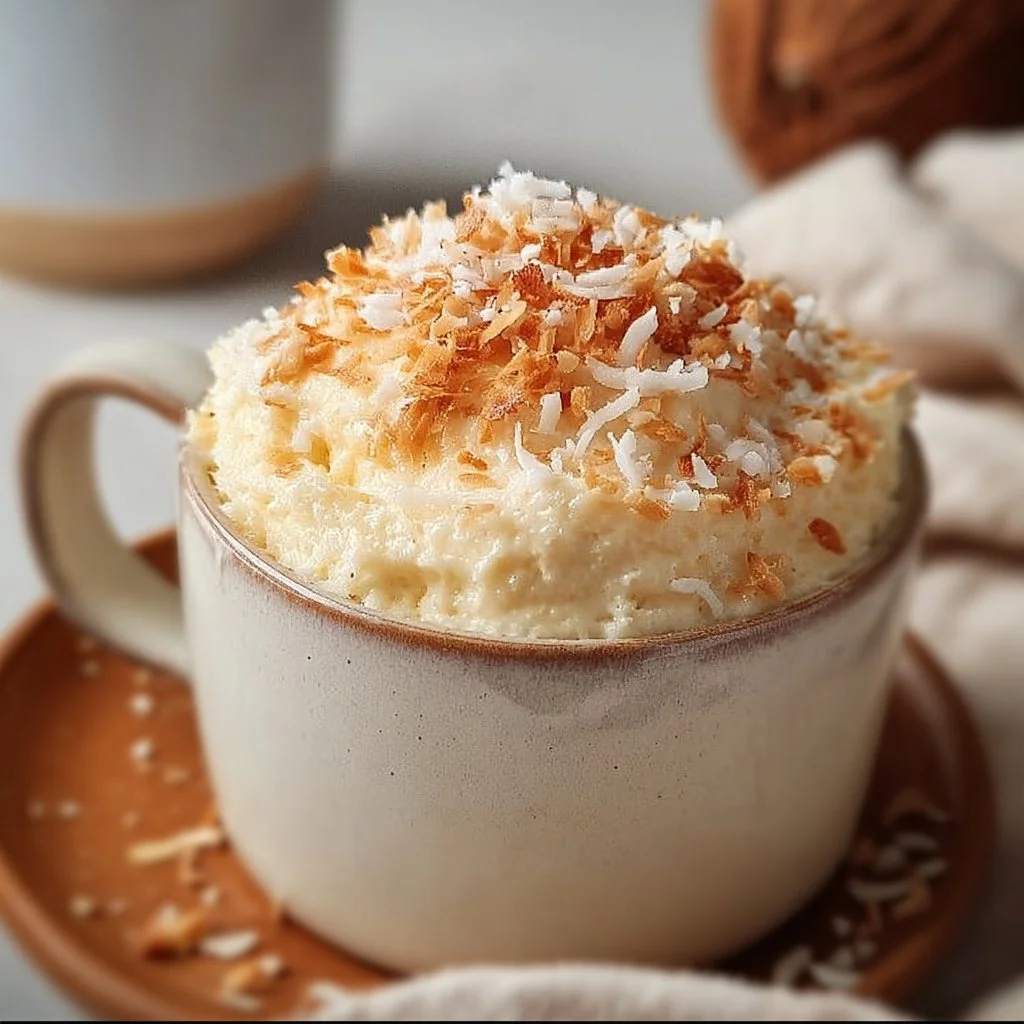
Cottage Cheese Mug Cake
Ingredients
Method
- Choose a 10–12 ounce microwave-safe mug and lightly spray or rub a little butter or oil inside.
- Mash the cottage cheese in the mug until mostly smooth.
- Add the egg and whisk or stir vigorously until well combined.
- Stir in shredded coconut, almond flour, baking powder, vanilla extract, maple syrup, and salt until a smooth batter forms.
- Microwave for 60–75 seconds until set, checking at 60 seconds.
- Let cool slightly, then enjoy from the mug or tip onto a plate with your favorite toppings.